
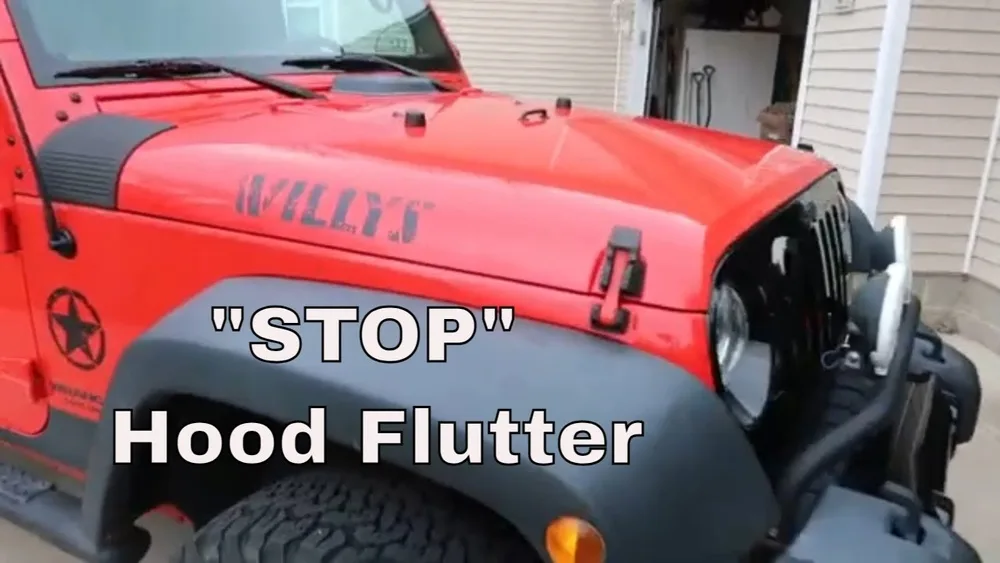
If you drive a Jeep Wrangler, you may have noticed the hood sometimes shakes or flutters, especially at highway speeds. This is known as hood flutter, and it’s more than just annoying—it can feel unsafe and make your driving experience less enjoyable. Many Jeep owners wonder if this is normal or if something is wrong with their vehicle. The good news is, hood flutter is a common problem with Wranglers, but it’s also one you can fix yourself with the right approach.
This guide will walk you through what causes hood flutter, why it happens on Wranglers in particular, and how you can fix it permanently. Whether you’re a hands-on Jeep enthusiast or just want a smoother ride, you’ll learn everything you need to know to solve this issue.
What Is Hood Flutter?
Hood flutter is when your Jeep’s hood visibly shakes, vibrates, or lifts slightly while driving, especially at higher speeds or when passing trucks. You might see the corners of the hood bouncing up and down in your line of sight. This happens because air pushes under the hood, and the latches or catches don’t hold it down tightly enough.
A small amount of movement is normal on many vehicles, but excessive flutter is not. Over time, constant hood movement can wear out latches, affect the hood alignment, and even damage the paint or hinges.
Why Is This Common On Jeep Wranglers?
The Jeep Wrangler has a unique design: a flat hood, rubber hood latches, and a more upright windshield. These features make it easier for air to get under the hood and for the latches to stretch or weaken over time. Earlier Wrangler models (like the JK series, 2007–2018) are especially known for this problem, but even newer models like the JL can experience it.
Main Causes Of Jeep Wrangler Hood Flutter
Understanding what causes hood flutter helps you find the right fix. The most common reasons include:
- Weak or stretched rubber hood latches – Over time, the rubber becomes loose or soft, letting the hood move.
- Poor latch design – Some stock latches are simply not strong enough for highway wind forces.
- Worn hood bump stops – These small rubber pieces help cushion and align the hood. When they wear out, the hood sits less securely.
- Lift kits and larger tires – Modifying your Wrangler can change air flow and increase wind under the hood.
- Aftermarket hoods or body parts – Non-standard parts may not fit as tightly, adding to the problem.
Many owners miss the role of hood bump stops and think only the latches matter. But if the stops are worn, even new latches won’t solve the issue completely. Another overlooked detail: aftermarket accessories (like light bars) can change wind patterns and make flutter worse.

Credit: www.gemefindustries.com
How To Diagnose Hood Flutter
Before you start fixing things, it’s smart to check where the problem is coming from. Here’s how:
- Inspect the latches: Look for cracks, tears, or stretched rubber. Try moving the hood by hand—if it feels loose, your latches are likely worn.
- Check bump stops: These should be firm and in place. If they’re missing or feel soft, they need attention.
- Watch the hood while driving: If possible, have a passenger observe the hood at different speeds and note how much it moves.
- Listen for sounds: Rattling or clunking noises from the hood area are signs of poor fit.
If everything looks new but the hood still flutters, airflow from roof racks, big tires, or other mods might be the cause.
Best Ways To Fix Jeep Wrangler Hood Flutter
Solving hood flutter usually means improving the way your hood is held down and supported. Here are the most effective solutions:
1. Replace Stock Rubber Latches With Heavy-duty Latches
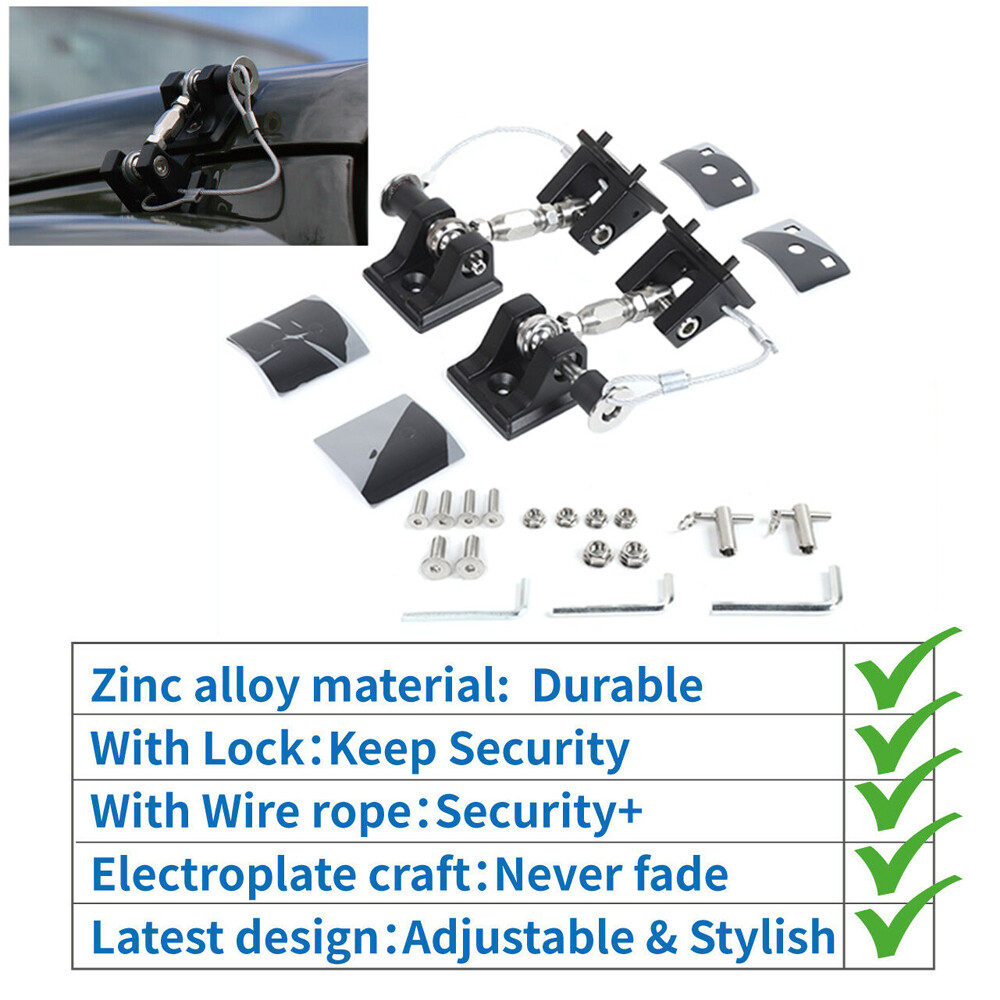
The single best fix is upgrading the factory rubber hood latches. Aftermarket latches are made from stronger materials like stainless steel or reinforced composites. These hold the hood much tighter and don’t stretch over time.
Popular brands include Rugged Ridge, Drake Off Road, and Daystar. Many Jeep owners see immediate improvement after swapping latches.
How to replace latches:
- Remove the old rubber latches (usually two bolts per latch).
- Install the new heavy-duty latches in the same position.
- Adjust for tightness so the hood closes securely but not too tight.
Tip: Choose latches with a lock for extra security.
2. Adjust Or Replace Hood Bump Stops
Small hood bump stops are often forgotten but play a key role. These rubber pieces keep the hood stable and prevent metal-on-metal contact. If they’re worn or missing, replace them with new ones from the dealer or a parts store.
Some owners add small pieces of weatherstripping or rubber pads for extra support. Adjust the stops so the hood sits flat and firm when closed.
3. Add A Secondary Hood Catch
For extra peace of mind, you can install a secondary hood catch or safety cable. This is especially useful if you drive off-road or at high speed often. It acts as a backup in case the main latches fail.
These are usually simple to install and can be hidden from view. They don’t stop flutter, but they prevent the hood from flying up if the primary latches break.
4. Minimize Wind Under The Hood
If you have a lift kit, large tires, or roof accessories, more air may push under the hood. Consider the following tips:
- Add a front air dam or deflector to reduce wind entering the engine bay.
- Remove or reposition light bars or roof racks if they direct air down toward the hood.
- Close all gaps around the hood with weatherstripping for a tighter seal.
5. Maintain Latch Hardware
Sometimes, hood flutter comes from loose bolts or worn hardware. Check that all latch bolts are tight and not rusted. Replace any missing washers or nuts. Lubricate moving parts with a silicone spray to keep everything working smoothly.
6. Consider Aftermarket Hood Locks
Some heavy-duty hood locks double as anti-theft devices and provide a firmer hold than stock latches. These are especially useful in urban areas or if you have valuable accessories in the engine bay.
Bonus Insight: When installing new latches or locks, always test the hood’s release function. You want it to stay closed at speed, but still open easily for maintenance.
Step-by-step Guide: Replacing Jeep Wrangler Hood Latches
Here’s a practical walkthrough for swapping out your Wrangler’s hood latches, the most common and effective fix.
- Choose your replacement latches. Make sure they fit your specific Wrangler model and year.
- Gather tools: You’ll need a socket wrench set, screwdrivers, and possibly a Torx bit.
- Open the hood. Support it with the prop rod.
- Remove the old latches: Unscrew the bolts holding the rubber latches to the hood and fender. Keep the hardware if it’s in good shape.
- Install new latches: Attach the heavy-duty latches in the same spots. Some kits require minor adjustment for alignment.
- Adjust latch tension: The hood should close snugly without forcing it. Too tight, and it may be hard to open; too loose, and it will still flutter.
- Test drive: After installation, drive at highway speed and observe the hood. Make minor adjustments if needed.
Most owners can do this job in about 30–60 minutes. If you’re not confident, a mechanic can help.
Cost Comparison: Fixing Hood Flutter
To help you decide which solution fits your budget, here’s a comparison of average costs for each method:
| Solution | Parts Cost (USD) | DIY Difficulty | Time Required |
|---|---|---|---|
| Heavy-duty latches | $40–$120 | Easy–Medium | 30–60 minutes |
| Hood bump stops | $10–$30 | Easy | 10–20 minutes |
| Secondary hood catch | $15–$50 | Medium | 20–40 minutes |
| Aftermarket hood lock | $30–$100 | Medium | 30–60 minutes |
Tip: Most fixes are affordable and easy to do at home. Paying a shop for labor can add $50–$100 more.

Credit: www.youtube.com
Real-world Example: How A Wrangler Owner Solved Hood Flutter
James, a 2015 Wrangler JK owner, noticed his hood shaking at speeds above 55 mph. He first checked his latches and saw visible cracks. He replaced them with metal Rugged Ridge latches ($70) and added new bump stops. The flutter disappeared completely, and the hood now feels solid even at 75 mph.
He later added a secondary hood catch for peace of mind during off-road trips.
Common Mistakes When Fixing Hood Flutter
New Jeep owners sometimes rush to fix hood flutter and make these errors:
- Only replacing one side: Always replace both latches for even pressure.
- Ignoring bump stops: New latches won’t help if the stops are missing or soft.
- Over-tightening latches: This can bend the hood or make it hard to open.
- Choosing cheap, untested latches: Poor-quality latches may fail quickly or fit badly.
Credit: saea.com.ar
Side-by-side Table: Factory Latches Vs. Aftermarket Latches
| Feature | Factory Rubber Latch | Heavy-Duty Aftermarket Latch |
|---|---|---|
| Material | Rubber | Metal/Composite |
| Durability | Low | High |
| Hood Security | Medium | High |
| Risk of Flutter | High | Low |
| Price | Lower | Higher |
Pro Tips For Wrangler Owners
- Check latches twice a year. Rubber weakens in sun, heat, and cold.
- Keep a spare set of latches in your glove box if you off-road often.
- Don’t ignore small vibration. Early fixes are easier and cheaper.
- Document changes. If you sell your Jeep, showing the upgrade can boost buyer confidence.
When To Get Professional Help
Most hood flutter fixes are simple, but if the hood is misaligned or there’s visible damage to hinges, see a professional. If you hear loud banging or see the hood lifting more than an inch, stop driving and get it checked.
Safety always comes first.
Frequently Asked Questions
Why Does My Jeep Wrangler Hood Flutter At High Speeds?
The flat hood and soft rubber latches let air get under the hood, making it move. Wind pressure at highway speed is enough to cause visible shaking, especially if the latches are old or worn.
Will Hood Flutter Damage My Jeep?
Over time, yes. Flutter can wear out latch hardware, damage paint, and make the hood misalign. In rare cases, severe flutter can cause the hood to open unexpectedly, which is dangerous.
Do All Jeep Wranglers Have This Problem?
Most JK and JL Wranglers experience some hood flutter, especially with age or after modifications. It’s less common but still possible on older TJs or CJs.
Can I Fix Hood Flutter Myself, Or Do I Need A Mechanic?
Most owners can fix hood flutter at home with basic tools. Swapping out latches or bump stops is a straightforward DIY project. If you’re unsure, a mechanic can help.
Where Can I Find Reliable Parts For Fixing Hood Flutter?
Look for trusted brands like Rugged Ridge, Drake Off Road, or Mopar. Buy from reputable auto parts stores or online Jeep specialists. For more details on Wrangler parts, visit the Jeep Wrangler Wikipedia page.
Solving hood flutter not only makes your Jeep safer and more comfortable but also protects it from long-term damage. With the right parts and a little time, you can enjoy a smoother, more confident drive—on or off the road.