
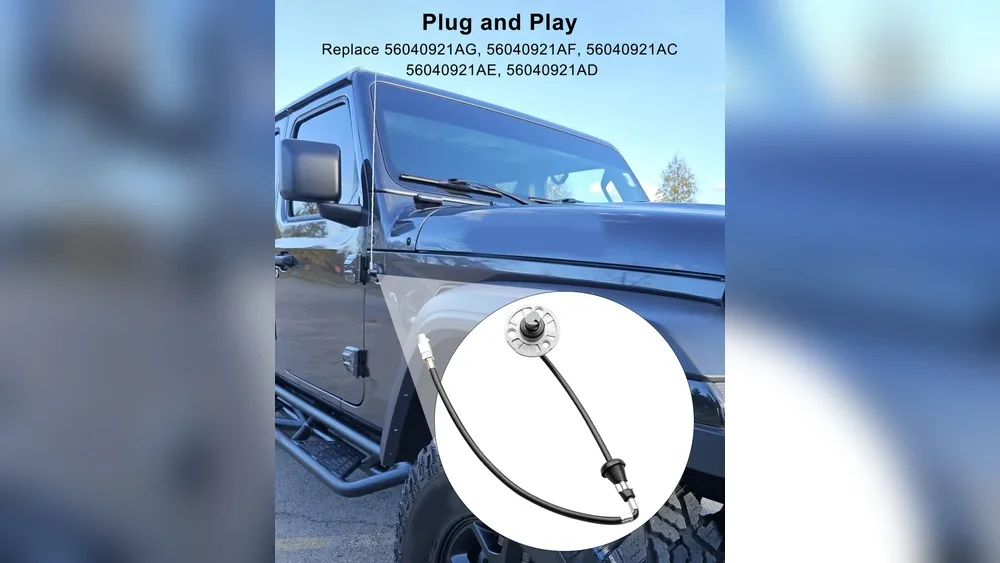
When you drive a Jeep Wrangler, you expect adventure, but poor radio reception can spoil the fun. Whether you’re on a long highway or exploring off-road, clear music and news matter. Many Jeep owners notice that their antenna sometimes struggles to pick up stations, especially in rural areas or after a car wash.
Fixing this issue is not always simple, but with the right knowledge and steps, you can improve or fully restore your Jeep Wrangler’s antenna reception.
This guide will take you through every step and method to solve antenna problems. You’ll learn about the common causes, how to troubleshoot, and which upgrades deliver real results. Even if you have little experience with car electronics, you’ll find practical advice and tips that work.
Why Jeep Wrangler Antenna Reception Suffers
The Jeep Wrangler is built for rugged use, but its factory antenna is basic. It often gets bent, damaged, or clogged with dirt. The design also makes it vulnerable to signal loss, especially if you install aftermarket accessories like light bars or winches near the antenna. If you use your Jeep in remote locations, weak signals become a bigger issue.
Other factors include:
- Antenna cable problems
- Poor ground connection
- Faulty radio unit
- Interference from added electronics
Understanding the cause is your first step to a lasting fix.
Quick Checks Before You Start
Before buying new parts or tools, do some simple checks. These can save you time and money:
- Check the antenna mast for bends, rust, or looseness. A bent or missing mast kills signal strength.
- Inspect the antenna cable connection behind the radio. Sometimes it’s just loose.
- Look for visible damage around the base where the antenna meets the fender.
- Test the radio with another car’s antenna if possible. This helps you know if the problem is with the antenna or the radio itself.
If these quick checks don’t solve the problem, move to deeper troubleshooting.
Common Causes Of Poor Reception
Let’s break down the most frequent reasons your Wrangler’s radio might not work well.
1. Damaged Or Short Antenna Mast
Many Jeep drivers replace the factory antenna with a stubby antenna for style or off-road clearance. Shorter antennas often mean weaker reception, especially in rural areas.
2. Corroded Or Loose Base
Water, mud, and salt can corrode the metal base of the antenna. Even a little corrosion can block radio signals.
3. Damaged Antenna Cable
The cable connecting your antenna to the radio can become pinched or broken, especially if you’ve done dashboard work or installed accessories.
4. Poor Grounding
Antenna bases need a solid ground connection to the car body. Rust or paint between the antenna and fender can weaken this ground.
5. Radio Head Unit Issues
Sometimes the radio itself is at fault. Modern Jeep Wranglers often use aftermarket stereos, which can have different sensitivity levels or compatibility issues with the factory antenna.
Step-by-step: How To Fix Jeep Wrangler Antenna Reception
Now, let’s go through each solution. You don’t need to be a car expert, but patience and basic tools help.
Step 1: Clean And Tighten The Antenna Base
Dirt and corrosion build up at the base of the antenna, especially after off-road trips.
- Remove the antenna mast by unscrewing it.
- Use a wire brush or sandpaper to clean the base threads and the metal around it.
- Tighten the mast back on and check your radio.
This quick action often improves reception by 20–30% if corrosion was present.
Step 2: Inspect And Replace The Antenna Mast
If your mast is bent or very short (less than 10 inches), replace it with a full-size or at least a mid-size mast.
- Factory Jeep antennas are about 31 inches long.
- Aftermarket “stubby” antennas are often only 4–6 inches.
Here’s how different mast lengths affect radio reception:
| Antenna Length | Reception Quality (Urban) | Reception Quality (Rural) | Durability |
|---|---|---|---|
| 31 inches (factory) | Excellent | Good | Average |
| 15 inches (mid-size) | Good | Fair | Better |
| 4–6 inches (stubby) | Fair | Poor | Best |
Choose the mast length based on where you drive most.
Step 3: Fix The Antenna Cable
If you’ve recently worked behind your radio or installed a new stereo, check the antenna cable:
- Remove the radio (usually 4 screws for a Wrangler).
- Find the antenna plug (thick black wire).
- Wiggle it gently. If the signal cuts in and out, the cable or connector is loose or damaged.
- Replace the cable if you see cuts or worn spots.
A new cable costs about $15–$30 and takes about 30 minutes to replace.
Step 4: Check And Improve Ground Connection
A weak ground means a weak signal, even with a perfect antenna.
- Unscrew the antenna base from the fender.
- Scrape off any paint or rust under the mounting point.
- Use a star washer to bite into the metal when you reattach the base.
- Tighten the bolts firmly.
A strong ground connection often makes the biggest difference in rural areas.
Step 5: Install An Antenna Amplifier
If you still get poor reception, an inline antenna amplifier can help. These are small devices that boost weak signals before they reach your radio.
- Choose an amplifier designed for automotive use (cost: $15–$40).
- Install it between the antenna cable and the radio.
- Make sure it gets power from a switched 12V source (so it turns off with the ignition).
Amplifiers can boost signal by up to 50%, but they won’t fix a broken antenna or bad ground.
Step 6: Consider An Antenna Relocation Kit
If you have added gear (like light bars or roof racks) that block your antenna, a relocation kit moves it to a better spot. The most common is relocating to the rear of the Jeep.
- Kits cost $30–$70 and include all wiring.
- Choose a kit that fits your Jeep’s year and model.
- Relocation takes about one hour for a DIY install.
Relocating the antenna reduces interference from metal accessories.
Step 7: Upgrade To A Modern Antenna
There are many aftermarket antennas with better reception and durability than the factory one. Look for ones labeled “enhanced reception” or with built-in amplifiers.
Here’s how popular replacement types compare:
| Antenna Type | Reception | Durability | Cost |
|---|---|---|---|
| Factory OEM | Good | Average | $20–$40 |
| Flexible Rubber | Fair | Excellent | $15–$30 |
| Amplified Aftermarket | Excellent | Good | $40–$70 |
If you drive off-road often, a flexible rubber or amplified aftermarket antenna balances durability and signal.
Step 8: Test The Radio Head Unit
If you’ve tried everything and reception is still bad, test your radio with another antenna. If the problem remains, the radio’s tuner may be faulty.
- Try a different radio if possible.
- Or, visit a car audio shop for professional diagnosis.
Replacing the head unit is a last resort but sometimes necessary for older or aftermarket radios.

Credit: www.reddit.com
Advanced Tips Most Owners Miss
Many guides skip these ideas, but they often solve stubborn reception issues.
Use A Ferrite Bead To Reduce Interference
Modern Jeeps have a lot of electronics. Sometimes, interference from power wires or LED light bars can mess with radio signals. Adding a ferrite bead around the antenna wire near the radio can cut this interference.
Avoid Parking Near Large Metal Objects
If your Jeep is always parked near power lines or metal buildings, signal can be blocked. Test your radio in open areas to make sure the problem isn’t environmental.
Regularly Clean The Antenna
Simple road dirt or wax from car washes can coat the mast and reduce reception. Wipe the antenna with alcohol every few months, especially after off-roading.
When To Seek Professional Help
If you’ve followed all steps and still have poor reception, it’s time to consult a professional. Electrical problems, hidden wire breaks, or internal radio faults need special tools to diagnose.
Expect to pay $50–$100 for a full inspection at a car audio shop. This is worth it if you rely on your radio for daily driving or long trips.

Credit: www.amazon.com
Preventing Antenna Problems In The Future
Once you fix your antenna, keep it working with these habits:
- Remove the antenna before car washes to prevent bending.
- Avoid using “stubby” antennas if you regularly drive far from cities.
- Clean the base and mast twice a year.
- Check behind the dashboard after any accessory installation.
These small steps prevent problems and save money in the long run.
Frequently Asked Questions
Why Does My Jeep Antenna Lose Reception After A Car Wash?
Water or soap can enter the antenna base, causing poor contact or corrosion. Always dry the antenna area after a wash and check for looseness.
Will A Short Antenna Work As Well As The Factory One?
Short antennas usually have worse reception, especially for distant stations. They’re more durable for off-roading, but expect to lose some signal quality.
Can I Use A Universal Car Antenna On My Jeep Wrangler?
Some universal antennas fit, but not all match the Wrangler’s thread size or radio plug. Check compatibility before buying, or choose Jeep-specific models.
Is An Antenna Amplifier Always The Answer?
An amplifier helps only if your antenna and cable are in good shape. It won’t fix broken wires or poor ground connections, but it can boost weak signals in rural areas.
Where Can I Find More Details About Jeep Wrangler Antennas?
You can find technical information and Jeep antenna specifications at the Jeep Wrangler Wikipedia page.
A strong radio signal makes every drive better, whether you’re crossing a city or a mountain trail. With these steps, you’ll fix your Jeep Wrangler’s antenna reception for good. Don’t let static or silence ruin your ride—clear sound is just a few smart fixes away.
Credit: www.sanantoniododgechryslerjeepram.com