

Choosing the right running boards for your Jeep is about much more than just looks. A great set of running boards can improve safety, make getting in and out easier, protect your vehicle’s sides, and even boost resale value. Yet, with so many types, materials, and styles, many Jeep owners feel lost.
Whether you drive a rugged Wrangler or a family-friendly Grand Cherokee, knowing what to look for saves money, prevents common mistakes, and ensures you love your choice for years. Let’s break down everything you need to know before buying Jeep running boards, from key features to installation tips.
Understanding The Purpose Of Running Boards
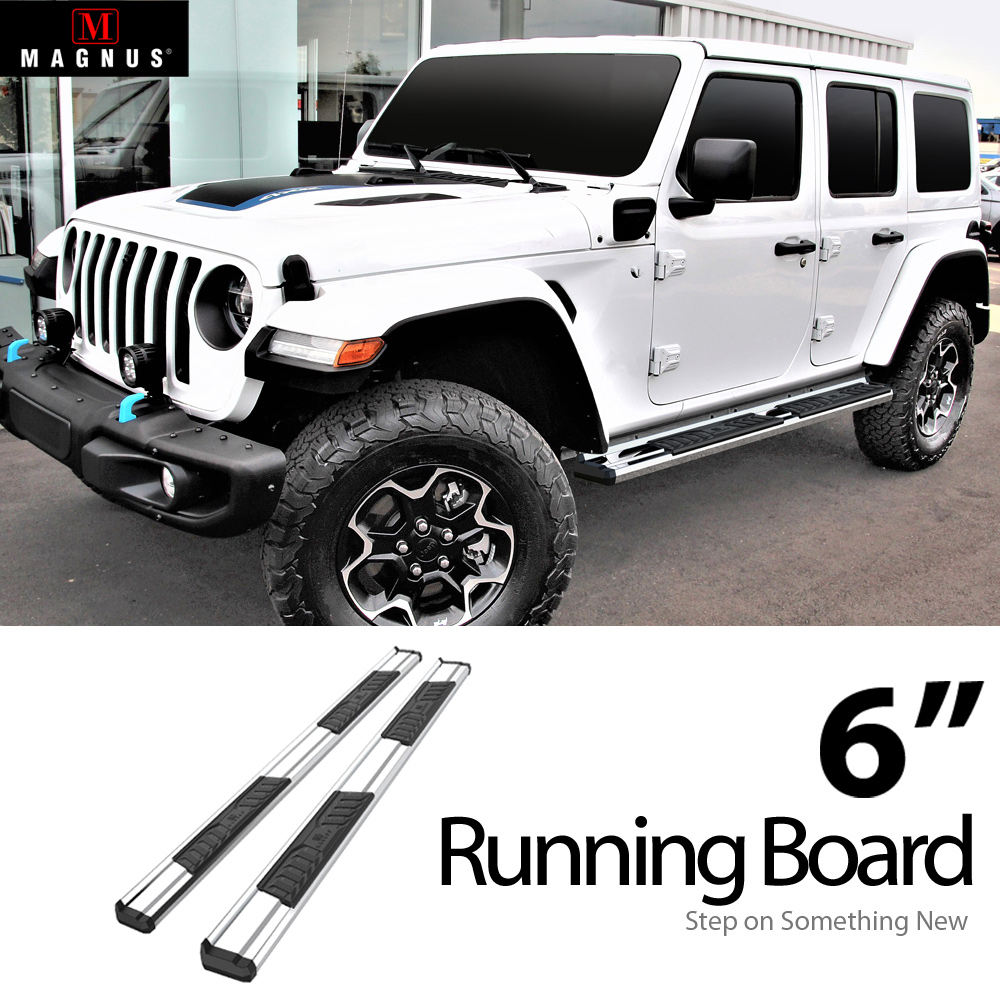
Running boards are flat, often wide steps that attach below your Jeep’s doors. Their main job is to make entry and exit easier, especially for lifted Jeeps or for people with limited mobility. But there are more benefits:
- Side protection: They can deflect rocks, mud, and road debris away from the doors and lower panels.
- Aesthetic upgrade: Many running boards give your Jeep a more aggressive or stylish look.
- Resale value: Well-chosen boards show care for the vehicle, sometimes boosting value.
Running boards are not the same as rock sliders. While some heavy-duty boards offer extra protection, true rock sliders are built for extreme off-roading and resist heavy impacts.
Key Types Of Jeep Running Boards
You’ll find several main types of running boards for Jeeps. Each has strengths, weaknesses, and best uses.
1. Standard (fixed) Running Boards
These boards are always in place and offer a wide, stable step. They’re common for daily drivers and family vehicles.
- Pros: Simple, reliable, affordable.
- Cons: Can reduce ground clearance on trails; always visible.
2. Nerf Bars
Nerf bars are round or oval tubes, sometimes with textured step pads. They provide a step and side protection.
- Pros: Sleek look, lighter weight, some protection against rocks.
- Cons: Narrower step area; not as stable as wider boards.
3. Power Retractable Boards
These high-end running boards extend when you open the door, then tuck away when not in use.
- Pros: Best ground clearance, modern appearance, automatic convenience.
- Cons: Expensive; more parts to maintain or repair.
4. Rock Rails / Rock Sliders
While not true running boards, some hybrids offer a step and hardcore off-road protection.
- Pros: Protects during off-roading, strong steel construction.
- Cons: Heavier; sometimes less comfortable for everyday use.
5. Hoop Steps
Hoop steps are small, single steps attached under each door.
- Pros: Minimal look, lightweight, easy to install.
- Cons: Limited step area, not ideal for kids or elderly.

Credit: www.towuniverse.com
Materials: What Really Matters
The material of your running boards affects weight, durability, and appearance. Common choices include:
- Aluminum: Lightweight, rust-resistant, modern look. Good for daily drivers.
- Steel: Strongest, best for off-road and heavy-duty use. May rust if coating chips.
- Stainless steel: Combines rust resistance with strength, but often more expensive.
- ABS plastic: Used for step pads or covers, not for the main structure.
Aluminum is usually best for most drivers, while steel is ideal for serious off-roaders. Watch out for cheap boards with thin coatings—these rust quickly.
Matching Running Boards To Your Jeep Model
Not all running boards fit every Jeep. Each model has unique rocker panel shapes, mounting points, and door styles. For example:
- Jeep Wrangler: Many options, especially for 2-door vs 4-door (Unlimited) versions.
- Jeep Grand Cherokee: Needs boards that don’t block doors or interfere with air suspension.
- Jeep Gladiator: Longer wheelbase means custom-fit options.
Check for compatibility, especially for special editions or older models. Always double-check the year, trim, and body style before buying.
Comparing Main Features
Every running board comes with different features. Here’s a comparison to help you see what matters:
| Feature | Standard Boards | Nerf Bars | Power Boards |
|---|---|---|---|
| Step width | Wide | Narrow | Wide |
| Ground clearance | Moderate | Better | Best |
| Rust resistance | Depends on material | Depends on material | Usually aluminum |
| Cost | Low-Mid | Low-Mid | High |
| Ease of install | Easy | Easy | Moderate/Hard |
Safety And Practical Considerations
Safety is more than just a strong step. Think about:
- Weight capacity: Most boards support 300–500 lbs. If you often carry heavy loads or passengers, check the rating.
- Step texture: Look for non-slip surfaces, especially in wet or icy climates.
- Mounting method: Bolt-on boards are easier to install and remove. Some require drilling, which can risk rust if done poorly.
- Side airbag compatibility: Some boards can block side airbags or sensors. Check manufacturer notes if your Jeep has advanced safety features.
A useful tip: boards mounted further from the rocker panel offer a wider step, but can collect more mud and debris.

Credit: www.walmart.com
Aesthetics: Matching Style To Function
Looks matter, especially for a Jeep. Boards come in black powder-coated, chrome, polished aluminum, or painted finishes. Here’s how to match your style:
- Urban look: Chrome or polished stainless steel for city use.
- Off-road style: Textured black or matte finishes hide scratches and dirt.
- OEM look: Many brands offer boards that match original Jeep trim, blending in perfectly.
Remember, wide boards look bulkier. Slim nerf bars or hoop steps keep the Jeep’s lines visible.
Installation: What To Expect
Most running boards are designed for easy, at-home installation. But, there are some things you need to know:
- Bolt-on: Most modern boards use factory holes. No drilling, just basic tools.
- Drilling required: Some older Jeeps or custom boards may need holes drilled. Use rust-proof paint after drilling.
- Power boards: Require wiring to the door sensors and battery. Consider professional installation unless you’re skilled with car electronics.
Expect 1–2 hours for standard boards, or up to 4–5 hours for power retractables. Always check for included hardware and clear instructions.
Real-world Example: Jeep Wrangler Board Comparison
Let’s look at three popular options for a 2020 Jeep Wrangler Unlimited:
| Brand | Type | Material | Step Width | Weight Capacity | Price Range |
|---|---|---|---|---|---|
| AMP Research | Power Retractable | Aluminum | 6 inches | 600 lbs | High |
| Westin | Standard Board | Steel | 4.5 inches | 400 lbs | Mid |
| N-Fab | Nerf Bar | Steel | 2 inches | 350 lbs | Low-Mid |
Notice how weight capacity, material, and price all change with the type.
Common Mistakes When Choosing Running Boards
Many buyers make avoidable errors. Here are two that catch beginners off guard:
- Ignoring fitment details: Boards that “almost fit” can rattle, block door operation, or require ugly modifications.
- Focusing only on looks: Stylish boards may be too narrow, slippery, or block important features like jacking points.
Also, some forget to check local laws. In some areas, boards must not extend past the tire edge.
Weather And Climate Concerns
If you live in a snowy or salty region, rust is a real enemy. Stainless steel and aluminum resist corrosion better than coated steel. Board shape matters too: flat boards can hold snow and mud, so choose one with drainage channels or open designs for easy cleaning.
Budgeting And Value
Running board prices range from about $150 for basic nerf bars to over $1,500 for top power retractables. Keep in mind:
- Cheap boards may use thin metal and poor coatings, needing early replacement.
- More expensive boards can increase resale value and save on repairs to doors or sills.
- Installation costs extra if you don’t do it yourself—$100 to $300 is common.
Think long-term: spending a bit more for strong, rust-resistant boards often saves money.
How To Maintain Your Running Boards
A little care goes a long way:
- Wash boards regularly, especially after off-road trips or winter driving.
- Check mounting bolts every few months for tightness.
- Spray moving parts (for power boards) with silicone lubricant.
- Touch up scratches with paint to prevent rust.
If you need more detail, Jeep forums and the official Jeep Accessories site are excellent sources for real-world advice.
How To Decide: Simple Questions To Guide Your Choice
When you’re ready to buy, ask yourself:
- Do I need easy access for kids, elderly, or pets?
- Will I drive off-road often, or mostly on-road?
- Is rust a big problem in my area?
- Do I want a showy look or a subtle upgrade?
- Will I install the boards myself?
Your answers shape whether you pick wide, fixed boards, sleek nerf bars, or premium power steps.
Credit: www.ebay.com
Installation Example: Step-by-step For Standard Boards
For those considering DIY, here’s a simplified process for bolt-on boards:
- Unbox and lay out parts: Check for all brackets, bolts, and instructions.
- Locate factory mounting points under the Jeep’s rocker panels.
- Attach brackets: Use the provided hardware. Don’t fully tighten yet.
- Position running board: Align and loosely bolt to brackets.
- Adjust for best fit: Make sure the board is level and clear of doors.
- Tighten all bolts: Use a torque wrench if specified.
- Test by stepping on: Ensure stability and no movement.
Two-person installation is easier, especially for long boards.
Frequently Asked Questions
What’s The Difference Between Running Boards, Nerf Bars, And Rock Sliders?
Running boards are usually flat and wide, meant for easy access. Nerf bars are round tubes, narrower, and offer moderate protection. Rock sliders are heavy-duty steel bars made for off-roading, protecting the Jeep from rocks but less comfortable as steps.
Do Running Boards Affect Ground Clearance For Off-roading?
Yes, some fixed running boards and wide boards reduce ground clearance. If you off-road often, choose power retractable boards or rock sliders that sit tight to the body.
Can I Install Running Boards Myself, Or Do I Need A Professional?
Most bolt-on boards are DIY-friendly with basic tools. Power boards often need wiring and are best left to professionals unless you’re confident with electrical work.
Will Running Boards Rust Over Time?
Boards made from aluminum or stainless steel resist rust well. Painted or powder-coated steel can rust if scratched or chipped, especially in snowy or coastal areas.
Are Running Boards Safe For Children Or Elderly Passengers?
Yes, running boards make entry and exit much easier for children, elderly, or anyone with limited mobility. Choose boards with a wide, non-slip step surface for maximum safety.
Choosing the right running boards is about matching your Jeep’s needs, your lifestyle, and your budget. Take your time to compare features, materials, and installation styles. The right boards will improve your daily drive and make every adventure a little easier.
1 thought on “How to Choose Jeep Running Boards: Expert Tips for Every Driver”