
Best Way to Clean Leather Car Seats After Eating: Quick Tips
Cleaning leather car seats after eating may seem simple, but doing it the wrong way can cause stains, bad smells, or even damage your car’s interior. Many drivers and families enjoy snacks or meals in their cars, especially during long trips.
But even a small spill—like soda, ketchup, or greasy fries—can quickly turn into a stubborn stain or make your seats sticky and unpleasant. Proper cleaning keeps your leather seats looking new and extends their life, making your car a more comfortable and valuable space.
If you want to know the best way to clean leather car seats after eating, you need more than just a quick wipe. Leather is delicate and reacts differently to foods, drinks, and cleaning products compared to fabric. In this guide, you’ll learn effective techniques, the right products to use, mistakes to avoid, and smart habits for keeping your leather seats spotless after any meal on the go.
Why Leather Car Seats Need Special Care
Leather is a natural material. Unlike cloth seats, it’s porous and sensitive. Food, oil, and sugary drinks can soak into the leather, causing discoloration or even cracking over time. Leather also absorbs smells more easily than synthetic materials. While it’s durable, leather can lose its shine and flexibility if not cared for properly.
Many car owners don’t realize that even crumbs and small spills can attract bacteria and mold. If left unchecked, this can lead to permanent stains or a sticky residue that’s hard to remove. Using harsh chemicals or scrubbing too hard can strip away the leather’s protective coating, making it more vulnerable in the future.
First Response: Immediate Actions After Eating
The way you respond in the first few minutes after a spill makes a big difference. Here’s what you should do right away:
- Remove all food debris – Use your hands or a soft brush to pick up crumbs, wrappers, and any solid pieces of food. Don’t rub them into the seat.
- Blot liquids quickly – If a drink spills, use a clean, dry cloth or paper towel to gently blot (not rub) the area. Press lightly to soak up as much as possible.
- Avoid spreading the mess – If you wipe too hard, you might push the food or liquid deeper into the leather. Gentle blotting is best.
- Ventilate your car – Open the doors or windows so the seat can air out. This helps prevent smells from settling in.
These simple steps prevent stains from setting and make deep cleaning easier later.
Essential Cleaning Tools And Products
Not all cleaning products are safe for leather. Using the wrong item can cause fading, cracking, or sticky surfaces. Here’s what you’ll need for a safe and effective clean:
- Soft microfiber cloths (at least 2–3)
- Leather-specific cleaner (pH-balanced, no ammonia or bleach)
- Leather conditioner
- Soft-bristled brush (optional, for textured seats)
- Vacuum cleaner with a brush attachment
- Distilled water (for diluting cleaner or rinsing)
Avoid using regular soap, baby wipes, alcohol, or household cleaners. These may contain chemicals that dry out or discolor the leather.
Pro tip: Test any new product on a hidden spot first. Wait a few minutes to make sure there’s no discoloration or sticky residue.
Step-by-step Guide: Cleaning After Eating
Follow these steps for the best results, even if the mess seems small.
1. Vacuum Up Debris
Use a vacuum cleaner with a soft brush attachment to remove crumbs and loose dirt. Pay special attention to the seams and crevices, where food tends to hide. This step prevents dirt from scratching the leather during cleaning.
2. Pre-treat Stains
If you see visible stains (like ketchup, soda, or oil), pre-treat them:
- Dampen a microfiber cloth with distilled water.
- Gently dab the stained area—never rub.
- For oily spots, sprinkle a little cornstarch or baking soda, let it sit for 10 minutes, then brush off gently.
3. Apply Leather Cleaner
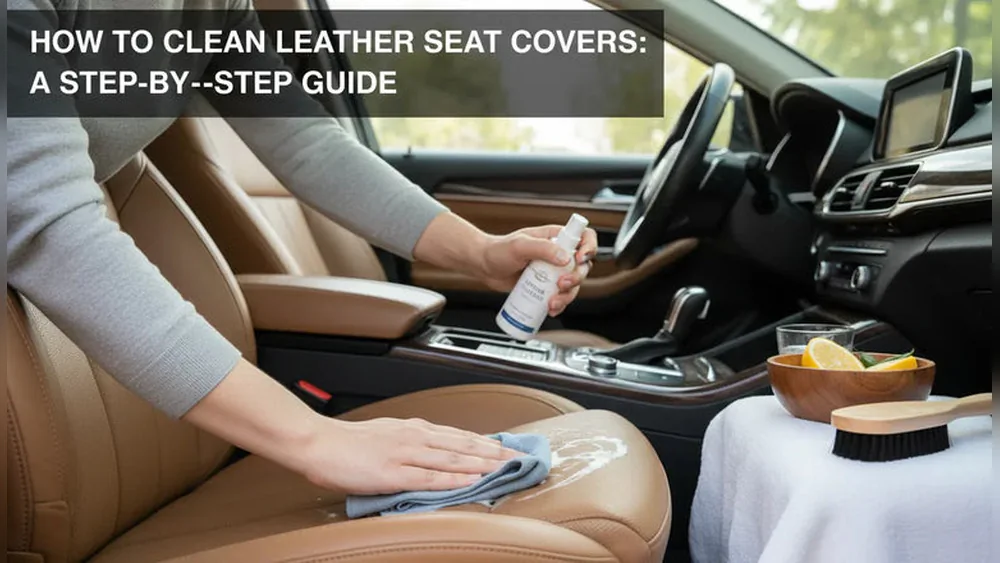
Spray a small amount of leather-specific cleaner onto a clean microfiber cloth. Never spray directly onto the seat.
- Wipe the seat using gentle, circular motions.
- Focus on areas where food or drinks touched the leather.
- For textured seats, use a soft-bristled brush to work the cleaner into grooves.
4. Remove Excess Cleaner
Use a separate, damp (not wet) microfiber cloth to wipe off any leftover cleaner. This step prevents build-up, which can make the leather sticky.
5. Dry The Leather
Take a dry microfiber towel and gently blot the seat. Ensure no moisture remains, especially in seams, to avoid mold.
6. Condition The Leather
Once the seat is completely dry, apply a leather conditioner. This restores moisture, keeps the leather soft, and adds a protective layer against future spills.
- Put a small amount of conditioner on a clean cloth.
- Rub it in gently, following the grain of the leather.
- Let it absorb for a few minutes, then buff off any extra with a dry cloth.
7. Air Out Your Car
Open the windows or doors for 15–20 minutes. Fresh air helps remove any remaining food smells.

Credit: www.autolaundry.com
Common Types Of Stains And How To Handle Them
Different foods and drinks require slightly different techniques. Here’s how to tackle the most common problems:
| Stain Type | Best Cleaning Method | Extra Tip |
|---|---|---|
| Grease/Oil | Blot with dry cloth, sprinkle cornstarch, vacuum after 10 min, clean with leather cleaner. | Condition seat after cleaning to restore moisture. |
| Soda/Juice | Blot immediately, wipe with damp cloth, clean with leather cleaner. | Use only distilled water to avoid mineral marks. |
| Ketchup/Sauce | Scoop up solids, blot, clean with leather cleaner. | Don’t let sauce dry—treat quickly. |
| Chocolate/Candy | Scrape off gently, blot, clean as above. | Wipe area with a damp cloth to remove sugar residue. |
| Coffee | Blot, clean with leather cleaner, dry thoroughly. | Condition after cleaning to prevent drying out. |
Comparison: Leather Vs. Fabric Car Seat Cleaning
Understanding the difference between cleaning leather and fabric seats helps avoid costly mistakes.
| Feature | Leather Seats | Fabric Seats |
|---|---|---|
| Absorption | Less absorbent but stains penetrate quickly if not treated | Highly absorbent, stains spread easily |
| Cleaning Products | Requires pH-balanced leather cleaner | Can use mild soap or upholstery cleaner |
| Drying Time | Dries quickly, but must avoid moisture in seams | Takes longer, risk of mildew if left damp |
| Conditioning | Essential to keep leather soft | Not required |
| Risk of Damage | High if harsh chemicals used | Lower, but color fading possible |
Mistakes To Avoid When Cleaning Leather Car Seats
Many car owners make simple errors that can damage leather seats over time. Be aware of these common mistakes:
- Using household cleaners or baby wipes – These often contain alcohol, bleach, or oils that dry out or discolor leather.
- Scrubbing too hard – Aggressive cleaning can scratch or wear down the protective surface.
- Skipping conditioner – Leather dries and cracks if not moisturized after cleaning.
- Leaving wet spots – Moisture left in seams or under cushions can cause mold or mildew.
- Ignoring small spills – Even tiny stains can set and become much harder to remove later.
Non-obvious insight: Even “natural” cleaners like vinegar can be too harsh for leather. Always choose products made specifically for automotive leather.
How Often Should You Clean Leather Car Seats?
Your cleaning frequency depends on how often you eat in your car and your local climate. As a general rule:
- Light use (rare snacks): Wipe down monthly, deep clean every 3–4 months.
- Frequent eating: Quick clean after every meal, deep clean monthly.
- Hot/humid climates: Condition seats more often (every 1–2 months) to prevent drying and cracking.
Pro tip: Regular, gentle cleaning is better than waiting for a big mess. Preventive care makes stains less likely and cleaning easier each time.
Extra Tips For Keeping Leather Car Seats Clean
- Use seat covers or mats during meals, especially with kids or pets.
- Keep cleaning supplies in your car: A small kit with microfiber cloths and travel-size leather cleaner.
- Set car rules: For example, only eat certain foods or avoid sticky drinks.
- Park in the shade or use sunshades—UV rays can fade and dry out leather, making stains worse.
- Regularly check for damage: Small cracks or worn spots should be repaired quickly to avoid bigger problems.
When To Seek Professional Help
Sometimes, at-home cleaning isn’t enough. If you notice deep stains, strong smells, color changes, or sticky residue after cleaning, it’s best to consult a professional detailer. They have specialized tools and products to restore your leather safely.
Professional cleaning is also recommended for luxury cars, vintage vehicles, or if you’re unsure about the right products to use.

Credit: www.amazon.com
Recommended Leather Cleaners And Conditioners
There are many products on the market, but not all are safe or effective. Look for these features when choosing a leather cleaner:
- PH-balanced for automotive leather
- No harsh chemicals (ammonia, bleach, alcohol)
- Includes conditioner or follow up with a separate conditioner
- Trusted brands: Lexol, Chemical Guys, Meguiar’s, or Armor All Leather Care
For more details and reviews of top-rated products, you can visit the Consumer Reports Car Interior Cleaners Guide.
Sample Cleaning Schedule For Busy Car Owners
Keeping up with maintenance is easier if you set a routine. Here’s a simple cleaning schedule:
| Time | Action |
|---|---|
| After Every Meal | Quick wipe, blot any spills, remove food debris |
| Weekly | Vacuum seats, check for stains, wipe with damp cloth |
| Monthly | Deep clean with leather cleaner, apply conditioner |
| Every 3–6 Months | Professional detail (optional) or full interior check |
Sticking to this schedule helps prevent permanent stains and keeps your leather soft and shiny.

Credit: www.amazon.com
Frequently Asked Questions
How Do I Remove A Greasy Stain From Leather Car Seats?
Blot the area with a dry cloth. Sprinkle a small amount of cornstarch or baking soda on the stain and let it sit for 10–15 minutes. Vacuum off the powder, then clean gently with a leather-specific cleaner. Finish with conditioner to keep the leather supple.
Can I Use Household Wipes Or Soap On Leather Seats?
No, most household wipes and soaps contain chemicals that can dry out or discolor leather. Always use a pH-balanced leather cleaner designed for car interiors.
What Should I Do If The Leather Smells After Cleaning?
If a smell lingers, air out your car with doors open for 15–20 minutes. For stubborn odors, use a leather-safe odor eliminator or consult a professional detailer. Avoid using air fresheners directly on the leather.
How Can I Prevent Stains When Eating In My Car?
Use seat covers or towels during meals, avoid messy or sticky foods, and clean up spills immediately. Keeping cleaning supplies in your car helps you react quickly.
How Often Should I Condition My Leather Seats?
Condition your seats every 1–3 months, depending on climate and usage. More frequent conditioning is needed in hot or dry areas to prevent cracking and fading.
Keeping your leather car seats clean after eating doesn’t have to be stressful. With a little preparation and the right techniques, you can protect your investment, keep your car smelling fresh, and enjoy every drive—snacks and all.
Related posts
 Why You Should Use a Foam Cannon for Car Washing: Ultimate Guide
Washing your car is more than just making it look good. It protects the paint, keeps the value high, and makes driving feel better. But if…
 How to Clean Leather Seats Without Damaging Them: Expert Tips
Keeping your leather seats clean can be a challenge. Leather looks beautiful and feels luxurious, but it needs special care. Many people worry about damaging their…
 Why Using a Ceramic Coating Spray is Important for Your Car’s Shine
If you care about your car’s appearance and value, you probably wash and wax it regularly. But did you know there’s a better way to protect…