
How to Clean And Protect Your Car’s Upholstery Like a Pro
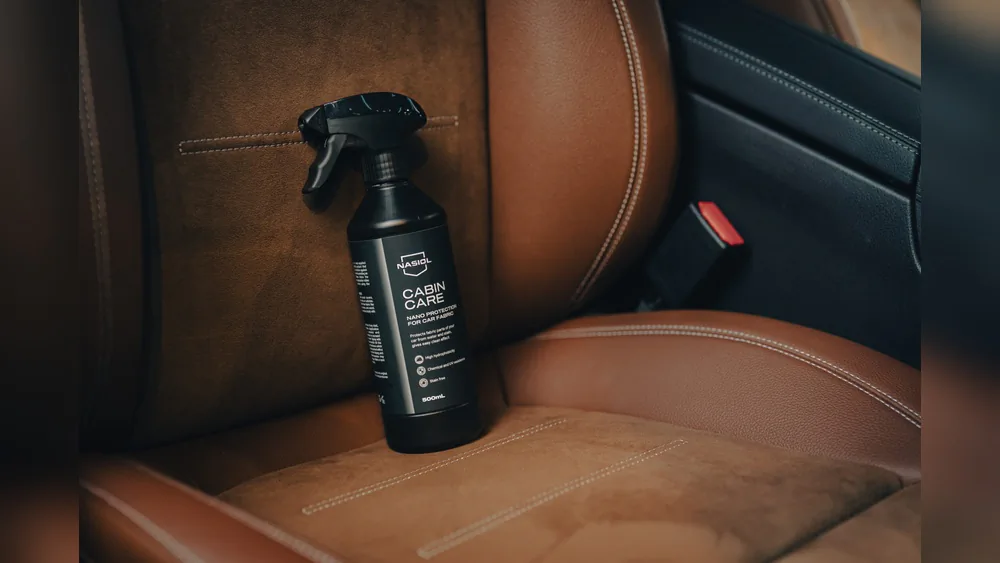
Keeping your car’s interior clean isn’t just about looks—it’s about comfort, health, and protecting your investment. The upholstery faces daily wear from food spills, dust, sweat, and sunlight. If ignored, stains set in, odors linger, and materials can crack or fade. Many car owners clean the outside of their car regularly but forget the inside. In reality, taking care of your upholstery is just as important as washing the paint. This guide will show you how to clean and protect your car’s upholstery, whether it’s fabric, leather, or vinyl, using easy steps and practical tips.
Understanding Car Upholstery Types
Not all car seats are the same. Each material needs special care. Here are the three main types you’ll find:
| Upholstery Type | Main Features | Common Challenges |
|---|---|---|
| Fabric/Cloth | Soft, breathable, affordable | Stains easily, absorbs odors |
| Leather | Luxurious, smooth, durable | Prone to cracking, needs conditioning |
| Vinyl | Water-resistant, easy to wipe | Can dry out, sticky in heat |
Fabric seats are comfortable but can soak up liquids and smells. Leather looks and feels premium but dries out and cracks if not moisturized. Vinyl is tough against water but can become brittle over time. Knowing your seat material helps you pick the right cleaners and protection methods.
Essential Tools And Products
Before you start cleaning, gather these must-have tools:
- Soft-bristled brush
- Microfiber towels (at least 3-4)
- Vacuum cleaner with crevice tool
- Upholstery cleaner (fabric, leather, or vinyl specific)
- Leather conditioner (for leather seats)
- Spray bottle with water
- Bucket
- Soft sponge
Choosing the right cleaning product is critical. Using a household cleaner on leather can cause peeling. Fabric cleaners should fight stains but not fade color. For vinyl, avoid harsh chemicals that strip oils. Always check the label for compatibility with your seat type.
Step-by-step Cleaning For Fabric Upholstery
Fabric seats need regular attention because they absorb everything—dust, sweat, and spills. Here’s how to clean them effectively:
- Vacuum thoroughly: Start by vacuuming all seats, paying special attention to seams and crevices. This removes loose dirt that could scratch the surface during scrubbing.
- Pre-treat stains: If you see any stains, spray a small amount of upholstery cleaner directly on them. Let it sit for 5-10 minutes.
- Scrub gently: Use a soft-bristled brush in a circular motion to lift dirt without damaging the fabric.
- Wipe with damp microfiber: Dip a microfiber towel in clean water, wring it out, and wipe down the seat to remove cleaner and loosened dirt.
- Dry properly: Blot the seat with a dry towel. If possible, open car doors or windows to speed up drying and prevent mildew.
Pro tip: Don’t soak the seats. Too much water can seep into the foam and cause mold.
Cleaning Leather Upholstery
Leather seats add a touch of luxury, but they need special care to stay soft and crack-free. Here’s the best method:
- Vacuum first: Dirt acts like sandpaper on leather. Vacuum seams and under cushions.
- Use a gentle cleaner: Apply a leather-specific cleaner to a microfiber cloth (never spray directly onto leather).
- Wipe down surfaces: Clean one small section at a time, using gentle, circular motions.
- Remove excess cleaner: Use a damp, clean towel to wipe away any cleaner left behind.
- Condition the leather: After cleaning, apply a thin layer of leather conditioner with a separate cloth. This keeps leather flexible and prevents cracks.
Leather should be conditioned every 3-6 months, depending on climate and usage. Hot, dry areas require more frequent conditioning.
Caring For Vinyl Upholstery
Vinyl is popular because it’s water-resistant and easy to clean, but it still needs care:
- Vacuum debris: Remove crumbs and dust before wiping.
- Wipe with mild soap solution: Mix a few drops of dish soap with warm water. Use a soft sponge to wipe down the seats.
- Rinse and dry: Wipe off soap with a clean, damp towel, then dry with a microfiber cloth.
- Apply vinyl protectant: Use a protectant designed for vinyl to help prevent cracking and fading.
Vinyl can get sticky in hot weather, so avoid heavy cleaners that make the problem worse.
Removing Tough Stains And Odors
Some stains and smells can be stubborn. Here’s how to handle them:
- Coffee or soda: Blot immediately with a dry towel, then clean as usual. For dried stains, use a fabric or leather cleaner.
- Grease and oil: Sprinkle baking soda on the stain, let sit for 10 minutes, then vacuum. Follow with a gentle cleaner.
- Pet odors: Mix equal parts white vinegar and water, spray lightly, and blot with a towel. Leave windows open to air out.
Non-obvious tip: For smoke smell, place a bowl of baking soda or activated charcoal in your car overnight. These absorb odors without masking them.
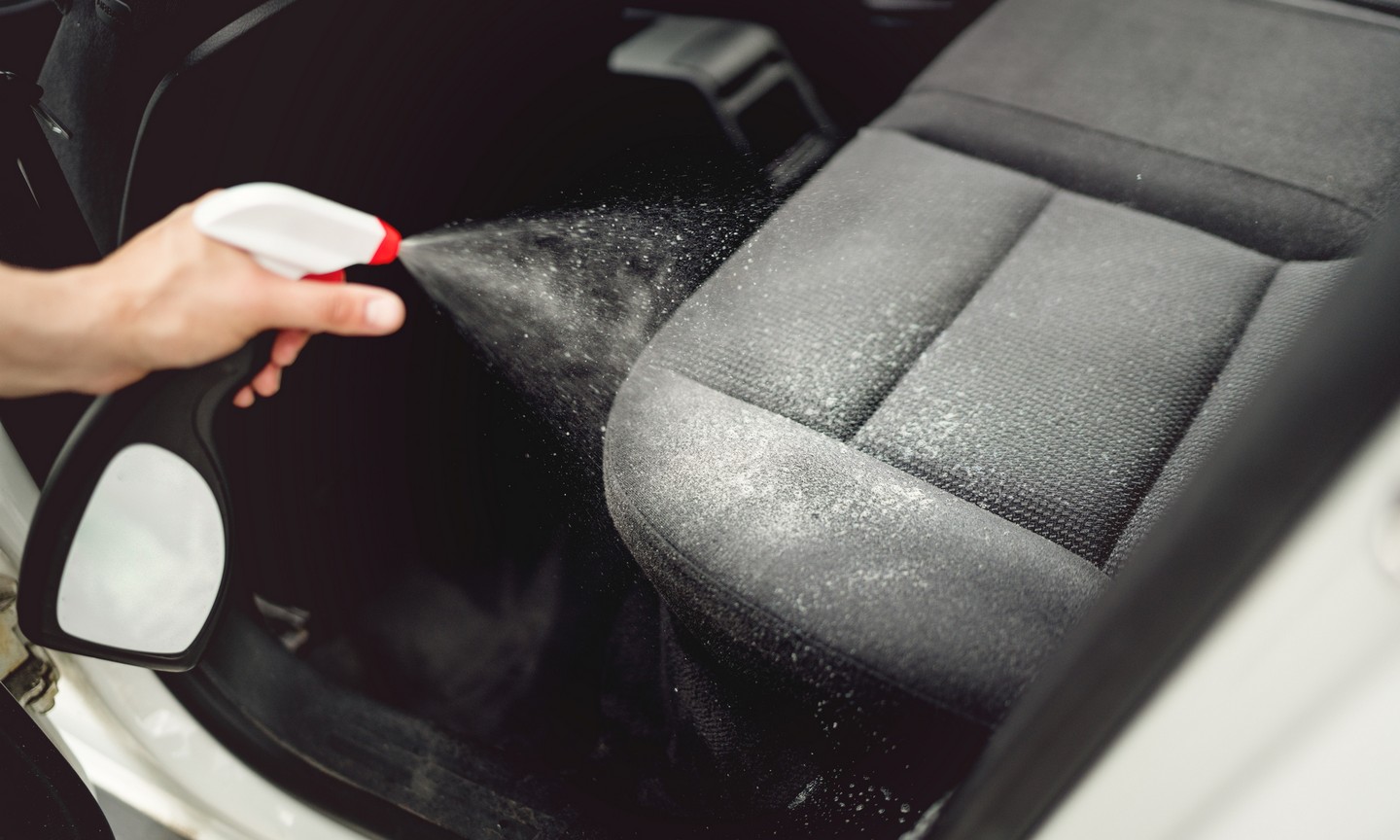
Credit: news.mercedesbenzsilverspring.net
Protecting Upholstery After Cleaning
Once your seats are clean, protection is key. Here are smart ways to keep them looking new:
| Protection Method | Best For | How Often |
|---|---|---|
| Fabric protector spray | Cloth/fabric seats | Every 3-6 months |
| Leather conditioner | Leather seats | Every 3-4 months |
| Vinyl UV protectant | Vinyl seats | Monthly |
| Seat covers | All types | As needed |
| Sunshade | All types | Every sunny day |
A fabric protector forms a barrier against spills, making cleanup easier. Leather conditioners keep leather soft and resist cracking. Vinyl UV protectants shield against sun damage. Using seat covers is a smart move if you have kids or pets, as they can be removed and washed easily.
Extra insight: Many people forget to protect seat seams and edges—these wear out faster, so pay special attention to them.
Common Mistakes To Avoid
Even with the best intentions, mistakes can happen. Here’s what to watch out for:
- Using household cleaners: Products like bleach or ammonia can ruin upholstery. Always use cleaners designed for car interiors.
- Skipping vacuuming: If you don’t vacuum first, you’ll rub dirt into the material and cause scratches.
- Over-wetting seats: Too much water leads to mold and bad smells.
- Not testing products: Always test a new cleaner on a hidden area to make sure it doesn’t discolor or damage the material.
- Neglecting regular care: Waiting until seats look dirty makes stains harder to remove and shortens upholstery life.
Advanced tip: For busy families, keep a small cleaning kit in your trunk—paper towels, upholstery wipes, and a mini spray bottle. Fast action prevents most stains from setting.
How Weather Affects Car Upholstery
Weather plays a big role in upholstery maintenance:
- Heat and sunlight: UV rays fade colors and dry out leather or vinyl. Park in the shade or use a sunshade when possible.
- Cold and humidity: Cold can make vinyl brittle, while humidity can cause mildew in fabric if seats get wet.
- Seasonal changes: In winter, salt and mud can stain seats. In summer, sweat and sunscreen can discolor leather.
If you live in an area with extreme weather, increase the frequency of cleaning and conditioning.
Professional Vs. Diy Cleaning
When should you handle cleaning yourself, and when should you call the pros? Here’s a quick comparison:
| Option | Cost | Best For | Downsides |
|---|---|---|---|
| DIY Cleaning | Low (just supplies) | Regular maintenance, minor stains | May miss deep stains, time-consuming |
| Professional Cleaning | High ($100-300 per session) | Deep stains, odors, annual deep clean | Expensive, need to schedule |
DIY works well for routine care. For deep stains, severe odors, or if you want a full interior reset, professional detailers have specialized tools like steam cleaners and extractors. Still, regular at-home cleaning prevents big problems and saves money.
For more on professional cleaning, you can visit Consumer Reports.

Credit: www.amazon.com
Long-term Upholstery Care Tips
- Vacuum weekly: This keeps dirt from grinding into seats.
- Clean up spills fast: The quicker you act, the less likely stains will set.
- Rotate seat covers: If you use covers, wash and switch them regularly.
- Condition leather: Don’t skip this step—dry leather cracks quickly.
- Use sun protection: Park in the shade, use a windshield sunshade, and crack windows to reduce heat buildup.
- Don’t eat in the car: Food spills are the main cause of stains and smells.
- Inspect seams and edges: Fix small tears before they get bigger.
Frequently Asked Questions
How Often Should I Clean My Car Upholstery?
For most cars, vacuum and wipe seats every two weeks and deep clean every 2-3 months. If you have kids or pets, increase frequency. Leather seats need conditioning every 3-6 months.
What’s The Best Way To Remove Pet Hair From Car Seats?
Use a vacuum with a pet hair attachment or a slightly dampened rubber glove. Run your hand over the seat; hair will stick to the glove and lift away easily.
Can I Use Household Cleaners On My Car Seats?
It’s not recommended. Many household products contain harsh chemicals that can damage upholstery or cause discoloration. Always use cleaners designed for automotive interiors.
How Do I Prevent My Seats From Fading?
Regularly use UV protectant sprays, park in shaded areas, and use a sunshade. Seat covers also help block sunlight and reduce fading.
What Should I Do If My Seats Get Soaked?
Immediately blot with dry towels and leave car doors open to air out. Use a wet/dry vacuum if possible. Avoid sitting on wet seats, as moisture can cause mold and odors.
Taking care of your car’s upholstery keeps your ride comfortable, healthy, and looking sharp. A few minutes each week can protect your investment for years to come.

Credit: blog.napacanada.com
Related posts
 Why You Should Use a Foam Cannon for Car Washing: Ultimate Guide
Washing your car is more than just making it look good. It protects the paint, keeps the value high, and makes driving feel better. But if…
 How to Clean Leather Seats Without Damaging Them: Expert Tips
Keeping your leather seats clean can be a challenge. Leather looks beautiful and feels luxurious, but it needs special care. Many people worry about damaging their…
 Why Using a Ceramic Coating Spray is Important for Your Car’s Shine
If you care about your car’s appearance and value, you probably wash and wax it regularly. But did you know there’s a better way to protect…