
Best Way to Clean and Maintain Your Car’s Paint Finish Safely
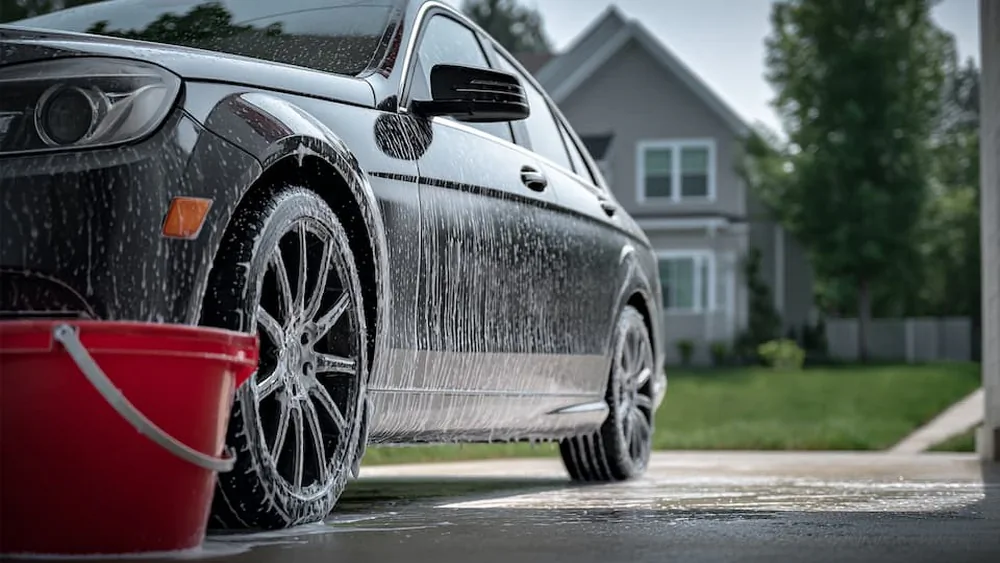
Keeping your car’s paint finish looking fresh is more than just about looks. A well-maintained paint job protects your car from rust, UV damage, and can even boost resale value. But with so much advice out there, it’s easy to feel lost.
Should you wash every week? What products should you use? Is waxing still important? This guide will show you the best way to clean and maintain your car’s paint finish—step by step, with real-world tips, clear examples, and practical advice that goes beyond the basics.
Understanding Your Car’s Paint Finish
Car paint is not just one layer. Most modern vehicles have three main layers:
- Primer – sticks to the metal and creates a base.
- Basecoat – gives the car its color.
- Clear coat – a tough, transparent layer that protects the color underneath.
The clear coat is usually what you touch and see. It’s about as thick as a human hair, so scratches and damage show up quickly. Simple mistakes—like using the wrong cloth or washing in the sun—can ruin the finish fast.
That’s why understanding how each layer works helps you care for your car better.
Essential Tools And Products
The right tools make a huge difference. Here’s what you need for safe and effective cleaning:
- Two buckets (one for soapy water, one for rinsing)
- Microfiber wash mitts (soft and gentle on paint)
- PH-neutral car shampoo (gentle, doesn’t strip wax)
- Grit guard (keeps dirt at the bottom of buckets)
- Drying towels (microfiber, large, and absorbent)
- Clay bar kit (removes stuck-on contaminants)
- Car polish (for removing minor scratches)
- Car wax or sealant (protects the finish)
- Detailing spray (for touch-ups)
- Soft brushes (for tight spots)
Many beginners skip the clay bar or buy cheap towels, but these steps and materials are key for a swirl-free finish.

Credit: cloud10smartwash.com
The Best Way To Wash Your Car
Washing is the foundation of paint care. But not all washing is equal.
Step 1: Wash In Shade
Heat can cause soap to dry on paint, leaving marks. Choose a cool, shaded spot.
Step 2: Rinse First
Use a hose to remove loose dirt. This step prevents scratching during washing.
Step 3: Two-bucket Method
Fill one bucket with soapy water, the other with clean water. Dip your mitt in soap, wash a section, then rinse in the clean bucket before getting more soap. This keeps dirt away from the paint.
Step 4: Use Microfiber Mitts
Microfiber traps dirt better than sponges, reducing scratches.
Step 5: Wash Top To Bottom
Start with the roof, then windows, then sides, and finally the dirtiest areas (wheels and lower panels). This avoids spreading grime.
Step 6: Rinse And Dry
Rinse thoroughly with clean water. Dry with a microfiber towel—never let the car air dry, as this can leave water spots.
Non-obvious tip: Always use separate mitts for wheels and paintwork. Brake dust is rough and can cause fine scratches if mixed with your main wash mitt.
Decontamination: Going Beyond Washing
Even after washing, your paint can have invisible contaminants like tree sap, road tar, or industrial fallout. These stick to the clear coat and make the surface feel rough.
Clay Bar Treatment
A clay bar pulls out these tiny particles. Lubricate the paint with clay bar spray, glide the clay gently over the surface, and you’ll feel the difference. Do this every 3–6 months, especially before waxing.
Example: Run your fingers over the hood after washing. If it feels bumpy, a clay bar treatment is needed.

Credit: www.genesisofschaumburg.com
Polishing: Restoring Gloss And Removing Defects
Polishing removes minor swirls, water spots, and light scratches. You can polish by hand or with a machine polisher.
- By hand: Use a foam applicator and gentle polish.
- By machine: Orbital polishers work faster and give better results but require care.
Polishing should not be done too often—once or twice a year is enough for most cars.
Insight: Many people confuse polishing with waxing. Polishing removes defects, while waxing protects the surface.
Protecting The Paint: Wax Vs. Sealant Vs. Ceramic Coating
Protection is what keeps your hard work lasting. Here’s how the main options compare:
| Protection Type | Durability | Gloss | Ease of Use |
|---|---|---|---|
| Wax | 1–3 months | Deep, warm shine | Easy |
| Sealant | 4–6 months | Brighter, synthetic look | Easy–Moderate |
| Ceramic coating | 1–3 years | High gloss, very slick | Hard (DIY or pro) |
- Carnauba wax gives a classic, warm shine but needs frequent reapplication.
- Synthetic sealants last longer and are easier for beginners.
- Ceramic coatings offer the best protection and water repellency but can be tricky to apply.
Pro tip: For daily drivers, a sealant with a spray wax topper gives a great balance of shine and durability.
Routine Maintenance For Lasting Shine
Regular care is the secret to a paint finish that turns heads for years.
Weekly/monthly Tasks
- Quick washes: Remove fresh dirt before it bonds to the paint.
- Detailing spray: Use between washes for dust and fingerprints.
- Inspect for bird droppings or sap: Remove immediately, as these can damage clear coat in hours.
Every 3–6 Months
- Clay bar treatment: Removes bonded contaminants.
- Polish and wax/sealant: Restore gloss and protection.
Annual Tasks
- Full detail: Deep clean, polish, and apply long-term protection like ceramic coating if desired.
Non-obvious insight: Don’t use household products (like dish soap) for washing, as they strip away protective wax and dry out the paint.
Common Mistakes To Avoid
Even careful owners can make simple errors that ruin a paint finish. Here are the most frequent ones:
- Using old, dirty towels – Even small grit can scratch the surface.
- Washing under direct sun – Leads to water spots and streaks.
- Neglecting the undercarriage – Salt and grime here can rust panels from below.
- Skipping protection – No wax or sealant means the clear coat wears down quickly.
- Ignoring small chips – These can grow and allow rust.
How Weather Affects Paint Care
Climate plays a big role in how you maintain your car.
| Weather | Paint Threat | Extra Steps |
|---|---|---|
| Hot, sunny | Fading, oxidation | Use UV-protectant wax, park in shade |
| Snow/salt | Rust, corrosion | Wash more often, focus on undercarriage |
| Rainy/humid | Water spots, mold | Dry thoroughly, wax for water beading |
Example: In coastal areas, salt in the air can be as damaging as road salt in winter. Frequent rinsing helps prevent damage.
Quick Comparison: Diy Vs. Professional Detailing
Should you do it all yourself or hire a pro? Here’s a quick look:
| Aspect | DIY | Professional |
|---|---|---|
| Cost | Low–Medium | High |
| Results | Good (with care) | Excellent |
| Time Needed | 1–3 hours | Drop-off, pick-up |
| Product Knowledge | Essential | Handled by pro |
If you’re new, start with basic DIY washes and waxes. For deep scratches or ceramic coatings, a pro is worth the investment.

Credit: www.autozone.com
The Role Of Good Habits
It’s not just about products—it’s about habits. Here are a few that make a big difference:
- Rinse off bird droppings, tree sap, or bugs immediately.
- Avoid automatic car washes with brushes. They create swirls.
- Use clean, dedicated towels for each part of the car.
- Park in covered areas whenever possible.
Example: One drop of tree sap left for a week can eat through clear coat. Quick action can save hundreds in repairs.
Products To Avoid
Not every “car care” product is safe for your paint. Watch out for:
- Abrasive polishes not labeled as safe for clear coats.
- Any cleaner with ammonia or harsh chemicals.
- Old-fashioned chamois leathers—they can drag grit and scratch.
- Colored waxes that promise to “fix” deep scratches. They only hide problems temporarily.
For reliable info about safe products, check resources like the Consumer Reports car wax buying guide.
Frequently Asked Questions
How Often Should I Wax My Car?
For most cars, waxing every 3–4 months is ideal. If you use a spray wax after each wash, you can go longer between full waxes. If your car sits outside all day, consider waxing more often.
What Is The Safest Way To Dry My Car After Washing?
Use a large, clean microfiber towel and pat dry gently. Never air dry or use a bathroom towel—this can leave scratches or lint.
Can I Use Dish Soap To Wash My Car?
No, dish soap is too harsh. It removes wax and dries out your paint. Always use a pH-neutral car shampoo made for auto paint.
How Do I Remove Water Spots?
Quickly buff with a detailing spray and microfiber towel. For stubborn spots, use a dedicated water spot remover or a light polish. Prevention is best: dry your car thoroughly after every wash.
Is It Worth Paying For Professional Ceramic Coating?
If you want maximum protection and are willing to invest, yes. Professionals apply it evenly and prep the surface for best results. For most daily drivers, a sealant is usually enough, but ceramic coatings make cleaning easier and last longer.
Keeping your car’s paint looking its best isn’t just for show—it’s an investment in your vehicle’s future. With the right products, habits, and a bit of know-how, you can keep your car shining and protected for years to come. Regular care doesn’t have to be complicated, but it does require attention to detail and a willingness to avoid shortcuts.
Your car—and its resale value—will thank you for it.
Related posts
 Why You Should Use a Foam Cannon for Car Washing: Ultimate Guide
Washing your car is more than just making it look good. It protects the paint, keeps the value high, and makes driving feel better. But if…
 How to Clean Leather Seats Without Damaging Them: Expert Tips
Keeping your leather seats clean can be a challenge. Leather looks beautiful and feels luxurious, but it needs special care. Many people worry about damaging their…
 Why Using a Ceramic Coating Spray is Important for Your Car’s Shine
If you care about your car’s appearance and value, you probably wash and wax it regularly. But did you know there’s a better way to protect…