
How to Clean Your Car’s Windows and Mirrors Without Streaks: Expert Tips
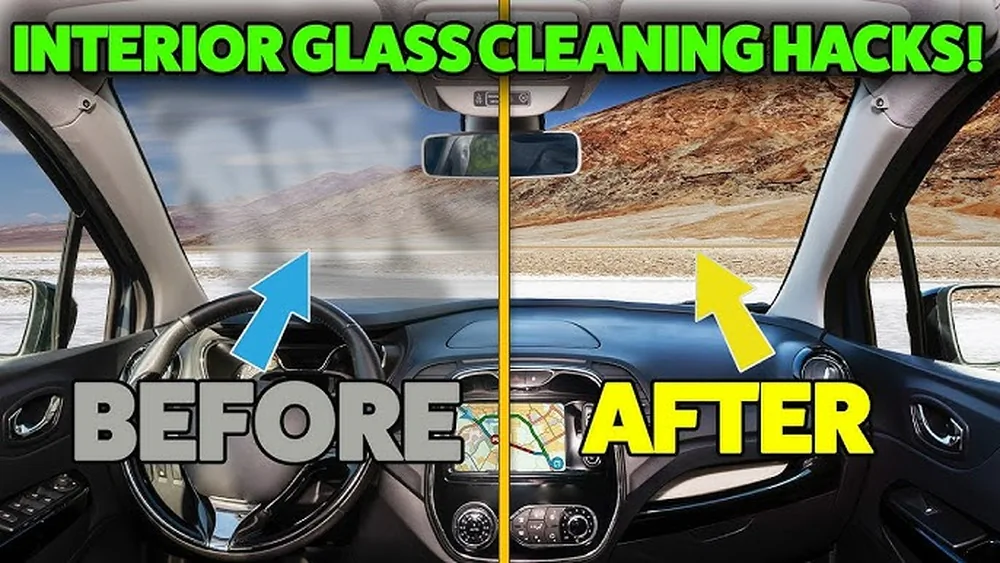
Keeping your car’s windows and mirrors crystal clear isn’t just about looks—it’s also about safety. Streaks, smudges, and water spots can make it hard to see, especially when sunlight or headlights hit the glass. But cleaning car glass without leaving streaks is tougher than it seems.
Most people wipe and wipe, only to find new marks once the glass dries. If you’re tired of fighting with foggy side mirrors or windshield haze, you’re in the right place. With the right products, techniques, and a few expert tips, you can get spotless results every time.
Why Streak-free Windows And Mirrors Matter
Driving with dirty or streaky glass is dangerous. Glare from the sun or oncoming cars can make streaks even worse, reducing your reaction time. A study by the National Highway Traffic Safety Administration found that poor visibility is a factor in over 46,000 car crashes every year. Clean windows also help your car look newer and can improve resale value.
But not all cleaning is equal. Using the wrong method can make things worse, pushing dirt around or creating new smears. Some cleaners leave behind residue that attracts even more dust. That’s why knowing how to clean your car’s windows and mirrors without streaks is essential for both safety and style.
Essential Tools And Products For Streak-free Cleaning
Before you start, gather the right supplies. Using household paper towels or the wrong cleaner can set you up for failure. Here’s what you’ll need for best results:
| Tool/Product | Why It Matters | Common Mistake |
|---|---|---|
| **Microfiber towels** | Trap dirt and don’t scratch glass | Using paper towels, which leave lint |
| **Glass cleaner (ammonia-free)** | Removes grease without streaks | Using household cleaners with ammonia |
| **Distilled water** | Prevents water spots | Using tap water, which can leave minerals |
| **Spray bottle** | Even application of cleaner | Pouring cleaner directly on the glass |
| **Cotton swabs or soft brush** | Reaches corners and edges | Ignoring window edges |
Non-obvious insight: Many people use glass cleaner with ammonia, but it can damage window tint and leave streaks, especially in warm weather. Always check your cleaner’s label.
Preparing Your Car For Glass Cleaning
A common mistake is jumping straight into cleaning the glass. Dirt and dust on the rest of the car can blow onto your windows as you clean. Here’s how to prepare:
- Wash your car first. Dirt from the body can splash onto your windows.
- Park in the shade. Sun can dry cleaner too fast, causing streaks.
- Lower windows slightly. This exposes the top edge, which collects grime.
- Clean the wipers. Dirty wipers can re-smear your windshield right after you clean.
Wiping glass when it’s hot or in direct sunlight is a major cause of streaks. If you must clean in the sun, work one window at a time.
Step-by-step: How To Clean Car Windows Without Streaks
Following the right order and technique makes all the difference. Here’s a simple, effective method:
1. Dust Off The Glass
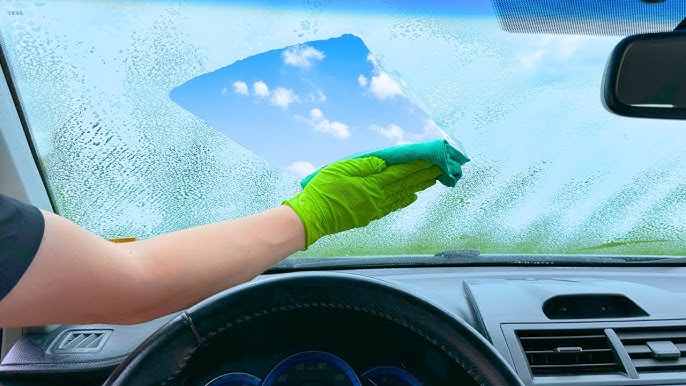
Use a dry microfiber towel to remove loose dust and grit. This prevents scratches and streaks. For corners, use a cotton swab.
2. Spray Cleaner On The Towel, Not The Glass
Spraying cleaner directly on the window can cause drips and overspray. Instead, mist the towel. This gives you more control and prevents excess cleaner from running into window seals.
3. Wipe In Two Directions
Wipe the outside of the glass vertically and the inside horizontally (or vice versa). This makes it easy to spot which side any missed streak is on.
4. Buff With A Dry Towel
Take a fresh, dry microfiber towel and buff the glass. This step removes any leftover cleaner and brings out a streak-free shine.
5. Clean The Edges And Corners
Dirt often hides in the edges. Use a cotton swab or a soft brush to clean these tricky spots. Don’t forget to clean the top edge of the window by rolling it down a bit.
Pro tip: For stubborn spots like water stains or bug residue, use a little vinegar mixed with distilled water (50/50) on a towel, then rinse with glass cleaner.
Cleaning Interior Vs. Exterior Glass
Both sides of your windows matter, but each can have different types of dirt.
| Glass Side | Common Contaminants | Best Practice |
|---|---|---|
| Interior | Film from plastic, smoke, fingerprints | Use microfiber, avoid harsh chemicals |
| Exterior | Road grime, bugs, water spots | Pre-clean with water, use vinegar for spots |
Non-obvious insight: Interior film often comes from off-gassing of plastic inside your car, not just outside dirt. If you smoke or use air fresheners, clean inside glass more often.
How To Clean Car Mirrors Without Streaks
Side and rearview mirrors are small but vital for safety. They get dirty fast and can easily streak if cleaned the wrong way.
- Rinse first: If your mirrors are muddy, rinse with water to avoid scratching.
- Spray cleaner on towel: Never spray directly on the mirror—overspray can reach paint.
- Wipe in a circular motion: This helps avoid streaks, especially on curved glass.
- Buff dry: Always finish with a dry towel for a clear reflection.
Expert tip: For a fog-resistant finish, you can wipe mirrors with a little shaving cream or anti-fog spray, then buff dry.
Common Mistakes That Cause Streaks
Even with the right products, some habits can sabotage your efforts. Watch out for these:
- Using dirty towels: Old towels can redeposit grease or lint.
- Skipping the buffing step: The final dry buff is key to removing hidden streaks.
- Cleaning in direct sunlight: Cleaner dries too fast, leaving residue.
- Overusing product: Too much cleaner can make streaks worse.
- Ignoring the edges: Dirt collects here and can smear later.
Best Glass Cleaners For Cars: What To Choose
There are many cleaners on the market, but not all are created equal. Here’s a quick comparison of popular types:
| Type | Pros | Cons |
|---|---|---|
| Commercial automotive glass cleaners | Formulated for cars, usually streak-free | More expensive |
| Vinegar and distilled water (DIY) | Cheap, effective on light spots | Not for heavy grime or tinted windows |
| Ammonia-based cleaners | Strong, cuts grease well | Can damage tints and leave streaks |
Pro tip: If your car has aftermarket window tint, always use an ammonia-free cleaner to avoid damage.
Credit: www.youtube.com
Advanced Tips For A Showroom Shine
Want your glass to look even better? Try these:
- Clay bar treatment: After cleaning, gently rub a clay bar over exterior glass for a super-smooth finish. This removes microscopic dirt that causes streaks.
- Newspaper for finishing: Some detailers swear by a final buff with crumpled newspaper. It’s slightly abrasive and can help polish the glass.
- Rain repellent: Applying products like Rain-X to outside windows helps water bead off, reducing streaks during rain.
Important: Never use abrasive pads or rough sponges—they can scratch glass and mirrors.
How Often Should You Clean Car Windows And Mirrors?
Frequency depends on your driving conditions. If you drive in dusty, wet, or urban areas, clean at least once a week. For most people, every two weeks is enough for a streak-free look. If you smoke in your car or park under trees, clean more often to avoid stubborn film.

Credit: www.amazon.com
Eco-friendly And Safe Cleaning Options
If you want to avoid chemicals, you can use a mix of vinegar and distilled water (equal parts) in a spray bottle. For tough jobs, baking soda can help remove bugs from exterior glass—but rinse well. Always avoid ammonia on tinted windows.
Microfiber towels can be washed and reused, reducing waste. Just avoid fabric softener, which leaves residue that causes streaks.
For more on glass cleaning science, see this Consumer Reports guide.
Troubleshooting Stubborn Problems
If you still see streaks or haze after cleaning:
- Check your towels: They may be dirty or contain detergent residue.
- Try a different cleaner: Not all glass responds the same way.
- Inspect for scratches: Streaks sometimes highlight minor scratches.
- Replace wiper blades: Old blades can leave rubber residue on glass.
If you notice fogging inside your windows often, check for leaks or moisture buildup under your car mats.

Credit: www.amazon.com
Frequently Asked Questions
How Can I Stop My Windows From Fogging Up?
To reduce fogging, keep your windows clean inside and out, as dirt attracts moisture. Use the car’s defrost setting, and try wiping windows with a little shaving cream or anti-fog spray for extra protection.
Can I Use Household Glass Cleaner On My Car’s Windows?
Avoid household cleaners with ammonia, especially on tinted windows. Ammonia can damage tint and leave streaks. Use automotive glass cleaner or a vinegar-distilled water mix instead.
What’s The Best Towel For Cleaning Car Glass?
Microfiber towels are best because they trap dirt and are lint-free. Avoid paper towels and old T-shirts, which can leave fibers and cause streaks.
Why Do My Windows Still Streak After Cleaning?
Common reasons include using too much cleaner, dirty towels, cleaning in sunlight, or skipping the final dry buff. Make sure to use clean, dry microfiber towels and finish with a dry buff.
Is There A Quick Way To Clean Windows If I’m In A Hurry?
Yes! Keep a spray bottle of distilled water and a clean microfiber towel in your car. Wipe the glass, buff dry, and handle stubborn spots when you have more time.
Keeping your car’s windows and mirrors streak-free takes a bit of effort, but the results are worth it. With the right tools, products, and technique, you’ll enjoy safer driving and a car that looks its best, inside and out.
Related posts
 Why You Should Use a Foam Cannon for Car Washing: Ultimate Guide
Washing your car is more than just making it look good. It protects the paint, keeps the value high, and makes driving feel better. But if…
 How to Clean Leather Seats Without Damaging Them: Expert Tips
Keeping your leather seats clean can be a challenge. Leather looks beautiful and feels luxurious, but it needs special care. Many people worry about damaging their…
 Why Using a Ceramic Coating Spray is Important for Your Car’s Shine
If you care about your car’s appearance and value, you probably wash and wax it regularly. But did you know there’s a better way to protect…