
How to Use a Car Polish for Scratch Removal: Expert Tips
If you’ve ever noticed fine scratches or dull spots on your car’s paint, you’re not alone. Everyday driving exposes cars to small abrasions from dust, sand, and even improper washing. These tiny marks can make a car look older than it is. Luckily, using a car polish for scratch removal is a practical way to restore your vehicle’s shine without professional help. But before you grab a bottle from the shelf, it’s important to understand how car polish works, how to use it safely, and what results you can expect.
What Is Car Polish And How Does It Remove Scratches?
Car polish is a chemical product designed to smooth the surface of automotive paint. Unlike wax, which mainly adds shine and protection, polish uses mild abrasives to remove a thin layer of clear coat. This process levels out light scratches and swirl marks, making them less visible or even invisible.
It’s important to note that car polish is not a filler—it doesn’t hide scratches, it actually removes a tiny layer of paint. For this reason, polish works best on surface scratches that haven’t cut through the clear coat. If you can catch your fingernail in the scratch, it’s probably too deep for polish alone.
Types Of Scratches: Can Polish Fix Them?
Before you start, check what kind of scratch you have. Not all scratches can be fixed with car polish. Here’s a simple guide to help you identify them:
| Scratch Type | How It Looks | Can Polish Remove It? |
|---|---|---|
| Clear Coat Scratch | Shallow, no color change | Yes, usually |
| Paint Scratch | Deeper, may show color base | Maybe, if not too deep |
| Primer/Metal Scratch | Very deep, shows primer or metal | No, needs professional repair |
Tip: Run your fingernail gently over the scratch. If it catches, the scratch may be too deep for regular polish.
Choosing The Right Car Polish
Not all polishes are the same. Some are more aggressive and better for tough scratches; others are gentle and suitable for light swirls. Here’s what you should consider:
Abrasive Level
- Mild polish: Good for light swirls and minor scratches; safe for most users.
- Medium polish: Removes slightly deeper scratches but needs more care.
- Heavy-cut compound: For tough scratches, but may remove more clear coat than needed.
Polish Type
| Type | Main Use | Skill Needed |
|---|---|---|
| Liquid polish | General scratch removal | Beginner to advanced |
| Paste polish | Spot treatment, deeper scratches | Intermediate |
| All-in-one | Quick fixes, adds protection | Beginner |
Other Factors
- Brand reputation: Stick to well-known brands to avoid poor results.
- Ease of use: Some polishes work better by hand, others need a machine polisher.
- Price: Cheaper polishes often contain more fillers, not real abrasives.
Non-obvious insight: Many beginners think more abrasive polish means better results. In reality, starting with the least abrasive option is best. You can always use something stronger if needed, but you can’t add clear coat back once it’s gone.
Preparing Your Car For Polishing
Preparation is key. If you polish a dirty car, you can actually cause more scratches. Here’s how to get your car ready:
- Wash thoroughly: Use a good car shampoo and a soft sponge. Rinse well.
- Dry completely: Water spots can interfere with polishing.
- Remove surface contaminants: Use a clay bar if the paint feels rough. This step removes stuck-on dirt and ensures smooth polishing.
- Tape off sensitive areas: Cover trim, rubber seals, and plastic parts with painter’s tape. Polish can stain or damage these materials.
Expert tip: Always work in the shade and make sure the car’s surface is cool. Polishing in direct sun can cause the product to dry too quickly and leave marks.
Step-by-step: How To Use Car Polish For Scratch Removal
Now that you’re ready, it’s time to start polishing. Follow these steps for safe and effective scratch removal.
1. Choose Your Tools
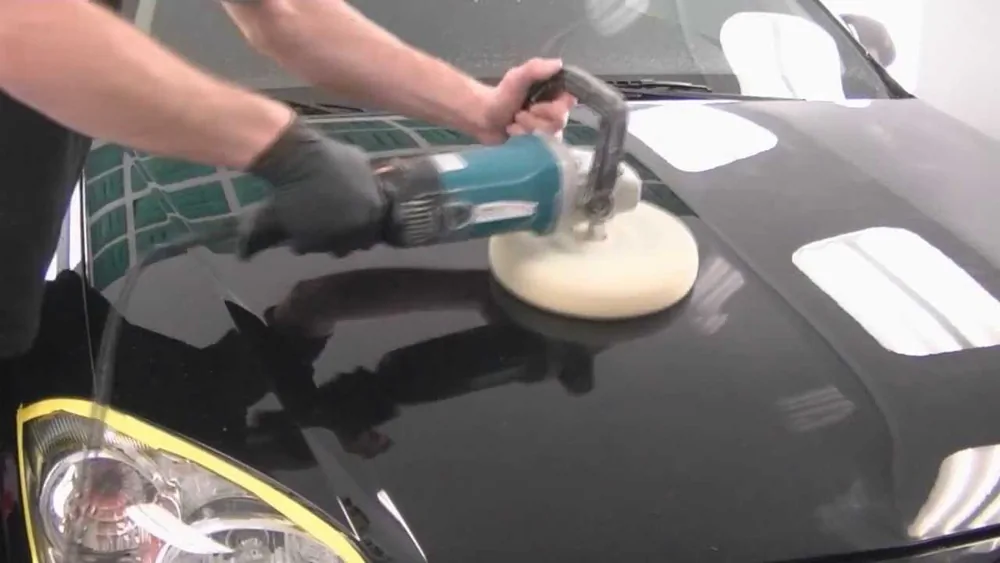
You can polish by hand or with a machine.
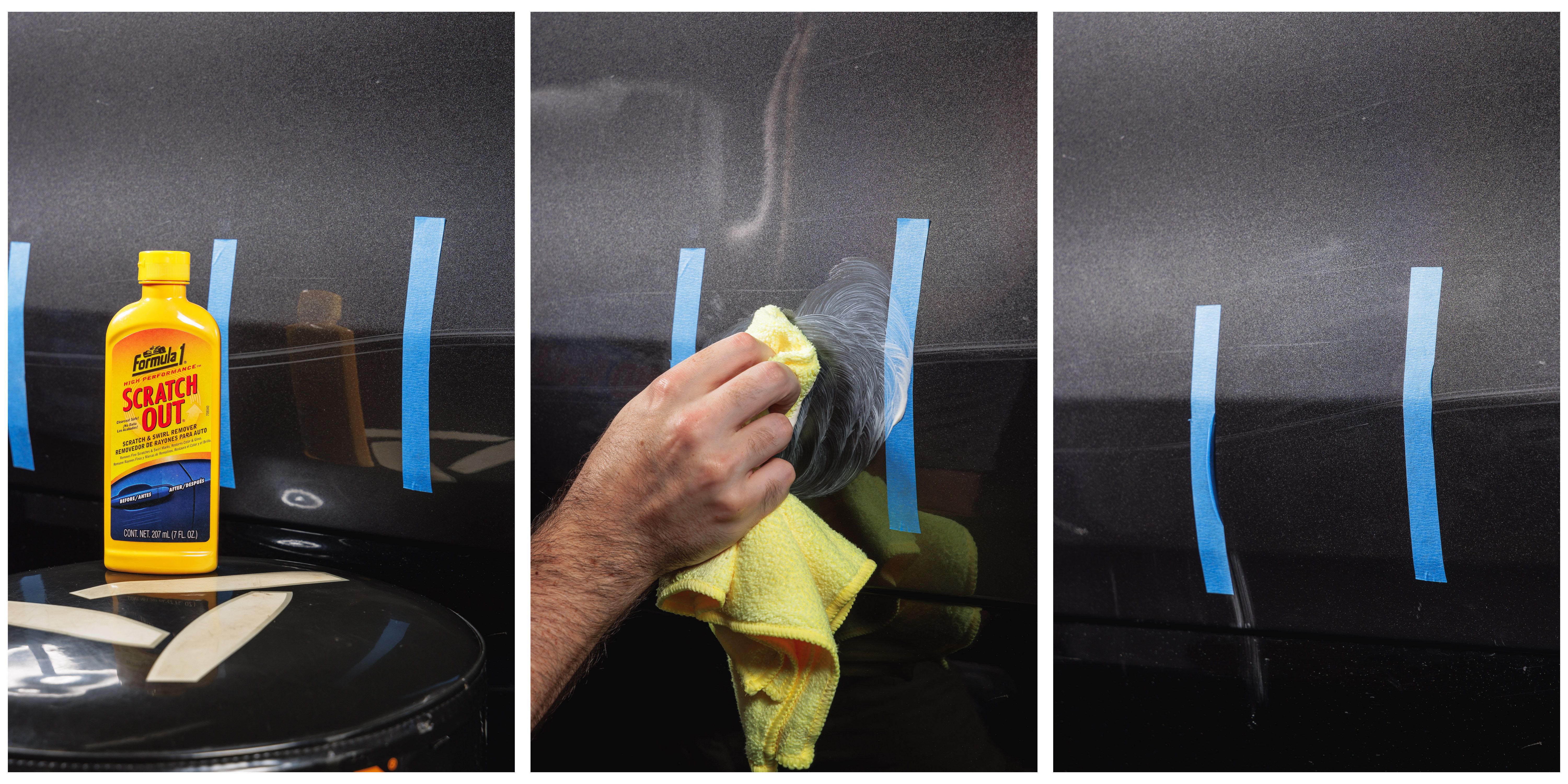
- Hand polishing: Slower, but safer for beginners and small areas. Use a microfiber or foam applicator pad.
- Machine polishing: Faster, especially for large areas. Use a dual-action polisher for best safety and results.
2. Apply A Small Amount Of Polish
- Put a small blob (about the size of a dime) on your pad.
- Less is more—using too much polish can cause streaks.
3. Work In Small Sections
- Divide the panel into 2×2 foot sections.
- Focus on one area at a time to keep control.
4. Polish In Overlapping Motions
- Use light to medium pressure.
- Move in straight lines or small circles.
- Overlap each pass for even coverage.
5. Check Your Work
- Wipe off polish with a clean microfiber towel.
- Inspect the area in good light.
- If the scratch is still visible, repeat the process once or twice.
6. Finish The Job
- Once satisfied, buff the area with a clean towel.
- Apply wax or sealant afterward to protect the newly-polished paint.
Practical tip: Don’t rush. Going too quickly or using too much pressure can leave swirl marks or burn through the paint.
Comparing Hand Vs Machine Polishing
Both methods have benefits and drawbacks. Here’s a quick comparison:
| Method | Best For | Pros | Cons |
|---|---|---|---|
| Hand Polishing | Small areas, beginners | Safe, low cost, less risk of damage | Slower, more tiring, less effective on heavy scratches |
| Machine Polishing | Large areas, experienced users | Fast, more consistent, handles deeper defects | Expensive, risk of paint damage if used wrong |

Credit: www.youtube.com
Common Mistakes To Avoid
Many people make simple errors that can ruin the results. Watch out for these:
- Skipping cleaning steps: Dirt left on the car will cause more scratches during polishing.
- Using too much product: Excess polish can clog pads and leave residue.
- Polishing too often: Every time you polish, you remove a bit of clear coat. Don’t overdo it.
- Ignoring aftercare: Always protect polished surfaces with wax or sealant.
- Not testing in a small area first: Try on an inconspicuous spot to check results.
Non-obvious insight: Some scratches appear worse after polishing because polish can remove wax fillers that were hiding them. Don’t panic—keep working gently, and protect the area after you’re done.
Aftercare: Protecting Your Results
Polishing removes scratches but also strips away any wax or sealant. Unprotected paint can get damaged again quickly. Here’s how to keep your paint looking its best:
- Apply a quality wax or sealant right after polishing. This protects against UV rays, water, and dirt.
- Wash the car with gentle soap and soft tools. Avoid automatic car washes with brushes, as they can create new scratches.
- Reapply wax every 2-3 months or as needed, depending on your climate.
Pro tip: Avoid parking under trees or near construction sites, as falling sap, dust, or debris can quickly damage polished paint.
Credit: www.caranddriver.com
How Often Should You Polish Your Car?
Most experts recommend polishing once or twice a year at most. Every time you polish, you remove a very thin layer of clear coat. Over-polishing can thin the paint and even cause damage.
If you see new scratches, try using a less abrasive cleaner or a paint-safe scratch remover before reaching for polish again. Save full polishing for bigger paint correction jobs.
When To Seek Professional Help
While car polish works wonders on light scratches and swirls, some damage is beyond what DIY methods can fix. If you notice:
- Deep scratches you can feel with your fingernail
- Paint missing down to the metal or primer
- Large areas of dull or peeling clear coat
It’s best to visit a professional detailer or body shop. They have advanced tools and can match paint perfectly. Trying to fix these at home can make things worse and cost more in the long run.
For advanced guides and more details, the Autogeek forum is an excellent resource for car care enthusiasts.

Credit: www.feldmanchevyoflansing.com
Frequently Asked Questions
Can I Use Car Polish On All Paint Colors?
Yes, car polish is safe for all modern paint colors and finishes. However, darker colors may show swirls more easily, so use extra care and a soft pad.
Is Car Polish The Same As Car Wax?
No, car polish removes small scratches and evens out the surface, while car wax adds a protective, shiny layer but doesn’t remove scratches.
How Long Does It Take To Polish Out Scratches?
Hand polishing a small scratch may take 10-20 minutes. Larger areas or deeper marks can take longer, especially if you use a machine. Always work slowly for best results.
Can Polish Remove All Types Of Scratches?
No, car polish only works on surface-level scratches in the clear coat. Deeper scratches that reach the paint or metal need professional repair.
What Should I Do If The Scratch Returns After Polishing?
If a scratch reappears, it may be too deep for polish, or it could be a stain. Try a more abrasive polish carefully, or ask a professional for advice before repeating the process.
Car polish is a powerful tool for keeping your car looking its best. With a bit of patience and the right approach, you can erase years of wear in just a few hours. Remember, always start gentle, protect your work, and know when to ask for help.
Your car—and your wallet—will thank you.
Related posts
 Why You Should Use a Foam Cannon for Car Washing: Ultimate Guide
Washing your car is more than just making it look good. It protects the paint, keeps the value high, and makes driving feel better. But if…
 How to Clean Leather Seats Without Damaging Them: Expert Tips
Keeping your leather seats clean can be a challenge. Leather looks beautiful and feels luxurious, but it needs special care. Many people worry about damaging their…
 Why Using a Ceramic Coating Spray is Important for Your Car’s Shine
If you care about your car’s appearance and value, you probably wash and wax it regularly. But did you know there’s a better way to protect…