
Best Way to Apply Tire Dressing for a Glossy Look: Expert Tips
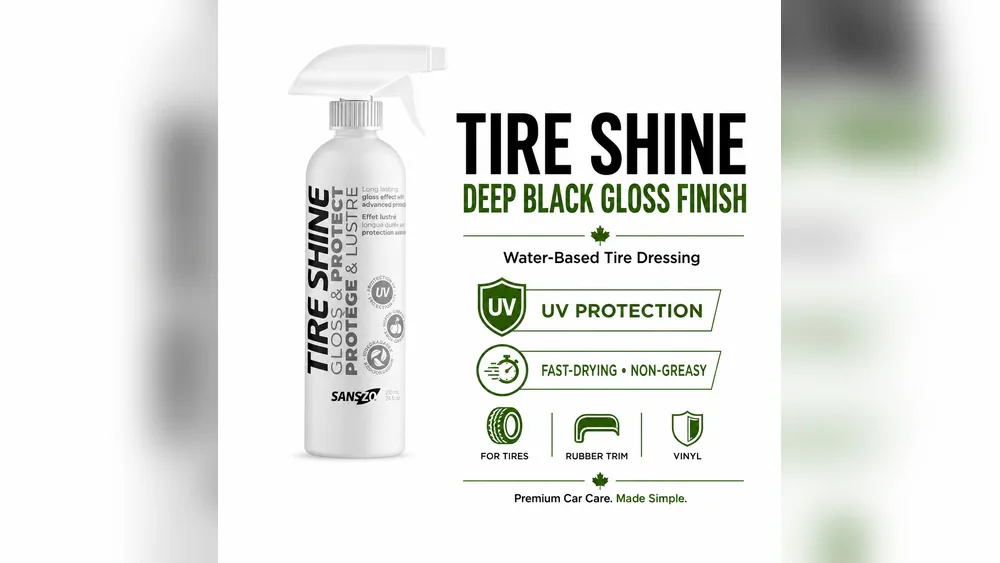
A glossy tire can make any car look new, clean, and well cared for. When you see a vehicle with shiny, deep black tires, you notice it immediately. But getting that perfect glossy look is not as simple as spraying on some tire dressing and walking away.
Many people struggle with streaks, sling (when dressing sprays onto the car), or a finish that fades quickly. The good news is—there’s a best way to apply tire dressing for a long-lasting, glossy shine. Let’s explore how to do it right, step by step, and see what products, tools, and techniques work best.
Why Tire Dressing Matters
Tire dressing is more than just a cosmetic product. It serves several important roles:
- Protects rubber from UV rays and cracking
- Repels water and dirt
- Improves appearance by making tires look deep black and glossy
A car’s tires are exposed to sun, rain, dirt, and chemicals every day. Without protection, tires can fade, crack, and dry out. Using tire dressing helps keep them looking good and lasting longer.
Types Of Tire Dressings
There are many tire dressings available, but not all give the same results. Understanding the differences helps you choose the right one for a glossy look.
Water-based Vs. Solvent-based
Water-based dressings are made with water and silicone. They produce a natural, satin finish and are safer for the environment and your tires. Solvent-based dressings use petroleum solvents and silicone. They deliver a high-gloss shine but can dry out tires over time.
| Type | Gloss Level | Durability | Safety |
|---|---|---|---|
| Water-Based | Medium | Moderate | Safe for tires |
| Solvent-Based | High | High | Can damage tires |
Gel Vs. Spray
Gel dressings are thick and easy to apply with a sponge or applicator. They are less likely to cause sling. Sprays are quick to use but can be messy if not applied carefully.
Silicone Vs. No Silicone
Some dressings contain silicone for extra shine. Others are silicone-free for a matte look. For the glossiest finish, choose a high-quality, silicone-based, solvent dressing—but use it carefully.
Preparing Tires For Dressing
Preparation is the key to success. If you apply tire dressing on dirty tires, you will not get a glossy, even finish. Here’s how to prepare your tires for the best results:
- Wash the tires with soap and water. Use a dedicated tire cleaner for tough dirt.
- Scrub with a brush to remove old dressing, brake dust, and grime.
- Rinse thoroughly and check for any remaining dirt.
- Dry completely using a microfiber towel. Moisture can prevent dressing from sticking.
Many people skip the cleaning step and wonder why their tires don’t look glossy. Proper preparation is a non-obvious secret for a professional finish.
Choosing The Right Tools
Applying tire dressing is easier and cleaner with the right tools. Here are the most common applicators:
| Tool | Best For | Pros | Cons |
|---|---|---|---|
| Foam Applicator | Gel dressings | Even coverage, prevents sling | May absorb product |
| Microfiber Pad | Sprays and gels | Gentle, reusable | Needs frequent washing |
| Brush | Textured tires | Reaches grooves | Can cause streaks if not careful |
| Spray Bottle | Liquid dressings | Quick application | Risk of overspray |
For most people, a foam applicator or microfiber pad works best for a glossy finish without mess.

Credit: www.reddit.com
Step-by-step: Best Way To Apply Tire Dressing
Let’s walk through the process to get shiny, glossy tires.
Step 1: Clean And Dry The Tires
Start by washing your tires as described above. Remove old dressing, brake dust, and dirt. Dry thoroughly. This step is often overlooked, but it’s essential.
Step 2: Apply Dressing To Applicator
Instead of spraying or pouring dressing directly onto the tire, apply it to your foam applicator or microfiber pad. This gives you more control and prevents sling.
- For gel dressings: Squeeze a small amount onto the pad.
- For sprays: Spray onto the pad, not the tire.
Step 3: Spread Evenly
Rub the applicator over the tire sidewall in a circular motion. Cover every part of the tire. Avoid getting dressing on the tread (the part that touches the road).
- Work slowly and evenly.
- Add more dressing if needed, but don’t overdo it.
Step 4: Let It Dry
Allow the dressing to dry for at least 10–20 minutes. This helps the product bond to the rubber and reduces sling.
- If you want a higher gloss, apply a second thin coat after the first dries.
Step 5: Buff Excess
Use a clean microfiber towel to gently buff the tire. This removes any extra dressing and gives a smooth, glossy look.
Step 6: Repeat As Needed
For maximum shine, you can apply another coat. But do not add too much—multiple thin layers work better than one thick one.
Common Mistakes To Avoid
Even experienced car owners make mistakes. Here are some common errors that prevent a glossy finish:
- Skipping cleaning: Applying dressing on dirty tires leads to uneven shine.
- Using too much product: Extra dressing can drip, sling, or look greasy.
- Not letting it dry: Driving right after application causes sling and dullness.
- Applying to tread: Dressing on tread can make tires slippery and dangerous.
- Choosing wrong dressing: Some products are not made for high gloss. Read the label.
One non-obvious insight: the surface of the tire must be completely dry and cool before you apply dressing. Heat or moisture can prevent the product from sticking well.

Credit: www.amazon.com
How Often Should You Apply Tire Dressing?
The frequency depends on the product, weather, and driving habits. Most tire dressings last from 1 to 4 weeks. For a consistent glossy look:
- Reapply every 2–3 weeks for daily drivers.
- After heavy rain or car washes, check tires and touch up as needed.
Solvent-based dressings last longer but may require careful use to avoid damaging tires.
Long-lasting Gloss: Maintenance Tips
A glossy shine is only good if it lasts. Here’s how to keep your tires looking their best:
- Wash tires regularly to remove dirt and old dressing.
- Use a quality dressing that resists water and UV.
- Store your car in shade when possible to prevent fading.
- Avoid harsh chemicals like degreasers on tires.
Some professional detailers use a dual-layer method—first a water-based dressing for protection, then a thin solvent-based layer for gloss. This advanced trick can give both durability and shine.

Credit: www.youtube.com
Best Tire Dressings For Glossy Finish
Here are some popular tire dressings known for their glossy look:
- Meguiar’s Endurance Tire Gel – Gel formula, deep black shine, lasts long.
- Chemical Guys Tire Kicker – Water-based, shiny finish, safe for all tires.
- Armor All Extreme Tire Shine – Spray, high-gloss, easy to apply.
- Griot’s Garage Black Shine Tire Gel – Gel, durable and glossy.
- Adam’s Tire Shine – Spray, high gloss, quick drying.
Each product has fans, but gel dressings are often preferred for their control and deep shine.
Comparing Tire Dressing Results
To show how different dressings perform, here’s a comparison of gloss and durability:
| Product | Gloss Level | Lasts (days) | Ease of Use |
|---|---|---|---|
| Meguiar’s Endurance | Very High | 21 | Easy |
| Chemical Guys Tire Kicker | Medium-High | 12 | Very Easy |
| Armor All Extreme | High | 10 | Easy |
| Griot’s Garage Black Shine | High | 18 | Moderate |
| Adam’s Tire Shine | Very High | 15 | Easy |
Real-world Example: Getting Glossy Tires
Let’s look at a practical example. Imagine you want your sedan’s tires to look glossy for a car show. You use Meguiar’s Endurance Gel, a foam applicator, and follow the steps above:
- Wash and scrub tires
- Dry fully
- Apply a thin layer of gel with the foam pad
- Wait 20 minutes
- Buff with microfiber
- Apply a second thin layer
- Let dry completely
Result: deep, glossy black tires that last for weeks and resist water.
Expert Tips For Maximum Shine
- Apply dressing in shade – Sunlight can dry the product too quickly.
- Use gloves – Tire dressings can stain skin.
- Store applicators in bags – Prevent contamination and drying.
- Avoid silicone on classic cars – Some silicone dressings can cause issues with older rubber.
Another non-obvious tip: check the tire’s age. Older tires may not respond well to high-gloss dressings and can look blotchy. If your tires are more than 5 years old, consider a satin finish instead.
Frequently Asked Questions
How Do I Prevent Tire Dressing Sling?
To avoid sling, apply dressing in thin layers and let it dry fully before driving. Use a foam applicator for control and buff off excess with a microfiber towel.
Can Tire Dressing Damage My Tires?
Solvent-based dressings used too often can dry out tires. Water-based dressings are safer. Always check the product label and use as directed.
What Is The Difference Between Glossy And Matte Tire Dressing?
Glossy dressings make tires look shiny and wet. Matte dressings give a more natural, subtle look. For a glossy finish, choose products with silicone and solvent base.
How Do I Remove Old Tire Dressing?
Use a dedicated tire cleaner and a stiff brush. Scrub well, rinse, and dry. Removing old dressing is key to a fresh, glossy application.
Which Tire Dressing Lasts The Longest?
Gel dressings like Meguiar’s Endurance typically last the longest, up to three weeks. Durability depends on weather, washing, and driving habits. For more info, see Autogeek’s Tire Dressing Guide.
A glossy tire finish is easy to achieve if you follow the right steps. With the correct preparation, products, and technique, you can make your tires shine like new. Remember—cleaning and patience are the real secrets. Enjoy your glossy tires and the improved look they bring to your car.
Related posts
 Why You Should Use a Foam Cannon for Car Washing: Ultimate Guide
Washing your car is more than just making it look good. It protects the paint, keeps the value high, and makes driving feel better. But if…
 How to Clean Leather Seats Without Damaging Them: Expert Tips
Keeping your leather seats clean can be a challenge. Leather looks beautiful and feels luxurious, but it needs special care. Many people worry about damaging their…
 Why Using a Ceramic Coating Spray is Important for Your Car’s Shine
If you care about your car’s appearance and value, you probably wash and wax it regularly. But did you know there’s a better way to protect…