
How to Clean Your Car’s Carpets Without Professional Help Easily
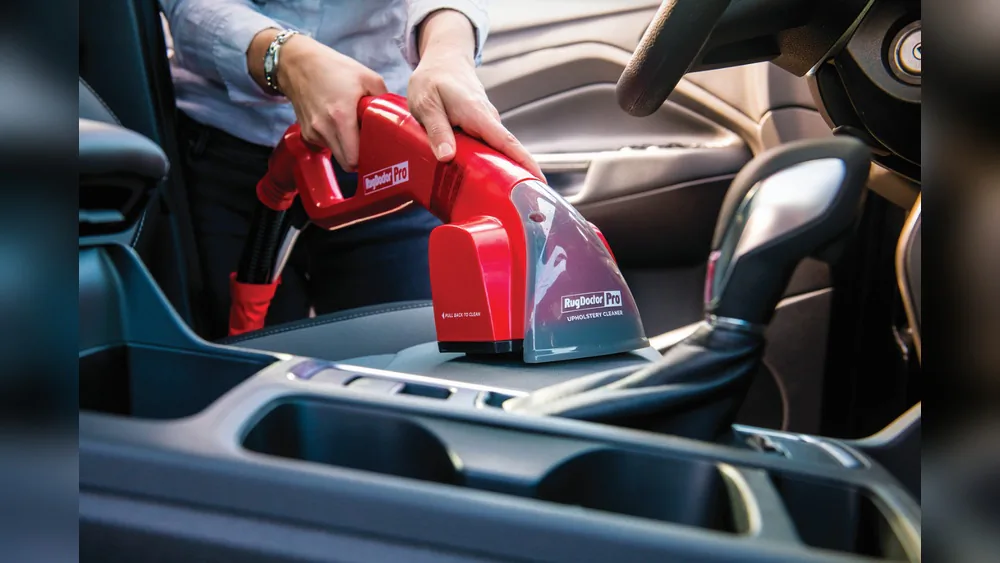
Keeping your car’s carpets clean makes your vehicle feel fresh, look better, and even helps maintain its resale value. Many drivers think they need professional detailing for spotless carpets, but you can achieve impressive results at home with the right steps and tools.
Whether your carpets are stained from spilled coffee, muddy shoes, or just everyday dirt, learning how to clean them yourself can save money and give you more control over your car’s cleanliness.
Why Clean Your Car’s Carpets Regularly?
Dirty carpets do more than look bad. The carpet fibers trap dust, allergens, bacteria, and even mold if moisture is present. Studies show that car interiors can have higher concentrations of allergens than home surfaces, especially if you drive often. Over time, neglected carpets can start to smell, and stains become harder to remove.
Regular cleaning helps:
- Reduce unpleasant odors
- Prevent allergen buildup
- Make your car look newer
- Protect your investment
People often overlook carpets during routine cleaning. Yet, they’re one of the most used and abused surfaces in your car.
Essential Tools And Materials
Before you start, gather these tools. Having everything ready saves time and makes the process smoother.
- Vacuum cleaner (with hose and brush attachment)
- Stiff-bristled brush
- Soft brush (for delicate areas)
- Microfiber towels
- Spray bottle
- Carpet cleaner (store-bought or DIY)
- Bucket
- Warm water
- Rubber gloves (optional)
- Fan or hair dryer (for faster drying)
Many household carpet cleaners work for cars, but check the label first. Avoid using bleach or harsh chemicals, as they can damage carpet fibers and fade color.

Credit: www.rugdoctor.com
Step-by-step Guide: Cleaning Your Car’s Carpets
Follow these steps for a thorough clean. Each step is important for the best results, so don’t skip any.
1. Remove Floor Mats And Loose Items
Start by taking out all floor mats. This exposes the carpet and lets you clean mats separately. Remove trash, coins, toys, and anything else on the floor. Mats can be cleaned using similar steps or even hosed off outside.
2. Vacuum Thoroughly
Vacuuming is the most important first step. Dirt and debris left behind can scratch carpet fibers when scrubbing later.
- Use a brush attachment to loosen dirt.
- Move seats forward and backward to reach underneath.
- Focus on corners, edges, and under pedals.
- Vacuum mats outside for better results.
If you don’t have a powerful vacuum, borrow one or use a car wash vacuum. These are often stronger than home models.
3. Spot Treat Stains
Stains need special attention. Common stains include coffee, soda, mud, and food.
- Spray a small amount of carpet cleaner or DIY solution (mix 2 tbsp dish soap, 2 tbsp white vinegar, and 2 cups warm water).
- Let it sit for 5–10 minutes.
- Gently scrub with a stiff-bristled brush.
- Blot with a microfiber towel. Never rub harshly—this can damage fibers.
For tough stains, repeat treatment or use a commercial stain remover.
4. Deep Clean The Entire Carpet
After spot treating, clean the whole carpet for freshness.
- Mix carpet cleaner in a bucket according to instructions.
- Dip a soft brush in the solution and gently scrub the carpet.
- Work in small sections.
- Use minimal water—too much moisture can lead to mold.
Blot excess moisture with a clean towel. If you see foam or suds, keep blotting until dry.
5. Rinse And Remove Soap Residue
Soap residue attracts new dirt. To rinse:
- Fill a spray bottle with clean water.
- Lightly mist each cleaned section.
- Blot with a dry towel until all soap is gone.
This step is often skipped, but it keeps carpets cleaner longer.
6. Dry The Carpet
Moist carpets can develop mold and odors. Speed up drying:
- Open car doors and windows.
- Use a fan or hair dryer on low heat.
- Park in a sunny spot if possible.
Avoid replacing mats or using the car until carpets are fully dry.
Tips For Cleaning Different Carpet Types
Not all car carpets are the same. Some are thick and plush, others thin and tough. Understanding your carpet type helps you choose the right method.
| Carpet Type | Recommended Cleaning Method | Drying Time |
|---|---|---|
| Plush/High-Pile | Gentle scrubbing, minimal water, towel blotting | 6–12 hours |
| Low-Pile/Standard | Stiff-bristled brush, moderate water | 4–8 hours |
| Rubber/All-Weather Mats | Hose off, mild soap | 1–2 hours |
If unsure, test any cleaner on a small hidden area first. Some carpets can discolor or shrink.
Common Mistakes To Avoid
Even simple cleaning steps can go wrong. Avoid these mistakes for better results:
- Using too much water: Excess moisture leads to mold and slow drying.
- Skipping vacuuming: Scrubbing without vacuuming pushes dirt deeper.
- Using harsh chemicals: Bleach and strong cleaners can damage fibers.
- Rubbing stains: Always blot. Rubbing spreads stains and ruins texture.
- Not drying carpets fully: Moist carpets develop odors and bacteria.
Many beginners miss the importance of rinsing out soap and waiting for full drying.
Diy Vs Store-bought Carpet Cleaners
Both store-bought and homemade cleaners can work well. Here’s a comparison for choosing what’s right for you:
| Cleaner Type | Cost | Effectiveness | Safety |
|---|---|---|---|
| Store-Bought | $8–$20 per bottle | High for tough stains | Check label for toxicity |
| DIY (Soap & Vinegar) | Under $5 | Good for general cleaning | Safe if rinsed well |
If you have allergies or pets, DIY options are usually safer. Commercial cleaners may offer stronger stain removal but can contain perfumes or chemicals.
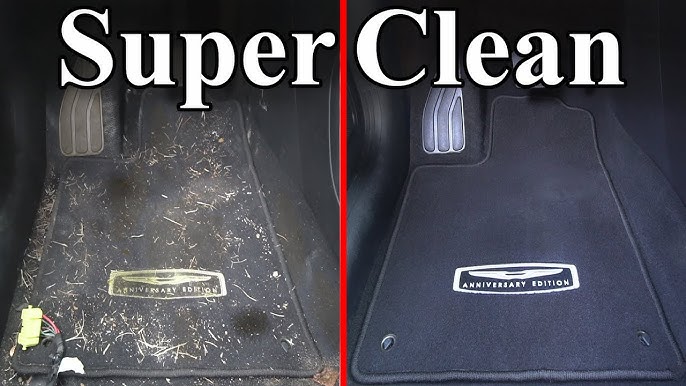
Credit: www.youtube.com
How Often Should You Clean Your Car’s Carpets?
Frequency depends on your habits, but most cars benefit from:
- Vacuuming: Every 2 weeks
- Deep cleaning: Every 2–3 months
- Spot cleaning: As needed (after spills or stains)
If you drive kids, pets, or eat in your car, clean more often. Studies show regular cleaning reduces indoor air pollution by up to 50% in vehicles.
Extra Tips For Stubborn Smells And Odors
Sometimes, even after cleaning, smells linger. Here are expert tricks:
- Sprinkle baking soda over carpets after drying. Let sit overnight, then vacuum.
- Use an enzyme-based cleaner for pet urine or organic stains.
- Place an air freshener or charcoal bag under seats for ongoing odor control.
Don’t mask smells with perfume sprays. These just cover up odors temporarily.
Protecting Your Carpets After Cleaning
Keeping carpets clean is easier than deep cleaning every time. Try these prevention tips:
- Use floor mats to catch dirt and spills.
- Remove shoes before entering if possible.
- Vacuum regularly.
- Treat stains right away.
Some drivers use fabric protectant sprays. These add a barrier, making spills easier to wipe up. Test sprays first—some can make carpets slippery or sticky.
What If Your Carpets Are Still Dirty?
Sometimes, home cleaning doesn’t solve everything. If stains persist:
- Try repeating the cleaning process.
- Rent a carpet extractor from a hardware store.
- Use a steam cleaner for deep sanitizing.
If all else fails, consider professional detailing. But for most situations, following these steps will restore your carpets and save you money.

Credit: www.familyhandyman.com
The Value Of Clean Car Carpets
Clean carpets do more than improve looks. They help your car smell fresh, prevent health issues, and keep your vehicle comfortable. Many car owners overlook this area, focusing on exterior cleaning or dashboard dusting. But investing time here pays off long-term.
Regular cleaning can extend carpet life by several years. Resale value also increases—used car buyers notice clean interiors and may pay more.
Common Questions And Data
For those curious about statistics, a survey of US drivers found:
- 63% of car owners clean their carpets less than 3 times per year
- 72% said their car smells better after cleaning carpets
- 48% noticed fewer allergy symptoms after regular cleaning
These numbers show that even occasional cleaning makes a difference.
Frequently Asked Questions
How Long Does It Take To Clean Car Carpets At Home?
Most people spend 1–2 hours for a full clean, including drying time. If carpets are heavily stained, add extra time for spot treatment and drying.
Can I Use Home Carpet Shampoo In My Car?
Yes, but check the label first. Some shampoos are too strong or leave residues. Always test on a small area and rinse out thoroughly.
What’s The Best Way To Remove Pet Hair From Car Carpets?
Use a rubber brush or glove. The rubber creates static, lifting hair easily. Vacuum after brushing for best results.
Will Cleaning My Car’s Carpets Help With Allergies?
Yes. Carpets trap dust, pollen, and pet dander. Regular cleaning removes these allergens, improving air quality inside your car.
How Do I Prevent Carpet Stains In The Future?
Use floor mats, clean spills quickly, and consider a fabric protectant spray. Avoid eating or drinking in your car if possible.
If you want to learn more about interior cleaning and car care, visit the Consumer Reports guide for additional tips.
Cleaning your car’s carpets isn’t difficult once you know the steps. With regular care, your car will feel fresher, look better, and stay healthier for years.
Related posts
 Why You Should Use a Foam Cannon for Car Washing: Ultimate Guide
Washing your car is more than just making it look good. It protects the paint, keeps the value high, and makes driving feel better. But if…
 How to Clean Leather Seats Without Damaging Them: Expert Tips
Keeping your leather seats clean can be a challenge. Leather looks beautiful and feels luxurious, but it needs special care. Many people worry about damaging their…
 Why Using a Ceramic Coating Spray is Important for Your Car’s Shine
If you care about your car’s appearance and value, you probably wash and wax it regularly. But did you know there’s a better way to protect…