
How to Wash Your Car Without Causing Scratches: Expert Tips
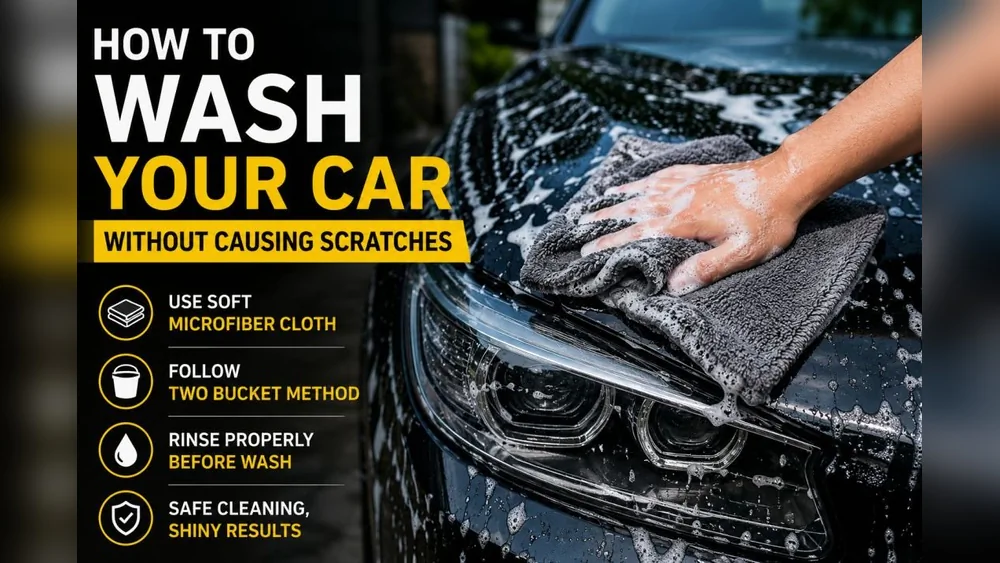
Washing your car is not just about keeping it shiny. It’s about protecting the paint, preserving its value, and enjoying a clean ride every day. Many people wash their cars at home, but most do not realize that improper washing can cause tiny scratches called swirl marks. These marks can make your paint look dull, even after a fresh wash. If you want your car to look its best, you need to use the right methods and tools. In this article, you’ll learn how to wash your car without causing scratches, step-by-step. You’ll also discover common mistakes, how to choose the right products, and practical tips that most beginners miss.
Why Scratches Happen During Car Washing
Car paint is surprisingly delicate. Even small bits of dirt can scratch the surface if rubbed the wrong way. Most scratches from washing are caused by:
- Using rough or dirty sponges and towels
- Not rinsing off loose dirt before scrubbing
- Using the wrong soap or cleaning products
- Washing with a single bucket of water
These mistakes are easy to avoid with the right approach. Understanding how scratches happen is the first step to preventing them.
Choosing The Right Tools And Products
The tools and products you use matter more than you think. Cheap or dirty tools can scratch your paint, while quality ones protect it.
Essential Tools
- Two buckets: One for soapy water, one for rinsing your mitt.
- Grit guard: Placed at the bottom of buckets to trap dirt.
- Microfiber wash mitt: Softer than sponges and less likely to scratch.
- Microfiber towels: For drying, they absorb water without rubbing hard.
- PH-neutral car shampoo: Designed for car paint, not household soap.
- Wheel brush: For wheels and tires only.
Tool Comparison
Here’s a quick comparison of popular washing tools:
| Tool | Scratch Risk | Ease of Use | Recommended? |
|---|---|---|---|
| Microfiber Mitt | Low | Easy | Yes |
| Foam Sponge | Medium | Easy | No |
| Brush | High | Medium | No |
| Microfiber Towel | Low | Easy | Yes (for drying) |
Non-obvious Insight
Many beginners buy expensive shampoos but forget about the mitt. The microfiber wash mitt is more important than the soap. A dirty or rough mitt will scratch, no matter how gentle the shampoo is.
Step-by-step: How To Wash Your Car Safely
Following a proper washing method will help you avoid scratches. Here’s a step-by-step guide:
1. Park In The Shade
Heat makes water and soap dry quickly, leaving spots. Shade keeps the paint cool and prevents soap from sticking.
2. Rinse Thoroughly
Use a hose or pressure washer to rinse off loose dirt. Start from the top and move down. This step removes grit that causes scratches.
3. Prepare Two Buckets
Fill one bucket with clean water, the other with car shampoo and water. Place a grit guard in each if possible.
4. Wash Wheels First
Wheels are the dirtiest part. Use a wheel brush and separate bucket. Never use the same mitt or towel for wheels and paint.
5. Wash Car From Top To Bottom
Dip your microfiber mitt into the soapy bucket. Clean one panel at a time (roof, hood, doors, etc.). After each panel, rinse the mitt in the clean water bucket to remove dirt. Then dip it back in the soapy bucket.
6. Rinse Often
After washing each section, rinse it with water. This prevents soap from drying on the paint.
7. Dry With Microfiber Towels
Use clean, dry microfiber towels. Pat the surface gently rather than rubbing. Work in sections to avoid water spots.
Washing Steps Vs. Common Mistakes
| Correct Step | Common Mistake | Result |
|---|---|---|
| Rinse before washing | Wash dry car | Scratches from loose dirt |
| Use two buckets | Single bucket | Dirt returns to paint |
| Microfiber mitt | Old sponge | Swirl marks |
| Pat dry | Rub dry | Fine scratches |
Extra Tips For A Scratch-free Wash
Use A Foam Cannon
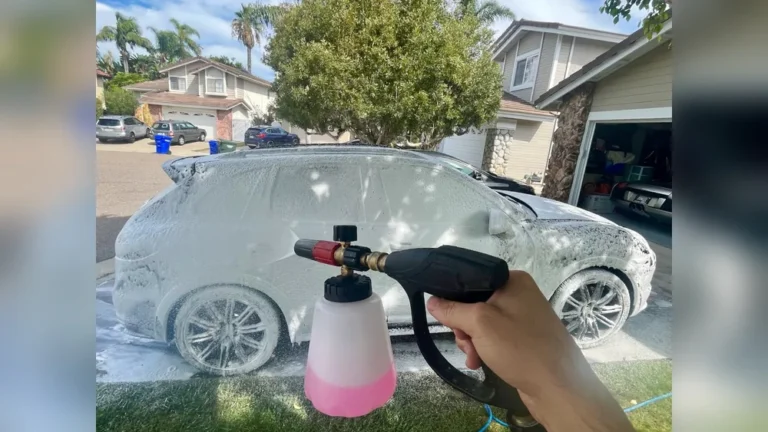
A foam cannon attaches to a hose or pressure washer and sprays thick foam over the car. Foam loosens dirt and makes it safer to wash.
Avoid Circular Motions
Wash in straight lines, not circles. Circular motions make swirl marks more visible.
Replace Tools Regularly
Microfiber mitts and towels wear out. Replace them every few months, especially if they look dirty or rough.
Wash Often, But Not Too Often
Washing your car too frequently can wear down the paint. Aim for every two weeks, or once a week if you drive in muddy areas.
Don’t Forget Door Jambs
Most people skip door jambs. Dirt here can transfer to towels and cause scratches later. Wipe them with a clean towel.
What To Avoid During Washing
Some actions may seem harmless but actually damage your car’s paint.
- Household soaps: These strip wax and dry out the paint.
- Dirty towels: Always use clean, dry towels. Dirt and grit cause scratches.
- Automatic car washes: Most use rough brushes that scratch paint. If you must use them, choose touchless options.
- Drying with chamois: Chamois are harsh and rub dirt into the paint. Use microfiber towels instead.
The Importance Of Water Quality
Water quality affects your wash. Hard water leaves mineral spots, while soft water rinses clean.
Water Quality Comparison
| Type | Effect on Paint | Spot Risk |
|---|---|---|
| Hard Water | Mineral deposits | High |
| Soft Water | Cleaner rinse | Low |
| Filtered Water | Best for washing | Very Low |
If you live in an area with hard water, dry your car quickly. For best results, use filtered or soft water if available.
Protecting Your Paint After Washing
Once your car is clean, you can add extra protection.
Apply Wax Or Sealant
Wax and paint sealants create a barrier against dirt and water. They also make future washing easier and reduce scratch risk.
- Wax: Lasts 1-2 months, easy to apply.
- Sealant: Lasts up to 6 months, offers stronger protection.
Applying wax or sealant after drying keeps your paint shiny and protected.
Use Quick Detailer Sprays
A quick detailer spray removes light dust and adds shine between washes. It’s useful for touch-ups without a full wash.
Common Questions And Mistakes
Many beginners make mistakes that can be avoided. Here are two insights most people miss:
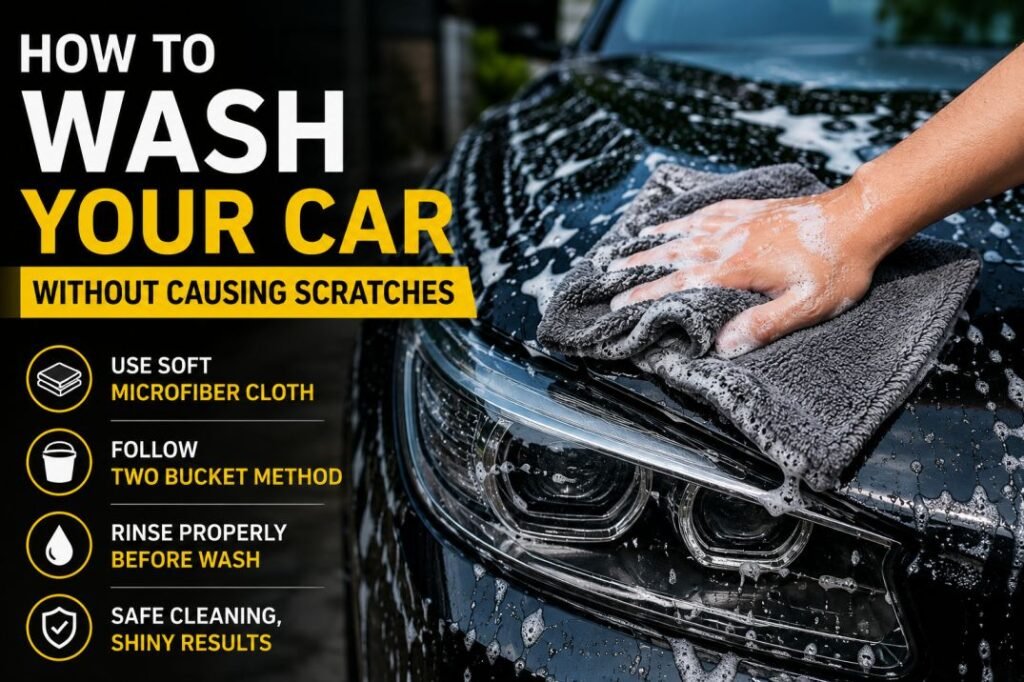
- Never wash your car with kitchen sponges. These are rough and hold dirt, causing fine scratches. Always use automotive microfiber.
- Do not let soap dry on your car. Soap left to dry creates stains and makes rinsing difficult. Work in sections and rinse often.
Credit: roadsride.in
How Weather Affects Washing
Weather can make washing easier or harder.
- Cool, cloudy days are best. Soap does not dry fast and you avoid water spots.
- Hot, sunny days dry water quickly, leaving spots and streaks.
- Rainy days are not ideal. Rain can mix with soap and leave marks.
Plan your wash for early morning or late afternoon if possible.
Eco-friendly Washing Tips
Washing your car can use a lot of water and create runoff. Here’s how to make your wash more eco-friendly:
- Use a bucket instead of a hose to save water.
- Choose biodegradable car shampoos.
- Wash on a surface where water can drain safely, not into the street.
- Limit wash frequency to reduce water use.
Credit: autocareclub.co.uk
When To Seek Professional Help
Some paint damage is too deep for home washing. If you notice deep scratches or faded paint, consider a professional detailer. They use special tools and techniques to restore paint safely.
Professional detailers often use:
- Paint correction machines
- Special polishing compounds
- Ceramic coatings
These services cost more but can fix problems that home washing cannot.
Frequently Asked Questions
How Often Should I Wash My Car To Avoid Scratches?
Washing every two weeks is ideal for most drivers. If you drive in dusty or muddy areas, weekly washes are better. Washing too often can wear down the paint, so avoid daily washing.
Can I Use Regular Dish Soap To Wash My Car?
No. Dish soap is too harsh for car paint. It strips away wax and protective layers. Always use a pH-neutral car shampoo made for automotive surfaces.
What’s The Best Way To Dry My Car After Washing?
Use clean microfiber towels and pat the surface dry. Avoid rubbing, as rubbing can cause fine scratches. Work in small sections to prevent water spots.
Do Automatic Car Washes Cause Scratches?
Most automatic car washes use rough brushes that can scratch the paint. Touchless or hand wash options are safer. If you use an automatic wash, check if it offers a touchless system.
How Can I Remove Existing Swirl Marks?
Swirl marks require polishing with special compounds. You can use a dual-action polisher or seek professional detailing. Regular washing with the right method prevents new marks.
Washing your car the right way takes a little extra effort, but the results are worth it. With the right tools, products, and techniques, your car will stay shiny and scratch-free for years. If you want to learn more about car care, you can check out expert guides from Autogeek. Remember, a clean car is a happy car—and a scratch-free wash keeps your paint looking new.

Credit: gpmobilecarwash.com
Related posts
 Why You Should Use a Foam Cannon for Car Washing: Ultimate Guide
Washing your car is more than just making it look good. It protects the paint, keeps the value high, and makes driving feel better. But if…
 How to Clean Leather Seats Without Damaging Them: Expert Tips
Keeping your leather seats clean can be a challenge. Leather looks beautiful and feels luxurious, but it needs special care. Many people worry about damaging their…
 Why Using a Ceramic Coating Spray is Important for Your Car’s Shine
If you care about your car’s appearance and value, you probably wash and wax it regularly. But did you know there’s a better way to protect…