
How to Prevent Dirt from Entering Your Car: Easy Tips That Work
Keeping your car clean isn’t just about looking good. Dirt inside your car can cause allergies, damage surfaces, and lower resale value. Even if you wash your car often, dirt sneaks in every day—from shoes, pets, shopping bags, and even from the air.
Many drivers underestimate how quickly dirt builds up, and how hard it is to remove once it settles. The good news? You can prevent most dirt from entering your car with smart habits and simple tools. Here’s how to keep your car interior fresh, and avoid the stress of constant cleaning.
Why Dirt Enters Your Car
Dirt gets inside cars through many routes. Most commonly, it sticks to shoes, clothing, and bags. Wind blows dust through open windows or doors. Pets bring mud, hair, and sand. Even tiny cracks in weather seals let in dust and pollen.
If you eat or drink in your car, crumbs and spills add to the mess. Poor habits, like leaving windows open or not cleaning mats, make things worse. Understanding these sources is the first step to fighting dirt.
Smart Habits To Prevent Dirt
Changing small daily actions can make a big difference. Here are simple habits to keep dirt out:
- Always check shoes before entering. Wipe them on a mat outside.
- Close windows and sunroofs when parked, especially during windy or rainy days.
- Shake off bags and jackets before placing them inside.
- Don’t eat in your car unless necessary. Food crumbs attract dirt and pests.
- Transport pets in carriers or use dedicated pet covers.
- Avoid parking near construction sites or dusty areas.
- Clean door seals regularly to prevent dust build-up.
These habits may seem small, but together, they block most dirt at the source.
Credit: wittnapa.com
Essential Accessories For Dirt Prevention
Accessories are your best defense against dirt. The right products can catch debris before it spreads.
Car Floor Mats: Choosing The Right Type
Floor mats trap dirt, mud, and moisture. Not all mats work equally well.
| Type | Best For | Pros | Cons |
|---|---|---|---|
| Carpet Mats | Dry, urban areas | Comfortable, stylish | Harder to clean, absorbs stains |
| Rubber Mats | Rainy, muddy conditions | Easy to wash, durable | Less stylish, can slip |
| All-Weather Mats | All climates | Resists water, traps dirt | May cost more |
For most drivers, all-weather mats are the best choice. They trap dirt and are easy to clean. Make sure mats cover the entire floor area, not just under your feet.
Seat Covers: Material Matters
Seat covers shield seats from dust, spills, and pet hair. Choose covers made from synthetic fabrics or leatherette for easy cleaning. Avoid thick cloth if you drive in dusty areas—it traps particles deeply. Removable covers are easier to wash. Install covers snugly so dirt cannot slip underneath.
Cargo Liners And Trunk Protectors
If you carry sports gear, groceries, or tools, a cargo liner is essential. It prevents dirt from spreading to carpets and rear seats. Look for liners with raised edges—they trap spills and mud.
Car Air Filters: Hidden Protection
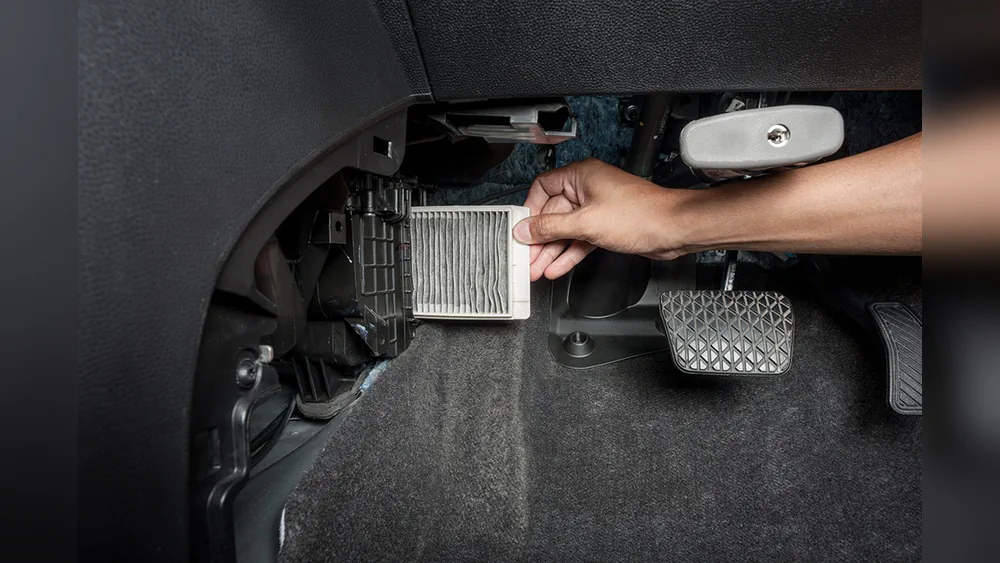
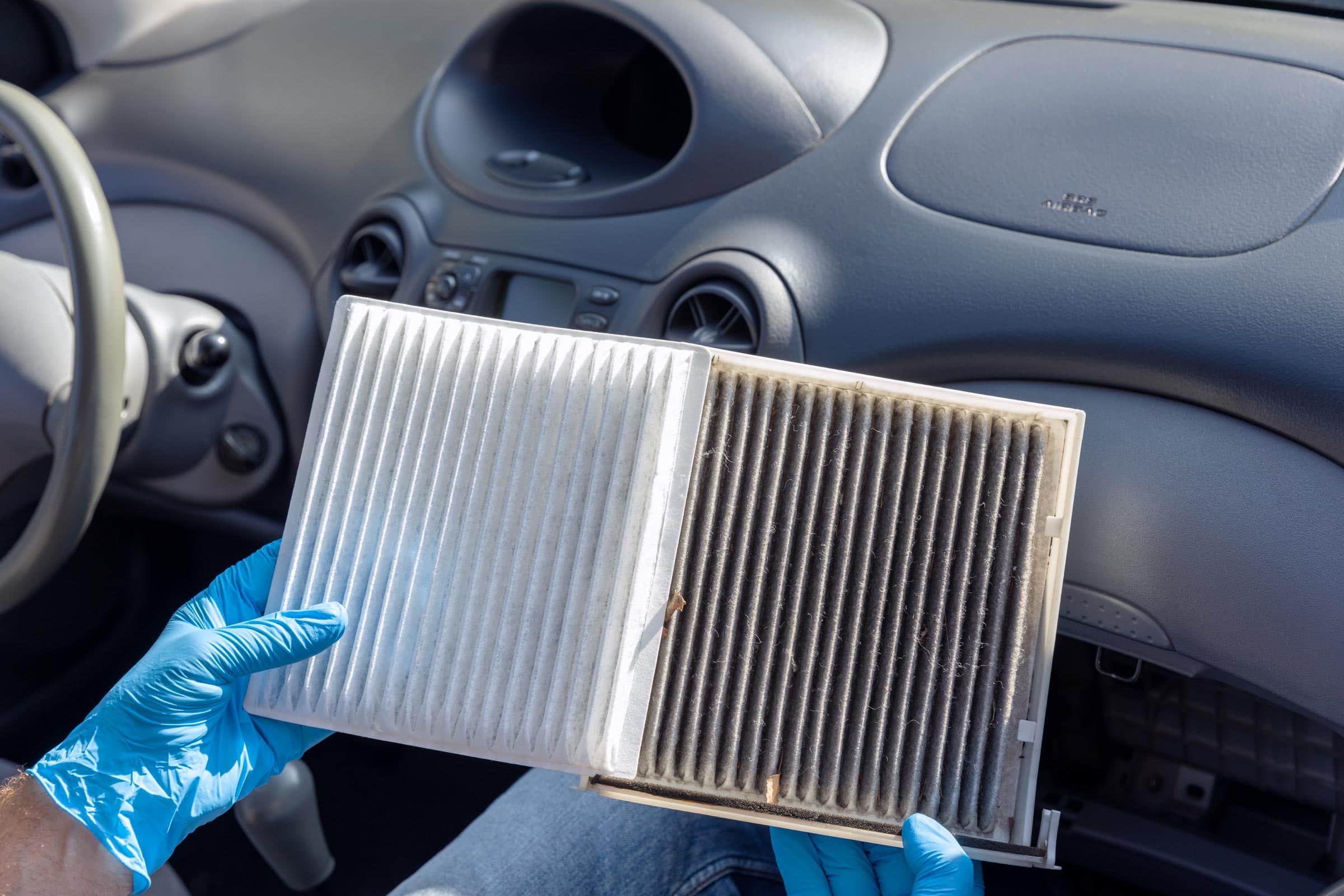
Many cars have cabin air filters that block outside dust. Replace them every 12,000 to 15,000 miles. A dirty filter lets fine dust inside and reduces air quality. Most owners forget this step, but it’s vital for preventing airborne dirt.
Cleaning Techniques That Stop Dirt Before It Spreads
Cleaning is not just about removing dirt—it’s about stopping its spread. Here’s how to clean effectively.
Vacuuming: More Than Just The Seats
Vacuum your car at least twice a month. Focus on:
- Floor mats (remove and shake outside first)
- Under seats (crumbs and dirt hide there)
- Door pockets and cup holders
- Trunk area
Use a vacuum with a HEPA filter if possible—it traps tiny dust particles. Don’t forget to vacuum the dashboard and air vents. Dirt here spreads easily every time you turn on the fan.
Wiping Surfaces: Choosing The Right Cloth
Use microfiber cloths for dashboards, screens, and panels. They attract dust and don’t scratch. Dampen the cloth slightly for stubborn dirt. Avoid paper towels—they leave lint and can scratch surfaces.
Cleaning Door Seals And Weather Stripping
Door seals are often ignored. Dirt builds up here and sneaks inside. Wipe seals with a damp rag every week. For sticky dirt, use a mild soap solution. This step keeps seals tight and prevents dust entry.
Parking Strategies For Dirt Prevention
Where you park matters. Dusty, muddy, or busy locations increase dirt risk. Consider these strategies:
- Choose covered parking when possible.
- Avoid parking under trees—falling leaves, pollen, and bird droppings add to the mess.
- Stay clear of construction sites and unpaved areas.
- If you park outside, use a car cover. It blocks dust and pollen.
Even a few minutes in a bad spot can undo your cleaning work. Smart parking saves time and keeps your car cleaner.
Dealing With Dirt From Children And Pets
Kids and pets bring unique dirt problems. Snacks, toys, mud, and hair can turn your car into a mess quickly.
Traveling With Children
- Use seat protectors under car seats.
- Set rules: No eating, no muddy shoes.
- Keep a small trash bin inside for wrappers and tissues.
- Wipe hands and faces before entering.
Traveling With Pets
- Use pet seat covers or transport carriers.
- Brush your pet before trips to reduce shedding.
- Keep towels and wipes handy for muddy paws.
Many parents and pet owners forget to clean up after each trip. A quick check and wipe-down prevent dirt from building up.
Advanced Solutions: Products And Technology
Modern tools can help block dirt before it enters.
Automatic Running Boards
Some SUVs offer automatic running boards. They extend when the door opens, giving you a place to wipe shoes before entering. This feature is rare but very effective in muddy climates.
Portable Air Purifiers
A portable air purifier in your car can reduce airborne dust. Choose models with HEPA filters. These are useful if you drive in polluted cities or have allergies.
Smart Weather Seals
Newer cars have improved weather seals that block dust better. If your seals are old or cracked, replace them. This is a simple upgrade that stops dust at the door.
Comparing Diy Vs Professional Cleaning
Some drivers clean their cars themselves; others use professional services. Here’s how they compare:
| Method | Cost | Effectiveness | Time Needed |
|---|---|---|---|
| DIY Cleaning | Low | Good if done regularly | 1–2 hours |
| Professional Detailing | High | Excellent, deep clean | 2–4 hours |
DIY cleaning is cheaper and flexible, but you must do it often. Professional detailing gets deep dirt but is costly. For best results, combine both: clean yourself weekly and use detailing every 6–12 months.

Credit: www.cityofsoledad.com
Common Mistakes That Invite Dirt
Many drivers make mistakes that bring more dirt inside.
- Ignoring floor mats: Not cleaning mats lets dirt spread.
- Leaving windows open: Dust enters easily this way.
- Eating inside the car: Crumbs and spills are hard to remove.
- Not cleaning door seals: Dirt builds up unseen.
- Transporting pets without covers: Hair and mud spread everywhere.
Avoiding these mistakes saves hours of cleaning and keeps your car fresh.
Real-world Insights: What Most People Miss
Beginners often forget two things:
- Air vents are dirt magnets. When dust settles here, every time you run the fan, it spreads everywhere. Clean vents monthly with a vacuum or brush.
- Weather changes bring new dirt sources. Rain tracks mud inside, while dry, windy days blow dust. Adjust your habits depending on the season.
Many drivers also don’t realize that door pockets and cup holders collect dirt quickly. Wipe them often—these areas touch your hands and objects daily.
How Often Should You Clean For Maximum Protection?
Frequency matters more than deep cleaning. Clean mats and seats weekly. Vacuum every two weeks. Clean door seals and air vents monthly. Change air filters every 12,000–15,000 miles. If you travel with pets or children, clean after each trip.
Useful Resources
For more tips on keeping your car clean and healthy, check out this Consumer Reports guide.

Credit: www.amazon.com
Frequently Asked Questions
How Do I Stop Dirt From Sticking To My Car Mats?
Choose rubber or all-weather mats. Shake them outside before vacuuming. Clean with water and mild soap regularly. Avoid carpet mats if you drive in muddy areas.
Can I Use Regular Household Cleaners On Car Interiors?
Some household cleaners are safe, but avoid strong chemicals. Use mild soap or products made for cars. Microfiber cloths work best for dashboards and screens.
How Often Should I Replace Cabin Air Filters?
Replace cabin air filters every 12,000 to 15,000 miles or once a year. If you drive in dusty areas, change them sooner.
What’s The Best Way To Keep Pets From Bringing Dirt Into The Car?
Use pet seat covers or transport carriers. Brush pets before trips. Keep towels handy for paws. Clean up after every ride to prevent build-up.
Is It Better To Use Professional Cleaning Or Diy?
DIY cleaning is cheaper and works well if done regularly. Professional detailing gets deep dirt but costs more. For best results, combine both methods.
Keeping your car clean isn’t just about looks—it’s about comfort, health, and value. With smart habits and the right tools, you can block dirt before it enters, saving time and money in the long run.
Related posts
 Why You Should Use a Foam Cannon for Car Washing: Ultimate Guide
Washing your car is more than just making it look good. It protects the paint, keeps the value high, and makes driving feel better. But if…
 How to Clean Leather Seats Without Damaging Them: Expert Tips
Keeping your leather seats clean can be a challenge. Leather looks beautiful and feels luxurious, but it needs special care. Many people worry about damaging their…
 Why Using a Ceramic Coating Spray is Important for Your Car’s Shine
If you care about your car’s appearance and value, you probably wash and wax it regularly. But did you know there’s a better way to protect…