
Why Ceramic Wax is Better Than Traditional Car Wax: Expert Guide
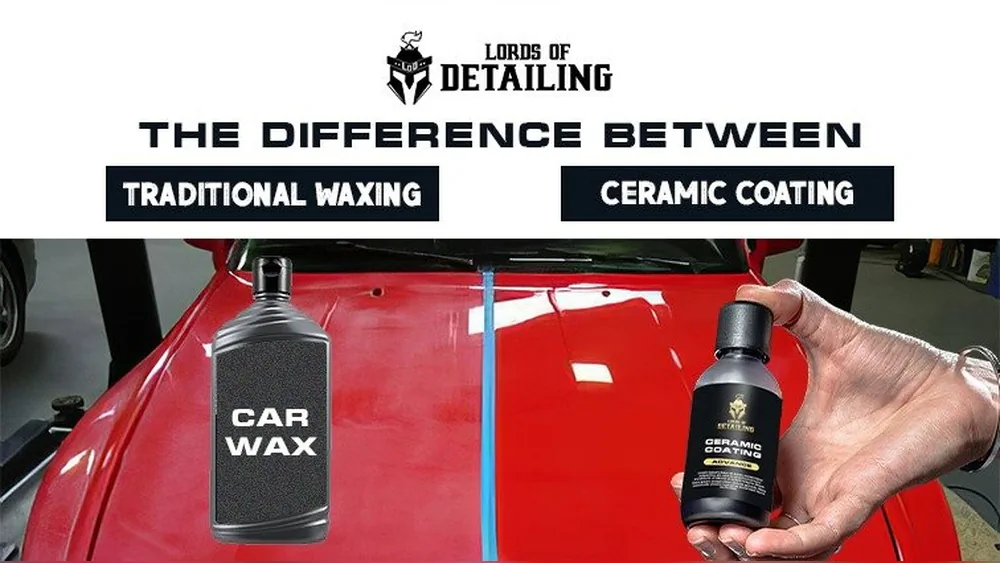
Car owners have always wanted their vehicles to look shiny and new. For decades, traditional car wax was the go-to solution for a glossy finish and surface protection. But in recent years, ceramic wax has become the choice for many car enthusiasts and detailers. You might wonder: is ceramic wax really better than traditional wax, or is it just a marketing trend? Let’s explore how ceramic wax compares, what makes it stand out, and why it could be the better option for your car.
What Is Ceramic Wax?
Ceramic wax combines the ease of wax application with the advanced protection of ceramic coatings. Most ceramic waxes use SiO2 (silicon dioxide), a key ingredient in professional ceramic coatings, mixed with traditional waxes. This creates a product that is easy to use like wax but offers much stronger protection and shine.
Ceramic wax forms a hydrophobic layer on your car’s paint. This layer repels water, dirt, and other contaminants. Unlike traditional wax, which sits on top of the paint, ceramic wax chemically bonds to the surface. This bond is what gives ceramic wax its durability and protective power.
Traditional Car Wax: The Classic Option
Traditional waxes are usually made from carnauba wax (from the leaves of the carnauba palm) or synthetic blends. They have been used for generations to give cars a deep, warm gloss. Wax fills in tiny imperfections on the paint, making the surface look smooth and shiny.
However, the protection from traditional wax is mostly short-term. It can protect against sun, water, and minor dirt for a few weeks or a couple of months. After that, the wax wears off, and your car needs another application. Traditional wax is also vulnerable to heat, harsh cleaners, and acid rain.

Credit: ppfprosla.com
Key Differences Between Ceramic Wax And Traditional Car Wax
To make things clear, here’s a side-by-side look at the main features of both products:
| Feature | Ceramic Wax | Traditional Car Wax |
|---|---|---|
| Base Ingredient | SiO2 + Wax | Carnauba or Synthetic Wax |
| Protection Duration | 6-12 months | 1-2 months |
| Water Repellency | Excellent (hydrophobic) | Good |
| Gloss & Shine | Deep, glassy | Warm, natural |
| Ease of Application | Easy to moderate | Easy |
| Cost | Higher | Lower |
Why Ceramic Wax Is Better: Main Advantages
Ceramic wax isn’t just a small improvement—it’s a big leap forward for car care. Here’s why.
Longer-lasting Protection
Traditional wax often needs to be reapplied every few months. In real-world conditions, rain, sun, and car washes wear it away quickly. Ceramic wax lasts much longer—usually between 6 and 12 months per application. This means you spend less time waxing and more time enjoying your car’s shine.
For example, many users report that after a single ceramic wax treatment, water still beads off their car’s surface even after half a year. In contrast, traditional wax may start to lose its beading after just a few weeks.
Superior Chemical Resistance
Ceramic wax creates a harder, more resistant layer than regular wax. This helps protect your paint from:
- Bird droppings
- Acid rain
- Road salts
- Harsh detergents
Traditional wax can easily be removed by strong cleaners or even hot weather. Ceramic wax stays bonded to your car, so it keeps protecting the surface much longer.
Hydrophobic Effect: Water And Dirt Repellency
One of the most noticeable benefits of ceramic wax is its hydrophobic effect. Water forms tight beads and rolls right off the paint. Dirt and mud are less likely to stick, making your car easier to clean.
This effect is more than just for looks. Because water doesn’t stay on the surface, there’s less chance for water spots or mineral deposits to form. Your car stays cleaner between washes.
Enhanced Gloss And Depth
Both wax types make your car shine, but the look is different. Ceramic wax gives a deep, glass-like shine. It creates a reflective, “wet” look that many people love. Traditional wax, on the other hand, offers a softer, warmer glow.
If you want your paint to look as if it’s been polished by a professional, ceramic wax is the better choice.
Uv Protection
Sunlight is one of the main reasons car paint fades. Ceramic wax offers superior UV protection compared to regular wax. The SiO2 layer acts like a sunscreen, reflecting harmful rays and slowing down the fading process.
For cars parked outside, this UV shield is especially important. It helps your paint keep its color and prevents oxidation.
Less Frequent Applications
Because ceramic wax lasts longer, you need to wax your car less often. This saves time, effort, and—over the long term—money. Even if the upfront cost of ceramic wax is higher, the reduced need for reapplication often balances out the price.
Real-world Performance: Data And Tests
Car care experts and detailers have tested ceramic wax and traditional wax side by side. In one test, a car treated with ceramic wax was washed with soap every week. After six months, water still beaded on the paint, and the shine was easy to see.
The car with traditional wax lost its gloss and water beading after only six weeks.
Another study found that cars with ceramic wax had 40% fewer water spots after heavy rain compared to those with regular wax. This is a clear sign that the hydrophobic layer makes a difference in real-world conditions.
Application And Ease Of Use
Applying Ceramic Wax
Ceramic wax is usually applied like traditional wax, but there are a few key steps:
- Wash and dry the car thoroughly.
- Clay bar the surface if needed (removes bonded contaminants).
- Apply ceramic wax with a foam or microfiber applicator.
- Let it haze (usually a few minutes).
- Buff with a clean microfiber towel.
Some ceramic waxes are “spray-on,” making them even easier to use. Others require a bit more work but offer longer-lasting results.
Applying Traditional Wax
Traditional wax is a little simpler:
- Wash and dry the car.
- Apply wax with a pad.
- Let it dry to a haze.
- Buff off with a towel.
Both types are easy for beginners, but ceramic wax may take a few minutes longer and needs a cleaner surface to bond well.
Comparison: Application Time And Difficulty
Here’s how they compare:
| Step | Ceramic Wax | Traditional Wax |
|---|---|---|
| Surface Prep | Essential | Recommended |
| Application Time | 15–30 minutes | 10–20 minutes |
| Buffing Effort | Moderate | Easy |
| Frequency Needed | 2x per year | 6x per year |
Non-obvious insight: If your paint isn’t perfectly clean, ceramic wax can “seal in” dirt or minor scratches. Always prep the surface well.
Environmental Impact And Safety
Ceramic waxes generally contain fewer natural oils and less solvent compared to traditional wax. This can mean:
- Less run-off of chemicals into drains
- Lower chance of harming your skin or lungs during use
However, some ceramic waxes contain polymers or chemicals that should be handled with care. Always use gloves and work in a well-ventilated area.
Traditional waxes are more natural but may need to be applied more often, which adds up over time in terms of chemical use. Neither product is perfect for the environment, but using ceramic wax less often can reduce your overall impact.

Credit: dericksmobiledetailing.com
Cost And Value Comparison
Ceramic wax usually costs more per bottle than regular wax. But does the extra cost pay off?
| Product Type | Average Price (16 oz) | Applications per Year | Annual Cost |
|---|---|---|---|
| Ceramic Wax | $30–$50 | 2 | $60–$100 |
| Traditional Wax | $10–$20 | 6 | $60–$120 |
As you can see, the higher price of ceramic wax is balanced by fewer applications. For many users, the convenience and better protection are worth the extra cost.
Common Myths About Ceramic Wax
Some people avoid ceramic wax because of common misunderstandings:
- Myth: Ceramic wax is too hard for beginners to use.
- Fact: Most spray ceramic waxes are easy for anyone to apply.
- Myth: Ceramic wax can’t be layered over old wax.
- Fact: It works best on a clean surface, but can be used as a topper.
- Myth: It makes the paint harder and scratch-proof.
- Fact: It resists minor scratches but doesn’t make your paint bulletproof.
Non-obvious insight: Not all “ceramic” products are the same. Some are simple sprays with little SiO2. Always check the product’s real ingredients and user reviews.
When Might Traditional Wax Still Be Useful?
Ceramic wax is better for most people, but there are a few situations where traditional wax might make sense:
- Classic car shows: Some owners love the “warm glow” of carnauba wax for certain paint colors.
- Quick shine: If you need a fast, cheap gloss for a weekend, traditional wax is easy and affordable.
- Layering: Some detailers use traditional wax on top of ceramic for extra depth, though this is optional.
Tips For Getting The Most From Ceramic Wax
- Prep matters most: Wash and decontaminate your car before applying. Clay bar is recommended.
- Don’t over-apply: Thin, even coats bond better than thick layers.
- Buff with quality towels: Use clean, soft microfiber towels for best results.
- Allow curing: If the instructions say to wait, let the product cure before getting wet.
- Maintain with pH-neutral soaps: Avoid strong chemicals that can shorten the protection.
Credit: www.reddit.com
Frequently Asked Questions
How Long Does Ceramic Wax Last Compared To Traditional Wax?
Ceramic wax usually lasts 6 to 12 months per application, while traditional wax typically lasts only 1 to 2 months. Factors like weather, washing frequency, and product quality affect these numbers.
Is Ceramic Wax Safe For All Paint Types?
Yes, ceramic wax is safe for all modern automotive paints. It can be used on clear coats, single-stage paints, and even vinyl wraps. Always follow the instructions for your specific product.
Can I Apply Ceramic Wax Myself Or Do I Need A Professional?
Most ceramic waxes are DIY-friendly. You don’t need special tools or professional skills. Just make sure your car is clean, and follow the application steps.
Does Ceramic Wax Replace Professional Ceramic Coatings?
Ceramic wax gives some of the benefits of pro coatings, like water repellency and gloss, but it’s not as durable or thick. For the ultimate protection, a professional coating is better—but ceramic wax is a great middle ground.
Where Can I Learn More About Ceramic Wax Technology?
You can find more details and science behind ceramic coatings on the Wikipedia Ceramic Coating page.
Ceramic wax has changed the way many people care for their cars. With better protection, longer-lasting shine, and easier maintenance, it’s easy to see why so many drivers are making the switch. If you want your car to look its best with less effort, ceramic wax is a smart choice—one that goes beyond simple shine to real, long-term protection.
Related posts
 Why You Should Use a Foam Cannon for Car Washing: Ultimate Guide
Washing your car is more than just making it look good. It protects the paint, keeps the value high, and makes driving feel better. But if…
 How to Clean Leather Seats Without Damaging Them: Expert Tips
Keeping your leather seats clean can be a challenge. Leather looks beautiful and feels luxurious, but it needs special care. Many people worry about damaging their…
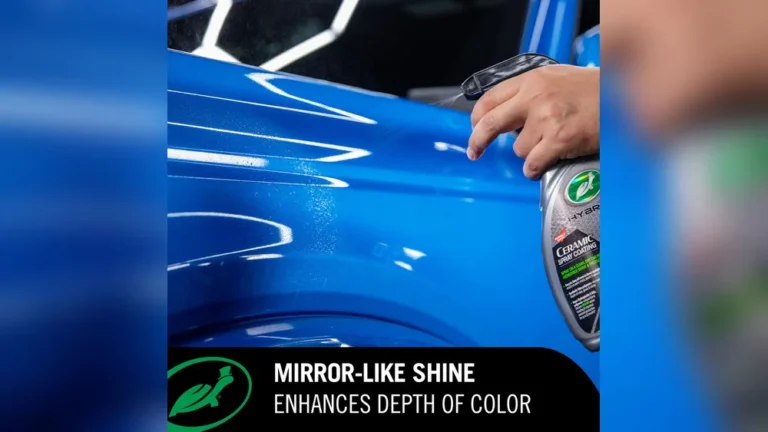 Why Using a Ceramic Coating Spray is Important for Your Car’s Shine
If you care about your car’s appearance and value, you probably wash and wax it regularly. But did you know there’s a better way to protect…