
Why You Should Use Microfiber Cloths for Car Detailing Effectively
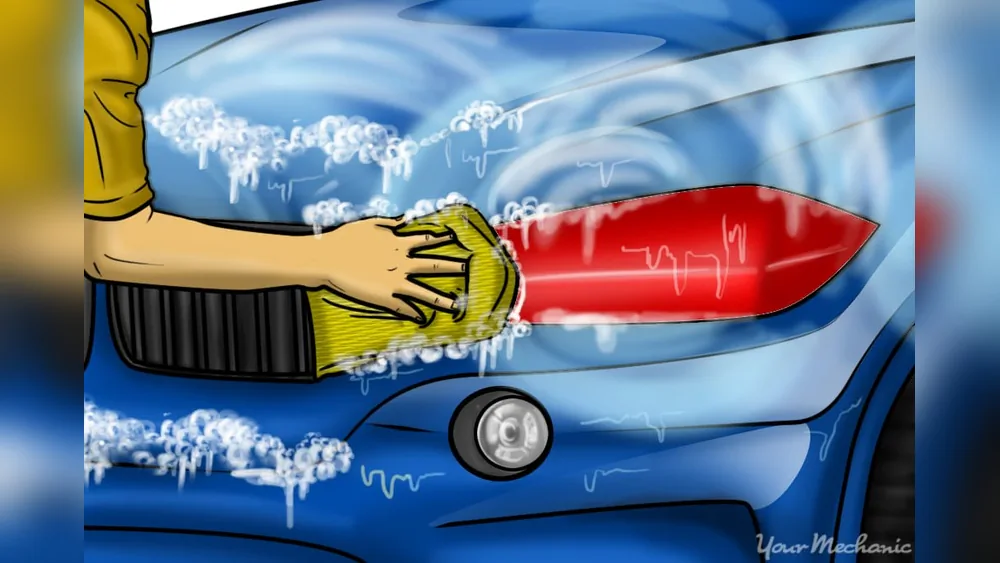
Most car lovers know the joy of seeing their car shine in the sunlight. But getting that glossy look without scratches is not always easy. In car detailing, the tools you use are just as important as the products. One tool stands out for both professionals and DIY fans: the microfiber cloth. If you are still using old t-shirts, bath towels, or paper towels for cleaning your car, it’s time to learn why microfiber cloths have become the gold standard for car care.
What Is Microfiber And Why Is It Special?
Microfiber is a synthetic material made from very fine fibers—much thinner than human hair. Usually, these fibers are made from polyester and polyamide (nylon). The magic of microfiber lies in its structure. The fibers are split during manufacturing, creating many tiny channels. This gives microfiber cloths unique abilities for cleaning and absorbing.
How thin are these fibers? A human hair is about 70 microns thick. Microfiber strands are about 1/100th of that—less than 1 micron. This means a square inch of microfiber cloth can have hundreds of thousands of fibers. The result is a soft, gentle material that can trap dust, dirt, and liquids far better than cotton or paper.
The Key Benefits Of Microfiber Cloths For Car Detailing
1. Superior Cleaning Power
Microfiber cloths work differently from regular cloths. Instead of just pushing dirt around, the split fibers lift and trap particles inside the cloth. This means you pick up dust, dirt, and grime rather than spreading it over your car’s surface.
For example, when you wipe a dirty panel with a cotton towel, you may notice streaks or leftover dust. With microfiber, the surface is left much cleaner, with fewer passes needed.
2. Scratch-free Detailing
One of the biggest fears in car detailing is scratching the paint. Microfiber is very soft and has a plush texture. This reduces the risk of creating swirl marks or micro-scratches, which can happen with rougher fabrics or dirty sponges. Even when used dry, a clean microfiber cloth is gentle on sensitive surfaces like clear coat, chrome, and glass.
A non-obvious tip: Always fold your microfiber into quarters. This gives you multiple clean sides and helps avoid dragging grit across the paint, further reducing scratch risk.
3. High Absorbency
Microfiber cloths can absorb up to eight times their weight in water. This makes them perfect for drying after a wash, wiping off wax or polish, or cleaning spills inside the car. Their absorbency also means you can clean more area before the cloth becomes saturated.
A practical example: After rinsing your car, use a microfiber drying towel. You’ll notice fewer water spots and streaks compared to using a chamois or regular towel.
4. Lint-free Results
Nothing is more annoying than wiping down your dashboard or windows, only to see lint everywhere. Quality microfiber cloths are designed to be lint-free, leaving smooth, clean surfaces. This is especially important for glass and mirrors, where every little fiber is visible.
5. Versatility
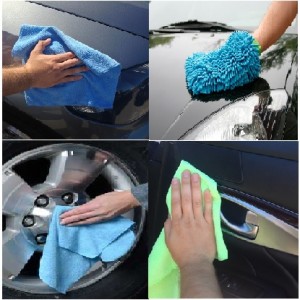
Microfiber is suitable for almost every detailing task:
- Washing exterior surfaces
- Drying after a wash
- Cleaning glass and mirrors
- Applying and removing wax or polish
- Interior cleaning (dashboard, seats, screens)
- Wheels and trim
You can even use different colored cloths for specific jobs to avoid cross-contamination (for example, using one color for wheels and another for paint).

Credit: www.familyhandyman.com
Microfiber Vs. Other Materials: How Do They Compare?
To see why microfiber is so popular, it helps to compare it with other common cleaning materials.
| Material | Absorbency | Scratch Risk | Lint Production |
|---|---|---|---|
| Microfiber | High | Low | Very Low |
| Cotton Towel | Medium | Medium | High |
| Paper Towel | Low | High | High |
| Chamois | High | Medium | Low |
As you can see, microfiber consistently outperforms other materials in car detailing essentials.
Why Microfiber Saves Time And Money
Many people think buying a pack of microfiber cloths is an extra expense. But in reality, they help you save money over time. Here’s why:
- Durability: Microfiber cloths can be washed and reused hundreds of times. A good-quality cloth can last for years with proper care.
- Less Product Needed: Because microfiber picks up so much dirt and absorbs so much liquid, you often need less soap, cleaner, or spray. The cloth does much of the work for you.
- Fewer Mistakes: Using the wrong cloth can cause scratches or leave streaks, leading to more work and, sometimes, costly repairs.
A non-obvious insight: Old bath towels or t-shirts might seem “free,” but they can actually cost you more if they damage your paint or force you to redo work.
How To Choose The Right Microfiber Cloth
Not all microfiber cloths are the same. Here’s what to look for:
Gsm (grams Per Square Meter)
GSM measures the density and thickness of the cloth. For car detailing, 250-350 GSM is good for general cleaning, while 350-450 GSM is better for drying or delicate work like buffing wax.
Blend Ratio
Check the polyester to polyamide ratio. The best cloths are usually 70/30 or 80/20 (polyester/polyamide). More polyamide means better absorbency and softness.
Pile Height
The “pile” is the length of the fibers. A high pile is plush and safe for paint, while a shorter pile is better for glass and interior surfaces.
Edging
Some microfiber cloths have stitched or silk edges to avoid scratching. Cheap cloths might have rough edges—avoid these for sensitive areas.
| Detailing Task | Recommended GSM | Best Pile | Edge Type |
|---|---|---|---|
| Washing/Drying | 350-450 | High | Silk/Stitched |
| Wax/Polish Removal | 300-400 | Medium | Soft |
| Glass Cleaning | 250-350 | Low | Microfiber Edge |
Caring For Your Microfiber Cloths
Microfiber is durable, but only if you treat it well. Improper washing can ruin the fibers, making them less effective or even scratchy.
Washing Tips:
- Wash separately from cotton (cotton fibers can get stuck in microfiber).
- Use mild detergent, no fabric softener or bleach.
- Wash in cool or warm water, not hot.
- Air dry or use a low heat setting.
Drying tip: Avoid dryer sheets—they coat fibers with chemicals, reducing absorption.
A common mistake is tossing microfiber in with bath towels or using too much detergent. This clogs the fibers and reduces cleaning power.
Microfiber For Every Part Of Your Car
One of the best things about microfiber is its versatility. Here are some practical examples for each area of your car:
Exterior Paint
Use a high-pile, plush cloth for washing and drying. This reduces the risk of dragging dirt and scratching the paint. For waxing, a medium-pile cloth works best for buffing.
Windows And Mirrors
A low-pile, tight-weave microfiber is ideal. It leaves glass spotless and streak-free, perfect for side mirrors and windshields.
Wheels And Tires
Wheels often collect brake dust and grime. Use a separate microfiber (different color) for wheels to avoid transferring dirt to the paint.
Interior Surfaces
A short-pile microfiber is gentle for dashboards, touch screens, and vents. For leather seats, a damp microfiber can clean without harsh chemicals.
Engine Bay
Microfiber cloths help safely remove grease and oil without scratching plastic or painted components.
Environmental Benefits Of Microfiber
Using microfiber is not just about better results—it’s also better for the environment. Because microfiber cleans so well, you use fewer chemicals and less water. Reusable cloths also reduce waste compared to disposable paper towels or wipes.
A single high-quality microfiber cloth can replace hundreds of paper towels over its life. That’s a smart choice for your wallet and the planet.
Credit: detailxperts.com
Common Mistakes When Using Microfiber Cloths
Even the best microfiber cloth won’t work well if used incorrectly. Here are a few mistakes to avoid:
- Using a dirty cloth: Always use a clean side or a new cloth, especially for sensitive surfaces. Dirt trapped in the fibers can cause scratches.
- Not folding the cloth: Fold into quarters to get multiple clean surfaces and more control.
- Wrong cloth for the job: Use different types of microfiber for paint, glass, and wheels. Mixing can cause cross-contamination.
- Improper washing: Using fabric softener or washing with cotton ruins microfiber’s cleaning ability.
- Overusing one cloth: Microfiber is absorbent, but it has limits. Switch to a fresh cloth before it becomes saturated.
Microfiber Cloths And Professional Detailing
Professional detailers almost always use microfiber. Why? Because their reputation depends on results. Many pros carry dozens of microfiber cloths in different colors, sizes, and types. They know that using the right cloth for each task prevents costly mistakes and delivers a showroom finish.
If you want your car to look its best, following the habits of professionals is a smart move.
The Science Behind Microfiber’s Effectiveness
Microfiber works at the microscopic level. The split fibers create more “edges” and surface area, which means they can grab particles that are invisible to the eye.
A study from the University of California, Davis found that microfiber can remove up to 98% of bacteria and 93% of viruses from surfaces with just water. This is why microfiber is also used in hospitals and clean rooms—a testament to its cleaning power. For car owners, this means a cleaner, safer interior, especially if you have kids or pets.
For further technical details on microfiber’s structure and cleaning abilities, you can visit the Wikipedia page on microfiber.
Real-world Example: Detailing Day
Let’s walk through a typical car detailing session to see microfiber in action.
You start by rinsing your car to remove loose dirt. For the wash, you grab a plush microfiber mitt, which lifts remaining particles safely. After rinsing, you use a high-pile microfiber towel to dry, leaving no water spots.
Next, you move to the windows. A tight-weave, low-pile microfiber cloth and a bit of glass cleaner leave the glass crystal clear—no streaks, no lint.
Inside, you use a short-pile microfiber to wipe the dashboard and touch screen. Because microfiber needs little or no chemicals, there’s no greasy residue.
You finish by applying wax with an applicator and buffing it off with a clean microfiber towel. The car shines, and you’ve done it all with just a handful of versatile, reusable cloths.

Credit: www.glidexwash.com
Frequently Asked Questions
Why Are Microfiber Cloths Better Than Regular Towels For Car Detailing?
Microfiber cloths have much finer fibers than cotton towels. They trap dirt and water instead of just pushing them around. This means better cleaning, less scratching, and a streak-free finish.
How Many Microfiber Cloths Do I Need For One Car Detailing Session?
Most people use 3 to 6 cloths per session: one for washing, one for drying, one for windows, one for wheels, and a couple for interior surfaces or buffing wax.
Can I Wash Microfiber Cloths With My Regular Laundry?
No. Always wash microfiber separately from other fabrics, especially cotton. Use a gentle detergent, skip fabric softener, and dry on low heat to protect the fibers.
How Do I Know When To Replace A Microfiber Cloth?
When a cloth feels rough, stops absorbing well, or leaves streaks, it’s time to replace it. High-quality microfiber can last hundreds of washes if cared for properly.
Are All Microfiber Cloths Safe For Car Paint?
Most are, but avoid low-quality or very cheap microfiber. Check for a high GSM, soft edges, and a good blend ratio (70/30 or 80/20). Always test a new cloth on a small area first.
A clean, shiny car is something to be proud of. Using microfiber cloths for detailing is a simple upgrade that delivers better results, saves you time and money, and protects your car’s finish. Once you make the switch, you’ll wonder how you ever got by without them.
Related posts
 Why You Should Use a Foam Cannon for Car Washing: Ultimate Guide
Washing your car is more than just making it look good. It protects the paint, keeps the value high, and makes driving feel better. But if…
 How to Clean Leather Seats Without Damaging Them: Expert Tips
Keeping your leather seats clean can be a challenge. Leather looks beautiful and feels luxurious, but it needs special care. Many people worry about damaging their…
 Why Using a Ceramic Coating Spray is Important for Your Car’s Shine
If you care about your car’s appearance and value, you probably wash and wax it regularly. But did you know there’s a better way to protect…