
How to Properly Wash And Maintain Car Paint for Lasting Shine
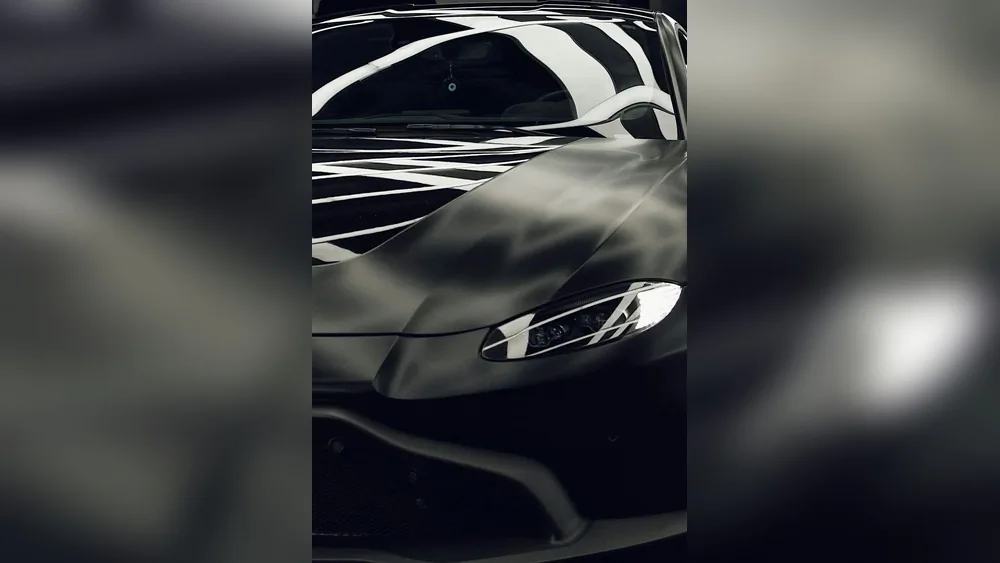
Washing your car is more than just keeping it looking good. Proper washing and maintenance protect the car paint, help the car last longer, and can even keep its value higher. Many people make small mistakes that can damage the paint, like using the wrong tools or washing in direct sunlight. With a little knowledge and care, you can keep your car’s paint shining for years.
Why Car Paint Care Matters
Car paint does more than make your vehicle look nice. It acts as a protective layer against rust, UV rays, and daily wear. If paint is scratched or damaged, moisture and dirt can reach the metal underneath, leading to rust and costly repairs. Even small scratches can reduce your car’s resale value. Regular washing and maintenance help keep the paint strong and glossy.
Choosing The Right Tools And Products
Many beginners grab any sponge or soap, but the wrong tools can create tiny scratches called swirl marks. Here’s what you need for safe washing:
| Tool/Product | Why It Matters | Common Mistake |
|---|---|---|
| Microfiber Wash Mitt | Gentle on paint, traps dirt | Using old towels or sponges |
| Two Buckets | Separates clean/dirty water | Single bucket, spreading grit |
| pH-balanced Car Soap | Protects wax & clear coat | Using dish soap, strips wax |
| Drying Towel (Microfiber) | Prevents water spots, scratches | Air drying, using bath towels |
Pro Tip: Never use kitchen sponges or old T-shirts. They can trap grit and scratch the paint.

Credit: www.lexusofconcord.com
Step-by-step Guide To Washing Your Car
Washing your car the right way makes a big difference. Follow these steps for best results:
1. Wash In The Shade
Sunlight dries soap and water too fast, leaving spots and streaks. Early morning or evening is best.
2. Rinse First
Spray the car with water to remove loose dirt. This reduces the chance of scratching.
3. Use The Two-bucket Method
Fill one bucket with soapy water, the other with clean water. After washing a section, rinse the mitt in the clean bucket before dipping back into soap.
4. Wash Top To Bottom
Clean the roof first, then work down. The lower parts are the dirtiest, so save them for last.
5. Use Straight Motions
Move the mitt in straight lines, not circles. This helps avoid swirl marks.
6. Rinse Often
Rinse off soap before it dries. Work in small sections for best results.
7. Dry With Microfiber Towel
Gently blot the water with a clean towel. Don’t drag the towel across the paint.
Example Washing Schedule
| Season | Recommended Frequency | Reason |
|---|---|---|
| Summer | Every 2 weeks | Pollen, bugs, UV exposure |
| Winter | Weekly | Road salt, grime buildup |
| Spring/Fall | Every 2-3 weeks | Rain, tree sap, changing weather |
Drying And Spot Removal
Water spots can etch into paint if left to dry. Always dry your car completely after washing. Use a microfiber drying towel and gently pat the surface. Avoid common mistakes like using paper towels or letting the car air dry.
For stubborn spots:
- Dampen a soft microfiber cloth with a mix of water and white vinegar (50/50).
- Gently rub the spot, then rinse and dry.
If you notice bird droppings or tree sap, clean them as soon as possible. These can quickly damage paint if left for more than a few hours.
Protecting The Paint: Wax, Sealants, And Ceramic Coatings
Washing removes dirt, but protection is the next step. There are three main ways to protect your car paint:
Wax
- Lasts 1-3 months
- Adds shine and water beading
- Easy to apply at home
Paint Sealants
- Lasts 3-6 months
- Synthetic, stronger protection
- Good for all weather
Ceramic Coatings
- Lasts 1-2 years (or more)
- Creates a hard, glass-like layer
- Best applied by a pro (but DIY kits exist)
Here’s how they compare:
| Type | Protection Duration | Gloss Level | Application Difficulty |
|---|---|---|---|
| Wax | 1-3 months | Medium | Easy |
| Sealant | 3-6 months | High | Moderate |
| Ceramic Coating | 1-2 years | Very High | Hard |
Non-obvious tip: Even with ceramic coatings, you still need to wash the car carefully. No product makes paint “scratch-proof.”
Dealing With Scratches And Swirl Marks
Even with care, small scratches can happen. The first step is to check how deep they are:
- Surface scratches: Only in the clear coat, often removable with polish.
- Deep scratches: Reach the color or even the metal, may need pro repair.
For minor scratches:
- Clean the area.
- Use a scratch remover or light polish on a microfiber pad.
- Rub gently in straight lines, not circles.
- Wipe clean and inspect.
Never use strong abrasives or household cleaners. These can make the problem worse.
Hidden insight: Many “scratches” are really just marks in the clear coat. Try polishing before assuming you need paint repair.

Credit: www.youtube.com
Common Mistakes To Avoid
Many car owners accidentally damage their paint by making these mistakes:
1. Washing With Dish Soap
Dish soap removes wax and dries out paint. Always use car-specific soap.
2. Skipping The Rinse Bucket
Using only one bucket grinds dirt into the paint.
3. Washing In Circles
Circular motions create visible swirl marks.
4. Using Old Towels
Bath towels or paper towels are too rough for car paint.
5. Ignoring Problem Spots
Bird droppings, sap, and bugs can damage paint in hours.
6. Washing In Direct Sunlight
Heat dries soap and water too fast, leaving spots.
Expert tip: Always check your tools for grit before starting. Even a little dirt in a mitt can scratch the paint.
Seasonal Maintenance Tips
Your car needs different care in each season:
- Winter: Wash more often to remove salt and sand. Wax before winter for extra protection.
- Spring: Remove pollen and tree sap quickly. Check for paint damage from winter.
- Summer: Park in the shade if possible. UV rays can fade paint.
- Fall: Clean off leaves and acorns; their acids damage paint.
Professional Detailing Vs. Diy
Some car owners prefer to use professional detailers for deep cleaning and paint correction. Here’s when to consider a pro:
- Severe scratches or faded paint
- Applying ceramic coatings
- Before selling your car
DIY is great for regular washing and basic protection. Professional services are best for serious issues or if you want show-car results.
How To Spot Paint Problems Early
Regular washing helps you notice problems early. Look for:
- Fading or dullness: Sun damage or lack of protection.
- Rough spots: Contaminants like tar or sap.
- Water not beading: Time to reapply wax or sealant.
- Tiny rust spots: Often from road salt or chips.
Address these quickly to prevent bigger problems.
Practical Tips For Long-lasting Car Paint
- Park in the shade or use a car cover when possible.
- Rinse the car after driving on salted roads or near the sea.
- Use touch-up paint for small chips before they rust.
- Keep a quick detailer spray and microfiber cloth in your car for emergencies (like bird droppings).
- Avoid automatic car washes with brushes—they can scratch paint.
Less obvious advice: Wash your car’s undercarriage, especially in winter. Salt and grime can cause rust where you can’t see it.
Frequently Asked Questions
How Often Should I Wash My Car To Protect The Paint?
Washing every two weeks is a good rule for most people. In winter or high-pollen seasons, wash weekly. Dirt, salt, and bugs can damage paint quickly if left too long.
Can I Use Household Cleaners On My Car?
No, household cleaners like dish soap or glass cleaner can strip wax and harm paint. Use only car-specific soaps and products for washing and cleaning.
Is It Safe To Use Automatic Car Washes?
Touchless automatic washes are generally safe for paint. Avoid car washes with brushes, as they can create scratches and swirls, especially over time.
How Do I Remove Bird Droppings Without Damaging The Paint?
Gently soak the spot with water and a microfiber cloth. Never scrub hard. For tough spots, use a dedicated bug and tar remover. Clean bird droppings as soon as possible to prevent etching.
What Is The Best Way To Protect My Car Paint Long-term?
Regular washing, applying wax or sealant every few months, parking in the shade, and cleaning off contaminants quickly are the best ways. Consider ceramic coatings for maximum protection, but remember they still need proper care.
Caring for your car’s paint is not difficult, but it does require the right tools, products, and a little attention to detail. By following the steps above, avoiding common mistakes, and protecting your paint, your vehicle can look new for years. For more on car paint technology and care, check out this resource from Wikipedia. With regular care, your car’s shine won’t just be for show—it’ll protect your investment every day.

Credit: 3dproductsindia.in
Related posts
 Why You Should Use a Foam Cannon for Car Washing: Ultimate Guide
Washing your car is more than just making it look good. It protects the paint, keeps the value high, and makes driving feel better. But if…
 How to Clean Leather Seats Without Damaging Them: Expert Tips
Keeping your leather seats clean can be a challenge. Leather looks beautiful and feels luxurious, but it needs special care. Many people worry about damaging their…
 Why Using a Ceramic Coating Spray is Important for Your Car’s Shine
If you care about your car’s appearance and value, you probably wash and wax it regularly. But did you know there’s a better way to protect…