
How to Restore Shine to Dull Plastic Trim: Easy DIY Guide
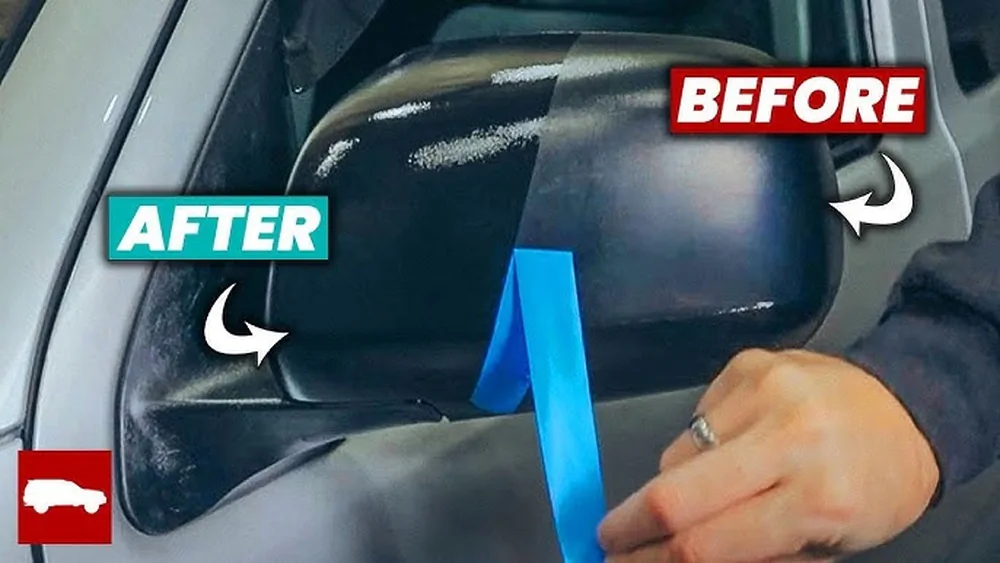
Restoring Shine To Dull Plastic Trim: A Complete Guide
Plastic trim is everywhere on cars, motorcycles, garden tools, and even home appliances. Over time, this plastic trim can fade, turn gray, and lose its shine. Sunlight, weather, car washes, and chemicals all play a role. Restoring that deep black or original color isn’t just about looks—it can add value, show pride in ownership, and extend the life of your trim.
Many people think restoring plastic is complicated or expensive. In reality, with the right approach, you can bring back the shine at home, often in less than an hour. This guide gives you clear steps, practical tips, and expert insights, so even if you’re not a car care expert, you’ll get great results.
Why Does Plastic Trim Lose Its Shine?
Plastic trim fades mainly because of UV exposure. The sun’s ultraviolet rays break down the oils and dyes in the plastic, causing color loss and a chalky appearance. Road salt, harsh cleaners, and even automatic car washes can speed up this process.
Another reason is oxidation. As plastic ages, the surface molecules react with oxygen in the air, creating a dull, rough layer. This layer blocks light and hides the deeper, original color beneath.
Some common mistakes, like using the wrong cleaning products, can make things worse. For example, household cleaners that aren’t made for plastic may strip away protective coatings, leaving trim more exposed to the elements.
Key Methods For Restoring Shine
There are several proven methods to restore shine to dull plastic trim. Each method has its pros and cons, depending on your budget, time, and how long you want the results to last.
| Method | Average Cost | Ease of Use | Durability |
|---|---|---|---|
| Trim Restorer Product | $10–$30 | Easy | Up to 6 months |
| Heat Gun | $20–$50 | Moderate | 6–12 months |
| DIY Home Remedies | $0–$5 | Easy | 1–4 weeks |
| Ceramic Coating | $20–$60 | Intermediate | 12+ months |
Let’s break down each method so you can choose what works best for your situation.
Using A Plastic Trim Restorer
Plastic trim restorers are made to bring back color and shine. They usually contain oils, silicone, or polymers that fill the faded surface and add a protective layer.
Steps To Use A Trim Restorer
1. Clean The Trim Well
Dirt, wax, or old dressings can block the restorer. Use a dedicated plastic cleaner or mild soap and water. A toothbrush can help scrub textured surfaces.
2. Dry The Area
Moisture can stop the product from bonding. Let the trim dry fully, or use a microfiber towel.
3. Apply The Restorer
Use a foam applicator pad or microfiber cloth. Put a small amount of restorer on the pad and rub it evenly into the trim. Work in straight lines for best results.
4. Buff Off Extra Product
After a few minutes, wipe away any excess with a clean cloth. This prevents sticky or oily spots.
5. Let It Cure
Most restorers need 10–30 minutes to set. Avoid rain or washing your car during this time.
Practical tip: Some trims may need a second coat if they are very faded. Always check the product label for specific instructions.
Advantages And Common Mistakes
Trim restorers are quick, easy, and affordable. But many beginners use too much product, which can leave streaks or attract dust. Less is more—apply thin layers, and don’t forget to buff off the extra.
Restoring Shine With A Heat Gun
A heat gun can bring back color by melting the top oxidized layer, revealing fresh plastic underneath. This method works well for deep fading but needs care.
How To Use A Heat Gun Safely
1. Clean The Trim
Remove all dirt and oils, as heat can bake them into the plastic.
2. Set The Heat Gun To Low
High heat can warp or melt the trim. Start with the lowest setting and keep the gun moving.
3. Heat The Plastic Evenly
Hold the gun 4–6 inches away. Sweep back and forth slowly. You’ll see the color darken as the plastic warms.
4. Stop As Soon As You See Improvement
Too much heat can cause permanent damage. If you see smoke or bubbling, move the gun away immediately.
5. Let The Trim Cool
Once done, let the trim cool for at least 10 minutes. You can add a trim restorer for extra shine.
Advantages And Pitfalls
A heat gun gives longer-lasting results than most products. But it’s easy to overdo it—practice on an old part if possible. Never use a hair dryer; it doesn’t get hot enough and can actually damage some plastics.

Credit: www.amazon.com
Home Remedies: Diy Options
Some people use household products to restore plastic trim. The results are usually temporary, but they can work if you need a quick fix.
Popular Diy Methods
- Peanut butter: The natural oils can restore some color and add shine. Apply a small amount, rub in circles, let sit for 5 minutes, then wipe clean.
- Olive oil or vegetable oil: Rub a few drops onto the trim, let it soak for a few minutes, then buff off the extra.
- WD-40: Spray onto a cloth, rub on the trim, and wipe away any residue.
Expert insight: Oils can make trim look better, but they wash away quickly and may leave streaks. Don’t use these methods on interior trim or surfaces you touch often, as they can feel greasy.
Are Diy Methods Safe?
They’re safe for short-term use but won’t last long. Over time, oils can attract dust or even degrade some plastics, so don’t rely on these as your main solution.
Advanced Restoration: Ceramic Coating
For a long-lasting solution, ceramic coatings are a top choice. These create a hard, invisible layer that blocks UV and resists dirt and chemicals.
| Feature | Traditional Restorer | Ceramic Coating |
|---|---|---|
| Typical Lifespan | 3–6 months | 12–24 months |
| Water Resistance | Medium | High |
| UV Protection | Medium | Excellent |
| Cost | Low | High |
Applying Ceramic Coating
1. Deep Clean The Trim
Any dirt or oil will prevent the coating from sticking. Use isopropyl alcohol after washing to remove any leftover oils.
2. Apply Using An Applicator Pad
Use the supplied pad to spread a thin, even layer. Wear gloves, and avoid touching painted surfaces.
3. Let It Cure
Most coatings need at least 1–2 hours to set. For best results, avoid water for 24 hours.
What To Watch Out For
Ceramic coatings are more expensive and can be tricky to apply. If applied unevenly, they may leave streaks or high spots. If in doubt, watch video tutorials or ask a professional.

Credit: www.youtube.com
How To Keep Plastic Trim Looking New
Once your trim is shiny again, regular care will keep it that way.
1. Wash Regularly
Use a gentle soap and avoid harsh chemicals. Rinse well to remove salt and dirt.
2. Apply Uv Protection
Even after restoring, a monthly application of a UV-blocking spray helps maintain color.
3. Avoid Automatic Car Wash Brushes
These can scratch and dull plastic over time.
4. Spot-clean Spills Quickly
Road tar, tree sap, or bird droppings can stain plastic. Clean these off as soon as possible.
Non-obvious tip: Always dry your trim after washing. Water spots can leave mineral deposits that speed up fading.
Common Questions And Mistakes
Many people wonder if they can paint over faded trim. Paint can look good at first but often flakes or peels after a few months, especially without proper prep. Always clean and restore the trim before considering paint.
Some car owners try to sand the trim. This can work for certain plastics, but it’s risky for most modern vehicles and may ruin the texture.

Credit: www.reddit.com
When To Replace Instead Of Restore
Sometimes, restoration isn’t enough. If the plastic is cracked, deeply gouged, or has turned white all the way through, replacement might be the best option.
| Trim Condition | Best Solution |
|---|---|
| Light fading | Restorer or DIY |
| Heavy fading, no cracks | Heat gun or ceramic coating |
| Cracked or warped | Replace trim |
| White spots that don’t fade | Replace trim |
Always check if new trim is available for your vehicle. Sometimes, a replacement is affordable and gives the best long-term results.
Frequently Asked Questions
What Is The Best Way To Restore Plastic Trim On A Car?
The best way depends on your trim’s condition and your budget. For most faded trim, a good plastic restorer works well. For longer-lasting results, try a ceramic coating. If the trim is very faded, a heat gun may help, but use it carefully to avoid damage.
Can I Use Household Products Like Olive Oil Or Peanut Butter?
Yes, but only as a temporary fix. Olive oil and peanut butter can add shine, but the effect fades quickly and may attract dust. For lasting results, use products made for automotive trim.
How Long Does The Restored Shine Usually Last?
It depends on the method:
- DIY oils: 1–4 weeks
- Trim restorer: 3–6 months
- Ceramic coating: Up to 2 years
Regular washing and UV protection help the shine last longer.
Is It Safe To Use A Heat Gun On All Types Of Plastic Trim?
Not always. Most automotive exterior trim responds well, but interior plastics or thin trims may warp or melt. Always test on a hidden spot and keep the gun moving.
Where Can I Learn More About Plastic Restoration And Car Detailing?
A good starting point is the Wikipedia page on car detailing, which covers methods, terms, and advanced care techniques.
Restoring shine to dull plastic trim isn’t just about appearance—it helps protect your investment and adds pride every time you see your vehicle. With the right tools and a bit of care, you can keep your trim looking like new for years to come.
Related posts
 Why You Should Use a Foam Cannon for Car Washing: Ultimate Guide
Washing your car is more than just making it look good. It protects the paint, keeps the value high, and makes driving feel better. But if…
 How to Clean Leather Seats Without Damaging Them: Expert Tips
Keeping your leather seats clean can be a challenge. Leather looks beautiful and feels luxurious, but it needs special care. Many people worry about damaging their…
 Why Using a Ceramic Coating Spray is Important for Your Car’s Shine
If you care about your car’s appearance and value, you probably wash and wax it regularly. But did you know there’s a better way to protect…