
How to Clean Upholstery With a Steam Cleaner: Expert Tips
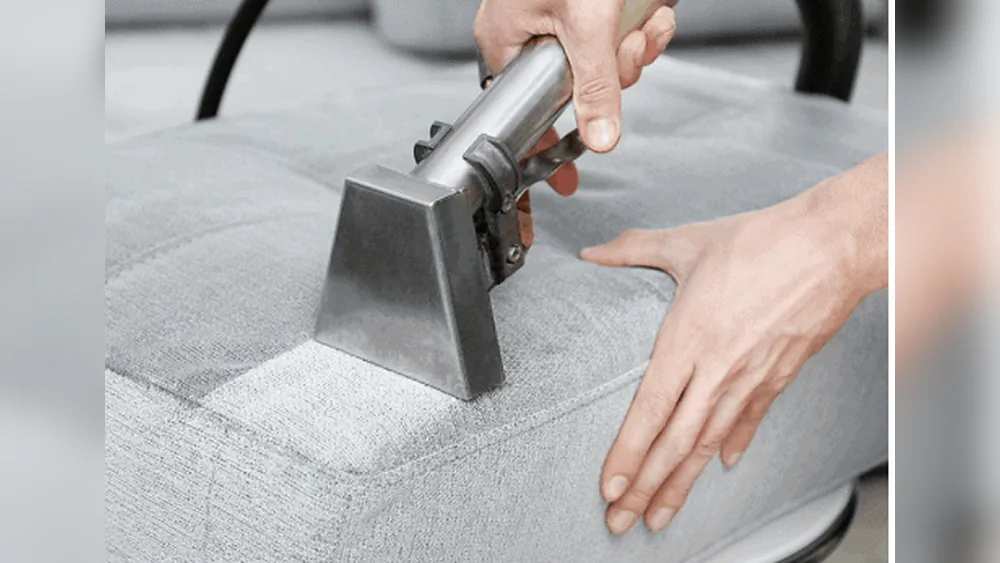
Cleaning upholstered furniture can seem like a big challenge, especially when you want to remove deep dirt, stains, or dust mites. Regular vacuuming helps, but sometimes you need a deeper clean. That’s where a steam cleaner becomes a powerful tool. Using steam is not just about removing dirt—it’s also about killing germs and freshening up fabrics without using harsh chemicals. If you want your sofas, chairs, or car seats to look and feel new again, learning how to clean upholstery with a steam cleaner is a smart investment.
Why Steam Cleaning Upholstery Works So Well
Steam cleaning uses high-temperature steam to loosen dirt, lift stains, and sanitize surfaces. Unlike many chemical cleaners, steam penetrates deep into the fabric, reaching places a vacuum or surface spray cannot. The heat from the steam can kill up to 99.9% of bacteria and dust mites, which is especially useful for allergy sufferers.
Another advantage is that steam cleaning uses only water—no soaps or chemicals. This means there is no sticky residue left behind, and it’s safer for homes with children or pets. However, not every fabric is suitable for steam cleaning, so it’s important to check your upholstery’s cleaning code first.
Understanding Upholstery Cleaning Codes
Before you begin, always check the manufacturer’s tag on your furniture. This small label tells you what kind of cleaning your fabric can handle. Here’s a quick guide:
| Code | What It Means | Suitable for Steam Cleaning? |
|---|---|---|
| W | Water-based cleaners only | Yes |
| S | Solvent-based cleaners only | No |
| WS | Water or solvent-based cleaners | Yes, with caution |
| X | Vacuum only, no water or solvent | No |
If your upholstery is labeled W or WS, you can use a steam cleaner. For S or X codes, stick to dry cleaning methods or vacuuming only.
Choosing The Right Steam Cleaner
Not all steam cleaners are the same. Some are designed for floors, while others have special attachments for fabric and furniture. For upholstery, you need a steam cleaner with:
- Adjustable steam settings: Softer fabrics need less steam.
- Upholstery attachment: Usually a small, fabric-safe tool.
- Good water tank capacity: So you don’t need to refill too often.
Here’s a comparison of common steam cleaners for upholstery:
| Model | Best For | Tank Size | Notable Feature |
|---|---|---|---|
| Handheld Steamers | Spot cleaning, small items | 6-12 oz | Lightweight, portable |
| Canister Steam Cleaners | Sofas, large chairs | 40-60 oz | More power, longer cleaning |
| Upright Carpet Cleaners | Carpet and upholstery | Varies | Multiple attachments |
Handheld steamers are great for quick jobs, while canister models work better for whole couches or deeper cleaning.
How To Prepare Upholstery For Steam Cleaning
A good result starts with the right preparation. Skipping these steps can lead to uneven cleaning or even damage.
- Vacuum thoroughly: Remove dust, hair, and crumbs. Use a crevice tool to get between cushions and along seams.
- Remove cushions: If possible, take off loose cushions for separate cleaning.
- Spot test a hidden area: Use your steam cleaner on a small, unseen section. Wait for it to dry and check for any discoloration or damage.
- Pre-treat stains: For tough spots (like wine, ink, or grease), use a fabric-safe stain remover. Let it sit for a few minutes, then blot with a clean towel.
Pro tip: Always let the upholstery dry fully after spot testing before moving on. Some damage or color changes only show after drying.
Step-by-step: Cleaning Upholstery With A Steam Cleaner
Ready to start? Here’s a clear process for using a steam cleaner on most upholstered furniture:
1. Read The Manual
Every steam cleaner is a little different. Read the manufacturer’s instructions for your specific machine, especially about using attachments and refilling the water tank.
2. Fill The Tank With Water
Use distilled water if possible, as tap water can leave mineral deposits inside the machine. Fill to the recommended line and let the steam cleaner heat up. Most models take 5–8 minutes.
3. Attach The Upholstery Tool
Connect the upholstery attachment. Some models have a cloth cover or pad—make sure it’s clean and in place.
4. Start Cleaning
- Begin at the top of the furniture and work down. This stops dirty water from dripping onto already-cleaned areas.
- Move slowly, about 1 inch per second.
- Do not soak the fabric. A slow, steady pass is usually enough.
- Overlap each pass to avoid missed spots.
- For stubborn stains, pause for a few seconds, but don’t linger too long—excess moisture can damage some fabrics.
5. Wipe And Blot
After steaming a section, use a clean microfiber towel to blot up any excess moisture and loosened dirt. This step helps the fabric dry faster and prevents water marks.
6. Repeat For Cushions
If you removed cushions, clean them one side at a time. Let each side dry before flipping.
7. Allow To Dry Completely
Open windows or use fans to speed up drying. Avoid using the furniture until it’s fully dry to prevent mildew or odor.
Common Mistakes To Avoid
Many first-time steam cleaner users make the same errors. Here are a few to watch for:
- Skipping the vacuuming: Steam can push dirt deeper if you don’t vacuum first.
- Using too much steam: Over-wetting can cause water stains or shrinkage, especially on delicate fabrics.
- Not blotting: Skipping the towel step leaves too much moisture in the upholstery.
- Cleaning without a test: Some fabrics, especially vintage or silk, may react badly to steam.

Credit: www.youtube.com
How Often Should You Steam Clean Upholstery?
Most experts recommend steam cleaning every 6–12 months for average homes. For families with kids, pets, or allergies, every 3–6 months is better. Regular cleaning keeps fabrics looking good and extends their life.
What To Do After Steam Cleaning
Once your upholstery is clean, there are a few things you can do to keep it looking fresh:
- Apply a fabric protector: These sprays help repel stains and make future cleaning easier.
- Rotate cushions regularly: This prevents uneven wear.
- Vacuum weekly: Removing dust and crumbs stops them from settling deep into the fibers.

Credit: www.wagnerspraytech.com
When Not To Use A Steam Cleaner
Some materials and situations are not safe for steam cleaning. Avoid steam cleaning:
- Leather or suede: Steam can dry out or warp these materials.
- Delicate vintage fabrics: They may shrink, discolor, or weaken.
- Furniture with an S or X cleaning code: These require dry cleaning or vacuuming only.
- If the stuffing is foam: Too much moisture can lead to mold inside the furniture.
If you’re unsure, check with the manufacturer or a professional upholstery cleaner.
Comparing Steam Cleaning To Other Methods
Steam cleaning isn’t the only way to refresh upholstery. Here’s how it compares to other popular methods:
| Method | Pros | Cons |
|---|---|---|
| Steam Cleaning | Kills germs, deep clean, no chemicals | Not for all fabrics, drying time |
| Vacuuming | Fast, safe for all fabrics | Only surface cleaning |
| Shampooing | Good for heavy stains | Can leave residue, longer drying |
| Dry Cleaning | Safe for sensitive fabrics | Does not sanitize, chemical use |
Steam cleaning stands out because it cleans deeply and sanitizes at the same time, but it’s not the right fit for every situation.
Two Surprising Tips Most Beginners Miss
- Use distilled water in your steam cleaner. Tap water can leave behind minerals that clog the machine and may even cause white marks on dark fabrics. Distilled water keeps your steamer running longer and your upholstery looking better.
- Work in small sections and don’t rush. Many people try to clean a whole couch quickly, but steam cleaning is most effective when you move slowly and allow the steam to do its job. Rushing can lead to streaks, missed spots, and uneven results.
When To Call A Professional
Even with the best tools, some jobs are too tough for DIY steam cleaning. If your upholstery has heavy stains, odors, or delicate fabrics, professional cleaners have special equipment and solvents that can help. This is especially true for antiques or furniture with sentimental value.
Professional cleaners often use commercial-grade steamers that reach higher temperatures and pressures than home models. If you’re unsure or want the safest possible clean, consider hiring an expert. For more on professional upholstery cleaning, you can visit the Wikipedia page on upholstery cleaning.

Credit: www.wagnerspraytech.com
Frequently Asked Questions
How Long Does It Take For Upholstery To Dry After Steam Cleaning?
Most upholstery will dry within 2 to 6 hours after steam cleaning, depending on the fabric, room temperature, and air circulation. Using fans or opening windows can help speed up the drying process.
Can I Use A Steam Cleaner On All Types Of Upholstery?
No. Always check the cleaning code on your furniture. Avoid steam cleaning S or X coded fabrics, leather, and delicate materials. For these, use dry cleaning or consult a professional.
What Should I Do If Water Stains Appear After Steam Cleaning?
If you notice water marks, blot the area with a clean, dry towel and let it air dry completely. Sometimes repeating the steam cleaning process (with less moisture) can help even out the appearance. Always avoid over-wetting the fabric.
Do Steam Cleaners Remove Odors From Upholstery?
Yes, steam cleaning can effectively remove many odors, including pet smells and smoke. The heat kills bacteria and breaks down odor-causing particles. For strong odors, you may need to clean more than once or use a fabric-safe deodorizer.
Is Steam Cleaning Safe For Allergy Sufferers?
Absolutely. Steam cleaning kills dust mites, bacteria, and mold spores without using chemicals. This makes it one of the best ways to reduce allergens in your home and create a healthier environment.
Cleaning upholstery with a steam cleaner is simple once you know the steps. With a bit of care and patience, your furniture will stay fresh, clean, and inviting for years to come.
Related posts
 Why You Should Use a Foam Cannon for Car Washing: Ultimate Guide
Washing your car is more than just making it look good. It protects the paint, keeps the value high, and makes driving feel better. But if…
 How to Clean Leather Seats Without Damaging Them: Expert Tips
Keeping your leather seats clean can be a challenge. Leather looks beautiful and feels luxurious, but it needs special care. Many people worry about damaging their…
 Why Using a Ceramic Coating Spray is Important for Your Car’s Shine
If you care about your car’s appearance and value, you probably wash and wax it regularly. But did you know there’s a better way to protect…