
Why a Wax Coating is Important for Your Vehicle: Top Benefits
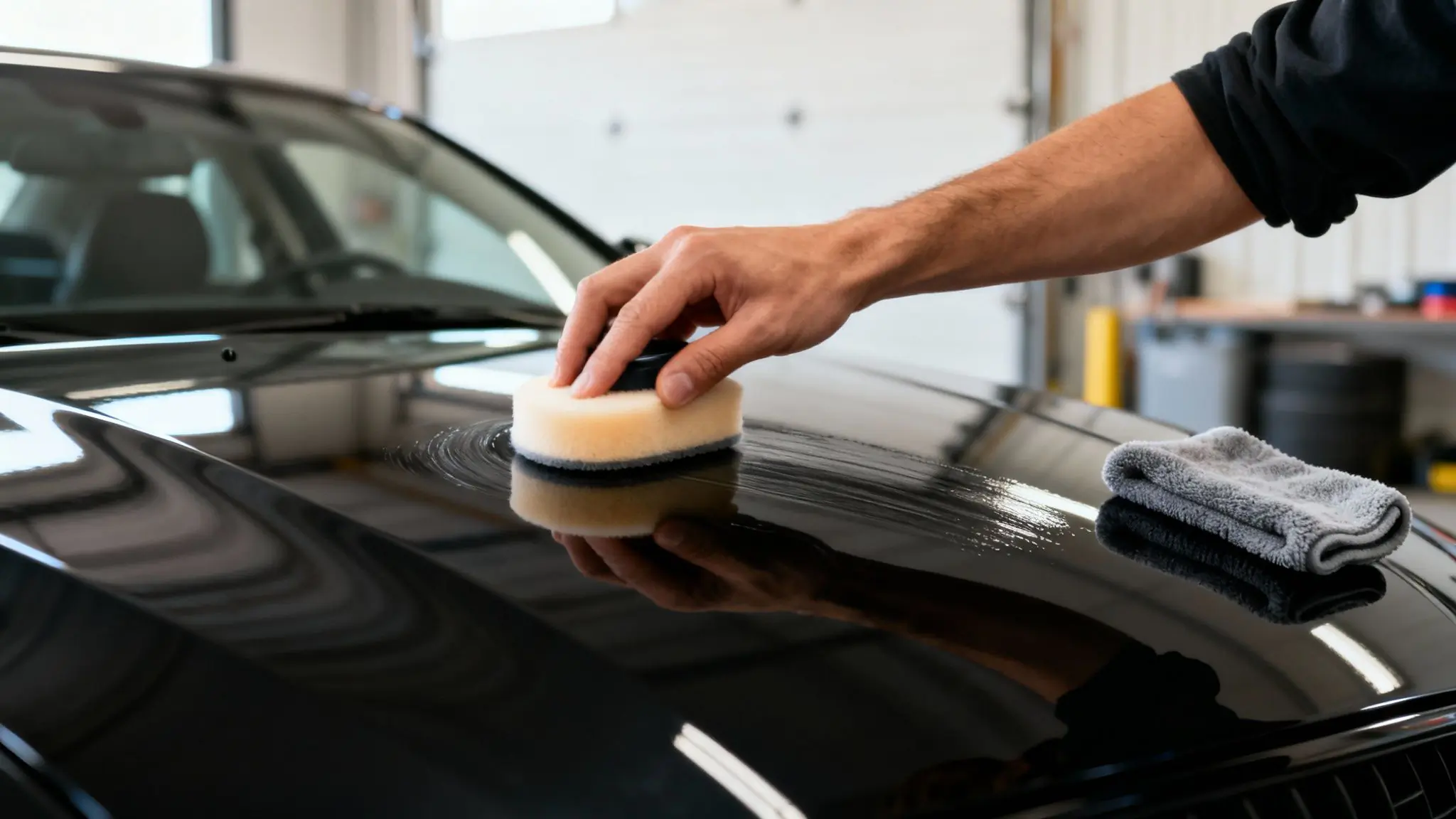
Keeping your vehicle looking great is not just about pride—it’s also about protection. Many car owners spend time washing and cleaning their vehicles, but overlook one important step: applying a wax coating. Waxing may sound like an extra chore, but it plays a powerful role in preserving your car’s appearance and value. If you’re wondering why a wax coating is important for your vehicle, you’re about to find out how this simple habit can save you money, reduce repairs, and keep your ride shining for years.
How Wax Coating Protects Your Car’s Paint
The paint on your car faces many challenges every day. Sunlight, rain, dust, bird droppings, tree sap, and even tiny stones can damage the surface. A wax coating acts like a shield, adding an extra layer over the clear coat and paint. This protection helps in several ways:
- Blocks UV rays: Sunlight can fade and weaken paint over time. Wax reflects some of these rays, slowing down fading and oxidation.
- Repels water: Water can carry dirt and chemicals that stain or rust your car. Wax makes water bead up and roll off, taking dirt with it.
- Guards against contaminants: Wax helps block things like bird droppings, bugs, and tar from sticking to the paint, making them easier to clean.
Real-world Data: Paint Damage Without Wax
Let’s look at how quickly paint can degrade without protection:
| Paint Exposure | Time to Noticeable Damage | Common Issues |
|---|---|---|
| Unprotected (No Wax) | 6-12 Months | Fading, Swirl Marks, Stains |
| With Regular Wax | 2-3 Years | Minimal Fading, Easy Cleaning |
As the table shows, using wax can extend the healthy look of your car’s paint by years.
Boosting Your Car’s Shine And Appearance
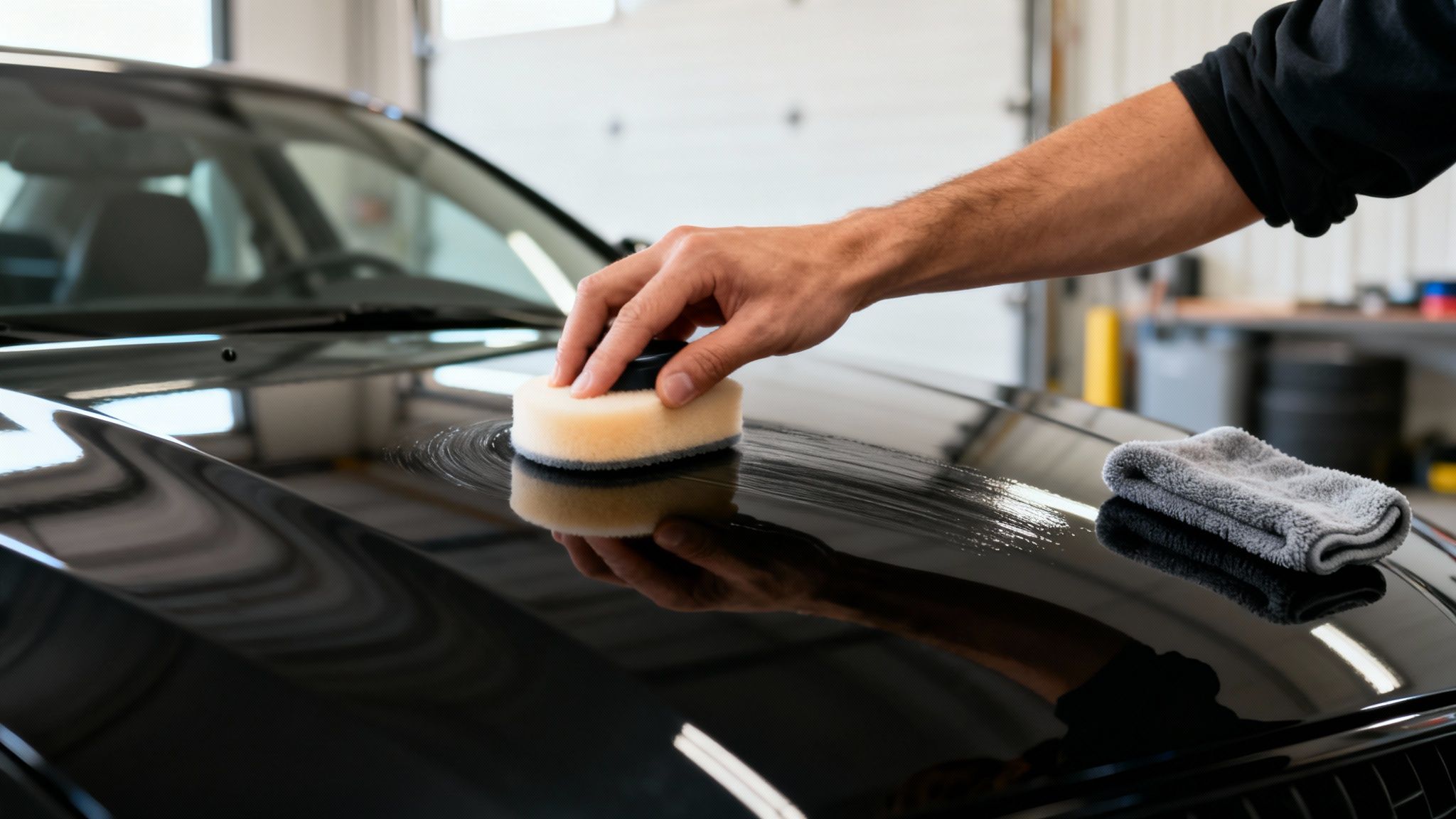
A fresh wax job does more than protect—it also transforms how your car looks. Wax fills in tiny scratches and evens out the paint surface, giving your vehicle a glossy, mirror-like shine. This shine is not just for show. A shiny car is easier to clean, as dirt and grime have less surface to grip.
Some owners notice that after waxing, water forms perfect beads and rolls off easily. This is a sign of a healthy, protected finish. If your car looks dull even after washing, it’s likely time for a new coat of wax.
Credit: carmedicsautowerks.com
Resale Value: How Waxing Pays You Back
Many buyers judge a used car by its appearance. A vehicle with faded, scratched paint looks older and less cared for, which can lower its resale value by hundreds or even thousands of dollars. Keeping up with waxing makes your car look newer, which helps you get a better price when you sell or trade it in.
According to the National Automobile Dealers Association (NADA), vehicles with excellent exterior condition can sell for up to 10% more compared to similar models with poor paint. For a $20,000 car, that’s up to $2,000 more in your pocket—just for keeping the paint protected.
Wax Vs. Other Paint Protection Options
It’s easy to get confused between wax, polish, sealants, and ceramic coatings. Here’s a quick comparison to help you choose what’s best for your needs:
| Protection Type | Lasts (Average) | Ease of Application | Cost |
|---|---|---|---|
| Wax | 2-3 Months | Easy | Low |
| Sealant | 6-12 Months | Moderate | Medium |
| Ceramic Coating | 2-5 Years | Difficult | High |
For most drivers, waxing is the best mix of cost, ease, and protection—especially if you’re new to car care.

Credit: retrodetailing.com
Waxing Helps Prevent Rust And Corrosion
One fact that surprises many car owners is that waxing doesn’t just protect paint; it can also help fight rust and corrosion. Here’s how:
- Seals tiny cracks: Wax fills in small scratches or chips where water might get under the paint.
- Repels salt and chemicals: In winter, road salt is a big threat to metal parts. Wax acts as a barrier, making it harder for salt and chemicals to stick and cause rust.
If you live near the ocean or in a region with snowy winters, waxing regularly is even more important.
How Often Should You Wax Your Vehicle?
You might wonder how often you need to wax your car to get all these benefits. The answer depends on your driving habits, climate, and the type of wax you use. Most experts suggest waxing every two to three months for best results.
Signs Your Car Needs Wax
- Water no longer beads on the surface
- Paint feels rough or looks dull
- After washing, the car doesn’t shine like before
In very hot, sunny, or harsh climates, you may need to wax more often. In mild climates, every three to four months might be enough.
Diy Waxing Vs. Professional Services
You can wax your car at home or pay a professional. Each choice has pros and cons.
Diy Waxing
- Affordable: Basic wax products cost between $10 and $30.
- Takes time: Expect to spend 1-2 hours for a full job.
- Good for light protection: Perfect for regular touch-ups.
Professional Waxing
- Expert application: Professionals use high-quality products and tools.
- Longer-lasting shine: Some shops offer advanced wax blends or sealants.
- More expensive: Prices range from $50 to $150 or more.
If you enjoy caring for your car, DIY waxing is a rewarding and cost-effective choice. For a special event or deep protection, a professional service can be a smart investment.
Common Mistakes When Waxing Your Car
Waxing is simple, but some common errors can reduce its benefits. Here’s what to avoid:
- Applying wax in direct sunlight: This can make the wax dry too quickly, leaving streaks or haze.
- Using dirty applicators: Dirt or sand can scratch your paint.
- Applying too much wax: A thin, even layer is enough—extra wax doesn’t add more protection.
- Skipping the wash: Waxing a dirty car seals in dust and grime.
- Not removing old wax: Layering new wax over old, dirty wax can cause buildup and dullness.
For best results, always wash and dry your car before waxing, use clean, soft applicators, and follow the product instructions.
Credit: www.ebay.com
Different Types Of Car Wax
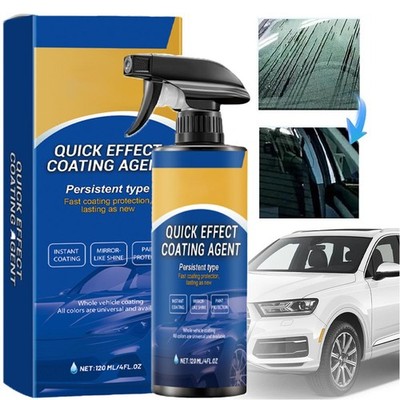
There are several types of wax, each with its own strengths:
- Carnauba wax: Made from a Brazilian palm, this wax gives a deep shine but may not last as long.
- Synthetic wax (polymer): Designed for durability, these waxes can last longer and are easier to apply.
- Spray wax: Fast and easy, but offers less protection—good for quick touch-ups.
Here’s a quick look at how they compare:
| Wax Type | Shine | Durability | Application Time |
|---|---|---|---|
| Carnauba | High | 1-2 Months | Moderate |
| Synthetic | Medium | 2-4 Months | Easy |
| Spray | Low | 2-4 Weeks | Very Fast |
Choose the wax that fits your needs and schedule. If you want the best shine for a car show, try carnauba. For easy, regular protection, synthetic or spray wax can work well.
Extra Benefits Most People Don’t Realize
Many drivers focus on shine and protection, but waxing offers a few more benefits:
- Easier cleaning: Dirt, bugs, and tar wash off with less effort on a waxed car.
- Reduces minor scratches: Wax can hide and fill small swirl marks or scratches, making them less visible.
- Prevents water spots: Because water beads and rolls off, you’re less likely to get marks from dried water.
- Saves money on detailing: Regular waxing reduces the need for expensive paint correction or restoration.
A non-obvious tip: If your car is wrapped in a vinyl or matte finish, always check the care instructions. Some waxes are not safe for these surfaces and may cause discoloration.
Environmental Impact Of Waxing
Waxing your car can also be eco-friendly if you choose the right products. Many modern waxes are made with natural ingredients and are biodegradable. By using less water (since dirt washes off easily), you help conserve resources. However, avoid letting wax or wash water run into storm drains, as chemicals can harm waterways.
The Role Of Wax In Modern Car Care
Some people believe that newer cars with advanced clear coats don’t need wax. This is a myth. While clear coats add some protection, they are still vulnerable to UV rays, chemicals, and scratches. Wax adds an extra layer, making it easier to maintain that “just bought” look.
For more technical details about automotive paint protection, you can check the Car wax page on Wikipedia.
Frequently Asked Questions
How Long Does A Wax Coating Last On My Car?
Most wax coatings last between two to three months. The exact time depends on your local climate, how often you drive, and the type of wax used. Synthetic waxes usually last longer than natural ones.
Is Waxing Necessary For New Cars?
Yes, even brand-new cars benefit from wax. Modern paint is still exposed to sunlight, pollution, and road debris. Waxing early helps keep the paint looking fresh and prevents early damage.
Can I Wax My Car Too Often?
Waxing too frequently (like every week) is not helpful and can cause buildup. Every two to three months is usually enough. Always follow the instructions on your wax product.
What’s Better: Liquid Wax Or Paste Wax?
Both types work well. Paste wax is often preferred for a deeper shine, while liquid wax is easier to apply and remove. Choose based on your preference and the level of shine you want.
Does Wax Protect Against All Types Of Damage?
Wax protects against many common threats: UV rays, water, dirt, and minor scratches. But it cannot stop deep scratches, dents, or serious rust. For maximum protection, combine waxing with regular washing and safe parking habits.
A wax coating is more than just a finishing touch—it’s a smart, simple way to protect your vehicle’s paint, keep it looking great, and even boost its value. With a little time and the right product, you’ll enjoy a cleaner, shinier, and longer-lasting vehicle.
Don’t wait until you see damage; make waxing part of your regular car care routine and your car will thank you for years to come.
Related posts
 Why You Should Use a Foam Cannon for Car Washing: Ultimate Guide
Washing your car is more than just making it look good. It protects the paint, keeps the value high, and makes driving feel better. But if…
 How to Clean Leather Seats Without Damaging Them: Expert Tips
Keeping your leather seats clean can be a challenge. Leather looks beautiful and feels luxurious, but it needs special care. Many people worry about damaging their…
 Why Using a Ceramic Coating Spray is Important for Your Car’s Shine
If you care about your car’s appearance and value, you probably wash and wax it regularly. But did you know there’s a better way to protect…