
The Importance of Using a Tire Brush for Cleaning Effectively
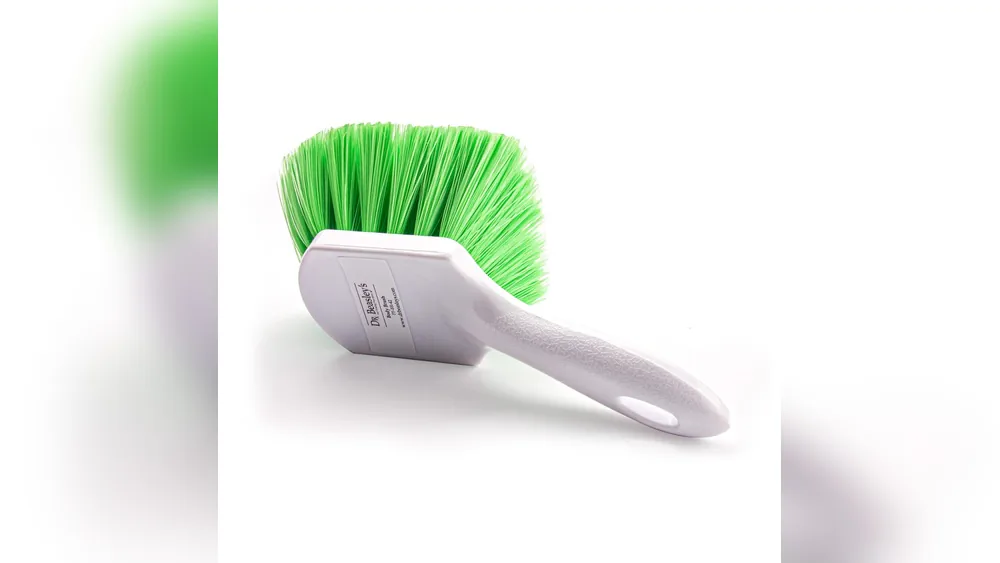
Keeping your car looking sharp isn’t just about washing the paint or waxing the surface. Many people forget one essential area: the tires. Clean tires make any car look better, but there’s more to it than just appearance. The right tools, especially a tire brush, can make a huge difference in both the look and the health of your wheels. If you have ever tried scrubbing tires with an old rag or a household brush, you know it doesn’t work well. Using a proper tire brush is not just a detail—it’s a must for anyone who wants the best results.
Why Tire Cleaning Matters
Tires are in constant contact with the road, picking up dirt, brake dust, oil, and road salt. All this grime can build up over time, making tires look dull and even speeding up wear. Dirty tires can also lead to the buildup of chemicals that may cause rubber to crack or fade. Clean tires are not just about looks—they are about safety and maintenance. Keeping your tires clean can help prevent long-term damage and make your car safer on the road.
Many car owners focus only on the paint and windows, but tires play a key role in the overall health and value of your vehicle. Regular cleaning can extend the life of your tires, save money, and keep you safe.
Why A Tire Brush Is Essential
A tire brush is made for the unique surface of car tires. Tires are not flat or smooth; they have grooves, patterns, and sometimes deep treads that hold onto dirt. A regular sponge or soft cloth can’t reach into these spaces. A dedicated tire brush has stiff, durable bristles that can dig into the rubber, pulling out mud, grime, and stuck-on debris.
Benefits Of Using A Tire Brush
- Better cleaning: Reaches deep into grooves and treads.
- Prevents damage: Softer brushes can’t remove tough grime, and harsh tools can scratch or damage the tire.
- Saves time: Cleans more quickly than general-purpose brushes.
- Improves tire health: Removes chemicals that can break down rubber.
Types Of Tire Brushes
Not all tire brushes are the same. Some are designed for heavy-duty cleaning, while others are better for sensitive finishes or light dirt. Here’s a quick comparison of the most common types:
| Type | Bristle Material | Best For | Price Range |
|---|---|---|---|
| Stiff Bristle Brush | Synthetic/Nylon | Heavy grime, off-road tires | $8–$20 |
| Medium Bristle Brush | Polyester | Regular street tires | $10–$18 |
| Soft Bristle Brush | Natural fibers | Delicate finishes, light cleaning | $12–$22 |
| Long Handle Brush | Varies | Hard-to-reach areas, SUVs | $14–$25 |
Choosing the right brush depends on your tire type and how dirty they get. Off-road vehicles often need a tougher brush, while city cars may do fine with something softer.
How To Use A Tire Brush For Best Results
Cleaning tires with a brush is simple, but doing it right gets the best results. Here are the steps:
- Rinse the tires: Use a hose or bucket to remove loose dirt.
- Apply tire cleaner: Spray or apply a cleaner made for tires. Let it soak for a minute.
- Scrub with the tire brush: Use firm, circular motions. Pay extra attention to grooves and raised letters.
- Rinse again: Wash away the loosened grime and cleaner.
- Dry: Use a clean towel to dry the tire, which helps prevent water spots.
Common Mistakes To Avoid
- Using the wrong brush: Too soft won’t clean, too stiff may damage the tire.
- Neglecting to rinse first: Dry dirt can scratch the surface.
- Rushing: Take time to cover all areas, including the sidewall and edge.
- Sharing brushes between tires and paint: Brushes used on tires should never touch the paint, to avoid scratches.

Credit: www.autodetailing360.com
The Impact On Tire Life And Performance
Tire cleaning is more than cosmetic. Keeping tires clean can actually help them last longer. Brake dust, for example, contains tiny metal particles that can break down rubber if left in place. Road salt is another danger, especially in winter, as it can eat away at both rubber and wheel finishes.
A study from the Rubber Manufacturers Association found that regular cleaning and care can extend tire life by up to 20%. While that number depends on how you drive and where you live, it shows that small steps like using a tire brush pay off over time.
How Clean Tires Boost Safety
Dirty tires can hide damage, like cracks or embedded objects. Regular cleaning with a brush lets you spot problems early, reducing the risk of a blowout or flat tire. Clean sidewalls also grip the road better, especially in wet conditions.
Tire Brush Vs. Other Cleaning Tools
It’s tempting to use whatever you have in the garage—old sponges, kitchen brushes, or rags. However, these are not made for the tough job of cleaning rubber. Here’s how a tire brush compares to common alternatives:
| Cleaning Tool | Cleaning Power | Risk of Damage | Best Use |
|---|---|---|---|
| Tire Brush | High | Low (if chosen correctly) | Tires, rubber, deep grooves |
| Kitchen Sponge | Low | Medium (can trap grit) | Paint, glass (if clean) |
| Toothbrush | Very Low | Low | Small details only |
| Rag/Cloth | Low | High (if reused) | Wiping, drying |

Credit: yinfengfoam.wixsite.com
Choosing The Right Tire Brush
Not sure what to buy? Here are some key points to consider:
- Bristle stiffness: Match the brush to your tire type and dirt level. Stiff bristles for heavy grime, softer for regular use.
- Handle length: Long handles help with large tires or hard-to-reach spots.
- Grip comfort: A non-slip handle is easier to use, especially when wet.
- Quality construction: Look for brushes with strong, well-set bristles that won’t fall out.
Brands like Chemical Guys, Mothers, and Meguiar’s are trusted by detailers. Many auto parts stores carry quality options for under $20.
What Beginners Often Miss
- Separate wheel and tire brushes: Wheels and tires need different brushes because brake dust on wheels is harsher. Using the same brush can scratch both surfaces.
- Cleaning frequency: Many people only clean tires when they look dirty. In fact, cleaning every two weeks prevents buildup and protects the rubber.
Cleaning Solutions: What To Use With Your Tire Brush
Always choose a cleaner made for tires. All-purpose cleaners can be too harsh or leave a slippery residue. Tire cleaners are specially made to break down grease, brake dust, and road grime without harming rubber.
Here’s a quick guide:
| Cleaner Type | Safe for Tires? | Residue Risk | Price Range |
|---|---|---|---|
| Tire-Specific Cleaner | Yes | Low | $6–$15 |
| All-Purpose Cleaner | Sometimes | Medium | $5–$12 |
| Dish Soap | No (can dry rubber) | High | $2–$5 |
| Homemade Mix (baking soda, water) | Yes (for light dirt) | Low | $1–$3 |
If you’re unsure, always check the label. Avoid using cleaners with bleach or strong acids, as these can weaken the rubber.
Tips For Maintaining Your Tire Brush
A good tire brush can last for years if you care for it:
- Rinse after use: Wash out dirt and cleaner after each use.
- Dry fully: Let the brush air dry to prevent mold.
- Store separately: Keep it away from other car cleaning tools to avoid cross-contamination.
- Inspect regularly: Replace if bristles become loose or worn.
Environmental Impact: Clean Tires And Eco-friendly Choices
Washing your tires at home can send dirty runoff into storm drains, which often lead to rivers and lakes. This water can carry chemicals and microplastics from tire debris. To reduce your impact:
- Use cleaners labeled biodegradable.
- Wash your car on grass or gravel, not on the street, so water can filter through soil.
- Use only as much water as needed.
Some local laws even require that car washing is done at approved facilities, so always check your area’s rules. For more on eco-friendly car care, visit the US Environmental Protection Agency.
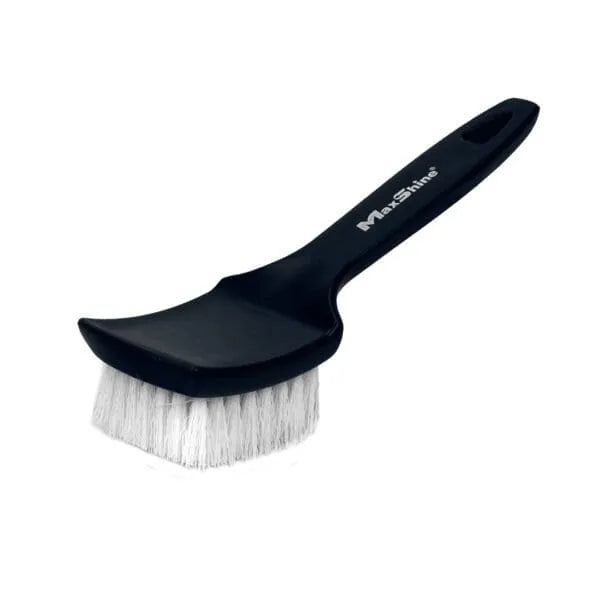
Credit: h2oautodetailsupply.com
Final Thoughts
A clean tire is about more than looks. Using a tire brush keeps your tires healthy, extends their life, and makes your whole car stand out. The right brush can save you time, prevent damage, and even help the environment. If you’ve never tried cleaning with a proper tire brush, it’s a small investment that pays off every time you wash your car. Pay attention to the tools and products you use—your tires (and your wallet) will thank you.
Frequently Asked Questions
How Often Should I Clean My Tires With A Tire Brush?
It’s best to clean your tires every two weeks, or more often if you drive in muddy or salty conditions. Regular cleaning prevents buildup and keeps your tires in top shape.
Can I Use The Same Brush For Tires And Wheels?
No, you should use different brushes. Tire brushes have stiffer bristles for rubber, while wheel brushes are made for delicate finishes. Mixing them can cause scratches or spread harsh brake dust.
Will A Tire Brush Damage My Tires?
A quality tire brush will not damage your tires if used correctly. Choose the right bristle stiffness, rinse before scrubbing, and never use metal bristles.
What Should I Do If My Tire Brush Gets Oily Or Greasy?
Wash it with warm water and a small amount of mild soap. Rinse thoroughly and let it air dry before storing.
Are Expensive Tire Brushes Better Than Cheap Ones?
Not always. Look for strong construction and the right bristle type for your needs. Some budget brushes work well, while expensive ones may offer better grip or durability. The key is to match the brush to your tire and cleaning habits.
Related posts
 Why You Should Use a Foam Cannon for Car Washing: Ultimate Guide
Washing your car is more than just making it look good. It protects the paint, keeps the value high, and makes driving feel better. But if…
 How to Clean Leather Seats Without Damaging Them: Expert Tips
Keeping your leather seats clean can be a challenge. Leather looks beautiful and feels luxurious, but it needs special care. Many people worry about damaging their…
 Why Using a Ceramic Coating Spray is Important for Your Car’s Shine
If you care about your car’s appearance and value, you probably wash and wax it regularly. But did you know there’s a better way to protect…