
How to Clean Leather Seats Without Damaging Them: Expert Tips
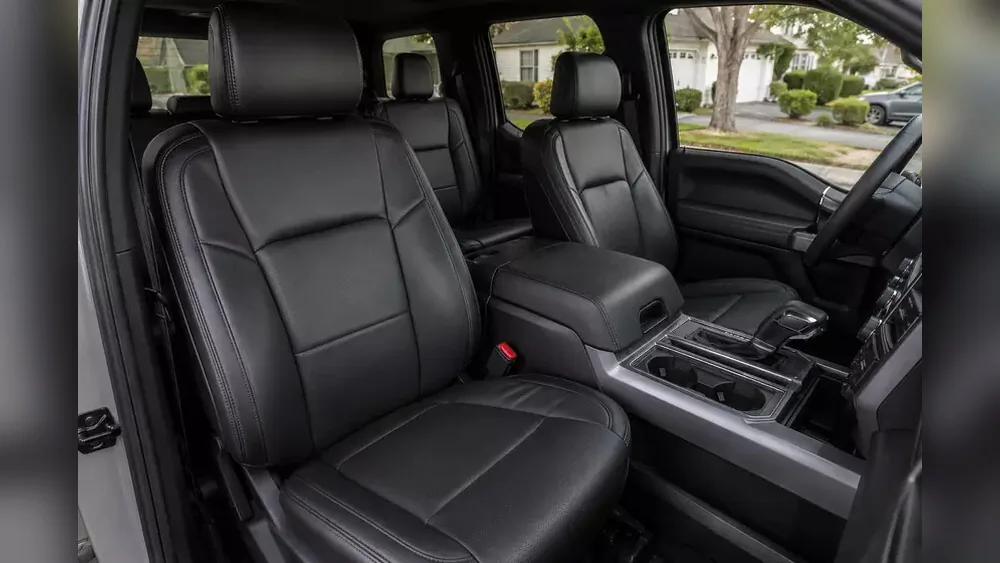
Keeping your leather seats clean can be a challenge. Leather looks beautiful and feels luxurious, but it needs special care. Many people worry about damaging their seats when cleaning, or they simply do not know where to start. If you want your leather car seats or furniture to look great for years, it is important to use the right cleaning methods and products.
This guide will show you step-by-step how to clean leather seats without causing harm. You will learn what to use, what to avoid, and get practical tips for both quick cleanups and deep cleaning.
Why Leather Seats Need Special Care
Leather is a natural material. It is not like plastic or fabric. Leather seats can crack, fade, or lose their shine if you use the wrong products. Even water can sometimes leave marks on leather. Dirt, sweat, and oils from your skin build up over time, making the seats look dull. Without proper cleaning, leather loses its softness and can start to smell bad.
But with the right care, leather can last many years. The key is gentle cleaning and regular maintenance. This helps protect the color and keeps the leather soft.
What You Will Need
Before you start, gather the right tools and products. Using the wrong items can damage your leather. Here’s what you need for safe, effective cleaning:
- Soft microfiber cloths (at least 2–3)
- Vacuum cleaner with a soft brush attachment
- Leather cleaner (pH-balanced, made for car or furniture leather)
- Leather conditioner (to keep leather supple)
- Soft-bristled brush (optional, for deep cleaning)
- Distilled water (for mixing or rinsing)
- Spray bottle (for diluted solutions)
Avoid using rough cloths, strong soaps, alcohol-based cleaners, or too much water. These can strip the leather’s natural oils.
Step-by-step Guide To Cleaning Leather Seats
Let’s break down the cleaning process into easy steps. Whether you are cleaning car seats, a leather sofa, or office chairs, these steps are safe for most types of finished leather.
1. Vacuum And Remove Loose Dirt
Start by removing any debris. Use a vacuum with a soft brush to gently lift dirt and dust from the surface and crevices. Be careful not to scratch the leather. Pay special attention to seams and folds where dirt collects.
2. Test Your Cleaner
Always test your leather cleaner on a small, hidden area first. Apply a little cleaner with a cloth and wait a few minutes. If there is no color change or damage, it is safe to use.
3. Wipe Down The Seats
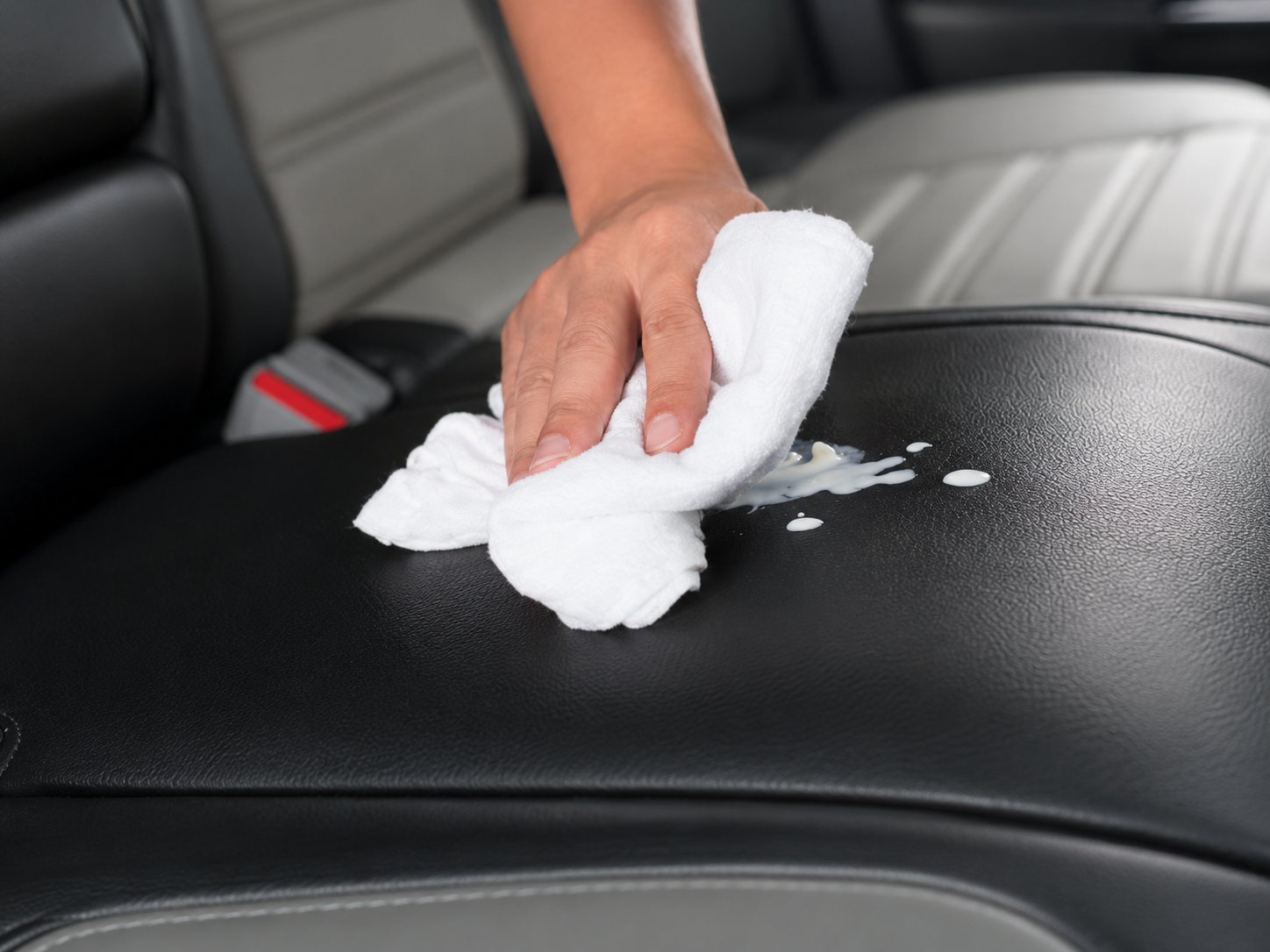
Apply a small amount of leather cleaner to a microfiber cloth, not directly to the seat. Wipe the leather gently in a circular motion. Do not rub hard; let the cleaner do the work. For tough spots, use a soft-bristled brush.
Avoid soaking the leather—too much liquid can leave stains or warp the material.
4. Remove Cleaner Residue
Take a clean, slightly damp microfiber cloth and wipe away any leftover cleaner. Use distilled water to avoid leaving mineral marks. Make sure the cloth is only damp, not wet.
5. Dry The Leather
Use a dry microfiber cloth to gently dry the surface. Do not use a hair dryer or put the seats in direct sunlight—heat can dry out and crack leather.
6. Condition The Leather
Once the seats are dry, apply a leather conditioner. This step is important to keep the leather soft and prevent cracking. Use a small amount, spreading it evenly with a clean cloth. Let it soak in for at least 10–20 minutes, then buff gently with another cloth to remove any extra product.
7. Let The Seats Rest
Give your seats time to absorb the conditioner before sitting on them. A few hours is best. This helps the leather regain its natural oils and shine.
Best Products For Cleaning Leather Seats
Choosing the right products is critical. Many cleaners are too harsh for leather. Look for pH-balanced, water-based cleaners made for leather. Avoid household cleaners, baby wipes, or anything with alcohol or ammonia.
Here is a comparison of common leather cleaning products:
| Product Type | Safe for Leather? | Main Purpose | Risk Level |
|---|---|---|---|
| Leather cleaner (pH-balanced) | Yes | Removes dirt, safe for finish | Low |
| Household soap | No | Too harsh, strips oils | High |
| Vinegar solution | With caution | Natural cleaner, can dry out leather | Medium |
| Alcohol wipes | No | Sanitizes but damages leather | Very High |
| Leather conditioner | Yes | Moisturizes, protects | Low |
Always check the label before using any product. When in doubt, buy products made specifically for leather.
Homemade Leather Cleaning Solutions: Are They Safe?
Some people use homemade solutions to clean leather, like diluted vinegar or mild soap. These can work in some cases, but they also carry risks.
- Vinegar and water: Mix 1 part white vinegar with 2 parts distilled water. Use sparingly. Vinegar can dry out leather if used too much.
- Mild soap and water: Use a small amount of gentle, fragrance-free soap in water. Too much soap can leave residue or dull the leather.
If you try a homemade cleaner, always test it on a hidden spot first. Homemade cleaners are best for quick cleanups, not for regular deep cleaning.
How Often Should You Clean Leather Seats?
How often you clean depends on how much you use your seats and the environment. As a general rule:
- Light use (home furniture): Clean every 3–6 months, condition every 6 months
- Heavy use (car seats, office chairs): Wipe down monthly, deep clean and condition every 3 months
If you have pets, kids, or live in a hot climate, you may need to clean more often.

Credit: www.autodetaildoctor.com
Common Mistakes To Avoid
Many people damage their leather seats by making simple mistakes. Here are the most common ones and how to avoid them:
- Using too much water: Leather absorbs water, which can cause stains or mold.
- Scrubbing too hard: Rough cleaning can scratch the leather’s surface.
- Skipping the conditioner: Cleaning removes oils; always condition afterward.
- Using the wrong products: Never use bleach, ammonia, or all-purpose cleaners.
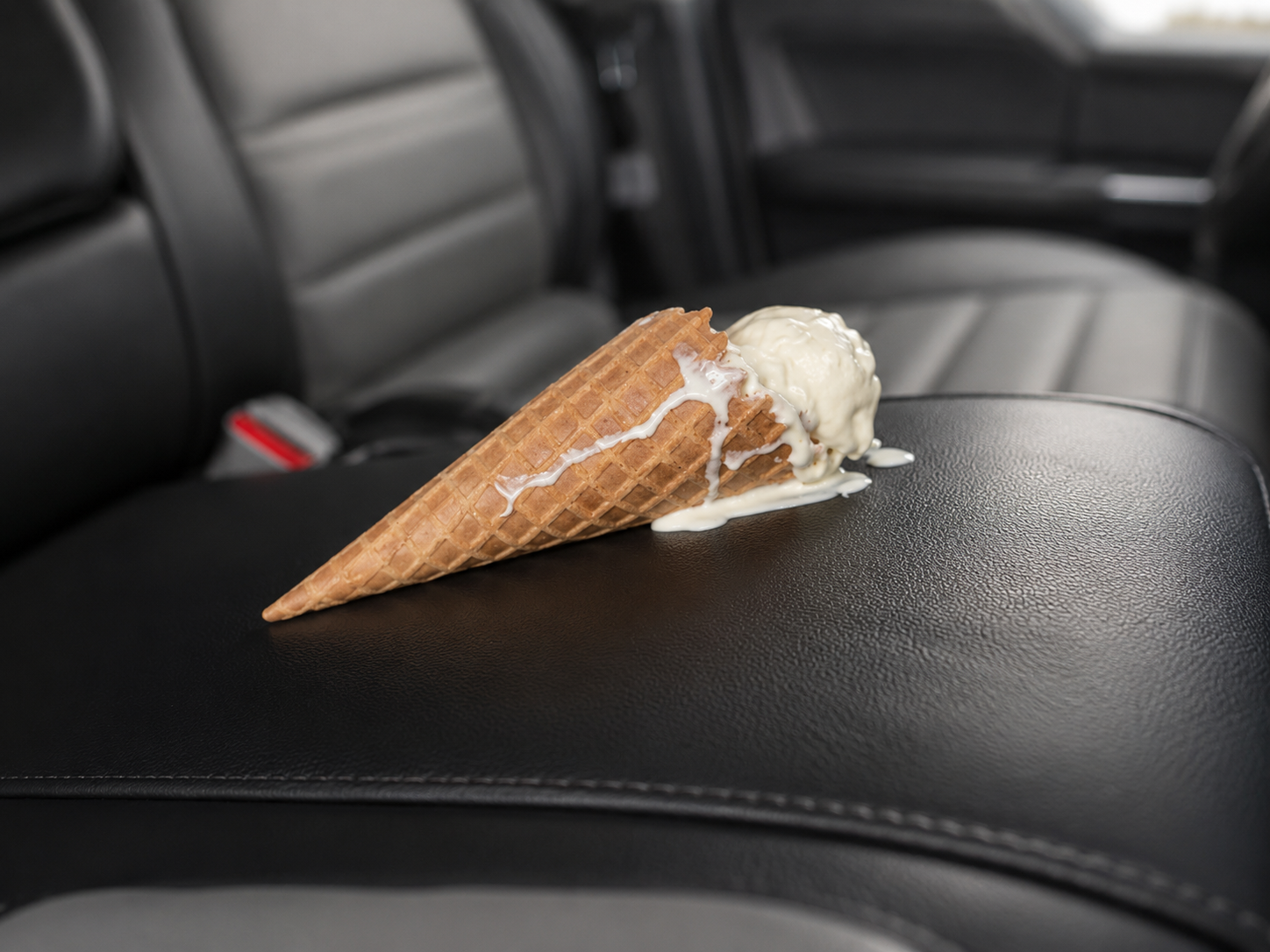
- Ignoring spills: Clean spills quickly to avoid stains.
Deep Cleaning For Tough Stains
Sometimes, regular cleaning is not enough. Tough stains like ink, grease, or dye transfer need special care.
- Ink stains: Dab (do not rub) with a cloth dampened with rubbing alcohol, then clean and condition as usual. Test first on a hidden area.
- Grease stains: Sprinkle a little baking soda on the spot, let sit for a few hours, then brush off gently.
- Dye transfer (from jeans/clothes): Use a leather stain remover, following the product instructions.
Deep cleaning should be done with care. If a stain does not come out, it is safer to call a professional leather cleaner.
Credit: addittoit.com
How To Protect Leather Seats After Cleaning
Once your leather seats are clean, take steps to keep them looking good:
- Park in the shade: Sunlight fades and dries out leather.
- Use seat covers: For extra protection, especially if you have pets or children.
- Keep sharp objects away: Keys, pens, and buckles can scratch leather.
- Regular conditioning: This keeps the leather soft and prevents drying.
Here’s a quick comparison of ways to protect leather seats:
| Protection Method | Effectiveness | Ease of Use | Best For |
|---|---|---|---|
| Regular conditioning | High | Easy | All leather seats |
| Seat covers | Very High | Medium | Pets, kids, high use |
| Parking in shade | Medium | Easy | Cars, sunny climates |
| Avoiding sharp objects | Medium | Easy | Daily protection |
Signs Your Leather Needs Professional Help
Sometimes, leather seats need more than home cleaning. If you notice the following, it may be time to call a professional:
- Deep cracks or peeling
- Large, set-in stains
- Strong odors that do not go away
- Color fading or changes
Professional cleaners use special tools and products to restore leather safely. For expensive cars or furniture, this is often the best option.
Credit: addittoit.com
Extra Tips Most People Miss
- Rotate seat use: If possible, change where you sit sometimes. This prevents one area from wearing out faster.
- Humidity matters: Very dry air can make leather crack. Use a humidifier in winter to help leather stay soft.
- Clean seat belts and armrests: Oils from your skin transfer from these areas to the leather.
Frequently Asked Questions
How Do I Know If My Seats Are Real Leather Or Synthetic?
Check the label or owner’s manual first. Real leather feels softer and has a natural grain. Synthetic leather (also called “leatherette” or “PU leather”) is smoother and often feels colder. If in doubt, contact the manufacturer or see this guide from Wikipedia.
Can I Use Baby Wipes To Clean Leather Seats?
It’s not recommended. Most baby wipes contain chemicals and alcohol that can dry out or damage leather. Use a cleaner made for leather instead.
What Should I Do If Water Spills On Leather?
Blot up the water right away with a dry cloth. Let the area air dry. Do not use heat. If a water spot forms, use a leather conditioner after it dries.
How Long Should I Let The Conditioner Soak In?
Let the conditioner sit for at least 10–20 minutes. If your seats are very dry, you can leave it longer, even overnight. Always buff off any extra product with a clean cloth.
Are There Any Leather Seats That Cannot Be Cleaned With These Methods?
Yes. Some leathers, like aniline or unfinished leather, are more sensitive. These types may need special care or professional cleaning. Always check your seat’s care instructions.
Taking care of leather seats is not hard, but it does require attention and the right products. Regular cleaning and conditioning will keep your seats soft, shiny, and looking new. Remember to avoid harsh chemicals and too much water, and your leather will thank you with years of comfort and beauty.
Related posts
 Why You Should Use a Foam Cannon for Car Washing: Ultimate Guide
Washing your car is more than just making it look good. It protects the paint, keeps the value high, and makes driving feel better. But if…
 Why Using a Ceramic Coating Spray is Important for Your Car’s Shine
If you care about your car’s appearance and value, you probably wash and wax it regularly. But did you know there’s a better way to protect…
 Why You Should Use Ph-Neutral Car Wash Soap for a Spotless Shine
Washing your car seems simple, but the soap you use can make a huge difference. Many car owners grab dish soap or any cleaner they find…