
How to Use Microfiber Towels for Car Detailing Like a Pro
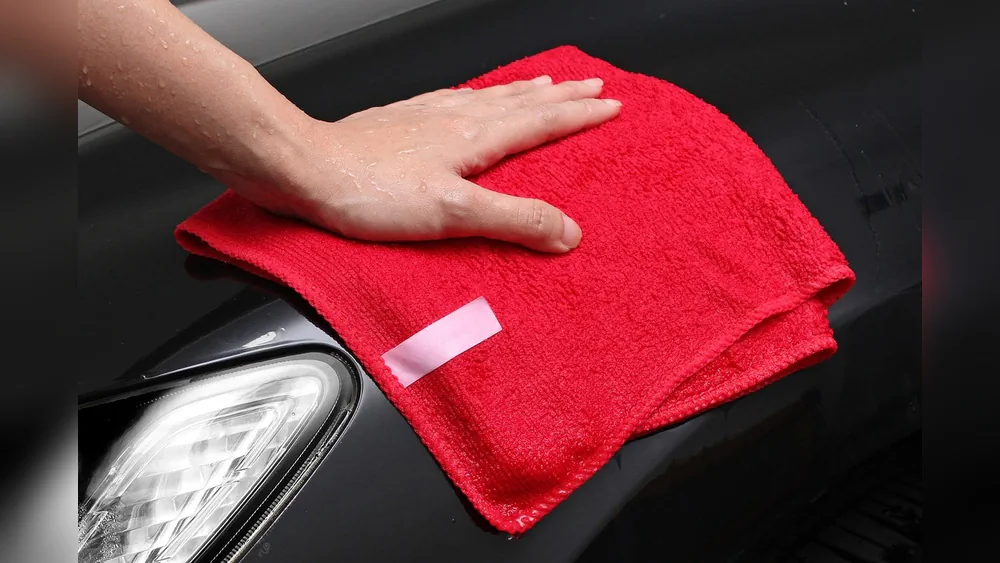
Car detailing is more than just washing your car with soap and water. It’s about making your car look and feel like new, inside and out. One of the most important tools for this job is the microfiber towel. If you want your car to shine without scratches or streaks, learning to use microfiber towels correctly is a game-changer. This article will guide you step by step on how to use microfiber towels for car detailing, explain why they work so well, and share tips that even many experienced car owners miss.
Why Microfiber Towels Are Essential For Car Detailing
Microfiber towels look simple, but they are made from tiny synthetic fibers—often 100 times thinner than human hair. This unique design makes them perfect for cleaning cars. The fine fibers grab dirt, dust, and liquids better than cotton or paper towels, which means you get a cleaner surface with less effort.
Here’s what makes microfiber towels special:
- Super absorbent: They hold up to 7 times their weight in water.
- Gentle on surfaces: They don’t scratch paint, glass, or plastic.
- Trap dust and dirt: The fibers pull particles deep inside, so you don’t rub grit into your paint.
- Reusable: Good microfiber towels can last hundreds of washes.
A study by the University of California found that microfiber cloths removed up to 99% of bacteria from surfaces, compared to only 33% with regular cotton cloths. This makes them ideal for cleaning both the inside and outside of your car.
Choosing The Right Microfiber Towels
Not all microfiber towels are the same. You need to pick the right type for each detailing task. Here’s a quick comparison of popular microfiber towels:
| Type | Best Use | GSM (Grams per Sq. Meter) | Feel |
|---|---|---|---|
| Standard (200-300 GSM) | General cleaning, interiors | 200-300 | Light, thin |
| Medium Plush (300-400 GSM) | Drying, buffing wax | 300-400 | Soft, moderate thickness |
| Ultra Plush (400+ GSM) | Final wipe, delicate surfaces | 400+ | Very soft, thick |
| Waffle Weave | Glass, drying large areas | 250-400 | Textured, absorbent |
When buying microfiber towels, look for edgeless designs or towels with silk borders. These are less likely to scratch your car. Also, avoid cheap towels with rough edges or low fiber density—they can do more harm than good.
Credit: www.carwash.com
Preparing Microfiber Towels Before Use
Before using new microfiber towels, always wash them first. This removes any leftover chemicals from the factory and softens the fibers. Use a gentle, fragrance-free detergent and skip any fabric softeners. Fabric softeners coat the fibers, making them less absorbent and less effective at trapping dirt.
For best results:
- Wash towels separately from other laundry.
- Use cold or warm water.
- Dry on low heat or air dry.
Never use bleach—it breaks down the fibers. Proper care extends the life of your towels and keeps them working like new.
How To Use Microfiber Towels For Exterior Car Detailing
Using microfiber towels for the car’s exterior is all about technique. Done right, you’ll avoid swirl marks and get a glossy finish.
Washing And Rinsing
When washing your car, use two buckets—one for soapy water, one for rinsing. Dip your microfiber wash mitt or towel in the soap, clean a section, then rinse it in the second bucket. This stops dirt from scratching your car.
Always start with the cleanest areas (like the roof) and work down to the dirtiest (the lower panels and wheels). Change to a fresh towel if the one you’re using gets too dirty.
Drying
After rinsing, grab a clean, waffle weave or ultra-plush towel. Blot the water instead of wiping—this reduces the risk of scratches. Work in sections, and don’t let water dry on the surface, which can leave spots.
A common mistake: using a bath towel or chamois. These can scratch paint and don’t absorb as well as microfiber.
Applying And Buffing Wax Or Polish
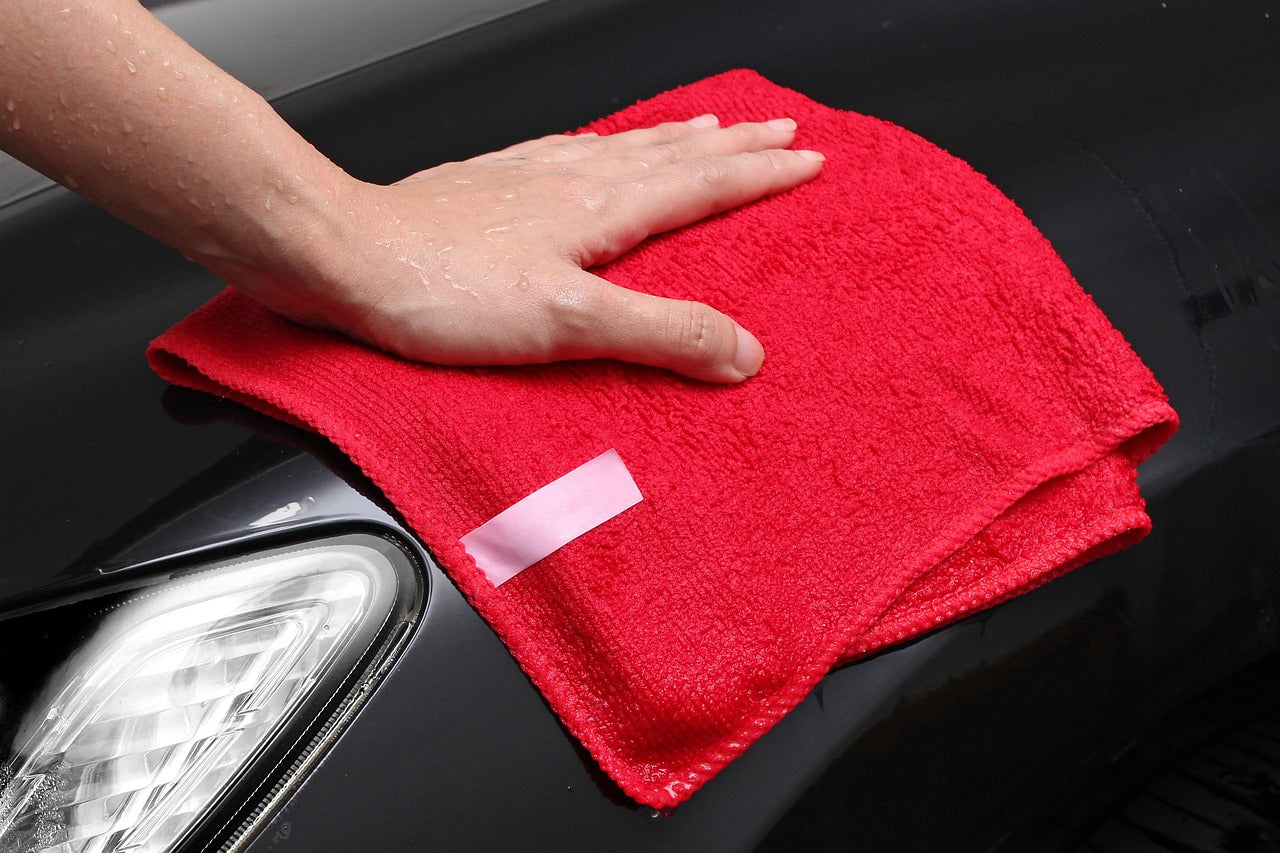
For wax or polish, use a soft, medium-plush microfiber towel. Apply wax with one towel, let it haze, then buff with a second clean towel. Fold the towel into quarters to get eight clean sides—flip to a new side as soon as one gets dirty.
Pro tip: When buffing, move the towel in straight lines, not circles. This makes any tiny scratches less visible and easier to fix later.
Using Microfiber Towels For Interior Detailing
Microfiber towels also shine inside your car. They’re gentle enough for screens, plastics, leather, and glass.
Cleaning Dashboards And Plastics
Spray your cleaner directly onto the towel, not the surface. This prevents overspray on sensitive electronics. Use a low-GSM towel for textured plastic and a medium-plush towel for smooth surfaces.
Rub lightly—no need to press hard. The fibers do most of the work. For tight spaces, wrap the towel around a small brush or plastic tool.
Glass And Mirrors
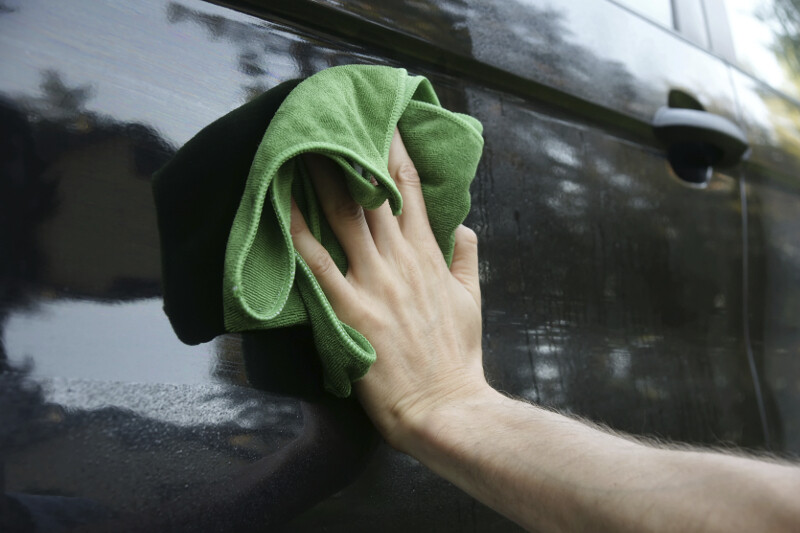
Use a waffle weave towel for glass. Spray a small amount of glass cleaner onto the towel, then wipe in a single direction. Flip to a dry side and buff for a streak-free finish.
A mistake many people make is using paper towels—they leave lint and can scratch glass over time.
Leather Seats And Upholstery
For leather, use a damp, soft microfiber towel. Wipe gently to pick up dirt, then dry with a second towel. For fabric seats, use a low-pile towel to blot spills and pick up dust.
Care And Maintenance Of Microfiber Towels
Good microfiber towels can last for years if you take care of them. Here’s how:
- Wash after every use, especially if used with chemicals or on dirty surfaces.
- Use only microfiber-safe detergents.
- Dry on low heat or air dry—high heat melts the fibers.
- Store towels for different jobs separately. For example, keep towels for wheels apart from those for paint.
Here’s a quick look at washing methods and their effects:
| Washing Method | Absorbency | Fiber Life | Lint Production |
|---|---|---|---|
| Machine wash, low heat dry | High | Long | Low |
| Machine wash, high heat dry | Medium | Shorter | Medium |
| Hand wash, air dry | Highest | Longest | Very low |
| With fabric softener | Poor | Short | High |
A detail that many beginners miss: Never mix towels used for wax or polish with those used for cleaning wheels or tires. Oils and dirt from the wheels can transfer to your paint, causing streaks or scratches.
Advanced Tips For Getting The Most From Microfiber Towels
Even experienced car owners often overlook these tips:
- Color code your towels: Use different colors for different jobs—blue for glass, yellow for paint, red for wheels. This prevents cross-contamination and makes your detailing more organized.
- Replace worn towels: If a towel feels rough or loses absorbency, retire it from paint duty. Use it for dirty jobs like cleaning wheels or engine bays.
- Check for debris: Always shake out towels before use. Small stones or grit stuck in the fibers can scratch your car, even with microfiber.
- Use the right fold: Fold towels into quarters. This gives you more clean surfaces and better control.
- Avoid circular motions: As mentioned, straight-line movements are safer for your paint.
Here’s a quick comparison of microfiber towels vs. other common materials:
| Material | Scratch Risk | Absorbency | Lifespan |
|---|---|---|---|
| Microfiber | Very low | Excellent | Long |
| Cotton towel | Medium | Good | Medium |
| Paper towel | High | Poor | Single use |
| Chamois | Low (if clean) | Medium | Medium |
Common Mistakes To Avoid
Microfiber towels make detailing easy, but only if you use them right. Here are mistakes to watch out for:
- Using dirty towels: Always use a clean towel for each stage. Dirt left in the fibers will scratch surfaces.
- Skipping the wash before first use: New towels often have chemicals or lint from manufacturing.
- Mixing towels for different jobs: Cross-contamination is a leading cause of streaks and scratches.
- Using fabric softener: Softener ruins absorbency and cleaning power.
- Washing with linty fabrics: Lint from cotton towels or clothing will stick to microfiber, making it less effective.
Credit: www.killerbrands.co.uk
Environmental Benefits Of Microfiber Towels
Microfiber towels are not just good for your car—they’re also better for the environment. Because they clean so well with just water or a small amount of cleaner, you use fewer chemicals. Plus, since they are reusable and last longer than cotton, you throw away less waste. According to research from the Environmental Protection Agency, using reusable cleaning cloths can reduce waste by up to 90% compared to disposable wipes.
Frequently Asked Questions
What Gsm Should I Look For In A Microfiber Towel For Car Detailing?
For most exterior work, choose towels with 300–400 GSM (grams per square meter). These offer the right mix of softness and absorbency for paint and glass. For heavy cleaning or interiors, 200–300 GSM is enough. For final buffs or delicate surfaces, go above 400 GSM.
Can I Use The Same Towel For Wheels And Paint?
It’s not a good idea. Wheels collect brake dust, dirt, and tiny metal particles that can scratch your paint. Always keep separate towels for wheels, and never mix them with your paint or glass towels.
How Many Microfiber Towels Do I Need To Detail A Car?
A basic detail usually needs at least 5–7 towels: one for washing, one for drying, one or two for glass, one for interior, and a couple for waxing or polishing. More towels mean you can always use a clean side and avoid spreading dirt.
How Can I Tell When It’s Time To Replace A Microfiber Towel?
If the towel feels rough, loses its softness, or stops absorbing water, it’s time to retire it from sensitive jobs. You can still use old towels for dirty work, like cleaning wheels or engine bays.

Credit: www.autotrainingcentre.com
Where Can I Buy High-quality Microfiber Towels?
Look for trusted automotive stores or brands. Online reviews help, but focus on towels with high GSM, edgeless borders, and dense, soft fibers. For more guidance, the AutoGeek Microfiber Guide offers detailed recommendations.
Using microfiber towels for car detailing is one of the simplest ways to protect your car’s finish and get professional results at home. With the right towels, proper care, and smart techniques, your car will look better, last longer, and be easier to clean next time.
Don’t underestimate the difference that a high-quality microfiber towel can make. Try these methods, pay attention to the details, and you’ll see the results on every surface of your car.
Related posts
 Why You Should Use a Foam Cannon for Car Washing: Ultimate Guide
Washing your car is more than just making it look good. It protects the paint, keeps the value high, and makes driving feel better. But if…
 How to Clean Leather Seats Without Damaging Them: Expert Tips
Keeping your leather seats clean can be a challenge. Leather looks beautiful and feels luxurious, but it needs special care. Many people worry about damaging their…
 Why Using a Ceramic Coating Spray is Important for Your Car’s Shine
If you care about your car’s appearance and value, you probably wash and wax it regularly. But did you know there’s a better way to protect…