
How to Clean Glass Windows And Mirrors in Cars Like a Pro
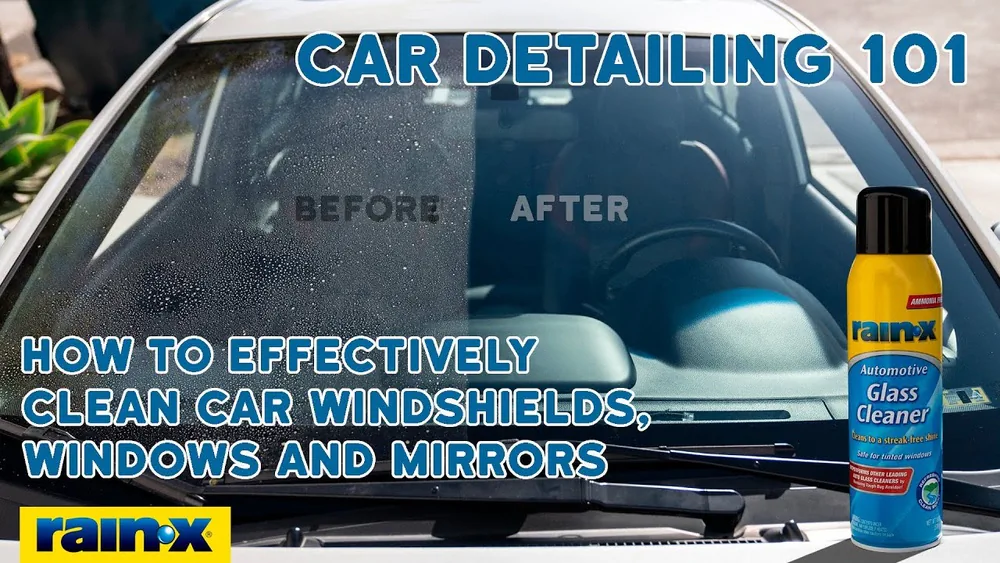
Cleaning car glass windows and mirrors might look simple, but getting them truly spotless is a challenge many drivers face. Streaks, water spots, and dust can ruin your view and even make driving unsafe. Knowing how to clean glass windows and mirrors in cars the right way saves time, improves safety, and makes your vehicle look well cared for.
This guide walks you through each step, offers practical advice, and shares tips that many beginners miss. Whether you drive daily or just want to keep your car shining for a special occasion, you’ll find everything you need here.
Why Clean Car Glass Windows And Mirrors?
Dirty windows and mirrors affect much more than your car’s appearance. Visibility is the biggest concern. Smudges and streaks can block your view, especially at night or in bright sunlight. Clean glass also helps your car’s resale value, as buyers notice sparkling windows and mirrors. Regular cleaning prevents buildup of grime, which can damage glass over time and make future cleaning harder.
Essential Tools And Materials
Cleaning car glass isn’t just about grabbing paper towels and cleaner. The right tools make a big difference:
- Microfiber cloths: These trap dust and leave no lint.
- Automotive glass cleaner: Avoid household cleaners with ammonia, as they can damage tint.
- Soft-bristled brush: Useful for corners and edges.
- Distilled water: Reduces streaks, especially in hard water areas.
- Spray bottle: For applying cleaner evenly.
- Cotton swabs: For tight spots and mirror edges.
- Rubber gloves: Protects hands and avoids fingerprints.
Many drivers overlook distilled water. Tap water often leaves mineral spots, so using distilled water helps achieve a perfect finish.
Preparing Your Car For Cleaning
Before you start, make sure your car is parked in a shaded area. Sunlight dries cleaner too quickly, causing streaks. Close all doors and windows to keep dust and pollen out during cleaning. Remove any personal items, such as air fresheners or hanging decorations, from mirrors and windows.
Check for heavy dirt or mud on the glass. If present, rinse with water first. Avoid scrubbing dry dirt, as it can scratch the glass.
Step-by-step Cleaning Process
1. Cleaning Exterior Windows
Start with the outside, where dirt and bugs are most visible:
- Spray a light mist of automotive glass cleaner on the surface.
- Wipe with a microfiber cloth, using circular motions.
- For stubborn spots (bug residue, bird droppings), let cleaner sit for 30 seconds before wiping.
- Wipe edges and corners with a cotton swab or soft-bristled brush.
Always use one cloth for cleaning and another for drying. This prevents streaks and ensures a clear finish.
2. Cleaning Interior Windows
Interior glass often has haze from vapors or fingerprints:
- Spray cleaner onto a cloth, not directly onto the glass, to avoid overspray on dashboards.
- Wipe in vertical strokes, then horizontal strokes for thorough coverage.
- Pay special attention to the windshield, where haze builds up fastest.
Interior glass can have plastic film or tint. Use cleaners labeled safe for tint to avoid damage.
3. Cleaning Side Mirrors
Side mirrors get dirt from rain and road spray:
- Spray cleaner onto a microfiber cloth.
- Wipe the mirror gently, paying attention to the edges.
- Use cotton swabs for tight corners.
If mirrors are motorized, avoid excess moisture near the edges to protect electronics.
4. Cleaning Rearview Mirror
This mirror often collects fingerprints and dust:
- Use minimal cleaner, sprayed onto a microfiber cloth.
- Wipe gently, avoiding the frame and any sensors (if present).
5. Drying And Polishing
Drying is just as important as cleaning:
- Use a clean, dry microfiber cloth.
- Polish in circular motions until glass feels smooth and dry.
Some people use newspaper for polishing, but modern ink can leave marks. Microfiber cloths are safer and more effective.

Credit: www.amazon.com
Common Mistakes To Avoid
Many beginners make mistakes that lead to streaks or damage. Here are some to watch out for:
- Using paper towels: These leave lint and can scratch glass.
- Cleaning in direct sunlight: Causes streaks due to quick drying.
- Using ammonia-based cleaners: Damages tint and leaves strong odors.
- Reusing dirty cloths: Spreads dirt and leaves marks.
- Ignoring window edges: Dirt builds up and causes streaks.
How Often Should You Clean Car Glass?
Most drivers clean windows about once every two weeks. If you live in a dusty area or drive often, weekly cleaning is better. After rain or snow, wipe windows and mirrors to prevent water spots. Regular cleaning prevents buildup and makes future cleaning faster.
Glass Cleaner Comparison
Choosing the right cleaner is key. Here’s how common options compare:
| Cleaner Type | Safe for Tint? | Streak-Free? | Odor |
|---|---|---|---|
| Automotive Glass Cleaner | Yes | Yes | Low |
| Household Glass Cleaner | No | Sometimes | Strong |
| Vinegar Solution | Yes | Yes | Strong |
| Soap & Water | Yes | No | Low |
Automotive glass cleaner is usually best, especially for tinted windows. Vinegar works, but the smell can be unpleasant.
Microfiber Vs. Paper Towels
Many people use paper towels without realizing their drawbacks. Here’s a quick comparison:
| Material | Lint-Free? | Scratch Risk | Reusable? |
|---|---|---|---|
| Microfiber Cloth | Yes | Low | Yes |
| Paper Towel | No | Medium | No |
Microfiber cloths are superior for car glass cleaning. They’re reusable, gentle, and leave no lint behind.

Credit: www.amazon.com
Dealing With Tough Stains And Water Spots
Some stains need extra effort. Water spots come from minerals in rain or tap water. Bug splatters and tree sap are sticky and hard to remove.
- For water spots, use a mixture of distilled water and vinegar (50/50). Spray, let sit for one minute, then wipe with microfiber.
- For bug splatters, soak the spot with cleaner and cover with a wet microfiber cloth for a few minutes before wiping.
- For tree sap, use a specialized sap remover or rubbing alcohol, but test on a small area first.
Never use abrasive pads or harsh chemicals, as these can scratch glass or damage tint.
Tips For Cleaning Tinted Windows
Tinted windows need special care:
- Only use ammonia-free cleaners.
- Avoid rough scrubbing; tint film can peel.
- Clean edges carefully, as tint often lifts there.
- If tint is bubbling or peeling, avoid cleaning until it’s repaired.
Check your car’s manual for tint care instructions. Most tint films last five years or more if cared for properly.
Cleaning Windows In Hard Water Areas
If your tap water has high mineral content, you’ll notice spots after cleaning. Always use distilled water for the final rinse. This prevents mineral buildup and keeps glass crystal clear.
Weather And Cleaning Conditions
Weather affects cleaning results. On humid days, cleaner dries slowly, making it easier to polish. On dry, sunny days, work quickly and in the shade. Avoid windy days, as dust settles on wet glass.

Credit: www.youtube.com
Quick Steps For On-the-go Cleaning
Sometimes you need a fast solution—like when driving through mud or after a rainstorm:
- Keep a travel-sized glass cleaner and microfiber cloth in your glove box.
- Wipe mirrors and windows before driving if visibility is poor.
- For emergency cleaning, use bottled water and a clean cloth.
These quick fixes aren’t as thorough but help maintain safety until you can clean properly.
The Value Of Clean Glass In Car Safety
According to the National Highway Traffic Safety Administration, poor visibility is a factor in thousands of accidents each year. Clean windows and mirrors aren’t just about looks—they’re about safety. Even a small smudge can block your view and cause distraction.
Maintaining Cleanliness Between Washes
To keep glass cleaner longer:
- Avoid touching windows and mirrors unnecessarily.
- Use sunshades to reduce dust buildup on the inside.
- Apply rain-repellent products to exterior glass; these help water slide off and prevent spots.
Rain-repellent coatings last about two months and make cleaning easier.
Professional Cleaning Vs. Diy
Some people prefer professional detailing, but DIY can be just as effective. Professional cleaners use specialized tools and may apply protective coatings. However, regular DIY cleaning keeps glass clear and saves money.
Here’s a quick comparison:
| Aspect | DIY Cleaning | Professional Service |
|---|---|---|
| Cost | Low | High |
| Time Needed | 15-30 min | 1-2 hours |
| Results | Good | Excellent |
| Frequency | Weekly/Bi-weekly | Monthly |
DIY is best for regular maintenance; professional cleaning is useful for deep cleaning or preparing for sale.
Advanced Tips For A Perfect Finish
- Clean windshield wipers too; dirty wipers cause streaks on glass.
- Use a flashlight to check for hidden streaks after cleaning.
- Clean glass last when washing your car, so dust from other areas doesn’t settle on windows.
Many beginners miss the importance of cleaning wipers. They spread dirt if not cleaned, so wipe them with glass cleaner during each window cleaning session.
Frequently Asked Questions
How Do I Remove Streaks From Car Windows?
Streaks are usually caused by dirty cloths or quick drying. Use clean microfiber cloths, avoid direct sunlight, and polish with circular motions. If streaks persist, rinse with distilled water and dry again.
Can I Use Vinegar To Clean Car Glass?
Yes, vinegar is effective for removing mineral spots and haze. Mix equal parts vinegar and distilled water. Avoid using vinegar on tinted windows unless confirmed safe.
Is It Safe To Clean Windows With Household Glass Cleaner?
Most household cleaners contain ammonia, which can damage tint and leave strong odors. Choose automotive glass cleaner or ammonia-free products for best results.
What’s The Best Way To Clean Car Mirrors?
Spray cleaner onto a microfiber cloth instead of directly onto mirrors. Wipe gently, and use cotton swabs for edges. Avoid excess moisture near electronic components.
How Often Should I Clean My Car’s Windows And Mirrors?
Clean at least every two weeks, or weekly if driving often. After rain, snow, or dusty conditions, wipe windows and mirrors to maintain clear visibility.
Keeping your car’s glass windows and mirrors spotless isn’t just about appearance—it’s about safety and comfort. With the right tools and techniques, you can achieve professional-level results at home. Remember to use microfiber cloths, avoid ammonia-based cleaners, and clean regularly. For more detailed tips on automotive care, visit NHTSA. Clean glass makes every drive safer and more enjoyable.
Related posts
 Why You Should Use a Foam Cannon for Car Washing: Ultimate Guide
Washing your car is more than just making it look good. It protects the paint, keeps the value high, and makes driving feel better. But if…
 How to Clean Leather Seats Without Damaging Them: Expert Tips
Keeping your leather seats clean can be a challenge. Leather looks beautiful and feels luxurious, but it needs special care. Many people worry about damaging their…
 Why Using a Ceramic Coating Spray is Important for Your Car’s Shine
If you care about your car’s appearance and value, you probably wash and wax it regularly. But did you know there’s a better way to protect…