
How to Clean Your Car’s Exterior in Winter: Expert Tips & Tricks
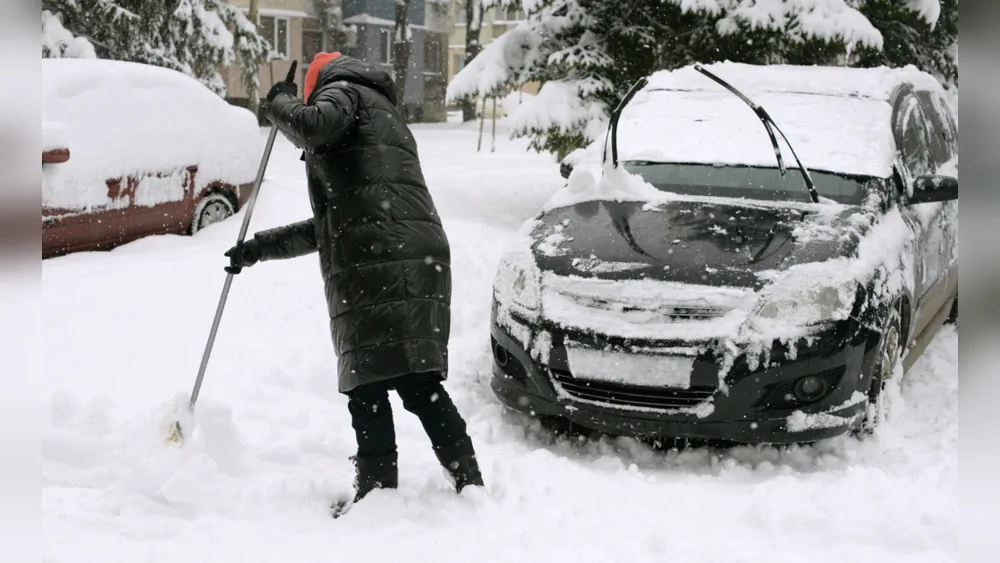
Winter brings snow, ice, and salt—three things that can make your car’s exterior look terrible and cause real damage. Many people avoid washing their cars in cold months, thinking it’s too hard or not worth the trouble. But leaving your car dirty in winter can lead to rust, paint damage, and expensive repairs later.
Cleaning your car’s exterior in winter is not just about looks. It’s about protecting your vehicle from harsh elements that can eat away at metal and paint. With some planning, the right products, and smart techniques, you can keep your car clean, safe, and shining all season.
Why Winter Car Cleaning Matters
Salt used on roads is great for safety, but terrible for cars. It sticks to your car’s body, wheels, and undercarriage. Over time, salt causes corrosion, which means rust. Once rust starts, it’s hard to stop, and it can damage parts like brake lines and frame. Dirt, snow, and ice also hide scratches and chips, which can get worse in winter. Clean paint is less likely to crack, and a clean windshield gives you better visibility.
Research shows that regular washing in winter can reduce rust risk by up to 70%. According to the American Automobile Association (AAA), vehicles in snowy states last longer when owners wash them at least twice a month. This simple habit can save you money and keep your car’s value high.
Preparing To Clean Your Car In Winter
Cleaning your car outside in freezing temperatures can be tricky. You need the right equipment and a safe spot. Here’s how to set up for winter cleaning:
- Choose a mild day: Try to wash when temperatures are above 32°F (0°C). Water freezes fast below this, making cleaning hard and possibly damaging paint.
- Gather supplies: You’ll need a bucket, soft sponge or microfiber mitt, car-safe soap, towels, and rubber gloves. Avoid using dish soap—it can strip wax and damage paint.
- Pick a sheltered area: Work in a garage or under a carport if possible. This keeps wind and snow off your car and helps water dry faster.
- Dress for warmth: Wear waterproof boots, thick socks, and layers. Cold water can numb your hands, so rubber gloves help.
- Prepare warm water: Use lukewarm water in your bucket. Hot water may shock cold surfaces, while cold water is less effective at removing grime.
Step-by-step Guide To Cleaning Your Car’s Exterior In Winter
Rinse Off Loose Dirt And Salt
Begin by spraying your car with water to remove as much loose dirt, salt, and grime as possible. If you don’t have a hose, use a large bucket of water to pour over the car. Focus on wheel wells, bumpers, and undercarriage—these areas collect the most salt.
Avoid using high-pressure washers in freezing weather; the water can freeze quickly and cause ice patches.
Wash Using Two-bucket Method
The two-bucket method helps prevent scratches. Fill one bucket with soapy water and the other with clean water. Dip your sponge in the soapy bucket, wash a section, then rinse it in the clean bucket. This removes dirt from the sponge before you pick up more soap.
- Start at the top and work your way down. The roof, windows, and hood should be cleaned first.
- Use gentle, circular motions to avoid scratching.
- Clean the lower panels last, as they are the dirtiest.
Pay Attention To Wheels And Undercarriage
Wheels and undercarriage are salt magnets. Use a dedicated brush for wheels. Scrub the wheel wells and rims carefully. If possible, rinse the underside of your car to remove salt. Many car washes offer undercarriage cleaning. If you wash at home, pour water under the car, but be careful of ice forming on the ground.
Dry Thoroughly
Drying is critical in winter. Water left on your car can freeze and cause spots or even damage paint. Use clean, soft towels or microfiber cloths to dry every surface. Start at the top and finish with wheels. If you have access to compressed air, use it to blow water out of small spaces (like mirrors, door handles, and grille).
Apply Wax Or Sealant
Wax acts as a shield against salt and moisture. Modern spray waxes are quick and easy—just spray and wipe. Sealants last longer, sometimes up to 6 months. Apply wax when the car is dry and temperatures are mild. Don’t skip this step; it’s your best defense against winter’s harsh chemicals.
Comparing Winter Car Cleaning Methods
Some people use automatic car washes, while others prefer hand washing. Both options have pros and cons. Here’s a simple comparison:
| Method | Pros | Cons |
|---|---|---|
| Hand Wash | Thorough cleaning, gentle on paint, attention to detail | Time-consuming, cold weather challenges, requires supplies |
| Automatic Car Wash | Quick, no need for equipment, undercarriage cleaning | Can miss spots, may scratch paint, not always wax included |
| Touchless Car Wash | No contact, less risk of scratches, fast | May not remove heavy grime, less effective on wheels |
For winter, touchless washes are safest for paint, but hand washing lets you control the process and check for damage.

Credit: ohsbodyshop.com
Choosing The Right Products For Winter Cleaning
Not all cleaning products work well in cold weather. Look for soaps and waxes labeled “winter safe” or “cold weather formula.” Here’s a quick comparison of popular product types:
| Product Type | Best For | Winter Suitability |
|---|---|---|
| Car Shampoo | General cleaning | Check for cold weather formulas |
| Spray Wax | Quick protection | Works well above freezing |
| Sealant | Long-lasting shield | Apply only in mild weather |
| De-icer | Removing ice on windows | Essential for windshield and mirrors |
Avoid using dish soap or household cleaners. They can damage your car’s paint and wax. Always use products made for cars.
Common Mistakes In Winter Car Cleaning
Even experienced car owners make mistakes when washing their car in winter. Here are some to avoid:
- Washing in freezing temperatures: Water freezes fast and can damage paint.
- Skipping drying: Leaving water on the car leads to ice and spots.
- Using wrong soap: Household cleaners strip wax and harm paint.
- Ignoring wheels and undercarriage: Salt collects here and causes rust.
- Not applying wax: Skipping protection leaves your car exposed to salt and moisture.
Many beginners forget to check door seals and window edges after washing. Water trapped here can freeze, making doors hard to open. Always dry these areas thoroughly.

Credit: militosautorepair.com
Practical Tips For Safe Winter Car Cleaning
- Wash your car in the afternoon when temperatures are highest.
- Bring your car inside a garage if possible. If not, park in a sunny spot.
- Use heated buckets or add warm water to keep cleaning tools comfortable.
- Spray de-icer on windows and mirrors before cleaning.
- After washing, drive your car briefly to help water evaporate from hard-to-reach places.
- Don’t use hot water on cold glass—it can crack.
- Keep your cleaning supplies inside so they don’t freeze or become brittle.
How Often Should You Clean Your Car In Winter?
Experts recommend washing your car every 10–14 days during winter, especially after snowstorms or when roads are salted. If you live in a city with heavy snow, washing more often is better. Frequent cleaning prevents salt build-up and keeps your car looking good.

Credit: www.aaautodetailing.com
Real-world Example
Consider the city of Chicago, where winter lasts from November to March. Road salt is used heavily, and temperatures often dip below freezing. Many drivers notice rust on their cars after just one winter if they skip washing. In contrast, a local taxi company washes its cars every week and reports almost no rust problems over five years. This shows that routine cleaning can make a big difference—even in harsh climates.
Protecting Your Car Between Washes
You can’t wash your car every day, so it helps to take extra steps to protect it between washes.
- Use a car cover if your car is parked outside.
- Apply spray wax after each wash for extra protection.
- Rinse your car with water after big snowstorms to remove salt, even if you don’t do a full wash.
- Check for scratches and chips regularly. Touch up paint if needed.
Quick Comparison: Hand Washing Vs. Car Wash In Winter
Here’s a snapshot for those deciding between hand washing and car washes:
| Aspect | Hand Washing | Car Wash |
|---|---|---|
| Control | High—can focus on trouble spots | Low—relies on machines |
| Time | 30–60 minutes | 5–10 minutes |
| Cost | Low (just products) | Medium to high |
| Protection | Better, if wax applied | Depends on wash type |
Non-obvious Insights For Winter Car Cleaning
- Salt doesn’t just attack the visible parts. It can seep into seams and joints, causing hidden rust. Always pay attention to crevices and door edges.
- Plastic trim and rubber seals also suffer from salt and cold. Use a trim conditioner after washing to keep them flexible and prevent cracking.
Trusted Resources
If you want to learn more about the science behind winter car care, check out the Consumer Reports guide for extra tips and research.
Frequently Asked Questions
How Cold Is Too Cold To Wash My Car?
If the temperature is below 32°F (0°C), washing your car is risky. Water can freeze on surfaces, making cleaning difficult and possibly damaging paint. Wait for a warmer day or use a heated garage.
Can I Use Dish Soap To Clean My Car In Winter?
No. Dish soap removes grease but also strips wax and damages paint. Always use car-specific soap, even in winter.
How Do I Prevent Doors From Freezing After Washing?
Dry all door seals and edges carefully. Apply a silicone spray to rubber seals; it prevents moisture from freezing and keeps doors easy to open.
Should I Wash My Car After Every Snowstorm?
Yes, especially if roads are salted. Salt causes the most damage. Even a quick rinse helps remove salt and protects your car.
Is Automatic Car Wash Safe In Winter?
Most automatic washes are safe, especially touchless types. However, some brush washes can scratch paint. Always check if the wash offers undercarriage cleaning, which is important in winter.
Keeping your car clean in winter is not just about appearance—it’s about protecting your investment. With the right approach, products, and timing, you can make sure your car stays safe from salt, snow, and rust all season long. Don’t wait until spring to start caring for your car; winter is the most important time to protect it.
Related posts
 Why You Should Use a Foam Cannon for Car Washing: Ultimate Guide
Washing your car is more than just making it look good. It protects the paint, keeps the value high, and makes driving feel better. But if…
 How to Clean Leather Seats Without Damaging Them: Expert Tips
Keeping your leather seats clean can be a challenge. Leather looks beautiful and feels luxurious, but it needs special care. Many people worry about damaging their…
 Why Using a Ceramic Coating Spray is Important for Your Car’s Shine
If you care about your car’s appearance and value, you probably wash and wax it regularly. But did you know there’s a better way to protect…