
How to Remove Tar from Car Paint: Quick and Safe Methods
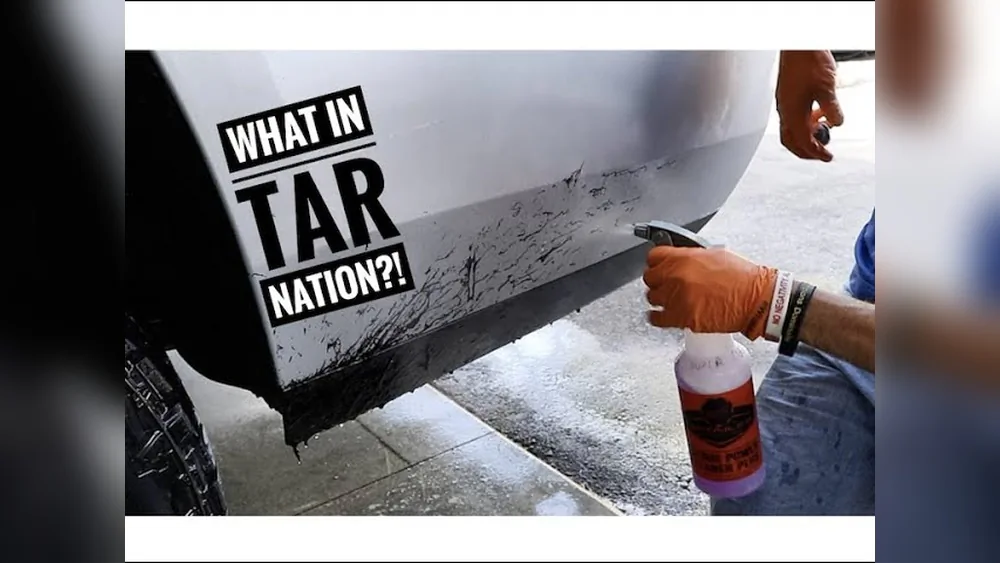
If you own a car, you know how frustrating it is to see tar spots stuck on your paint. These black patches appear when you drive on freshly paved roads or near construction sites. Tar is sticky, hard to remove, and can damage your car’s paint if left too long. Many people try to scrub tar off with soap or water, but it rarely works. In fact, using the wrong method can make things worse. In this guide, you’ll learn simple, safe, and effective ways to remove tar from car paint. With clear steps and practical tips, you can restore your car’s shine without risking scratches or stains.
What Is Tar And Why Is It Hard To Remove?
Tar is a thick, oily substance used in road construction. When roads are newly paved or repaired, loose tar can splash onto your car’s surface. Tar bonds tightly to paint because it’s made of sticky hydrocarbons. Unlike dust or mud, tar doesn’t wash away easily. It needs special products or techniques to break down the sticky bond.
If tar is left on paint, it can:
- Cause stains
- Attract more dirt
- Damage clear coat, leading to rust
A study by the American Automobile Association (AAA) found that about 15% of drivers in the US encounter tar spots after driving near roadwork. Most car owners underestimate how stubborn tar can be, using only basic cleaners. Tar removal is different—it requires a targeted approach.
How To Identify Tar On Your Car
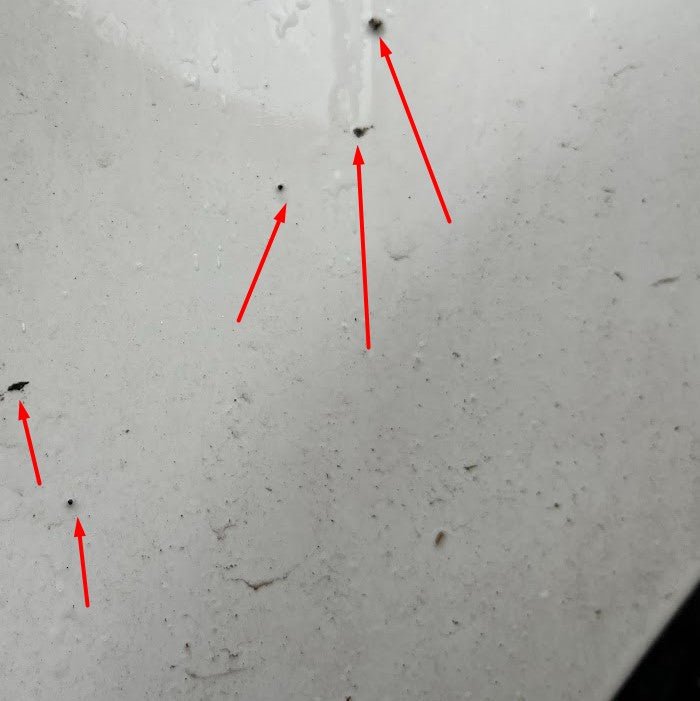
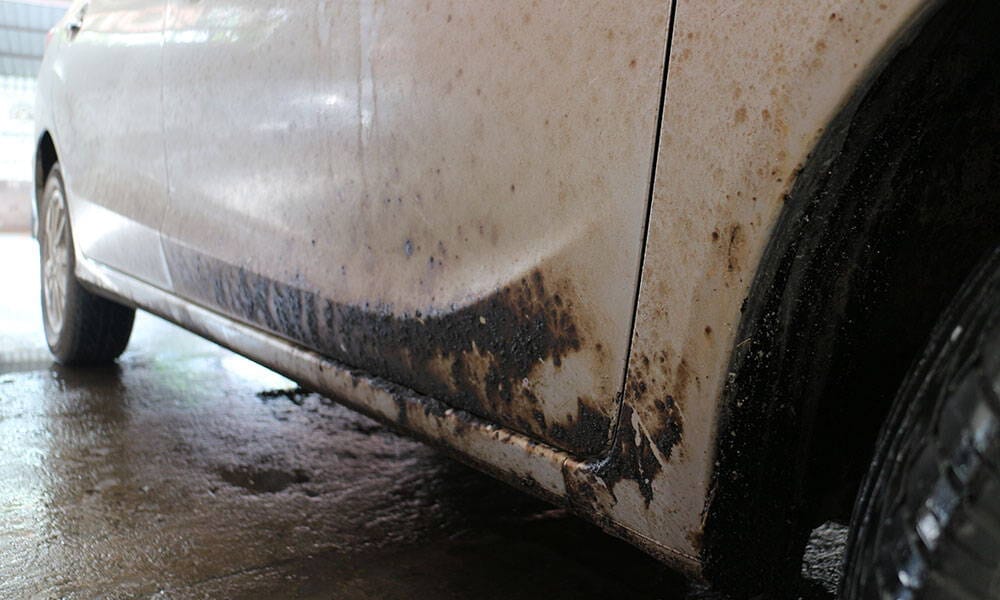
Tar looks like tiny black dots or streaks on the lower parts of your car, such as behind the wheels, near the rocker panels, or on the bumpers. Sometimes, it appears as thick patches that feel sticky to the touch.
Here’s how you can confirm it’s tar:
- Visual check: Tar is black or dark brown, glossy, and irregular in shape.
- Touch test: It feels sticky, not powdery or gritty.
- Water test: Tar does not dissolve in water. If you spray water and the spot stays, it’s likely tar.
Not all black spots are tar. Brake dust, tree sap, or oil can look similar. If unsure, try rubbing with a clean cloth. If the spot smears and feels sticky, it’s probably tar.
Credit: auto-glanz.co.uk
Essential Tools And Materials For Tar Removal
Before starting, gather the right tools. Using the correct products makes removal easier and reduces the risk of scratching paint.
Recommended items:
- Tar remover: Commercial products like Turtle Wax, Meguiar’s, or Stoner Tarminator work well.
- Microfiber towels: Soft towels prevent scratches.
- Rubber gloves: Protect your hands from chemicals.
- Bucket with water: For rinsing.
- Car wash soap: Removes residue after tar is gone.
- Clay bar kit (optional): For stubborn spots.
- Plastic scraper (optional): For thick tar, never use metal.
Avoid using household solvents like acetone or gasoline. They can damage your car’s paint.
Here’s a simple comparison of tar removal products:
| Product Type | Effectiveness | Safe for Paint? | Price Range |
|---|---|---|---|
| Commercial Tar Remover | High | Yes | $8-$15 |
| WD-40 | Medium | Yes (short contact) | $5-$10 |
| Clay Bar | High | Yes | $15-$25 |
| Acetone/Nail Polish Remover | High | No | $3-$7 |
Step-by-step Guide To Removing Tar From Car Paint
Follow these steps for safe and effective tar removal. Rushing or skipping steps can lead to paint damage.
1. Wash Your Car First
Before applying tar remover, wash your car with regular car soap and water. This removes dirt and dust, reducing the risk of scratches when rubbing tar spots.
- Use a hose to rinse the area thoroughly.
- Mix car wash soap in a bucket, apply with a sponge.
- Rinse and dry with a microfiber towel.
2. Apply Tar Remover
Spray or pour tar remover directly on the affected spots. Most tar removers work best when left for a few minutes to dissolve the tar.
- Read the product label for instructions.
- Apply enough product to cover the tar spot.
- Wait 3–5 minutes (timing may vary).
Some beginners forget to wait long enough—patience is key. Let the product break down the sticky tar.
3. Wipe Away Tar Gently
After the remover has worked, use a clean microfiber towel to wipe the tar off. Do not rub too hard. Gentle pressure is enough.
- Fold the towel and use a clean side for each wipe.
- If tar remains, reapply remover and repeat.
Many people make the mistake of scrubbing aggressively. This can scratch the paint or spread tar further.
4. Use A Clay Bar For Stubborn Spots
If some tar is still stuck after wiping, use a clay bar. Clay bars are safe for paint and excellent for removing embedded tar.
- Spray clay lubricant (usually included in kits).
- Rub the clay bar gently over the spot.
- Wipe away any residue with a towel.
Clay bars also remove other contaminants, making your paint smoother.
5. Rinse And Wash Again
After tar removal, rinse the area with water and wash with car soap. This removes any chemical residue and keeps paint safe.
- Rinse thoroughly.
- Dry with a microfiber towel.
Skipping this step can leave sticky residue, which attracts dirt.
6. Inspect And Repeat If Needed
Check the area in good light. If any tar remains, repeat the process. Sometimes, thick tar needs several treatments.
Don’t rush—removing tar completely can take time. Trying to get everything off in one go increases the risk of damage.
Common Mistakes To Avoid
Many car owners unknowingly make errors when trying to remove tar. Here are mistakes you should avoid:
- Using abrasive scrubbers: Steel wool or hard brushes scratch paint.
- Applying household solvents: Products like acetone strip paint and clear coat.
- Ignoring tar spots: Leaving tar too long makes it harder to remove and causes stains.
- Skipping post-cleaning wash: Residue from tar remover can harm paint over time.
- Rubbing too hard: Aggressive scrubbing damages paint and spreads tar.
- Using dirty towels: Dirt particles can scratch paint during wiping.
A surprising insight: Some beginners think that wax or polish will cover up tar spots. In reality, wax can trap tar under a layer, leading to long-term paint issues.
When To Seek Professional Help
In rare cases, tar spots are so thick or extensive that DIY methods fail. If tar covers a large area or if you notice paint damage, consider professional detailing. Experts have specialized tools and experience.
Professional cleaning usually costs between $50–$200, depending on the severity. For leased cars or luxury vehicles, expert help is a smart choice to protect value.
Credit: www.torquedetail.com
How To Prevent Tar From Sticking To Your Car
Prevention is easier than removal. Here are some practical ways to avoid tar buildup:
- Avoid driving on freshly paved roads whenever possible.
- Use mudguards or splash guards to reduce splashes.
- Apply a paint sealant or wax every few months—these create a protective layer.
- Inspect your car after roadwork and remove tar quickly.
A study from the National Highway Traffic Safety Administration (NHTSA) found that cars with regular wax coatings had 40% fewer tar stains compared to unwaxed cars.
Here’s a comparison of protective products:
| Protection Type | Tar Resistance | Duration | Ease of Application |
|---|---|---|---|
| Car Wax | Medium | 2–3 months | Easy |
| Paint Sealant | High | 4–6 months | Moderate |
| Ceramic Coating | Very High | 2–3 years | Difficult |
Tips For Better Results
To make tar removal even easier, follow these expert tips:
- Work in cool shade, not direct sunlight. Heat dries products quickly and can cause streaks.
- Always use fresh towels. Old or dirty towels can scratch paint.
- If using WD-40 as a tar remover, limit contact time and wash thoroughly after.
- For thick tar, use a plastic scraper carefully—never metal.
- Test any product on a small area first to check for paint reaction.
- Regularly inspect lower panels, as tar often accumulates there.
One insight many beginners miss: Even after tar is removed, the area can feel rough. Using a clay bar makes the paint smoother and helps wax stick better.

Credit: www.youtube.com
Frequently Asked Questions
How Often Should I Check For Tar Spots?
It’s best to inspect your car every 2–4 weeks, especially after driving near construction or roadwork. Early removal is easier and safer for paint.
Can Tar Remover Damage My Car’s Paint?
Commercial tar removers are designed for auto paint and are generally safe. Always read the label and test on a small area first. Avoid products not intended for cars.
What If Tar Spots Are Left For Too Long?
Tar hardens over time, making removal harder. It can cause stains or damage the clear coat. If tar has been on your car for months, professional help may be needed.
Is It Safe To Use Wd-40 To Remove Tar?
WD-40 can loosen tar but should be used carefully. Spray, let sit briefly, wipe, and wash with soap afterward. Don’t leave WD-40 on paint for long periods.
Where Can I Buy Tar Remover?
Tar removers are available at auto stores, online shops, and big retailers. For product reviews and more info, visit Consumer Reports.
Removing tar from car paint is not difficult when you know the right steps and products. With patience and care, you can keep your car looking clean and protect its value. Always avoid harsh chemicals and tools, and remember that prevention—through wax or sealant—is the best long-term solution.
Your car deserves attention, and with these tips, you can handle tar spots confidently.
Related posts
 Why You Should Use a Foam Cannon for Car Washing: Ultimate Guide
Washing your car is more than just making it look good. It protects the paint, keeps the value high, and makes driving feel better. But if…
 How to Clean Leather Seats Without Damaging Them: Expert Tips
Keeping your leather seats clean can be a challenge. Leather looks beautiful and feels luxurious, but it needs special care. Many people worry about damaging their…
 Why Using a Ceramic Coating Spray is Important for Your Car’s Shine
If you care about your car’s appearance and value, you probably wash and wax it regularly. But did you know there’s a better way to protect…