
How to Clean Car Windows Without Leaving Streaks: Expert Tips

Keeping your car windows clean without streaks isn’t just about looks—it’s about safety, clarity, and even comfort. Many drivers struggle with smeared glass, cloudy spots, or annoying lines that appear every time sunlight hits their windshield. If you’ve ever cleaned your car windows and ended up with streaks, you’re definitely not alone.
But with the right method, tools, and products, you can get windows so clear they almost disappear. This guide will show you how to clean car windows without leaving streaks, using easy steps, practical advice, and expert tips that most beginners miss.
Why Streak-free Windows Matter
Driving with clean windows is more than just a cosmetic issue. Streaks and haze can cut visibility, especially at night or during sunrise and sunset. According to the National Highway Traffic Safety Administration, poor visibility is a factor in about 46% of car accidents involving bad weather or low light. Clean glass also helps your car look newer, and prevents dust and dirt from damaging window seals over time.
Many car owners clean their windows but forget that improper cleaning can make things worse. Using the wrong products or methods can leave streaks, which distract you and even increase glare. So, learning the right way is crucial—for both safety and appearance.
Choosing The Right Tools And Products
Using the best tools and cleaners is the foundation for streak-free results. Not every product works the same, and some household cleaners can actually cause streaks.
Essential Tools
- Microfiber towels: These are soft, absorbent, and won’t scratch glass. They’re much better than paper towels or old rags, which often leave lint or streaks.
- Glass cleaner: Prefer automotive glass cleaners, not household ones. Some home products contain ammonia, which can damage window tint and leave streaks.
- Bucket of water: Useful for rinsing and pre-cleaning, especially if your windows are very dirty.
- Soft brush or sponge: For removing tough dirt or debris before using glass cleaner.
Comparing Cleaning Cloths
Here’s how common cleaning cloths stack up for car windows:
| Type | Streak Risk | Lint Left | Best Use |
|---|---|---|---|
| Microfiber | Low | No | Final cleaning |
| Paper Towels | High | Yes | Quick jobs |
| Old T-Shirts | Medium | Sometimes | Pre-cleaning |
| Chamois | Medium | No | Drying only |
Choosing The Right Cleaner
Automotive glass cleaners are made to avoid streaks. They don’t have harsh chemicals like ammonia, so they’re safe for tinted windows. Popular brands include Invisible Glass, Meguiar’s Perfect Clarity, and Stoner. If you prefer homemade, mix equal parts water and white vinegar—this is safe and effective for most glass.
Avoid all-purpose cleaners, as they often leave residue. Ammonia is especially bad for tinted glass, and can create streaks that are hard to remove.
Preparing Your Car For Cleaning
Before you start cleaning, it’s important to prepare your car and windows. Cleaning glass in direct sunlight or on hot days can cause cleaners to dry too fast, leading to streaks.
- Park your car in the shade. This keeps the windows cool and slows evaporation.
- Roll up all windows, and check for dust or debris.
- If your windows are very dirty, rinse them first with water. Use a soft brush to remove bugs, bird droppings, or stuck-on dirt.
This step prevents dirt from scratching glass and makes cleaning easier.
Step-by-step Method For Streak-free Windows
Cleaning car windows without streaks involves the right sequence, technique, and products. Follow these steps:
- Wipe off dust and loose dirt with a dry microfiber towel.
- Spray glass cleaner directly onto the towel, not the window. This prevents overspray and helps control the amount of cleaner.
- Clean the window in circular motions to loosen grime. Pay attention to corners and edges, where dirt often collects.
- Switch to vertical and horizontal strokes. This catches missed spots and ensures even coverage.
- Flip the towel to a dry side and buff the window. This step is key for removing excess cleaner and preventing streaks.
- Repeat on all windows, inside and out.
Comparing Cleaning Techniques
Below you’ll find a comparison of common cleaning motions:
| Motion | Streak Prevention | Coverage | Best For |
|---|---|---|---|
| Circular | Medium | Good | Loosening dirt |
| Vertical | High | Excellent | Final buffing |
| Horizontal | High | Excellent | Final buffing |
By combining these motions, you cover all areas and avoid streaks. If you only use one method, you might miss spots or create lines.

Credit: www.youtube.com
Special Tips For Windshields And Rear Windows
Windshields and rear glass are tricky because of their size and angle. Here’s how to get them spotless:
- Use two microfiber towels: One for cleaning, one for drying.
- For inside glass, use your hand to guide the towel into corners.
- Clean wiper marks carefully—these lines are often oily and need extra attention.
- For rear windows with defroster lines, wipe gently along the lines to avoid damage.
Don’t forget to clean the edges and corners. Dirt often hides here and causes streaks later.
Common Mistakes To Avoid
Many beginners make mistakes that cause streaks. Here are the most common:
- Using paper towels: They leave lint and streaks.
- Cleaning in direct sunlight: Cleaner dries too fast, making streaks.
- Using too much cleaner: Excess liquid leaves residue.
- Skipping the buffing step: Not drying the window fully is a big cause of streaks.
- Using household glass cleaners: Many contain ammonia, which damages tint and leaves streaks.
Avoiding these mistakes makes a huge difference. Even pros sometimes forget—so double-check your method.
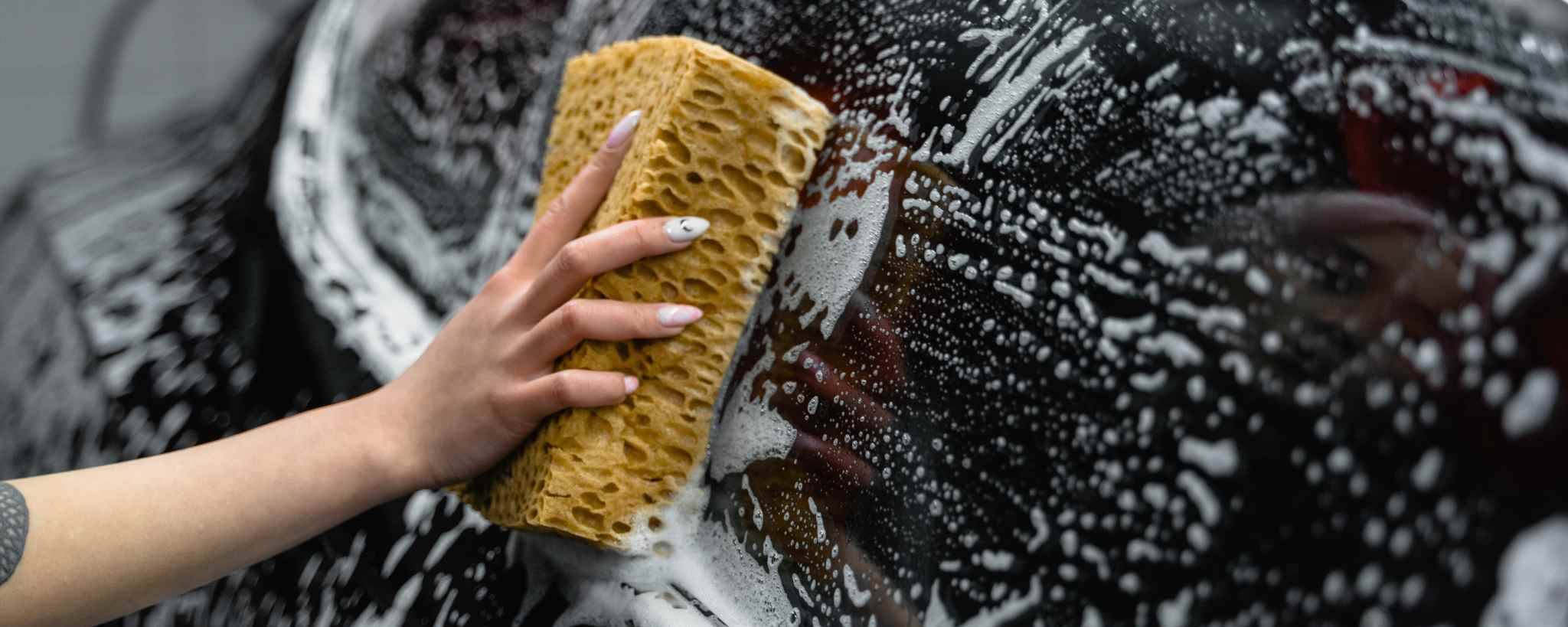
Credit: www.pandahub.com
Advanced Tips For Perfect Results
If you want glass that looks professionally cleaned, try these advanced tips:
- Use two towels for each window: One for cleaning, one for final buffing.
- Fold your microfiber towel into quarters. This gives you eight clean sides, so you always have a fresh surface.
- Clean windows in sections. Start with half the window, then move to the next part. This prevents missed spots.
- For tough spots like tree sap, use a clay bar (made for glass) after cleaning. It removes stuck particles without scratching.
- Don’t forget the interior glass. Smoke, air fresheners, and dust build up inside, causing haze and streaks.
Homemade Solutions Vs. Store-bought
Many people wonder if homemade cleaners work as well as store-bought products. Here’s a quick comparison:
| Cleaner Type | Streak-Free Ability | Safety | Cost |
|---|---|---|---|
| Automotive Glass Cleaner | Excellent | Safe for tint | Moderate |
| Homemade Vinegar Solution | Good | Safe for most glass | Low |
| Household Glass Cleaner | Fair | Can damage tint | Low |
Most experts recommend automotive glass cleaners for best results. Vinegar solutions work well but may not remove heavy grime as easily.
Cleaning Tinted Windows
Tinted windows need special care. Ammonia and harsh chemicals can destroy tint films, causing bubbling and streaking. Always use ammonia-free cleaners. If you’re unsure, test your cleaner on a small area first.
Tinted glass also shows streaks more easily, so buffing is extra important. Use fresh towels and change them often.
How Often Should You Clean Car Windows?
Regular cleaning prevents buildup and makes each job easier. For most drivers:
- Clean windows every two weeks for city driving.
- If you drive in dusty or rainy areas, clean weekly.
- Always clean after road trips or after parking under trees.
Frequent cleaning also lets you catch issues early, such as chips, scratches, or seal damage.

Credit: snsautosupply.com
Eco-friendly Cleaning Methods
If you prefer green solutions, use vinegar and water. Microfiber towels are reusable and reduce waste. Avoid disposable wipes—they often contain chemicals and create trash.
Rainwater can help pre-rinse windows, but always dry glass afterwards. Letting windows air-dry leads to water spots and streaks.
Final Words: Achieving Crystal-clear Windows
Cleaning car windows without streaks is easy once you know the right steps. The secret is careful preparation, proper tools, and the correct technique. Many people rush through the process, but spending an extra five minutes makes a huge difference.
If you follow these tips and avoid common mistakes, your car windows will stay clear, safe, and streak-free.
For more detailed tips and professional reviews on glass cleaners, check out Consumer Reports.
Frequently Asked Questions
How Can I Avoid Streaks When Cleaning Car Windows?
Always use microfiber towels and automotive glass cleaners. Clean in the shade, spray cleaner on the towel, and buff with a dry side for best results.
Is Vinegar Safe For Tinted Windows?
Vinegar is generally safe, but avoid using too much. Never use ammonia-based products, as they damage tint. Test on a small area if unsure.
How Do I Remove Stubborn Marks Like Bugs Or Sap?
Use a soft brush or sponge to loosen debris. For tough spots, a clay bar made for glass can help. Never use sharp objects—they scratch glass.
Can I Use Household Glass Cleaners On My Car Windows?
Most household cleaners contain ammonia, which can cause streaks and damage tint. Automotive cleaners are safer and give better results.
What’s The Best Way To Clean Windows Inside My Car?
Use a microfiber towel folded into quarters and spray cleaner on the towel. Clean in sections and buff with a dry side to prevent streaks.
By following these methods, you’ll keep your car windows shining and clear—making every drive safer and more enjoyable.
Related posts
 Why You Should Use a Foam Cannon for Car Washing: Ultimate Guide
Washing your car is more than just making it look good. It protects the paint, keeps the value high, and makes driving feel better. But if…
 How to Clean Leather Seats Without Damaging Them: Expert Tips
Keeping your leather seats clean can be a challenge. Leather looks beautiful and feels luxurious, but it needs special care. Many people worry about damaging their…
 Why Using a Ceramic Coating Spray is Important for Your Car’s Shine
If you care about your car’s appearance and value, you probably wash and wax it regularly. But did you know there’s a better way to protect…