
How to Keep Your Car Seats Clean With Seat Covers: Pro Tips
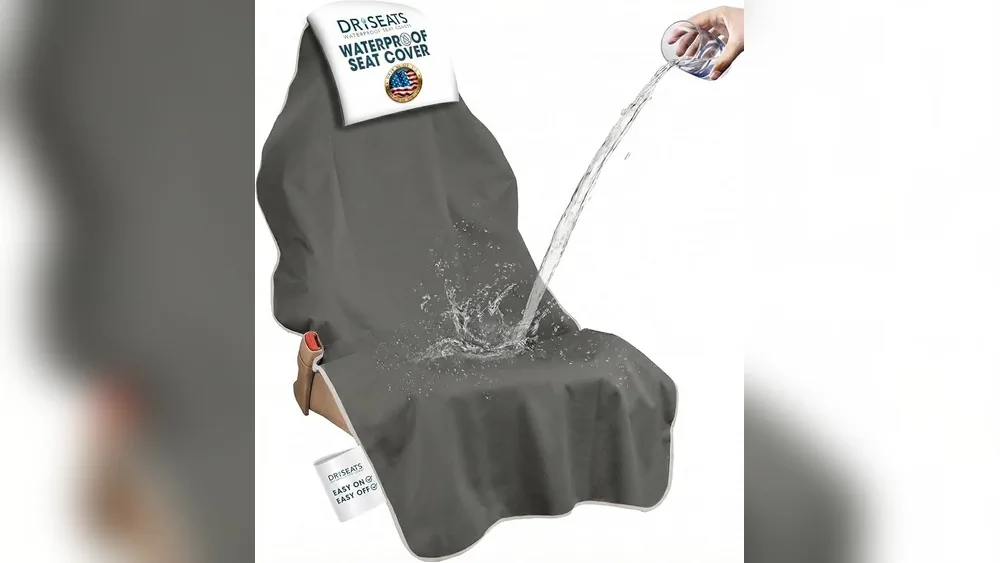
Keeping your car seats clean isn’t always easy. Dust, sweat, food crumbs, and daily wear can turn a fresh car interior into a mess quickly. If you have children, pets, or often drive with passengers, the challenge is even bigger. Many people spend money on deep cleaning or expensive upholstery repairs, but there’s a smarter solution: seat covers. With the right seat covers, you can protect your car seats, save time, and keep your car looking good for years. Let’s explore how seat covers help keep your car seats clean and what you need to know to choose, use, and maintain them.
Why Seat Covers Matter For Car Seat Cleanliness
Car seats are made from materials like leather, fabric, or vinyl. While these look great, they attract dirt and stains easily. According to a study by CarRentals.com, the average car seat contains more than 100 types of bacteria per square inch. Cleaning seats often is hard, and spills can leave permanent marks.
Seat covers act as a barrier. They prevent spills, crumbs, sweat, and dust from reaching the original seat material. This barrier is especially useful for drivers who:
- Eat or drink in the car
- Have kids or pets
- Use their vehicle for work or outdoor activities
Seat covers also help maintain the resale value of your car. Buyers prefer clean interiors, and a spotless seat can make your car worth hundreds more.
Types Of Seat Covers And Their Cleaning Benefits
There are many kinds of seat covers, each offering different advantages for cleanliness. Here’s a quick comparison:
| Type | Material | Cleaning Ease | Best For |
|---|---|---|---|
| Universal | Polyester, nylon | Easy (machine washable) | General use |
| Custom-fit | Leather, neoprene | Moderate (wipe clean) | Luxury cars |
| Waterproof | Neoprene, vinyl | Very easy (wipe, rinse) | Kids, pets, outdoor |
| Disposable | Plastic | Single-use | Temporary protection |
Most people choose universal or waterproof covers for everyday use. Universal covers are affordable and easy to clean in a washing machine. Waterproof covers are more expensive but provide the best protection against spills.
Non-obvious Insight: Breathability Matters
Many beginners only look at water resistance, but breathability is also important. If seat covers trap heat and moisture, they can cause sweating and odor. Choose covers with breathable materials like mesh or cotton blends for everyday comfort.
How To Choose The Best Seat Covers For Cleanliness
Picking the right seat cover is not just about color or price. Here’s what really matters:
- Fit: A snug fit prevents dirt from sneaking under the cover. Loose covers can bunch up and allow spills to reach the seats.
- Material: Look for machine-washable fabrics or covers you can wipe clean. Neoprene and polyester are practical for most drivers.
- Waterproofing: If you have kids or pets, waterproof covers are essential. They protect against juice, sweat, and pet accidents.
- Stain Resistance: Some covers are treated to resist stains. Check product details for this feature.
- Easy Removal: You should be able to remove the covers quickly for cleaning. Complicated covers make regular cleaning harder.
- Airbag Compatibility: If your car has seat airbags, make sure the cover does not block them.
- Style and Color: Light colors show dirt more easily, but dark covers can hide stains. Choose what fits your lifestyle.
| Factor | Universal Covers | Custom-fit Covers | Waterproof Covers |
|---|---|---|---|
| Fit | Loose/moderate | Snug | Snug |
| Material | Polyester/nylon | Leather/neoprene | Neoprene/vinyl |
| Waterproof | No | Optional | Yes |
| Machine Washable | Yes | Sometimes | Sometimes |
| Price Range | $20–$50 | $100–$300 | $40–$80 |
Common Mistake: Ignoring Compatibility
Many drivers buy covers based on looks, but forget to check compatibility with their seat shape, headrests, and airbags. Always check your car’s manual and the product description before buying.
Installing Seat Covers For Maximum Protection
Installing seat covers properly is key to keeping your seats clean. A poor installation can let dirt in or make cleaning harder. Here’s a step-by-step guide:
- Remove debris: Vacuum your seats before installing covers. This keeps old dirt from getting trapped.
- Align covers: Place the cover over the seat, making sure all openings (for seat belts, headrests) line up.
- Secure straps: Most covers use straps or hooks. Tighten these so the cover doesn’t move.
- Check fit: Smooth out wrinkles and make sure the cover hugs the seat.
- Test features: Try moving the seat, adjusting headrests, and buckling seat belts to ensure nothing is blocked.
Practical Example
Suppose you have a sedan with fabric seats. You buy waterproof neoprene covers. After cleaning the seats, you align the covers, secure the straps, and check for movement. With a snug fit, spills will not seep under, and you can remove them easily for washing.
Non-obvious Insight: Frequent Adjustment Helps
Over time, seat covers can shift, especially if you drive often. Take a minute every month to recheck the fit. This simple habit prevents dirt from sneaking underneath.
Cleaning And Maintaining Seat Covers
Seat covers make cleaning easier, but they also need care. Here’s how to keep them—and your seats—fresh:
Routine Cleaning
- Vacuum regularly: Use a handheld vacuum to remove crumbs and dust from the covers.
- Wipe spills: Clean up spills as soon as they happen. Use a damp cloth for most materials.
- Machine wash: If your covers are machine washable, wash them every 2–3 months. Use mild detergent and air dry.
Deep Cleaning
- Stain removal: For tough stains, use upholstery cleaner or a mix of water and vinegar.
- Odor control: Sprinkle baking soda on covers before vacuuming to remove smells.
Maintenance Tips
- Check for wear: Look for rips or loose seams. Replace covers if they no longer protect the seat.
- Rotate covers: If you have two sets, rotate them every season for even wear.
- Protect during harsh weather: In summer, covers protect from sweat and sunscreen. In winter, they guard against mud and salt.
Common Mistake: Forgetting The Seat Itself
Some people only clean the covers. But dirt can build up underneath. Remove covers every few months and clean the original seat. This keeps your car smelling fresh.
Extra Benefits Of Using Seat Covers
Besides cleanliness, seat covers offer other advantages:
- Comfort: Some covers add padding or cooling materials for long drives.
- Style: Change the look of your car interior without expensive upgrades.
- Protection from UV: Covers shield seats from sunlight, preventing fading and cracking.
- Pet-friendly: Covers protect against pet hair, claws, and accidents.
According to the National Automobile Dealers Association, cars with clean interiors sell for 10–15% more on average. Using seat covers can pay off financially when you decide to sell or trade your car.
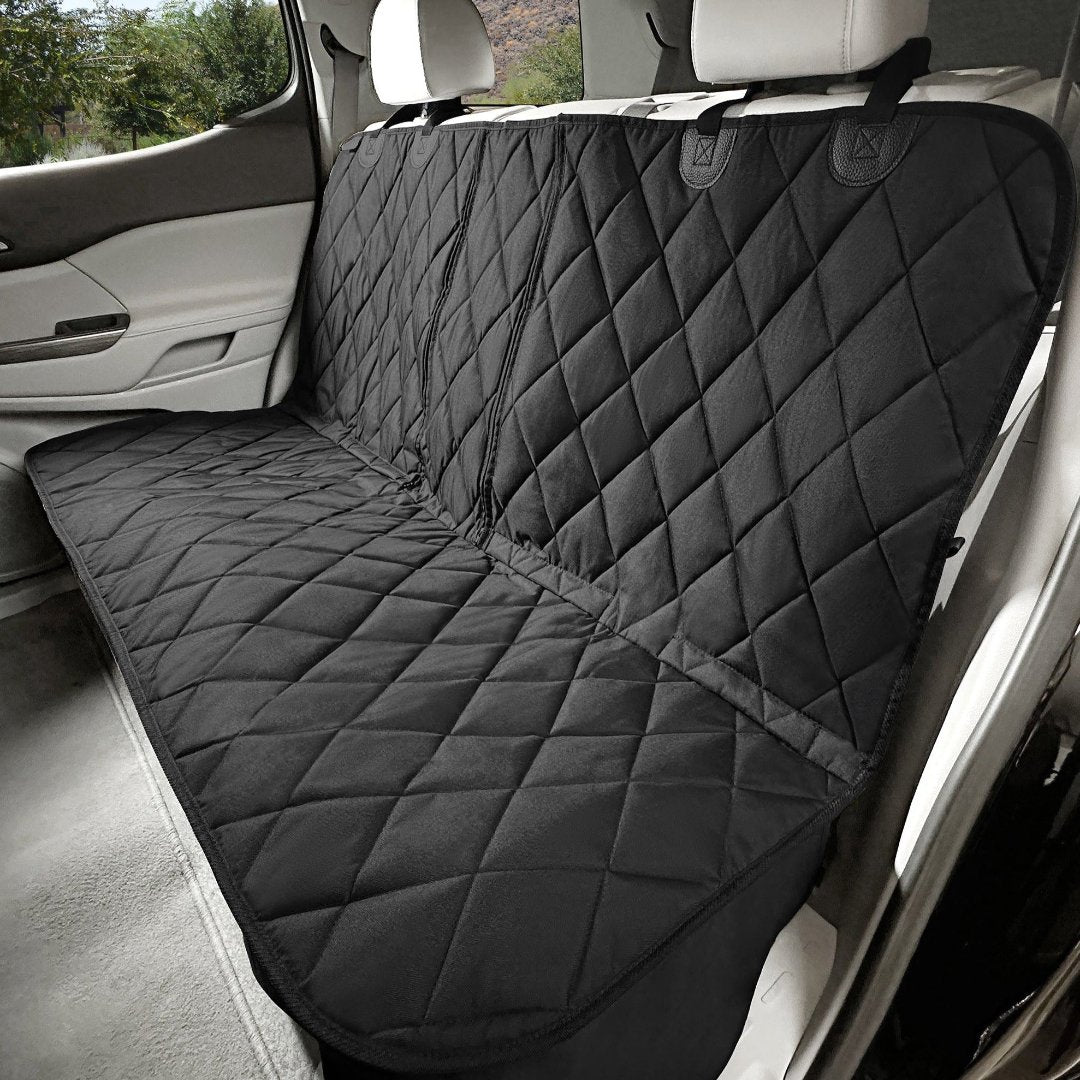
Credit: 4knines.com
Real-world Examples And Data
Let’s look at two scenarios to see how seat covers make a difference:
Example 1: Family Car
A family with two kids uses waterproof seat covers in their minivan. Over six months, they avoid juice stains, melted chocolate marks, and mud from soccer games. The covers are washed every two months, and the original seats remain spotless.
When they sell the van, the clean seats add $400 to the resale value.
Example 2: Pet Owner
A dog owner drives with their pet daily. The dog sheds hair and sometimes gets muddy. With removable covers, the owner washes the covers weekly and wipes up accidents. Without covers, pet hair would stick to the seat, requiring expensive cleaning.
With covers, the process is fast and affordable.
How To Make Seat Covers Last Longer
To get the most from your seat covers, follow these tips:
- Buy quality covers: Cheap covers tear easily and lose shape. Invest in durable materials.
- Avoid harsh chemicals: Use gentle cleaners to avoid damaging the cover or seat.
- Dry covers fully: Wet covers can cause mold or bad smells. Always air dry after washing.
- Store spare covers: Keep an extra set in your trunk for emergencies.
- Inspect regularly: Check for signs of wear and replace covers when needed.

Credit: www.amazon.com
Where To Buy Reliable Seat Covers
You can find seat covers at car accessory shops, online stores, or auto dealerships. Look for brands with good reviews and clear warranty terms. For more information on car seat materials and protection, you can visit Wikipedia.
Frequently Asked Questions
How Often Should I Wash My Seat Covers?
Most covers should be washed every 2–3 months or after spills. If you have pets or kids, monthly cleaning is best to prevent odors and stains.
Can Seat Covers Damage My Car Seats?
Quality covers protect seats. Cheap or poorly fitted covers can cause rubbing and wear. Always choose covers made for your seat type and check for compatibility.
Are Waterproof Seat Covers Hot And Uncomfortable?
Some waterproof covers trap heat. Look for covers with breathable layers or mesh panels to stay comfortable in warm weather.
Do Seat Covers Affect Airbags?
Some seat covers can block side airbags. Always check for airbag compatibility when buying, and follow installation instructions carefully.
What’s The Best Material For Seat Covers?
Neoprene and polyester are popular for everyday use. Leather is stylish but harder to clean. Choose materials based on your needs—waterproof for kids and pets, breathable for comfort.
Seat covers are a simple but powerful tool for keeping your car seats clean. With the right choice and care, you can enjoy a fresh, comfortable car interior for years—saving time, money, and effort.

Credit: www.esbenshades.com
Related posts
 Why You Should Use a Foam Cannon for Car Washing: Ultimate Guide
Washing your car is more than just making it look good. It protects the paint, keeps the value high, and makes driving feel better. But if…
 How to Clean Leather Seats Without Damaging Them: Expert Tips
Keeping your leather seats clean can be a challenge. Leather looks beautiful and feels luxurious, but it needs special care. Many people worry about damaging their…
 Why Using a Ceramic Coating Spray is Important for Your Car’s Shine
If you care about your car’s appearance and value, you probably wash and wax it regularly. But did you know there’s a better way to protect…