
Car Detailing Guide for Beginners: Simple Steps for a Showroom Shine
Car detailing for beginners involves a thorough cleaning and restoration of a vehicle, both inside and out, to achieve a like-new condition. It goes beyond a regular car wash by focusing on deep cleaning, paint correction, and protection. This process helps maintain your car’s appearance, protects its surfaces, and can even increase its resale value.
Starting with basic tools and understanding the correct steps will help you achieve great results. You can make your car look its best without needing professional help every time.
What is Car Detailing?
Car detailing is a systematic process of cleaning, restoring, and protecting a vehicle. It covers every part of the car, from the paintwork to the interior fabrics and trim. The goal is to bring the car back to its best possible condition, often better than when it left the factory.
Unlike a quick wash, detailing addresses imperfections like swirl marks, stains, and odors. It uses specialized products and techniques to ensure a deep clean and lasting finish.
Why Detail Your Car?
Regular car detailing offers several benefits beyond just a clean look. It helps preserve your car’s condition and value over time.
- Protects Your Investment: Detailing protects paint, interior materials, and other surfaces from wear and tear. This slows down aging and keeps your car looking newer for longer.
- Maintains Resale Value: A well-maintained car with a clean interior and shiny exterior will fetch a higher price. Buyers appreciate a car that has been cared for.
- Enhances Appearance: Detailing removes dirt, grime, and minor scratches, making your car sparkle. It restores the original luster and depth of the paint.
- Improves Driving Experience: A clean and fresh-smelling interior makes every drive more enjoyable. It creates a more pleasant environment for you and your passengers.
- Health and Hygiene: Detailing removes dust, allergens, and bacteria from the interior. This creates a healthier space, especially for those with allergies.
Essential Tools and Products for Beginners
You don’t need every product on the market to start detailing your car. A few key items will get you going. Here’s a list of basic tools and products for beginners.
Exterior Detailing Tools
- Two Buckets: One for soapy water, one for rinsing your wash mitt. This prevents dirt from going back onto your car.
- Wash Mitt: A microfiber or lambswool mitt is gentle on paint. Avoid sponges, which can trap dirt.
- Car Wash Soap: Choose a pH-neutral car shampoo that is safe for your car’s finish.
- Microfiber Drying Towels: Large, soft towels designed to absorb water without scratching.
- Wheel Cleaner: A specific cleaner for wheels to remove brake dust and road grime.
- Wheel Brushes: Different sizes help clean spokes and barrels of wheels.
- Tire Dressing: To make your tires look black and shiny.
- Clay Bar Kit: For removing bonded contaminants from the paint surface.
- Paint Sealant or Wax: To protect the paint and add shine.
Interior Detailing Tools
- Vacuum Cleaner: A shop vac or a powerful household vacuum with attachments.
- All-Purpose Cleaner (APC): Diluted for various interior surfaces like plastics, vinyl, and door panels.
- Interior Detailer: For light cleaning and UV protection on dashboards and trim.
- Microfiber Towels: Several clean towels for wiping down surfaces.
- Detailing Brushes: Small brushes for vents, seams, and hard-to-reach areas.
- Glass Cleaner: Ammonia-free to prevent streaks and protect tinted windows.
- Leather Cleaner and Conditioner: If your car has leather seats.
| Detailing Task | Essential Tool/Product | Purpose |
|---|---|---|
| Exterior Wash | Two Buckets, Wash Mitt, Car Wash Soap | Safe and effective cleaning of exterior surfaces. |
| Drying | Microfiber Drying Towels | Absorbs water quickly without leaving scratches. |
| Wheels & Tires | Wheel Cleaner, Wheel Brushes, Tire Dressing | Removes brake dust, cleans wheels, shines tires. |
| Paint Decontamination | Clay Bar Kit | Removes embedded dirt and contaminants from paint. |
| Paint Protection | Paint Sealant or Wax | Adds shine and a protective layer to the paint. |
| Interior Vacuuming | Vacuum Cleaner with Attachments | Removes loose dirt and debris from carpets and seats. |
| Interior Surface Cleaning | All-Purpose Cleaner, Microfiber Towels | Cleans dashboards, door panels, and other hard surfaces. |
| Glass Cleaning | Ammonia-Free Glass Cleaner, Microfiber Towels | Ensures streak-free windows and mirrors. |
Step-by-Step Exterior Car Detailing
The exterior detailing process focuses on cleaning, correcting, and protecting your car’s paint and other outside surfaces. Follow these steps for a brilliant finish.
1. Pre-Wash and Wheel Cleaning
Start by rinsing your entire car with water to remove loose dirt. This prevents scratching during the wash. Next, spray your wheel cleaner onto cool wheels and tires. Let it sit for a few minutes as directed by the product, then use various brushes to scrub the wheels, tires, and wheel wells. Rinse them thoroughly.
2. Two-Bucket Wash Method
Fill one bucket with car wash soap and water, and the other with plain rinse water. Use a grit guard in the rinse bucket to trap dirt. Dip your wash mitt into the soapy water, wash one section of the car, then rinse the mitt in the plain water before dipping it back into the soap. Work from top to bottom, rinsing the car frequently to prevent soap from drying.
3. Decontamination (Clay Bar)
After washing and drying the car, feel the paint. If it feels rough, it has bonded contaminants. Use a clay bar kit according to its instructions. Spray the clay lubricant onto a small section, then gently glide the clay bar over the wet surface. The clay will pick up tiny particles, leaving the paint smooth. Fold the clay to a clean side often.
4. Paint Correction (Polishing)
Polishing removes minor swirl marks, light scratches, and oxidation. For beginners, a “one-step” polish or an all-in-one product can be a good start. Apply a small amount to a foam applicator pad and work it into a small section of the paint in overlapping motions. Wipe off the residue with a clean microfiber towel. This step can be done by hand or with a machine polisher for better results.
5. Paint Protection (Wax or Sealant)
Once the paint is clean and corrected, apply a layer of wax or paint sealant. This protects the paint from UV rays, dirt, and water spots, and adds a deep shine. Apply a thin, even layer to one panel at a time, let it haze as directed, then buff it off with a clean microfiber towel. This step is crucial for lasting results.
Step-by-Step Interior Car Detailing
A clean interior makes a big difference in your driving experience. Here’s how to tackle the inside of your car.
1. Remove Trash and Vacuum

Start by removing all trash, floor mats, and personal items from the car. Shake out the floor mats. Use a vacuum cleaner with attachments to thoroughly vacuum the carpets, seats, and under the seats. Pay attention to crevices and hard-to-reach spots.
2. Clean Surfaces and Panels
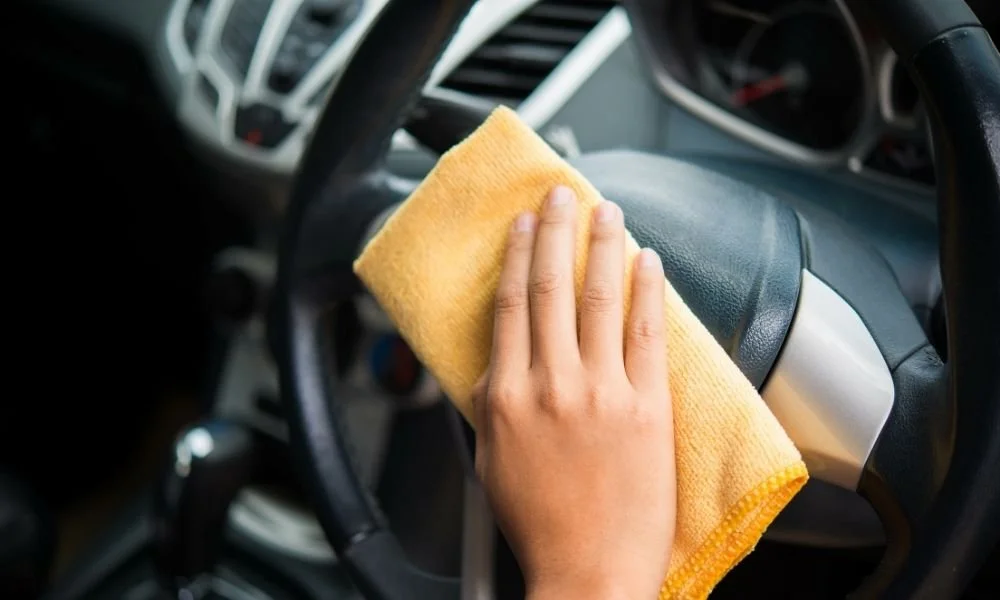
Spray an all-purpose cleaner (APC) onto a microfiber towel, not directly onto surfaces. Wipe down the dashboard, door panels, center console, and steering wheel. Use detailing brushes for vents, buttons, and seams. Follow up with an interior detailer or protectant to add a clean finish and UV protection.
3. Condition Leather and Vinyl
If your car has leather seats, use a dedicated leather cleaner to gently wipe them down. Follow with a leather conditioner to keep the leather soft and prevent cracking. For vinyl surfaces, a good interior detailer or a specific vinyl conditioner will work well.
4. Clean Glass and Mirrors
Use an ammonia-free glass cleaner and two clean microfiber towels. Spray the cleaner onto one towel, wipe the glass, then use the second dry towel to buff it streak-free. Clean both the inside and outside of all windows, including the rearview mirror.
Common Car Detailing Mistakes to Avoid
Even beginners can achieve great results by avoiding these common errors.
- Washing in Direct Sunlight: This causes soap and water to dry too quickly, leaving water spots and streaks. Work in the shade or on a cloudy day.
- Using Dish Soap: Dish soap is too harsh for car paint. It strips away wax and can dry out rubber and plastic trim. Always use a dedicated car wash soap.
- Using Dirty Towels or Mitts: Dirt trapped in towels or mitts will scratch your paint. Always use clean, soft microfiber towels and a clean wash mitt.
- Applying Too Much Product: More product does not mean better results. Use thin, even layers of waxes, sealants, and dressings. Excess product is harder to remove and can leave residue.
- Neglecting Wheels and Tires: Wheels and tires are often the dirtiest parts of the car. Cleaning them first prevents transferring dirt to clean paint.
- Forgetting to Rinse Thoroughly: Any leftover soap or cleaner can leave spots or streaks. Rinse all surfaces completely.
How Often Should You Detail Your Car?
The frequency of detailing depends on several factors, including how often you drive, where you park, and local weather conditions.
- Full Detail: A complete interior and exterior detail is often recommended every 3-6 months. This addresses deeper cleaning needs and reapplies long-lasting protection.
- Exterior Wash & Wax: A thorough exterior wash and application of a quick wax or spray sealant can be done monthly. This maintains the shine and protection between full details.
- Interior Refresh: A quick vacuum and wipe-down of surfaces can be done every 2-4 weeks, especially if your car sees a lot of use.
- As Needed: If your car gets particularly dirty from a road trip, spills, or bad weather, detail it sooner.
Consistency is key to keeping your car in top condition. Regular, lighter cleaning helps reduce the need for intensive detailing.
FAQs

How long does car detailing take for a beginner?
For a beginner, a full car detail can take anywhere from 4 to 8 hours, depending on the car’s size and how dirty it is. With practice, you will become faster and more efficient.
Can I use household cleaners for car detailing?
It is generally not recommended to use household cleaners. Products like dish soap or glass cleaner with ammonia can be too harsh for car-specific materials. They can strip waxes, dry out plastics, or damage tinted windows. Always use products made for cars.
What’s the difference between car washing and detailing?
A car wash is a basic cleaning to remove loose dirt from the exterior. Car detailing is a much more thorough process that cleans, restores, and protects every part of the vehicle, inside and out. It addresses deeper issues like paint imperfections and interior stains.
Is car detailing worth it?
Yes, car detailing is worth it. It protects your car’s surfaces, maintains its appearance, and helps preserve its resale value. It also creates a more pleasant driving environment and can extend the life of your vehicle’s components.
What’s the most important step in car detailing?
While all steps are important, proper washing and paint protection are critical. A good wash prevents scratches, and applying wax or sealant protects your paint from environmental damage. These steps lay the foundation for a lasting shine.
Conclusion
Starting your car detailing journey as a beginner is rewarding. By following these simple steps and using the right tools, you can achieve impressive results. Remember to work safely, use appropriate products, and be patient with the process. Your car will thank you with a clean, protected, and showroom-ready appearance.
Take the first step today and gather your basic supplies to give your car the care it deserves.
Related posts
 Why You Should Use a Foam Cannon for Car Washing: Ultimate Guide
Washing your car is more than just making it look good. It protects the paint, keeps the value high, and makes driving feel better. But if…
 How to Clean Leather Seats Without Damaging Them: Expert Tips
Keeping your leather seats clean can be a challenge. Leather looks beautiful and feels luxurious, but it needs special care. Many people worry about damaging their…
 Why Using a Ceramic Coating Spray is Important for Your Car’s Shine
If you care about your car’s appearance and value, you probably wash and wax it regularly. But did you know there’s a better way to protect…