How to Increase Winch Capacity With a Snatch Block: Expert Tips
If you use a winch for off-roading, recovery, or heavy lifting, you might have heard about a snatch block. This simple tool can change the way you use your winch, making it safer and more powerful. But how exactly does a snatch block work, and how can you use it to increase your winch’s capacity? Let’s break it down in clear, practical terms.
What Is A Snatch Block?
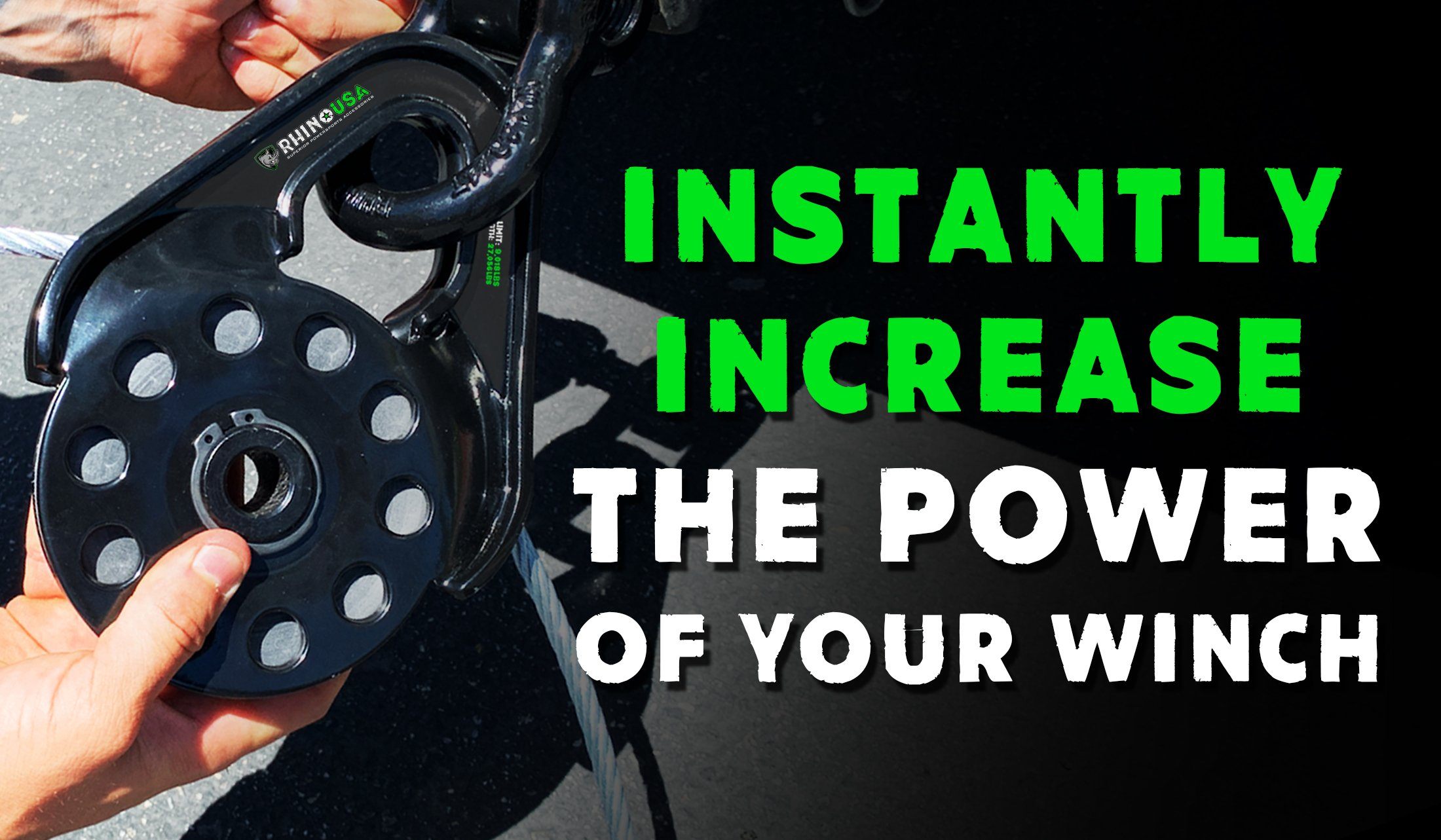
A snatch block is a heavy-duty pulley inside a metal casing. The side of the casing opens, so you can slip the winch line over the wheel (sheave) without threading it through one end. It’s built to handle the strong forces from winching and is a favorite tool among off-roaders, tow truck drivers, and anyone who uses winches in tough conditions.
The key feature of a snatch block is its ability to change the direction of the pull. This helps when you can’t pull straight, or you want to double the line back to your vehicle for more power.
How A Snatch Block Increases Winch Capacity
Let’s say you have a winch rated for 10,000 lbs. If you’re pulling a stuck vehicle or lifting a load close to that limit, you risk damaging your winch, line, or even the frame of your vehicle.
By using a snatch block, you can double the pulling force of your winch. Here’s why:
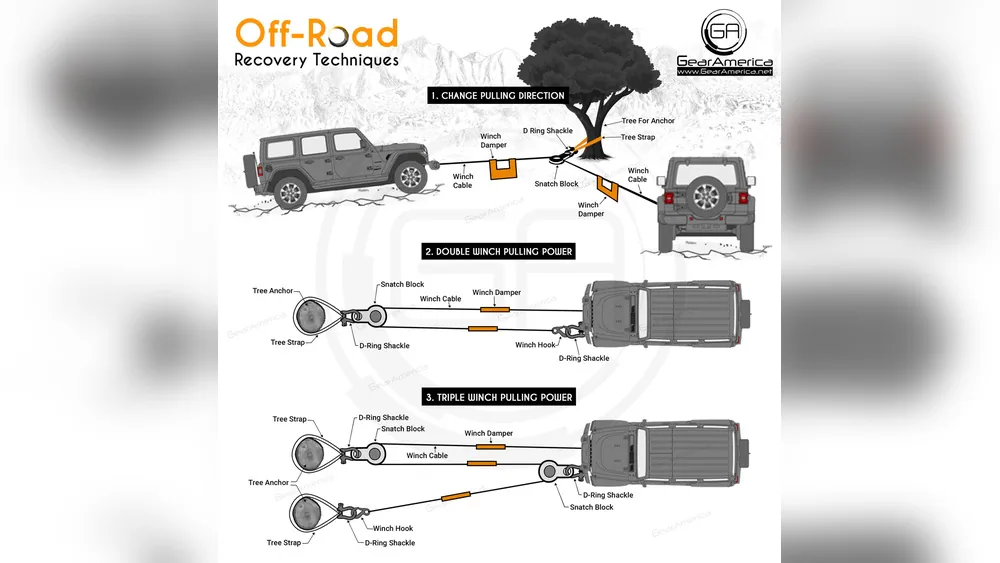
- When you run the winch line from your vehicle to an anchor point, then back through a snatch block to your vehicle (called a “double line pull”), the load is split.
- Half the load is carried by the winch, and the other half by the anchor point.
So, a 10,000 lb winch can now pull close to 20,000 lbs (minus some friction and energy loss).
Example: The Math Behind The Power
Imagine you need to pull a truck out of deep mud. The estimated resistance is 8,000 lbs. With a single line pull, your 10,000 lb winch can handle it, but it’s working hard. With a double line pull using a snatch block, the winch only “feels” 4,000 lbs.
This means less stress, less heat, and a safer recovery.
Non-obvious insight: The snatch block does not increase the winch’s motor power. It reduces the load on the motor, allowing it to pull heavier objects more safely.
Step-by-step: How To Use A Snatch Block To Boost Winch Power
Many beginners worry about setting up a snatch block correctly. Here’s a clear, step-by-step guide:
- Find a solid anchor point. This could be a tree, a large rock, or another vehicle. Make sure it’s strong enough to handle the total force.
- Open the snatch block. Most have a swinging side plate. Slide the winch cable into the groove of the pulley wheel.
- Attach the snatch block to the anchor. Use a rated D-shackle or bow shackle. Never use cheap hardware.
- Run the cable from your winch to the snatch block. Feed it through the block, then back to your vehicle’s recovery point (for double line pull).
- Check the angles. The lines should be as straight as possible to avoid side loading the snatch block.
- Take up slack. Power the winch slowly until the cable is taut.
- Stand clear. Always keep bystanders away from the winch line.
- Winch slowly and smoothly. Stop if anything looks or sounds wrong.
Pro tip: Always use a winch damper (a heavy blanket or mat) over the cable. If the line snaps, this helps absorb energy and reduces the chance of injury.
Key Benefits Of Using A Snatch Block
- Doubles pulling power: The main reason to use a snatch block is to increase winch capacity.
- Reduces winch strain: By sharing the load, your winch and cable last longer.
- Changes pull direction: Useful when you can’t pull straight or need to recover from a tricky angle.
- Controls winching speed: Using a snatch block can slow down the winch, giving you more control in delicate situations.
Important Safety Tips
Working with winches and snatch blocks can be dangerous. Here are essential safety points:
- Never exceed rated capacities. Both your winch and snatch block have limits. Check these before every use.
- Inspect all equipment. Look for cracks, frayed cables, or damaged shackles.
- Stay clear of the danger zone. If the cable or snatch block fails, it can snap back with deadly force.
- Use gloves. Winch cables can have sharp wire strands.
- Avoid sharp cable angles. This can damage the snatch block and weaken the cable.
Common Mistakes When Using A Snatch Block
Even experienced users make errors. Here are common mistakes, with tips to avoid them:
- Using the wrong snatch block: Always match the snatch block’s working load limit (WLL) to your winch’s max pulling force.
- Incorrect cable placement: The cable should sit properly in the pulley groove, not on the edges.
- Poor anchor choice: Weak or unstable anchor points can fail under load.
- Ignoring cable wear: Frayed or kinked cables are dangerous under high tension.
- Improper shackle use: Never use a shackle that’s too small or has unknown strength.
Non-obvious insight: Many people forget that the anchor point must be as strong as the doubled force, not just the winch rating.

Credit: www.amazon.com
Choosing The Right Snatch Block
Not all snatch blocks are the same. Here’s what matters when buying one:
- Working Load Limit (WLL): Choose a snatch block rated for at least your winch’s max pull. If your winch is 12,000 lbs, pick a snatch block rated for 12,000 lbs or more.
- Sheave size: The wheel size should fit your winch cable or synthetic rope. Too small can damage the line.
- Cable compatibility: Some snatch blocks only work with steel cables, others with synthetic ropes.
- Build quality: Look for forged steel, smooth pulleys, and strong side plates.
- Ease of use: A good snatch block opens easily, even with gloves on.
Comparison: Snatch Block Vs. Direct Winch Pull
Here’s a simple data table to help you see the difference:
| Setup | Winch Pull (lbs) | Load Pulled (lbs) | Speed |
|---|---|---|---|
| Direct (Single Line) | 10,000 | 10,000 | Fast |
| With Snatch Block (Double Line) | 10,000 | ~20,000 | Slower |
Note: Winching with a snatch block is slower because the winch has to pull double the cable length. But the extra power and safety are worth it.
Real-world Example: Snatch Block In Off-road Recovery
Let’s say your SUV is stuck in deep sand. Your winch alone can’t budge it. Here’s how the snatch block helps:
- You anchor the snatch block to a sturdy tree.
- Run the winch line through the snatch block, then back to your vehicle.
- As you winch, the power is doubled, and the SUV starts to move.
- The lower strain on your winch prevents overheating and possible equipment failure.
Pro tip: In some cases, you can use two snatch blocks for even more pulling force, but never exceed the rated strength of your winch, cable, or anchor.

Credit: www.gearamerica.com
Comparing Different Snatch Blocks
There are many brands and designs. Here’s a quick comparison of popular types:
| Brand/Type | WLL (lbs) | Sheave Size | Compatible Line | Weight |
|---|---|---|---|---|
| ARB Ultra Lite | 20,000 | 4.5″ | Synthetic & Steel | 4.4 lbs |
| Warn Epic | 12,000 | 3″ | Synthetic & Steel | 3.5 lbs |
| Factor 55 ProLink | 19,000 | 4″ | Synthetic Only | 2.8 lbs |
Practical Tips For Maximum Efficiency
- Keep snatch blocks clean. Mud or grit can damage the pulley and cable.
- Lubricate moving parts. A dry or rusty snatch block adds friction and reduces efficiency.
- Store safely. Carry snatch blocks in a padded bag to prevent damage.
- Practice at home. Don’t wait for an emergency to learn how to use a snatch block. Practice in a safe place.
- Use tree protectors. When anchoring to a tree, use a wide strap to avoid damaging the bark.
When Not To Use A Snatch Block
While snatch blocks are powerful, there are times when it’s better not to use one:
- When speed is critical: A direct pull is faster.
- When the anchor point is weak: Doubling the force can pull out a small tree or unstable anchor.
- If you lack experience: Misuse can create dangerous situations.
Helpful resource: For more technical details about winching and pulley systems, check out the Block and Tackle Wikipedia page.
Maintenance And Care
A snatch block is only as good as its condition. Regular maintenance is simple but important:
- Inspect before use: Look for cracks, bent parts, or roughness in the pulley.
- Clean after use: Remove mud, sand, or debris.
- Lubricate bearings: Use a light oil or grease, especially if you use the snatch block in wet conditions.
- Store dry: Prevent rust by storing in a dry place.
Frequently Asked Questions
How Much Can A Snatch Block Increase Winch Capacity?
A snatch block can nearly double your winch’s pulling power when used for a double line pull. The exact increase depends on friction, but the gain is significant.
Does A Snatch Block Work With Both Steel Cable And Synthetic Rope?
Most snatch blocks work with both, but always check the manufacturer’s guidelines. Some are designed only for synthetic or only for steel cable. The groove size and pulley material matter for safety and performance.
Can I Use More Than One Snatch Block At A Time?
Yes, you can use two or more snatch blocks to further increase mechanical advantage. But each added block increases complexity and risk. Always ensure all equipment and anchor points are rated for the total expected load.
What Is The Difference Between A Snatch Block And A Standard Pulley?
A snatch block opens on one side so you can easily insert the line, even in the middle of a long cable. A standard pulley is usually closed, requiring you to thread the entire line through. Snatch blocks are made for heavy-duty winching.
How Do I Know If My Snatch Block Needs Replacing?
Replace your snatch block if you see cracks, deformed parts, or worn pulleys. If the side plates don’t close securely, or the pulley sticks or grinds, it’s time for a new one.
Final Thoughts
A snatch block is a must-have tool for anyone who uses a winch. It’s simple, affordable, and can quickly increase your winch capacity when you need it most. Whether you’re off-roading, working on a farm, or hauling heavy equipment, knowing how to use a snatch block safely and effectively is a skill that sets you apart. With the right knowledge and regular practice, you’ll be ready for any tough recovery situation that comes your way. Stay safe, and respect the power of your equipment.
Credit: www.rhinousainc.com
Related posts
 Why You Should Use a Foam Cannon for Car Washing: Ultimate Guide
Washing your car is more than just making it look good. It protects the paint, keeps the value high, and makes driving feel better. But if…
 How to Clean Leather Seats Without Damaging Them: Expert Tips
Keeping your leather seats clean can be a challenge. Leather looks beautiful and feels luxurious, but it needs special care. Many people worry about damaging their…
 Why Using a Ceramic Coating Spray is Important for Your Car’s Shine
If you care about your car’s appearance and value, you probably wash and wax it regularly. But did you know there’s a better way to protect…