
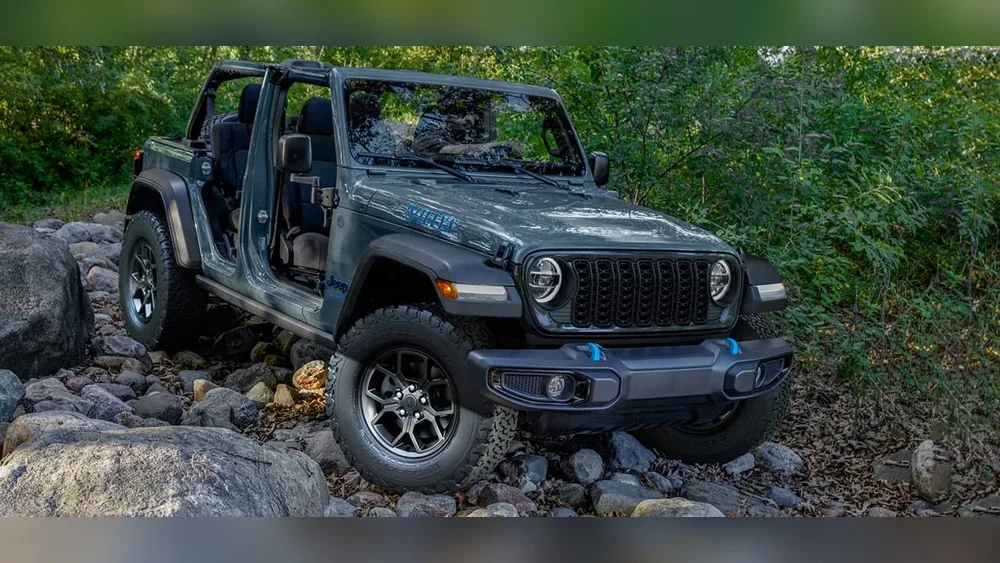
If you own a Jeep Wrangler, chances are you’re dreaming of tackling rocky trails, muddy backroads, or sandy dunes. The Wrangler is famous for its rugged spirit and off-road abilities, but even the best 4×4 can benefit from the right gear. Outfitting your Jeep with smart upgrades doesn’t just boost performance—it also keeps you safer, more comfortable, and ready for surprises nature throws your way.
But with so many products and opinions out there, it’s easy to get overwhelmed. This guide covers essential tips for choosing and using off-road gear for your Jeep Wrangler. Whether you’re new to off-roading or looking to level up, you’ll find clear advice, practical examples, and some little-known insights even regulars often miss.
Essential Recovery Gear
Getting stuck happens to everyone, even experienced drivers. Having the right recovery gear can mean the difference between a minor delay and a major headache.
1. Recovery Straps And Shackles
A kinetic recovery strap is designed to stretch and help pull your Jeep out of mud or sand. Look for straps rated for at least 20,000 lbs. Soft shackles made of synthetic rope are lighter and safer than steel D-rings. Always keep two shackles in your kit.
2. Winch
A winch is crucial for solo trips or technical trails. Choose one rated for at least 1. 5 times your Jeep’s weight (typically 9,000–12,000 lbs for Wranglers). Synthetic winch lines are lighter and safer than steel. Mount the control box up high to avoid water damage.
3. Traction Boards
These plastic or composite boards give your tires grip when you’re bogged down. Store them on your roof or tailgate for quick access. Look for boards with aggressive teeth for better traction.
4. Tire Deflator And Air Compressor
Lowering tire pressure increases grip on sand and rocks. A dedicated tire deflator makes this quick and accurate. Don’t forget a portable air compressor to reinflate tires before heading back to pavement.
Pro tip: Practice using your recovery gear in a safe place before you need it for real. Many people buy equipment but don’t test it, leading to mistakes under pressure.
Suspension And Lift Kits
Improving your Jeep’s suspension helps you tackle rough terrain and fit larger tires.
1. Lift Kits
A 2–3 inch lift is enough for most off-road situations. This gives you more ground clearance without making your Jeep unstable. Higher lifts look cool but can hurt handling and require extra upgrades.
2. Shocks And Springs
Quality shocks control bounce and keep your tires in contact with the ground. Upgraded springs support extra weight from gear. Pair them with your lift kit for the best ride.
3. Control Arms And Track Bars
These components center your axles and improve stability after lifting your Jeep. Adjustable versions are ideal if you plan to change ride height later.
| Lift Height | Max Tire Size | Handling Impact | Cost Range |
|---|---|---|---|
| 2 inches | 33″ | Low | $500–$1,500 |
| 3 inches | 35″ | Moderate | $900–$2,500 |
| 4+ inches | 37″+ | High | $2,000–$5,000+ |
Insight: Many beginners go too tall with their lift. For most trails, a modest lift with good tires offers plenty of capability and keeps your Jeep safer on the road.
Tire Choices And Upgrades
Tires are your only contact with the ground. They have a huge effect on traction, comfort, and safety.
1. All-terrain Tires
These are a good compromise for drivers who mix off-road and daily use. They handle dirt, gravel, and light mud well, and are quieter on highways.
2. Mud-terrain Tires
Mud-terrain tires have larger tread blocks and deeper voids for serious grip in mud or rocks. However, they are noisier and wear faster on pavement.
3. Beadlock Wheels
If you often air down below 15 PSI, beadlock wheels prevent the tire from slipping off the rim. They are expensive and not legal for road use everywhere, so check local rules.
| Tire Type | Best For | Noise Level | Wear Rate |
|---|---|---|---|
| All-Terrain | Mixed use | Low | Slow |
| Mud-Terrain | Heavy off-road | High | Medium/Fast |
Tip: Always check your spare tire. Many people upgrade their four tires but forget the spare—leaving them stuck if they get a flat.
Armor And Protection
Off-road trails can damage your Jeep’s underbody, body panels, and other parts. Adding protection keeps your investment safe.
1. Skid Plates
Skid plates guard your oil pan, fuel tank, and transfer case from rocks and logs. Aluminum plates are lighter but steel offers more protection.
2. Rock Sliders
These strong bars protect your door sills from rocks and can also serve as steps. Bolt-on sliders are easier to install, but welded ones are tougher for serious trails.
3. Bumpers
Aftermarket bumpers protect your front and rear and provide winch mounting points. Choose steel for tough terrain or aluminum to save weight.
4. Fender Flares
Wider flares help cover big tires and keep mud or rocks from hitting your paint.
Little-known insight: Check your gear after every trip. Even tough armor can loosen or crack, especially after hard hits. Early fixes prevent big problems later.
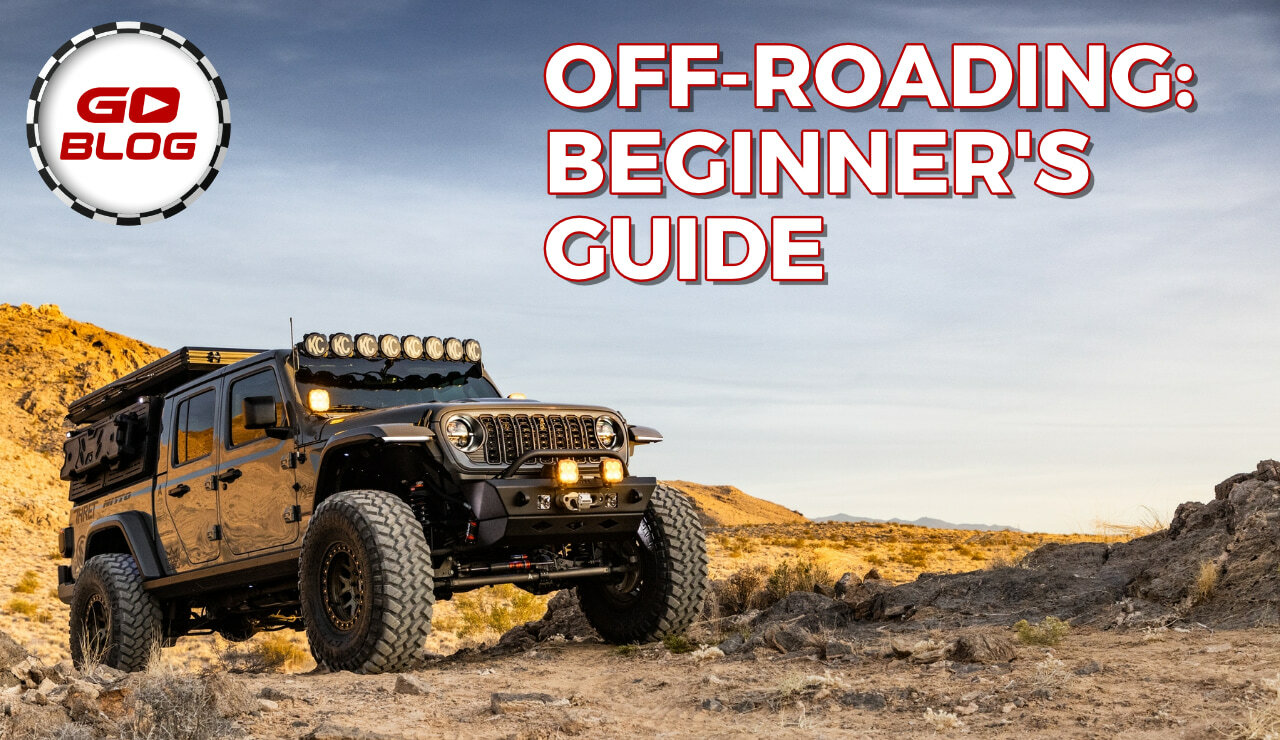
Credit: www.wheelsetgo.com
Lighting Upgrades
Good lighting is critical for safe night driving, spotting obstacles, and signaling others.
1. Led Light Bars
Install a light bar on your roof or bumper for broad, bright illumination. Spotlights reach far, while floodlights fill in the sides.
2. Ditch Lights
These small lights mount near your windshield and help you see into turns or trailside hazards.
3. Upgraded Headlights
Factory Wrangler headlights are often weak. Upgrade to LEDs or HIDs for better visibility. Make sure they are aimed properly to avoid blinding other drivers.
Practical tip: Carry a spare fuse and basic wiring tools. Off-road vibrations can cause electrical issues far from help.
Storage And Organization
Carrying recovery gear, tools, and supplies safely is important on any adventure.
1. Cargo Racks
Roof racks, rear racks, or interior cargo racks add space for fuel, water, and bulky gear. Make sure your rack’s weight rating matches your needs.
2. Lockable Storage Boxes
These keep valuables safe when your top is off. Look for weatherproof designs that bolt to your Jeep.
3. Seat-back And Trunk Organizers
Keep small items handy with molle panels or bags that attach to seats or the cargo area.
| Storage Type | Best For | Security | Ease of Access |
|---|---|---|---|
| Roof Rack | Large gear | Low | Medium |
| Lockable Box | Valuables | High | Low |
| Seat-Back Org. | Small tools | Medium | High |
Tip: Overloading your Jeep can hurt performance and fuel economy. Pack only what you need, and secure all gear to avoid injury if you bounce around.
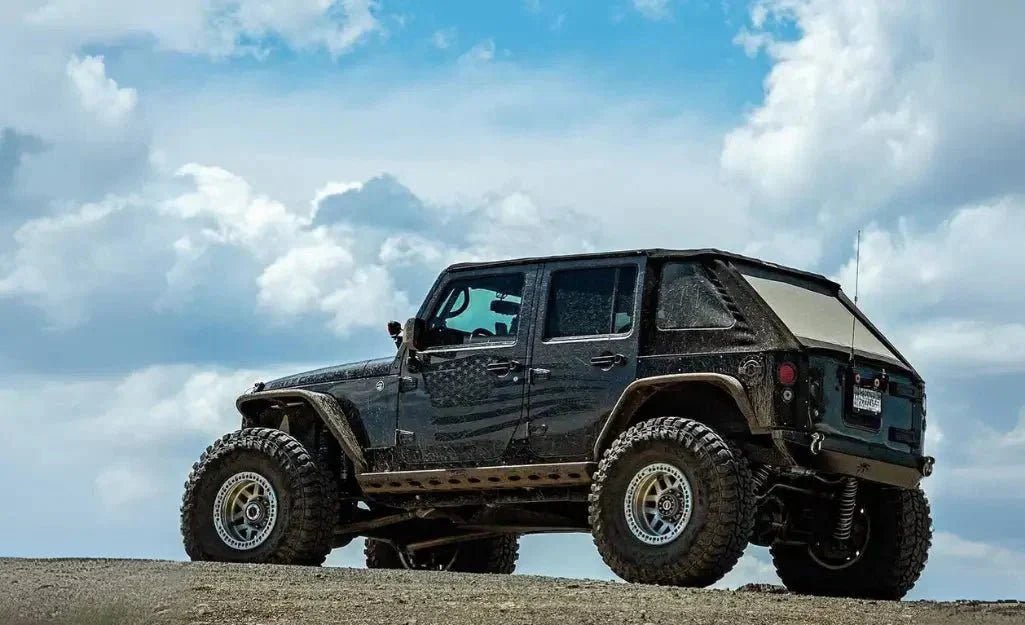
Credit: mountainoffroad.com
Navigation And Communication
Getting lost or stranded is a real risk off-road. Reliable navigation and communication can save your trip.
1. Off-road Gps
Apps like Gaia GPS or a dedicated off-road GPS device show trails, topography, and your location even without cell service.
2. Two-way Radios
CB, GMRS, or ham radios let you talk to your group or call for help. Cell phones are unreliable in remote areas.
3. Satellite Messengers
Devices like Garmin inReach send messages or SOS signals anywhere. Not cheap, but a lifesaver if you break down far from help.
Overlooked detail: Download maps ahead of time. Many apps need you to download offline maps before you lose service.
Emergency And Safety Supplies
Off-roading brings surprises. A good emergency kit prepares you for common problems.
1. First Aid Kit
Stock a real first aid kit, not just a few bandages. Include items for cuts, burns, and sprains.
2. Fire Extinguisher
Mount it securely within reach. Off-road fires can spread fast, especially in dry grass.
3. Tool Kit And Spares
Pack basic tools, spare fuses, belts, and fluids. Know how to use them. Many breakdowns are easy to fix if you’re prepared.
4. Water And Snacks
Carry extra water and energy foods in case your trip takes longer than planned.
Critical note: Check expiration dates on medical supplies and replace water after hot trips.
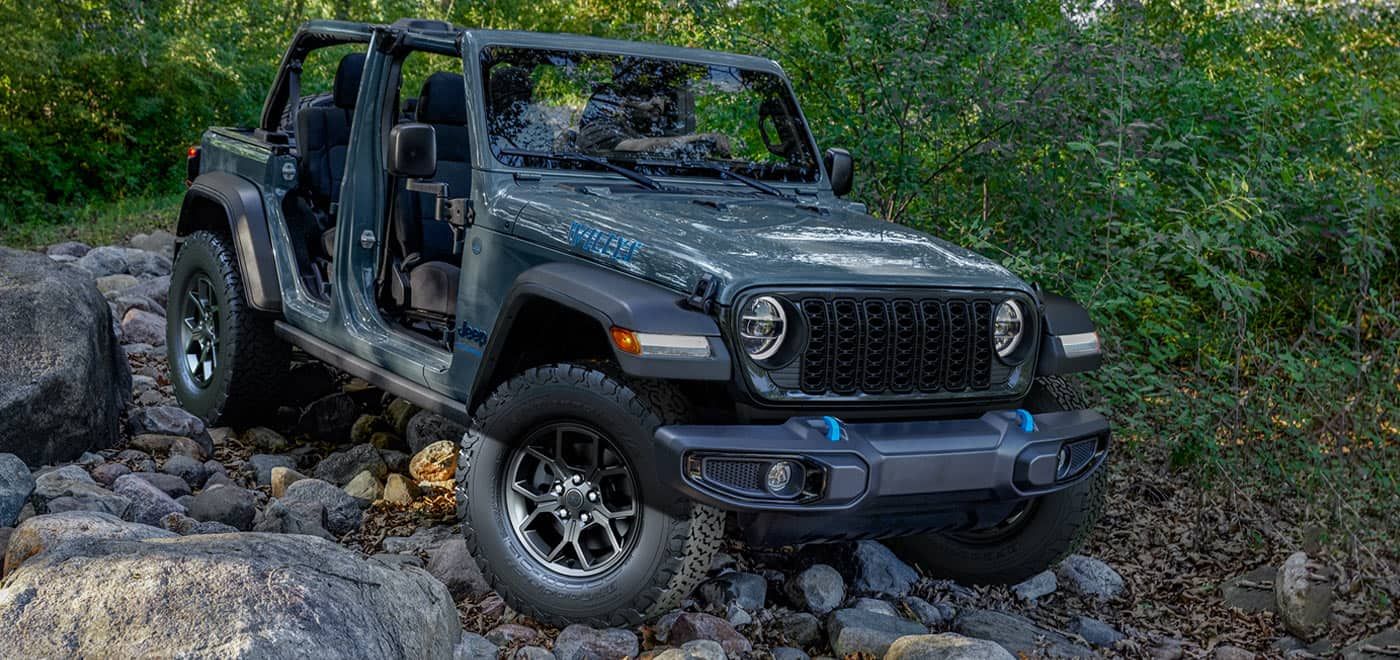
Credit: www.villagejeepmi.com
Weather Protection And Comfort
Changing weather can make or break your trip. Smart gear keeps you comfortable.
1. Portable Awning Or Shade
A roll-out awning attaches to your rack and gives instant shade or rain shelter.
2. Seat Covers And Floor Liners
Waterproof covers protect your seats from mud and rain. Heavy-duty floor liners make cleaning up easy.
3. Portable Heater Or Fan
Small 12V fans or heaters help manage temperature in extreme weather. Useful for both summer and winter trips.
Often missed: Ventilated seat covers keep you cooler in summer—especially with leather seats.
Legal And Environmental Considerations
Every responsible off-roader should know the rules that protect trails and nature.
- Tread Lightly: Stay on marked trails and avoid sensitive habitats.
- Check Local Laws: Some gear like beadlocks or light bars may not be street legal everywhere.
- Pack Out Trash: Leave no trace. Bring bags to haul out all garbage.
For more details on responsible off-roading, visit the Tread Lightly! official site.
Non-obvious tip: Some parks require special permits for certain gear, like winches or oversized tires. Always check before you go.
Maintenance And Post-trip Checks
Taking care of your Jeep and gear after a trip is just as important as preparing for it.
1. Clean And Inspect
Wash off mud and dirt, especially from the undercarriage. Check for damage to suspension, tires, and armor.
2. Lubricate Moving Parts
Water crossings and mud can wash away grease. Lubricate joints, hinges, and winch cables.
3. Recharge Or Replace
Make sure all batteries (flashlights, radios, GPS) are charged for next time.
Pro tip: Keep a log of gear issues or needed upgrades. Small problems spotted now prevent bigger failures later.
Frequently Asked Questions
What Is The First Off-road Upgrade I Should Make To My Jeep Wrangler?
A recovery kit (strap, shackles, and a compressor) is the best starting point. You can get stuck on almost any trail, and these items help you get out safely. Recovery gear is also useful for helping others.
How Much Should I Lift My Jeep Wrangler For Off-roading?
A 2–3 inch lift is enough for most off-road adventures and allows you to fit 33–35 inch tires. More lift can reduce on-road safety and increase cost, so only go higher if you tackle extreme trails.
Do I Need Beadlock Wheels For Off-road Driving?
Most casual off-roaders do not need beadlock wheels. They are useful if you air down below 15 PSI often, like in rock crawling, but they’re expensive and sometimes not street legal.
What’s The Best Way To Store Recovery Gear In My Jeep?
Use a lockable storage box or a cargo organizer. Make sure gear is easy to reach and securely tied down to prevent injury during bumpy rides.
Is Off-road Lighting Legal For Street Use?
Many off-road lights are not legal on public roads unless covered. Always check local laws and use only factory headlights on highways to avoid tickets or blinding other drivers.
Outfitting your Jeep Wrangler with the right off-road gear doesn’t have to be complicated. Start with the basics, focus on safety, and add upgrades as your skills and adventures grow. With smart choices and regular checks, your Wrangler will be ready to take you wherever the trail leads.