
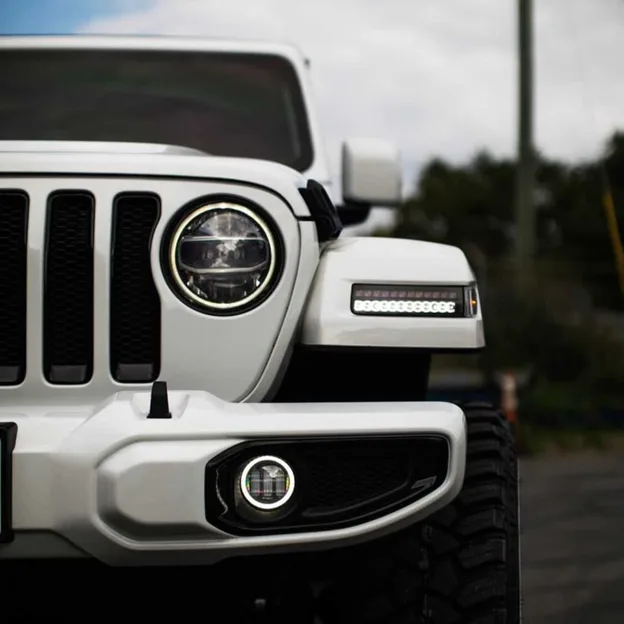
Driving a Jeep Wrangler at night can feel exciting and adventurous, but it also brings special challenges. The rugged design, high stance, and off-road focus of the Wrangler sometimes make night driving trickier than in regular cars. Headlights may point differently, the windshield is more upright, and visibility around the vehicle can be limited. If you want to enjoy your night drives and stay safe, you need to know what helps, what hurts, and how to get the most out of your Jeep’s lighting.
Many Wrangler owners love exploring trails after sunset or heading home late after a camping trip. But darkness hides road hazards, wildlife, and sharp turns. Good visibility is not just about bright lights—it means seeing what’s around you, understanding your Jeep’s limits, and using the right tools.
In this guide, you’ll learn practical tips, common mistakes to avoid, and smart upgrades that really work for the Wrangler. Let’s make your next night drive safer and more enjoyable.
Understanding Jeep Wrangler Night Visibility Challenges
The Jeep Wrangler is built for adventure, not city streets. Its design brings certain visibility challenges at night:
- The boxy shape and upright windshield reflect more light inside the cabin.
- Stock headlights are sometimes less powerful than those on newer SUVs.
- The spare tire, roof racks, and accessories can block rear visibility.
- Off-road tires may create more vibration, making lights appear shaky.
Night driving is already risky: the National Safety Council reports that traffic deaths are three times greater at night than during the day. For Wrangler drivers, understanding these unique issues is the first step to safer travel.
Choosing The Right Headlights
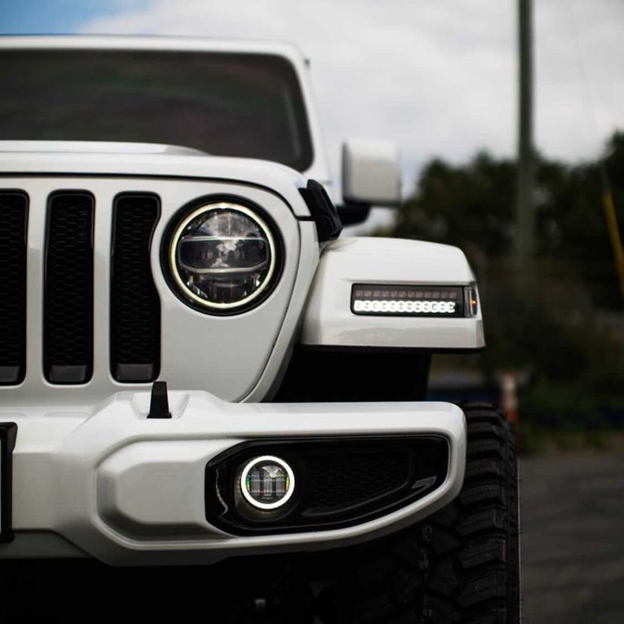
Headlights are the heart of night driving visibility. Many Wranglers, especially older ones, have halogen headlights that may feel dim. Upgrading can make a dramatic difference.
Comparing Headlight Types
Here’s a quick comparison to help you see the benefits of each option:
| Type | Brightness (Lumens) | Lifespan (Hours) | Energy Use | Cost |
|---|---|---|---|---|
| Halogen | 700-1,200 | 500-1,000 | High | Low |
| LED | 2,000-4,000 | 10,000-20,000 | Low | Medium |
| HID (Xenon) | 3,000-5,000 | 2,000-3,000 | Medium | Medium-High |
LED headlights are the best choice for most Wrangler owners. They’re brighter, last much longer, and use less energy. If you drive on dark rural roads or trails, the upgrade is worth it.
Practical Tips
- Upgrade both headlights at the same time for balanced light.
- Make sure replacements are street-legal in your area.
- Adjust the aim after installation so they don’t blind other drivers.
Adding Auxiliary Lights
Sometimes headlights alone aren’t enough. Many Jeep owners add auxiliary lights like fog lights, light bars, or spotlights to improve visibility.
Types Of Auxiliary Lights
| Light Type | Best Use | Mounting Position |
|---|---|---|
| Fog Lights | Cutting through fog, rain, or dust | Low, near bumper |
| Light Bars | Wide area lighting, off-road use | Roof or hood |
| Spotlights | Long-distance, focused beam | Pillar or bumper |
Insights For Jeep Owners
Many beginners install too many lights or use them on public roads, which can be illegal and dangerous. Only use off-road lights when you’re not in traffic. Also, check your state’s rules for auxiliary lighting.
Adjusting Your Mirrors For Maximum Visibility
Mirror adjustment is often overlooked, but it’s critical for night driving. Glare from other vehicles can make it hard to see, and the Wrangler’s rear window is small.
Key Steps
- Side mirrors: Tilt them slightly down and outward so you reduce headlight glare from cars behind you.
- Rearview mirror: Use the “night” or “auto-dim” setting if available.
- Clean all mirrors and windows before driving at night; dust and smudges increase glare.
A surprising tip: If you wear glasses, consider lenses with anti-reflective coating to cut down on glare from headlights.
Credit: www.extremeterrain.com
Cleaning And Maintaining Lights Regularly
Even the brightest lights won’t help if they’re dirty. Off-road driving and long road trips cover headlights in dust, bugs, and mud.
Maintenance Checklist
- Wash headlights and taillights every week or after off-road use.
- Use a plastic lens restorer if the covers look cloudy or yellow.
- Check for cracks, as water inside can reduce brightness and damage bulbs.
- Don’t forget side marker and license plate lights—these help others see you.
Small effort in cleaning gives a big boost to visibility.
Using High Beams Wisely
High beams are powerful, but they should be used with care. They help you see far ahead, but can blind other drivers if misused.
When To Use High Beams
- On dark, empty country roads with no oncoming traffic.
- In rural areas where wildlife might cross the road.
- When turning onto unlit trails or driveways.
When To Avoid
- Never use high beams in fog, heavy rain, or snow—they reflect back and cut your vision.
- Dim your lights when you see another car’s headlights or taillights.
A good habit: Flick your high beams off as soon as you see another vehicle.
Credit: www.homedepot.com
Reducing Interior Glare And Reflections
Inside the Wrangler, dash lights and infotainment screens can create glare, especially with the upright windshield.
Simple Solutions
- Dim your dashboard and center console lights to the lowest comfortable level.
- Turn off unnecessary displays or screens.
- Keep the inside of your windshield clean to prevent light scattering.
A non-obvious tip: Dark-colored dash mats or covers can absorb stray light and reduce reflection.
Upgrading Wipers And Windshield
A dirty or scratched windshield can scatter light, creating halos and glare. Wiper blades are just as important at night as in the rain.
What To Do
- Replace windshield wipers every 6-12 months or if they streak.
- Clean the inside and outside glass regularly with a good glass cleaner.
- Repair chips and cracks quickly, since they scatter light at night.
For off-roaders, consider hydrophobic windshield coatings—they help rain slide off, improving visibility even in storms.
Tire Pressure And Suspension Checks
This may sound unrelated, but it matters. Uneven tire pressure or worn suspension can make the Jeep ride uneven, tilting your headlights up or down.
- Check tire pressure monthly and after off-roading.
- Inspect shocks and springs for wear.
- If your Jeep is lifted, realign your headlights so they point where you need them.
An unlevel Wrangler throws off your night vision and can annoy other drivers.
Slowing Down And Increasing Following Distance
The best gear can’t replace good habits. Night driving is riskier because your reaction time is shorter; you see obstacles later.
- Drive 10-20% slower than your daytime speed, even if the road feels familiar.
- Increase following distance—aim for at least 4 seconds behind the next car.
- Avoid tailgating, since sudden stops are harder to see at night.
More time and space mean more safety.

Credit: vland-usa.com
Watching For Wildlife And Road Hazards
Wranglers often head into nature, where wildlife is active at night. Deer, raccoons, and even large birds can appear suddenly.
- Scan the road edges, not just the center.
- Watch for glowing animal eyes in your headlights.
- Slow down in wooded or rural areas, especially during dusk and dawn.
If you see one animal, expect more—many travel in groups.
Using Navigation And Maps Safely
Bright GPS screens can distract you or block your vision at night.
- Set your route before you start driving.
- Use night mode on your GPS or phone.
- Position your device low and angled away from your eyes.
If you get lost, pull over safely before checking the map. Never try to navigate while driving dark trails.
Proper Use Of Fog Lights
Fog lights are designed for low, wide light that cuts under fog or dust. Many drivers use them all the time, but that’s a mistake.
- Only use fog lights in actual fog, heavy rain, or snow.
- Turn them off in clear weather—they can dazzle oncoming drivers.
- Make sure they’re aimed low to the ground.
If your Wrangler has aftermarket fog lights, check if they’re legal for road use in your area.
Training Your Eyes For Night Driving
Night vision is a skill you can improve.
- Avoid looking directly at oncoming headlights; focus on the right side of your lane.
- Take regular breaks on long drives—fatigue reduces night vision sharply.
- Eat a healthy diet; vitamin A is important for your eyes.
Older drivers may notice their night vision gets worse—consider seeing an eye doctor if you struggle with glare or blurry vision.
Emergency Lighting And Reflective Gear
If you break down at night, being seen is more important than seeing.
- Carry LED flares or reflective triangles in your recovery kit.
- Wear a reflective vest if you leave the vehicle.
- Keep a small flashlight or headlamp in your glove box.
These simple items can save your life in a roadside emergency.
Comparing Factory Vs. Aftermarket Lighting Upgrades
Upgrading Jeep lighting is popular, but not all upgrades are equal. Here’s a side-by-side look:
| Feature | Factory Lights | Aftermarket Upgrades |
|---|---|---|
| Brightness | Moderate | High to very high |
| Beam Pattern | Standard | Customizable (flood, spot, combo) |
| Legal Compliance | Always legal | Varies by product and state |
| Installation | Simple | May need wiring or mounts |
| Cost | Included | Extra, varies widely |
Choose products with good reviews and certifications. Poor-quality lights can fail early or scatter light dangerously.
Avoiding Common Night Driving Mistakes
Even experienced Jeep owners make mistakes that hurt visibility. Watch out for these:
- Overloading the front bumper or roof rack with gear that blocks lights.
- Ignoring dirty or foggy headlight covers—a quick clean can double your light output.
- Using illegal aftermarket lights on public roads.
- Not adjusting headlights after a suspension lift.
- Trusting automatic headlights in all situations—sometimes you need to turn them on manually.
When To Seek Professional Help
If you’ve tried these tips and still struggle with night vision, it may be time for expert help.
- Visit a mechanic to check your Jeep’s electrical system and lighting.
- An auto glass specialist can polish or replace badly scratched headlight covers.
- Eye care professionals can test your night vision and suggest solutions.
Sometimes, the problem isn’t your Jeep—it’s your eyes.
Final Thoughts
Driving a Jeep Wrangler at night can be safe and fun with the right habits and upgrades. Focus on bright, clean headlights, well-aimed auxiliary lights, and smart driving practices. Don’t forget the basics: clean mirrors, good wipers, and a clear windshield. Most importantly, slow down, stay alert, and enjoy the adventure. With these tips, your night drives can be as enjoyable as your days.
For more details on lighting upgrades, visit the National Highway Traffic Safety Administration.
Frequently Asked Questions
What Are The Best Headlights For A Jeep Wrangler?
LED headlights are the best overall choice. They are brighter, last longer, and use less energy compared to halogen or HID. Make sure they are DOT-approved for street use.
Can I Use A Light Bar On Public Roads?
No, light bars are usually designed for off-road use and can blind other drivers. Use them only on trails or private property, and keep them off in regular traffic unless your state specifically allows them.
How Do I Reduce Glare From Other Cars’ Headlights?
Adjust your side mirrors slightly downward and outward. Use the auto-dimming feature on your rearview mirror, and keep all glass surfaces clean inside and out.
Are Aftermarket Fog Lights Worth It?
They can be helpful if you drive in foggy or rainy conditions often. Choose models that are legal for road use, and aim them properly to avoid dazzling other drivers.
How Often Should I Clean My Headlights?
Clean them weekly if you drive off-road or in dusty areas. For regular city driving, every two weeks is usually enough. Use a plastic lens restorer if they become cloudy or yellowed.