
How to Replace Jeep Cargo Liner: Step-by-Step Guide
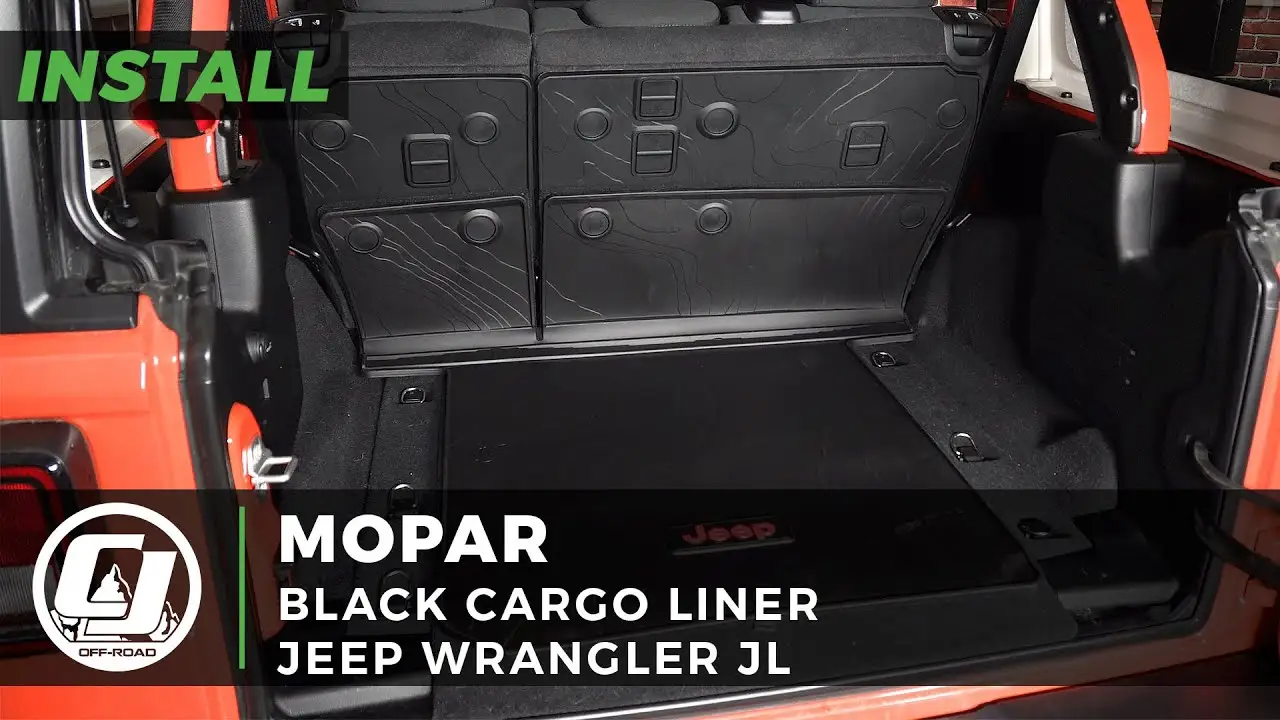
Replacing a cargo liner in your Jeep can make a big difference in how your cargo area looks and works. Over time, the old liner can get dirty, worn out, or even torn. A new cargo liner not only improves the appearance but also protects your Jeep’s interior from mud, spills, and heavy gear.
If you use your Jeep for camping, off-roading, or daily tasks, learning how to swap out the cargo liner is a smart way to keep your vehicle in top shape.
Many Jeep owners think replacing a cargo liner is hard or expensive. In reality, you can do it yourself with simple tools and a bit of patience. This guide explains every step, from picking the right liner to installing it without stress.
You will also find helpful tips, a few things most beginners miss, and advice to avoid common mistakes. If you want your Jeep to stay clean and ready for adventure, this article is for you.
Why Replace Your Jeep Cargo Liner?
A cargo liner does more than cover the floor. It protects your Jeep’s resale value, makes cleaning easier, and can handle tough use. Over time, factory liners wear out, especially if you carry pets, groceries, or outdoor gear. A damaged liner can let water or dirt reach the metal floor, causing rust or stains.
Some drivers notice their old liner smells bad or is hard to clean. Others want a custom look or better grip for their cargo. Upgrading your cargo liner is a simple way to solve these problems.
Types Of Jeep Cargo Liners
Before you start, it’s important to know the main types of cargo liners available. Each type has its strengths and is designed for different needs.
| Type | Material | Key Features | Best For |
|---|---|---|---|
| Universal Fit | Rubber or carpet | Cut to size, affordable | Budget upgrades |
| Custom Fit | Thermoplastic, rubber | Exact fit, raised edges | Maximum protection |
| All-Weather | Heavy-duty rubber | Waterproof, easy clean | Off-road, pets, camping |
| Carpeted | Thick carpet | Soft feel, matches interior | Urban, light use |
Custom-fit liners are the most popular for Jeep owners who need strong protection and a neat look. Universal liners are cheaper but may not cover corners or stay in place well.

Credit: www.youtube.com
Choosing The Right Replacement Liner
Selecting the right liner is more than just matching your Jeep model. Here are a few things to consider:
- Model and Year: Jeep Wranglers, Cherokees, and Grand Cherokees have different cargo areas. Always check compatibility.
- Material: If you haul wet gear, pets, or tools, choose all-weather rubber. For a luxury feel, carpeted liners are best.
- Edge Design: Raised edges catch water and dirt, keeping your Jeep clean.
- Cleaning Needs: Some liners can be wiped clean, while others need to be washed.
- Attachment Method: Some have Velcro or clips to stop sliding.
Many buyers forget to measure the cargo area or check if the liner allows access to storage compartments under the floor. Always read reviews and check the return policy before buying.
Tools And Supplies You Need
Replacing a Jeep cargo liner doesn’t need special tools, but a few simple items make the job smoother:
- Vacuum cleaner or brush
- Mild cleaning spray or soap
- Clean rags or microfiber towels
- Utility knife (for universal liners)
- Measuring tape (for trimming)
- Screwdriver (if cargo hooks need removal)
- New cargo liner (custom or universal)
Having everything ready saves time and helps you avoid mess or mistakes.
Removing The Old Cargo Liner
Start by clearing out your cargo area. Take out all loose items, mats, and any storage boxes. If your Jeep has a factory liner, it may be held down with Velcro, clips, or screws. Here’s how to remove it:
- Unclip or unscrew: If you see fasteners, gently remove them with a screwdriver.
- Lift the liner: Start from one corner and peel it up slowly. Don’t pull hard—this could tear the liner or damage the floor.
- Remove debris: Shake out the old liner outside to avoid spreading dirt inside your Jeep.
- Vacuum and clean: Use a vacuum to pick up dirt, sand, and pet hair. Wipe the floor with a damp cloth and let it dry fully.
Most people skip the cleaning step, but dirt under the new liner can cause smells or scratches later.
Prepping For The New Cargo Liner
Before you put in your new liner, check the cargo area for:
- Loose screws or sharp edges: Fix or cover them to avoid tearing the new liner.
- Moisture or leaks: Make sure the area is dry. If you see any wet spots, find the cause first.
- Storage access: If your Jeep has storage under the floor, open it now and see how the new liner will fit.
For universal liners, measure the cargo space. Mark the cutting lines with chalk or a marker. Double-check before you cut—many people make mistakes here.
Installing The New Jeep Cargo Liner
Installing a new cargo liner is usually simple, but small details make a big difference. Here’s a step-by-step guide:
- Position the liner: Lay it flat in the cargo area. For custom-fit liners, align edges with the Jeep’s sides and corners.
- Adjust for fit: If using a universal liner, lay it out and trim it with a utility knife. Go slowly—cut less than you think at first.
- Secure the liner: If your new liner has Velcro, press it into place. For clips or snaps, fasten them according to instructions.
- Check cargo hooks: Reinstall any cargo hooks you removed. Some liners have cutouts for these.
- Smooth out air pockets: Press down on the liner to remove bubbles or wrinkles.
- Test access: Open storage areas to make sure the liner doesn’t block anything you need.
Custom-fit liners should “drop in” with little or no trimming. Universal liners need careful cutting for a clean look.
Common Mistakes To Avoid
Many Jeep owners make simple mistakes when replacing their cargo liner. Avoid these to get the best results:
- Skipping cleaning: Dirt under the new liner can cause odors and scratches.
- Cutting too much: Trim universal liners slowly—too much cutting means poor coverage.
- Ignoring fit: Don’t force a liner that doesn’t match your Jeep’s year or model.
- Blocking storage: Make sure you can still access spare tire tools or floor storage.
- Not securing the liner: If your liner slides, it can bunch up and become a trip hazard.
A little extra time during installation pays off with a better fit and longer life.

Credit: lesonghotel.com
Maintenance And Cleaning Tips
A new cargo liner is easier to keep clean, but some habits help it last longer:
- Shake out dirt: Every few weeks, remove the liner and shake out dust and sand.
- Wipe spills fast: Clean up any liquids right away to stop stains or smells.
- Use mild cleaners: Strong chemicals can damage rubber liners. Use simple soap and water.
- Inspect for damage: Look for tears, especially if you carry sharp tools or heavy items.
For all-weather liners, a quick rinse with a hose works well. Carpeted liners can be vacuumed, but deep stains may need a carpet cleaner.
Cost Comparison: Diy Vs. Professional Replacement
Some Jeep owners wonder if they should install the liner themselves or pay for professional help. Here’s a quick look at the costs:
| Option | Average Cost | Time Needed | Pros | Cons |
|---|---|---|---|---|
| DIY Replacement | $50-$200 (liner only) | 30-60 minutes | Cheap, flexible, satisfaction | Learning curve, risk of mistakes |
| Professional Install | $150-$350 (liner + labor) | 1-2 hours | No effort, warranty | More expensive, need appointment |
For most Jeep owners, DIY is the best value. Custom-fit liners are designed for easy installation, and you learn more about your vehicle by doing it yourself.

Credit: marchedescapucins.com
Real-world Example: Replacing A Jeep Wrangler Cargo Liner
Let’s look at a real example. Sarah owns a 2018 Jeep Wrangler and loves off-roading. Her old liner was stained from camping trips and muddy boots. She chose a custom-fit, all-weather liner with raised edges.
- Removal: She took out the old liner and used a vacuum for hidden dirt.
- Cleaning: She wiped down the bare floor and checked for rust.
- Install: The new liner dropped right in. She pressed Velcro strips into place and made sure the rear seat brackets fit through the pre-cut holes.
- Result: The cargo area looked new, and water from her hiking boots stayed on the liner, not the carpet.
This example shows that with the right tools and care, anyone can replace a Jeep cargo liner at home.
Environmental Impact And Recycling
Many people don’t realize old cargo liners can be recycled. Rubber and thermoplastic mats are accepted at most recycling centers. Instead of throwing your old liner in the trash, check local rules on recycling car parts. Some brands offer eco-friendly liners made from recycled materials, which is a smart choice for drivers who care about the environment.
For more information about recycling automotive materials, you can visit the EPA’s recycling guide.
Frequently Asked Questions
How Long Does It Take To Replace A Jeep Cargo Liner?
Most replacements take 30 to 60 minutes. Custom-fit liners are fastest, while universal liners may need extra time for trimming.
Can I Use My Old Liner As A Template For Cutting A New One?
Yes, this is a smart tip. Lay the old liner on top of the new one and trace the outline before cutting.
Will A New Cargo Liner Affect My Jeep’s Resale Value?
A clean, well-fitted cargo liner can protect the interior and help your Jeep keep its value. Buyers like to see a well-cared-for cargo area.
Do I Need To Remove The Rear Seats To Replace The Liner?
Usually, you don’t need to remove seats. Custom-fit liners are designed to fit around seat brackets. Check the instructions for your liner.
What Should I Do If The Liner Doesn’t Fit Perfectly?
If you bought a universal liner, trim it slowly. For custom-fit liners, contact the seller if the fit is wrong—they may have sent the wrong model.
Replacing your Jeep’s cargo liner is a smart way to protect your investment and keep your vehicle ready for anything. With the right tools and a little time, you can enjoy a cleaner, more useful cargo area for years to come.
Related posts
 Why You Should Use a Foam Cannon for Car Washing: Ultimate Guide
Washing your car is more than just making it look good. It protects the paint, keeps the value high, and makes driving feel better. But if…
 How to Clean Leather Seats Without Damaging Them: Expert Tips
Keeping your leather seats clean can be a challenge. Leather looks beautiful and feels luxurious, but it needs special care. Many people worry about damaging their…
 Why Using a Ceramic Coating Spray is Important for Your Car’s Shine
If you care about your car’s appearance and value, you probably wash and wax it regularly. But did you know there’s a better way to protect…