
Jeep Wrangler Off-Road Lighting Guide
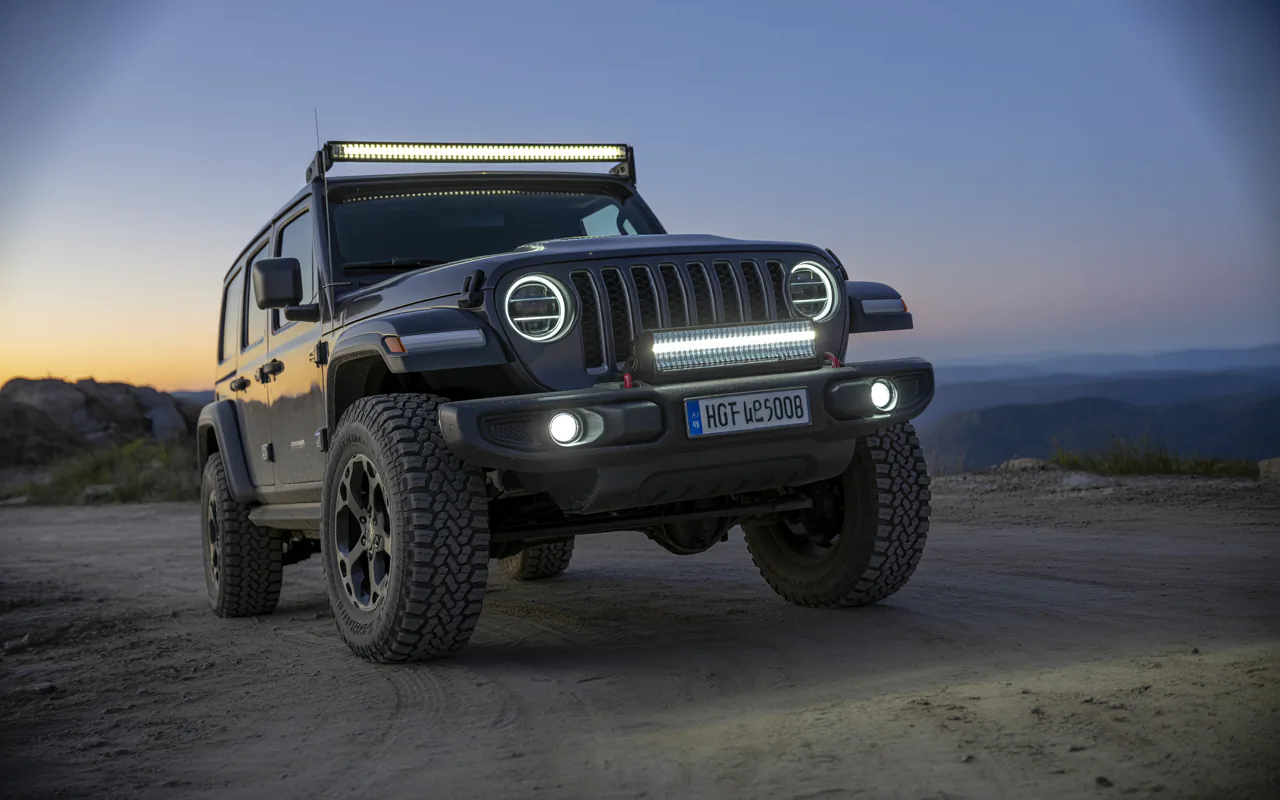
jeep wrangler off-road lighting guide helps you choose the right lights, placement, and setup for safe and effective night trail driving.
Driving a Jeep Wrangler off-road at night is a completely different experience from daytime adventures. Trails become harder to read, obstacles appear without warning, and even familiar terrain can feel unpredictable. That is where proper lighting makes all the difference. A well-planned setup improves visibility, reduces strain on your eyes, and keeps you safer in remote areas.
This jeep wrangler off-road lighting guide explains everything you need to know in a clear and practical way. It covers light types, mounting positions, beam patterns, legal concerns, and installation basics. Whether you are just starting or upgrading your current setup, this guide keeps things simple and useful.
“Good lighting is not about brightness alone. It is about clarity and control.” – Rick Johnson, Off-Road Instructor
Types of Off-Road Lights for Jeep Wrangler
Understanding the different types of lights is the first step in building a reliable setup. Each type serves a specific purpose, and combining them correctly creates balanced visibility.
| Light Type | Best Use | Key Feature |
|---|---|---|
| LED Light Bars | Wide area coverage | High brightness, long lifespan |
| Spot Lights | Long-distance visibility | Focused beam |
| Flood Lights | Close-range lighting | Wide beam spread |
| Rock Lights | Underbody visibility | Mounted underneath |
| Fog Lights | Low visibility conditions | Reduces glare |
LED light bars are popular because they offer a mix of flood and spot beams. They are usually mounted on the roof or front bumper. Spot lights help you see far ahead on open trails, while flood lights are useful for tight paths where side visibility matters more.
Rock lights are often overlooked, but they are essential for technical trails. They help you see tire placement and obstacles directly under your vehicle.
This jeep wrangler off-road lighting guide focuses on combining these lights for real-world use instead of relying on just one type.
Choosing the Right Beam Pattern
Beam pattern affects how light spreads and how useful it is in different situations. Picking the wrong pattern can create glare or leave dark spots.
There are three main beam patterns:
Spot Beam
Spot beams project light far ahead in a narrow path. They are ideal for high-speed desert driving or open trails. However, they do not provide much side visibility.
Flood Beam
Flood beams spread light across a wide area but do not reach far. They are great for slow, technical driving where you need to see rocks, trees, and turns.
Combo Beam
Combo beams mix both spot and flood patterns. Many modern light bars use this design to provide balanced coverage.
| Beam Pattern | Distance | Width | Best Scenario |
|---|---|---|---|
| Spot | Long | Narrow | High-speed trails |
| Flood | Short | Wide | Crawling and tight paths |
| Combo | Medium to Long | Medium to Wide | Mixed terrain |
The jeep wrangler off-road lighting guide recommends a combination setup. Using only one beam type limits your visibility and can make night driving harder than it should be.
Best Mounting Locations for Jeep Wrangler Lights
Placement matters just as much as the lights themselves. Mounting lights in the wrong position can cause glare or reduce effectiveness.
Roof Mount
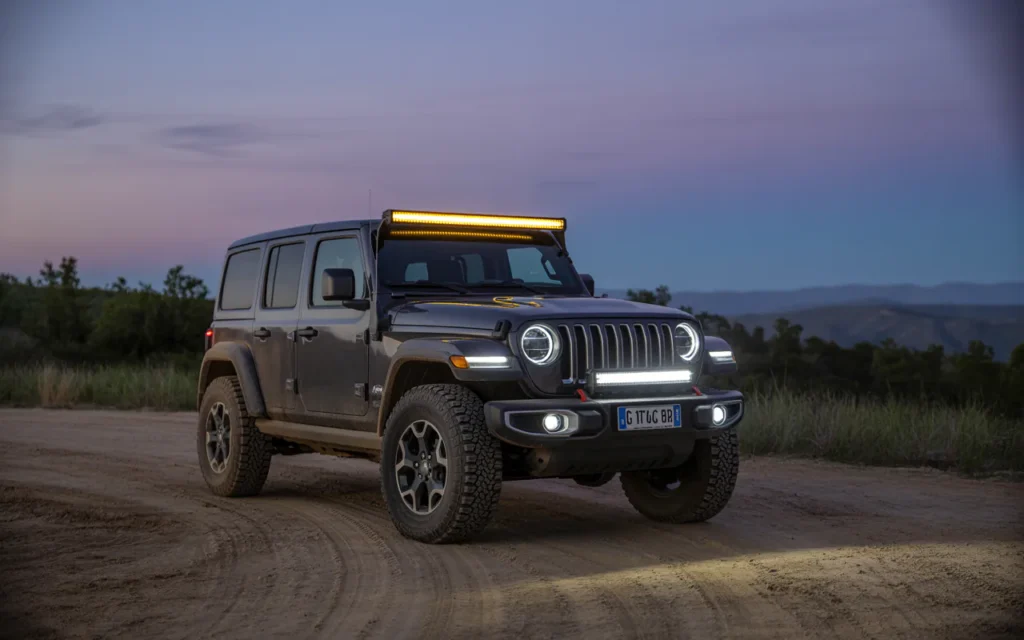
Roof-mounted light bars provide maximum coverage and distance. They are great for open terrain. However, they can create glare on the hood if not angled properly.
Bumper Mount
Front bumper lights are closer to the ground. This helps reduce glare and improves visibility of obstacles directly ahead.
A-Pillar Mount
Lights on the A-pillar are useful for side visibility. They help illuminate corners and tight turns.
Rock Light Placement
Rock lights are installed under the vehicle, usually near each wheel. They are essential for night rock crawling.
This jeep wrangler off-road lighting guide suggests combining roof, bumper, and A-pillar lights for a complete setup. Each position fills a different gap in visibility.
“Light placement is as important as the light itself. Poor angles create more problems than they solve.” – Sarah Mitchell, Trail Guide
Wiring, Power, and Installation Basics
Installing off-road lights is not overly complicated, but it requires attention to detail. A clean setup ensures reliability and safety.
Wiring Harness
Always use a proper wiring harness with relays and fuses. This protects your vehicle’s electrical system and prevents overload.
Battery Connection
Connect lights directly to the battery through a fuse. Avoid tapping into existing circuits, as this can cause issues.
Switch Placement
Install switches in an easy-to-reach location inside the cabin. Many Jeep owners prefer mounting them on the dashboard or center console.
Waterproofing
Off-road conditions often include mud, water, and dust. Use waterproof connectors and protect wiring with sleeves.
A solid installation is a key part of this jeep wrangler off-road lighting guide. Poor wiring can lead to flickering lights or complete failure in the middle of a trail.
Legal Considerations and Safety
Off-road lights are not always legal for street use. Understanding local regulations helps you avoid fines and stay compliant.
In many regions, roof-mounted light bars and high-output lights must be covered when driving on public roads. Some areas also limit brightness levels.
Safety Tips
- Avoid using high-intensity lights in traffic
- Aim lights properly to prevent blinding others
- Turn off auxiliary lights when not needed
This jeep wrangler off-road lighting guide emphasizes responsible use. Off-road lights are powerful tools, but they should be used with care.
How to Build a Balanced Lighting Setup
Creating a balanced setup means combining different light types and positions. This ensures you have visibility in all directions without overloading your system.
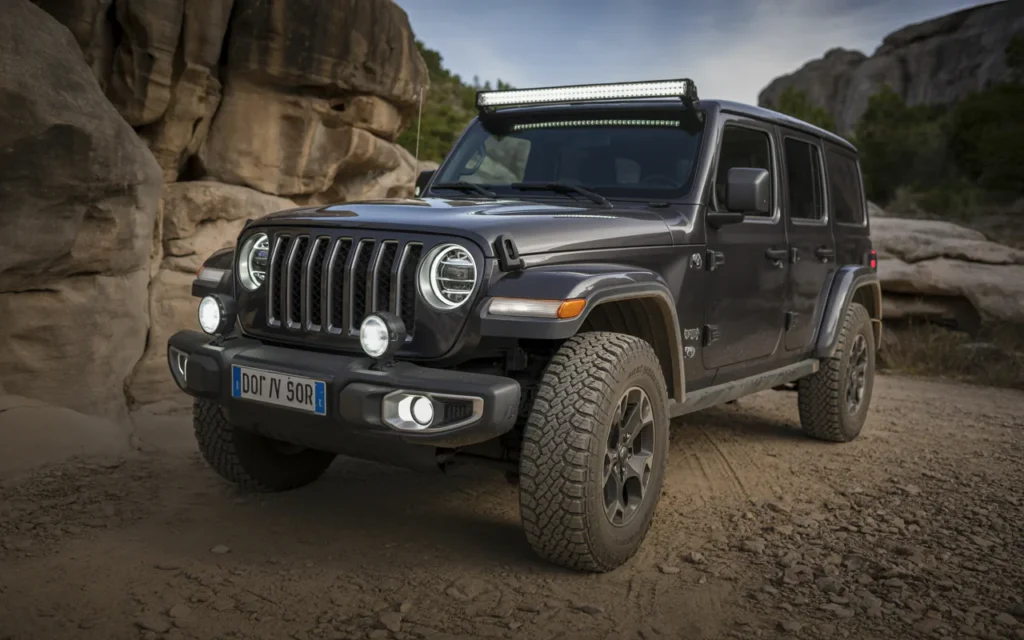
A typical setup includes:
- One LED light bar on the roof
- Two spot lights on the bumper
- Two flood lights on the A-pillar
- Four rock lights underneath
This combination provides forward distance, side coverage, and underbody visibility.
Avoid installing too many lights without planning. More lights do not always mean better visibility. In fact, excessive brightness can create harsh shadows and reduce depth perception.
“Too much light in the wrong place can make driving harder, not easier.” – Daniel Reyes, Off-Road Technician
The jeep wrangler off-road lighting guide encourages balance over quantity. Each light should serve a clear purpose.
Maintenance and Longevity
Off-road lights face harsh conditions. Regular maintenance keeps them working properly and extends their lifespan.
Cleaning
Dirt and mud reduce brightness. Clean lenses regularly using a soft cloth and mild cleaner.
Checking Connections
Inspect wiring and connectors for damage. Loose connections can cause flickering or failure.
Inspecting Mounts
Off-road driving can loosen bolts. Check mounts periodically to ensure lights stay secure.
Replacing Damaged Units
If a light stops working or becomes dim, replace it promptly. Driving with uneven lighting can affect visibility.
Proper care is an essential part of this jeep wrangler off-road lighting guide. Well-maintained lights perform better and last longer.
Frequently Asked Questions (FAQ)
What is the best light setup for a Jeep Wrangler?
A balanced setup with a roof light bar, bumper spot lights, A-pillar flood lights, and rock lights works best. This combination covers all visibility needs.
Are LED lights better for off-road use?
Yes, LED lights are more efficient, durable, and longer-lasting than halogen or HID options. They are the most popular choice for off-road vehicles.
Can I use off-road lights on public roads?
In most cases, high-output off-road lights must be turned off or covered when driving on public roads. Always check local regulations.
How many lumens do I need for off-road lighting?
It depends on your setup, but most drivers aim for a combination that provides strong forward visibility without excessive glare. Balance matters more than raw numbers.
Do I need professional installation?
Many Jeep owners install lights themselves using a wiring harness. However, professional installation can help if you are unsure about electrical work.
Conclusion
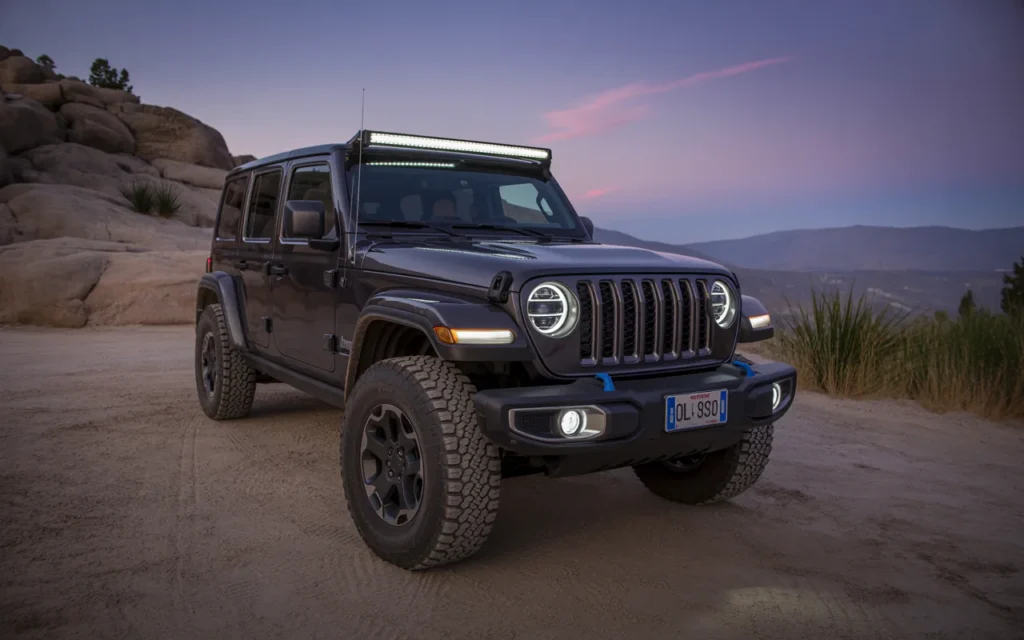
A well-planned lighting setup changes the way you experience off-road driving. It improves safety, builds confidence, and helps you handle difficult terrain after dark. This jeep wrangler off-road lighting guide shows that success comes from choosing the right light types, placing them correctly, and maintaining them over time.
By focusing on beam patterns, mounting positions, and proper wiring, you create a system that works in real conditions. Balanced lighting allows you to see clearly without overwhelming your vision. With the right setup, night trails become more manageable and far more enjoyable.
Related posts
 Essential Jeep Wrangler Rubicon Accessories for Enhanced Driving
Explore top Jeep Wrangler Rubicon accessories. Compare interior comforts, exterior protection, and functional upgrades to personalize your ride. The Jeep Wrangler Rubicon is built for adventure,…
 Enhancing Your Black on Black Jeep Wrangler Rubicon: Top Accessories Reviewed
Discover top accessories for your black on black Jeep Wrangler Rubicon. Compare antennas, grill inserts, floor mats, and even a LEGO model for enthusiasts. The black…
 Power Wheels Jeep Rubicon Wrangler: Ride-Ons, Batteries, and Models for Every Fan
Explore top power wheels Jeep Rubicon Wrangler options, including ride-on toys, essential batteries, and collectible models. Compare features to find the perfect fit. The dream of…