
How to Remove Jeep Running Boards Easily: Step-by-Step Guide
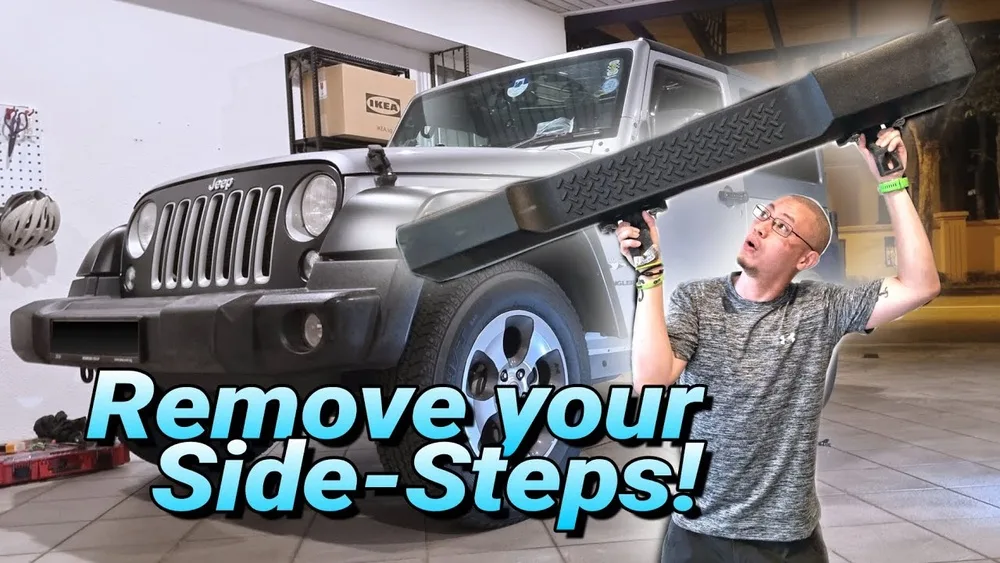
Removing running boards from your Jeep can transform its look and performance. Many Jeep owners choose to remove them for better ground clearance, a more rugged appearance, or to reduce extra weight. While the process may seem simple, there are important steps and safety precautions to follow.
If done properly, you will avoid damage to your vehicle and make future installation easier, should you decide to reinstall or swap for different side steps. This guide will walk you through each part of the process, from preparation to the final touches, making sure you know what to expect and how to handle common challenges.
Why Remove Jeep Running Boards?
Running boards help people get in and out of a Jeep, especially if it’s lifted. But there are good reasons to take them off:
- Better ground clearance: Removing running boards gives your Jeep more room underneath, which is useful for off-road driving.
- Lighter weight: Running boards add extra pounds. Removing them can slightly improve fuel efficiency and handling.
- Aggressive look: Some Jeep owners prefer the appearance of a Jeep without running boards.
- Damage or rust: Boards can collect dirt, salt, and water, leading to rust on the boards or the Jeep’s body.
Whatever your reason, knowing how to remove running boards safely helps you avoid mistakes and protects your vehicle.
Tools And Supplies You Need
Before you start, gather the right tools. This will save you time and frustration.
- Socket wrench set (with metric and standard sizes)
- Ratchet extension
- Torx bit set (especially for Jeep models)
- Screwdrivers (Phillips and flathead)
- WD-40 or similar penetrating oil
- Plastic trim removal tool (to avoid scratching paint)
- Work gloves
- Safety glasses
- Jack and jack stands (if you need more space under the Jeep)
- Magnetic tray (to keep bolts/nuts from rolling away)
- Shop towels
Some running boards use unique fasteners, so check your Jeep’s manual for any special tools.

Credit: www.reddit.com
Preparation: Safety And Setup
Preparation is key for a smooth job. Start by parking your Jeep on a level surface. Set the parking brake and, if needed, use wheel chocks to stop any rolling.
- Inspect the running boards: Look under your Jeep and check how the running boards are attached. Most use bolts, but some have hidden clips or brackets.
- Spray all bolts with WD-40: Running boards often rust in place. Spraying bolts with penetrating oil 10–15 minutes before removal makes them easier to loosen.
- Gather all tools: Place your tools within easy reach.
- Wear gloves and safety glasses: Protect your hands and eyes from rust, dirt, or falling debris.
If your Jeep is lifted or you need more space, carefully raise it with a jack and secure it with jack stands.
Step-by-step Guide: How To Remove Jeep Running Boards
The removal process is similar for most Jeep models, but some details may differ. Always check your owner’s manual for model-specific information.
1. Locate All Fastening Points
Running boards are usually attached with brackets under the rocker panels. There are commonly 3–4 brackets per side, each with 2–3 bolts.
- Tip: Take photos with your phone before starting. These will help if you ever reinstall.
2. Remove Plastic End Caps Or Covers
Some running boards have plastic end caps or covers hiding the hardware.
- Use a plastic trim tool to gently pry off the end caps.
- Place the caps in a safe spot.
3. Loosen And Remove Bolts
- Start with the bolts closest to the wheel wells.
- Use a socket wrench or Torx bit as needed. Loosen all bolts but do not remove them fully yet.
- After all bolts are loose, support the running board with one hand and remove the bolts completely.
- Keep each bolt and washer in a magnetic tray.
Insight: If a bolt is stuck or rusted, tap it lightly with a mallet after spraying with more penetrating oil. Avoid forcing it, as snapping a bolt can create bigger problems.
4. Remove The Running Board
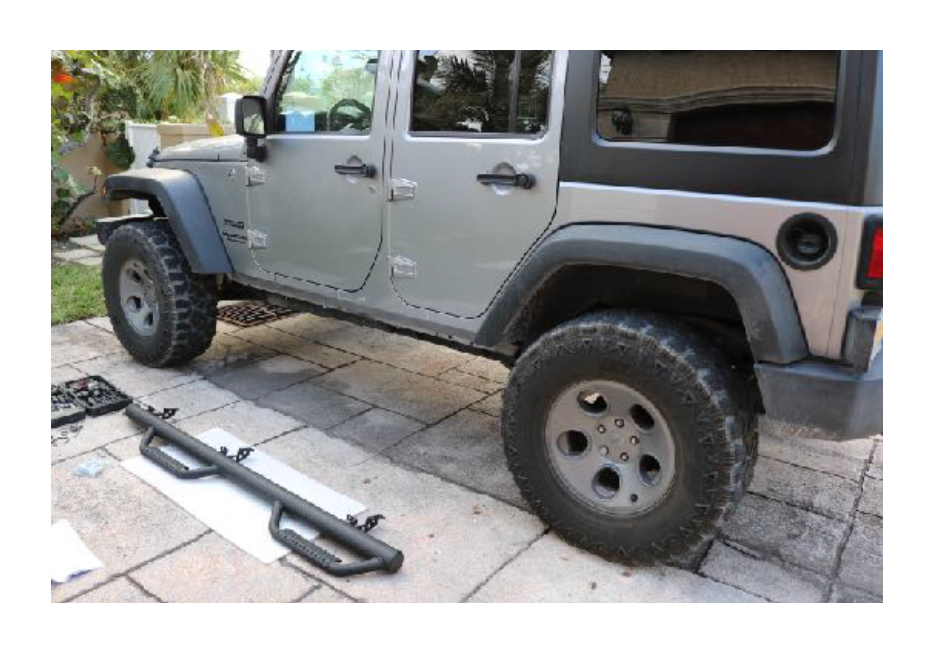
Once all bolts are out, the running board should come off easily. Most are light enough for one person, but larger or aftermarket boards may need two people.
- Lower the board slowly to avoid scratching your paint.
- Set the running board aside on a soft surface.
5. Remove Any Remaining Brackets Or Clips
Some brackets remain attached to the Jeep after the board is off. Remove these with your socket or Torx wrench.
- Check for hidden clips near the pinch seam or rocker panel.
- Store all hardware in labeled bags if you plan to reinstall or sell the running boards.
6. Clean The Area
With the running boards gone, you’ll likely see dirt or rust.
- Wipe the area with shop towels.
- Check for any rust or paint damage. Treat small rust spots with a rust converter or touch-up paint.
- Clean out any leftover mounting holes.
Pro Tip: Apply a small amount of anti-rust spray or a dab of grease to the mounting holes if you’ll be driving without boards for a long time.

Credit: www.oedro.com
Special Considerations For Different Jeep Models
Jeep Wranglers, Cherokees, Grand Cherokees, and Gladiators have different running board mounts. Here’s what you should know about popular models:
| Jeep Model | Board Attachment Type | Common Tools Needed |
|---|---|---|
| Wrangler JK/JL | Bolt-on brackets (Torx/Hex bolts) | Torx bit set, socket wrench |
| Cherokee | Bolt-on with some clips | Socket wrench, trim tool |
| Grand Cherokee | Mostly bolts, hidden behind covers | Socket set, screwdriver |
| Gladiator | Heavy-duty bolt-on brackets | Socket set, torque wrench |
Insight: Newer Jeep models often use Torx bolts for extra security. Make sure your Torx bits fit tightly to avoid stripping the bolt head.
Common Problems And How To Fix Them
Even with preparation, you might run into issues. Here’s how to handle them:
- Stripped bolts: If a bolt head is rounded, use a bolt extractor or locking pliers. Do not force it—this can break the bolt.
- Broken clips: Old plastic clips can snap. Replacement clips are available at auto parts stores.
- Hidden fasteners: Some boards have hidden screws under trim. Double-check for missed fasteners before pulling hard.
- Rusty mounts: If you see rust on the body, treat it right away. Rust spreads quickly and can weaken the area.
Credit: www.extremeterrain.com
What To Do After Removal
Once the boards are off, decide what to do next:
- Leave as-is: Many Jeep owners enjoy the look and extra clearance.
- Install rock sliders: If you off-road, consider adding rock sliders for body protection.
- Install new side steps: Lighter, smaller steps are available if you want easier entry but less bulk.
- Sell or store the old running boards: Clean them and list them for sale, or store for later use.
Example: A 2021 Jeep Wrangler JL owner removed factory running boards to add steel rock sliders. The process took about an hour. After removal, they found a small rust spot, which they treated with rust converter and touch-up paint before installing the sliders.
Safety Tips For Diy Running Board Removal
Safety should always be first. Here are important reminders:
- Use proper lifting techniques: Running boards are awkward to handle. Lift with your legs, not your back.
- Never crawl under a Jeep supported only by a jack: Always use jack stands if you need to raise the vehicle.
- Wear gloves: Edges of brackets can be sharp.
- Check for electrical wiring: Some illuminated boards have wiring. Unplug carefully before removing.
Comparing Factory Vs Aftermarket Running Boards
If you plan to swap or reinstall different boards, it helps to know how factory and aftermarket options compare:
| Feature | Factory Running Boards | Aftermarket Running Boards |
|---|---|---|
| Fitment | Exact fit, easy removal/installation | May require drilling or extra brackets |
| Weight | Lighter, designed for daily use | Varies (some are heavy-duty steel) |
| Appearance | Matches factory style | Many styles, from minimal to rugged |
| Price | Usually included with vehicle | Wide price range ($100–$800+) |
Non-obvious insight: Aftermarket boards sometimes cover or block factory mounting holes. Before removing factory boards, check that your new ones will fit the same holes.
Real-world Data: Time And Cost
How long does it take to remove running boards? What does it cost?
- Time: 30–90 minutes per side, depending on rust and bolt access.
- Cost: If you do it yourself, removal is free. Shops may charge $75–$150 for removal.
- Tools: Most people already have the needed tools. If you need a Torx bit set, expect to pay $10–$30.
Example: A Jeep Gladiator owner paid a local shop $120 to remove both running boards and install rock sliders. The job took about two hours.
Environmental Impact: What To Do With Old Running Boards
Don’t throw old running boards in the trash. You can:
- Recycle: Metal boards can be recycled. Check with your local recycling center.
- Sell or donate: Many Jeep owners buy used boards.
- Upcycle: Some people repurpose old boards as garage steps or benches.
This reduces landfill waste and helps other Jeep owners.
Troubleshooting Guide
If something goes wrong, use this checklist:
| Problem | Possible Cause | Solution |
|---|---|---|
| Board stuck after bolts removed | Hidden clip or screw | Double-check for missed fasteners |
| Bolt spins but won’t come out | Rust seized the threads | Spray with oil, use extractor if needed |
| Paint scratches | Dropped board or tool | Touch-up paint, use towels next time |
| Bracket won’t budge | Rusty or over-tightened bolt | Use breaker bar or impact driver |
Extra Tips For A Professional Finish
- Take before-and-after photos: This helps if you want to sell your running boards or show off your Jeep’s new look.
- Label all hardware: If you plan to reinstall, label bags with “driver side front,” etc.
- Inspect rocker panels: Now is a good time to check for hidden rust or damage.
When To Ask For Professional Help
If you encounter:
- Severely rusted or broken bolts
- Electrical wiring you are unsure about
- Body damage under the boards
…it’s best to consult a professional mechanic. For most people, though, removing Jeep running boards is a satisfying DIY task.
For more information and detailed model guides, check the Jeep Official Owners Site.
Removing running boards is more than just unbolting a few parts. Done right, it makes your Jeep ready for adventure or gives it a clean, new look. Take your time, follow these steps, and you’ll have a better, safer, and more enjoyable Jeep for years to come.
Frequently Asked Questions
How Long Does It Take To Remove Jeep Running Boards?
Most running boards can be removed in 30 to 90 minutes per side. If bolts are rusted or hard to reach, it may take longer. Preparation and having the right tools make the job much faster.
Will Removing Running Boards Damage My Jeep?
If you follow proper steps and use the right tools, removing running boards will not damage your Jeep. Always support the board as you remove the last bolts, and protect your paint from scratches.
Can I Reinstall My Running Boards Later?
Yes, you can reinstall the same running boards if you keep all hardware and remember where each piece goes. Taking photos during removal helps a lot for later reinstallation.
Are Running Boards Necessary For Off-roading?
No, running boards are not necessary. In fact, removing running boards improves ground clearance and reduces the chance of damage off-road. Many off-roaders replace them with rock sliders for protection.
Do I Need Special Tools To Remove Jeep Running Boards?
Most Jeep running boards use standard sockets and Torx bits. Some aftermarket boards may have unique fasteners, but these are rare. Always check your Jeep’s manual before starting.
Related posts
 Why You Should Use a Foam Cannon for Car Washing: Ultimate Guide
Washing your car is more than just making it look good. It protects the paint, keeps the value high, and makes driving feel better. But if…
 How to Clean Leather Seats Without Damaging Them: Expert Tips
Keeping your leather seats clean can be a challenge. Leather looks beautiful and feels luxurious, but it needs special care. Many people worry about damaging their…
 Why Using a Ceramic Coating Spray is Important for Your Car’s Shine
If you care about your car’s appearance and value, you probably wash and wax it regularly. But did you know there’s a better way to protect…