
Jeep Wrangler Exterior Protection Guide: Keep Your Ride Pristine
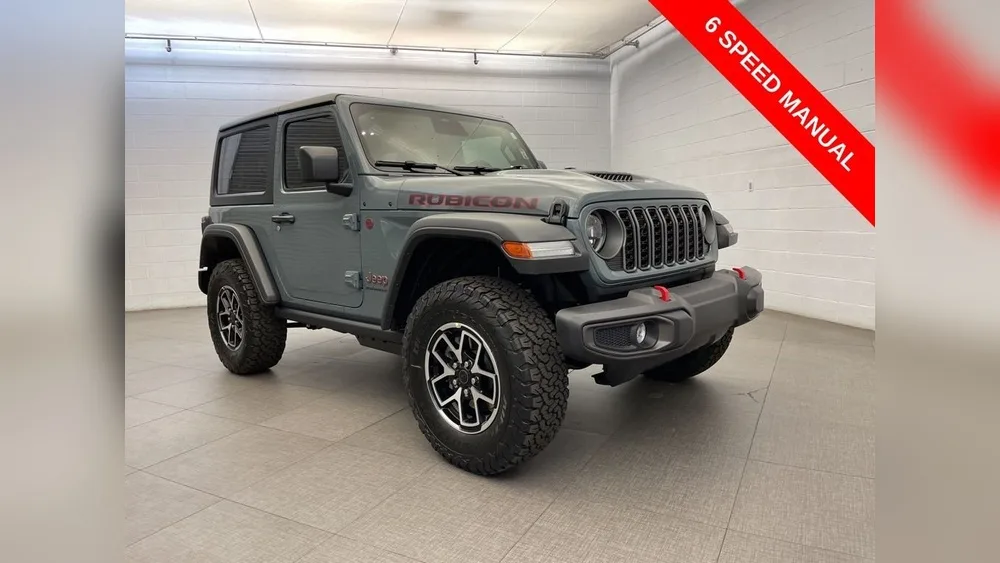
The Jeep Wrangler is more than just a vehicle—it’s an adventure icon. Owners love taking their Wranglers off-road, through mud, sand, rocks, and even snow. But every journey leaves its mark. Scratches, dents, rust, and fading paint are common stories for Wrangler drivers. If you want your Jeep to keep looking great and stay tough, protecting the exterior is a must.
This guide covers everything you need to know about Jeep Wrangler exterior protection. From armor and coatings to practical habits, you’ll find tips for every budget and need. We’ll cover both everyday driving and serious off-roading. Whether your Wrangler is new or has seen years of trails, you’ll learn how to keep it in top shape.
Why Exterior Protection Matters
Most Jeep Wranglers are built tough, but even the toughest vehicle has weak spots. The paint, plastic trim, and undercarriage are all vulnerable. Here’s why protection is so important:
- Paint damage: Branches, rocks, and road salt can chip and scratch paint, leading to rust.
- Plastic fading: Sunlight breaks down plastic fenders and bumpers, making them chalky and brittle.
- Corrosion: Water, snow, and mud stick to the undercarriage, causing rust if not treated.
- Resale value: A well-protected Wrangler holds its value much better.
Many beginners focus only on the visible paint, but hidden areas like door sills and the frame are just as important. Neglecting these can lead to expensive repairs later.
Essential Exterior Protection Upgrades
There are many ways to protect your Jeep’s exterior. The best approach combines physical armor, chemical coatings, and smart habits.
Body Armor And Rock Sliders
Body armor is designed to shield your Jeep from rocks, trees, and other trail hazards. Rock sliders protect the sides and underneath, especially the door sills.
| Armor Type | Protection Level | Best For |
|---|---|---|
| Full Steel Armor | Maximum | Serious off-roading |
| Aluminum Skid Plates | Medium | Everyday and mild off-road |
| Plastic/Composite | Basic | City and light trails |
Rock sliders also act as steps and make it easier to get in and out. If you do any off-roading, these should be among your first upgrades.
Bumper Upgrades
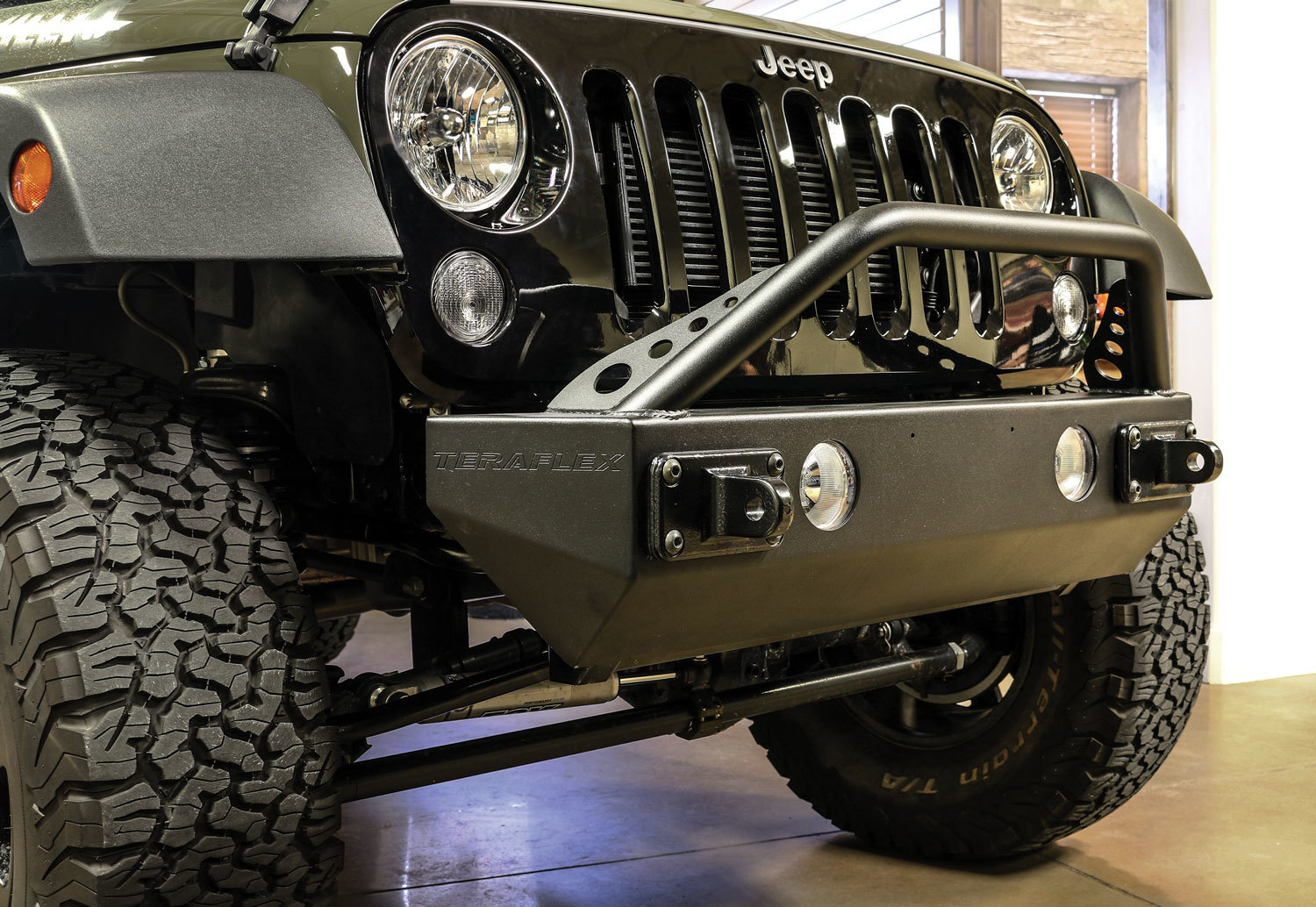
Stock bumpers look good, but they can’t handle hard hits. Aftermarket bumpers—especially steel ones—protect the front and rear from impacts. Many also include mounts for winches and recovery points, which are essential for trail safety.
A common mistake is choosing bumpers based only on style. Always check the weight, material, and compatibility with your Jeep’s sensors and lights.
Fender Flares
Fender flares keep rocks, mud, and debris from hitting your paint. Wider flares are needed if you use larger tires. They also help you stay legal in states where the law requires tire coverage.
Painted flares look great, but they can scratch easily. Textured or black plastic flares hide wear and resist UV fading better.
Skid Plates
The Wrangler’s undercarriage is full of important parts—oil pan, transfer case, fuel tank. Skid plates add a tough layer of metal between the trail and your Jeep.
Good skid plates are usually made of steel or aluminum. They’re a must if you do moderate or heavy off-roading. Don’t overlook the transfer case—damaging it can leave you stranded.
Door Sill Guards
Every time you step in or out, you scuff the door sills. Over time, this area gets scratched and the paint can wear away. Simple guards, made from plastic or metal, stick on and prevent this damage.
Many owners forget about this spot, but it’s one of the first places to rust in older Wranglers.
Hood And Grille Protection
Rocks kicked up by other vehicles can chip your hood and grille. You can add hood protectors (also called bug shields) and mesh grilles to reduce damage. These are easy to install and can be color-matched or clear.
Some also help with airflow, which can lower engine temperatures—a bonus if you tow or drive in hot climates.

Credit: www.ebay.com
Protective Coatings And Films
Physical armor is great, but coatings and films add another layer of defense.
Paint Protection Film (ppf)
PPF is a clear, tough film applied to the paint. It stops chips, scratches, and UV rays. The best PPF is almost invisible and lasts 5-10 years.
PPF works best on high-impact areas:
- Hood
- Front fenders
- Door edges
- Side mirrors
Professional installation is recommended for a bubble-free finish. It’s more expensive up front but can save money on paint repairs.
Ceramic Coating
Ceramic coatings bond with the paint, creating a super-slick surface that repels water, mud, and dirt. They make washing your Jeep much easier and protect against UV rays and chemicals.
Ceramic is not armor—it won’t stop dents or big scratches. But it does keep your paint looking new for years. Many owners combine ceramic coating with PPF for maximum protection.
Wax And Sealants
For a budget-friendly option, wax and synthetic sealants add a barrier against the elements. They need to be reapplied every few months.
If you park outside or drive in harsh weather, regular waxing can slow down fading and oxidation.
Undercoating And Rust Proofing
Wranglers are famous for off-road ability, but their frames and underbodies can rust, especially in snowy areas. Undercoating sprays add a thick, rubbery layer to the underside, protecting against salt, water, and rocks.
Some dealers offer rust-proofing as an upgrade. DIY sprays are also available but may require annual touch-ups.
Soft Top And Hard Top Care
Many Wranglers have a removable top. Keeping it protected is just as important as the rest of the exterior.
Soft Top Protection
Soft tops are made from vinyl or fabric. They can fade, crack, or leak if not maintained. Use a UV-blocking protectant every few months. Wash with mild soap—never harsh cleaners, which can remove the waterproof coating.
Keep zippers clean and lubricated, and always brush off snow or ice before opening.
Hard Top Maintenance
The hard top is more durable but can scratch or fade. Waxing it a few times a year helps maintain the finish. If you add roof racks or cargo carriers, use protective pads to prevent scuff marks.
Check the seals regularly for leaks, especially after removing and reinstalling the top.
Credit: teraflex.com
Tire And Wheel Protection
Your Jeep’s wheels and tires are always exposed to abuse.
Wheel Well Liners
Wheel well liners shield the wheel arches from rocks, mud, and salt. Factory liners work for most people, but heavy-duty aftermarket versions offer better coverage and are easier to clean.
Rim Protection
Off-roading can scratch and dent expensive wheels. Rim protectors are rubber or plastic rings that snap over the edge of your rims. They’re cheap insurance, especially for custom wheels.
Tire Shine And Conditioning
Mud, salt, and sun can dry out tires, causing cracks. Use a tire conditioner with UV protection every few months. Avoid products with too much silicone—they can make tires slippery and attract dust.
Window And Light Protection
Windows and lights are easy to overlook but expensive to replace.
Window Tint And Film
Tinted windows block UV rays, reducing fade inside your Jeep and keeping it cooler. Some tints also add shatter resistance. For off-roaders, a clear window film can prevent chips and cracks from flying rocks.
Always check your local laws about tint darkness.
Headlight And Taillight Guards
Headlight guards are metal or plastic covers that shield your lights from rocks and branches. They’re essential for trail driving. Some designs are bolt-on, while others use clamps or double-sided tape.
A common mistake is buying guards that block too much light. Always choose products tested for safe illumination.
Fog Light And Side Marker Protection
Fog lights and side markers are close to the ground and easily damaged. Clear films or mesh covers prevent cracks without affecting brightness.
Cleaning And Maintenance Habits
No protection method works forever. Regular cleaning and inspection are key to keeping your Wrangler looking new.
- Rinse after off-roading: Mud and dirt trap moisture, which leads to rust. Hose off the undercarriage and wheel wells.
- Wash by hand: Automatic car washes can scratch the paint and tear soft tops. Use a microfiber mitt and gentle soap.
- Inspect for damage: Check for chips, dents, and rust every month. Small problems are easier (and cheaper) to fix early.
- Reapply coatings: Wax, sealant, and tire conditioners wear off. Stick to a schedule based on your driving and climate.
Many owners skip these steps, thinking armor or coatings are enough. In reality, maintenance is your first line of defense.
Cost Comparison: Protection Upgrades
How much should you budget for exterior protection? Here’s a rough comparison of popular upgrades:
| Protection Upgrade | Estimated Cost (USD) | DIY or Professional |
|---|---|---|
| Rock sliders | $300 – $700 | DIY/Pro |
| Skid plates | $200 – $1000 | DIY/Pro |
| PPF | $500 – $2000 | Professional |
| Ceramic coating | $300 – $1500 | DIY/Pro |
| Wax/sealant | $20 – $100 | DIY |
| Fender flares | $150 – $600 | DIY/Pro |
| Door sill guards | $30 – $100 | DIY |
Professional installation costs more, but ensures the best fit and finish, especially for coatings and films.
Common Mistakes Jeep Owners Make
Even experienced Wrangler drivers miss some protection basics. Here are a few pitfalls to avoid:
- Ignoring the undercarriage: Out of sight, but rust often starts underneath.
- Using harsh chemicals: Some cleaners can damage soft tops, wax, or trim.
- Skipping regular washing: Dirt and salt cause long-term damage if left on.
- Improper product use: Applying ceramic coatings or PPF without experience can lead to streaks or bubbles.
- Neglecting seals and hinges: These areas need lubrication and cleaning to prevent leaks and rust.
A little extra time on maintenance can add years to your Wrangler’s life.
Extra Tips For Off-roaders
If you spend a lot of time on trails, consider these advanced protection strategies:
- Quick-release mud flaps: Keep them on for the road, off for the trail.
- Winch covers: Prevents rust and grime on recovery gear.
- Removable vinyl wraps: Change the look of your Jeep while protecting the original paint.
- Trail damage kits: Carry touch-up paint and body tape for quick fixes.
Remember, the best protection is a combination of armor, coatings, and regular care.
Credit: www.bobhowardcjd.com
Frequently Asked Questions
What Is The Most Important Exterior Upgrade For A Jeep Wrangler?
The most important upgrade depends on how you use your Jeep. For off-roading, rock sliders and skid plates offer the best protection. For city driving, PPF or a ceramic coating keeps your paint looking new.
How Often Should I Wash My Wrangler If I Go Off-road?
Wash your Wrangler as soon as possible after every off-road trip. Pay special attention to the undercarriage and wheel wells to remove mud and salt.
Does Ceramic Coating Replace Waxing?
Ceramic coating lasts longer than wax, but it doesn’t last forever. You may still want to apply a wax or sealant every 6-12 months for extra protection and shine.
Can I Install Protection Upgrades Myself?
Many upgrades—like fender flares, door sill guards, and even rock sliders—can be installed at home with basic tools. Coatings and films often require a professional for best results.
Where Can I Learn More About Jeep Wrangler Maintenance?
For more detailed guides and community advice, visit the official Jeep Wrangler page.
Protecting your Jeep Wrangler’s exterior is not just about looks—it’s about keeping your adventure machine strong for years to come. With the right upgrades, coatings, and habits, your Wrangler will be ready for anything the road or trail throws at it.
Related posts
 Why You Should Use a Foam Cannon for Car Washing: Ultimate Guide
Washing your car is more than just making it look good. It protects the paint, keeps the value high, and makes driving feel better. But if…
 How to Clean Leather Seats Without Damaging Them: Expert Tips
Keeping your leather seats clean can be a challenge. Leather looks beautiful and feels luxurious, but it needs special care. Many people worry about damaging their…
 Why Using a Ceramic Coating Spray is Important for Your Car’s Shine
If you care about your car’s appearance and value, you probably wash and wax it regularly. But did you know there’s a better way to protect…