
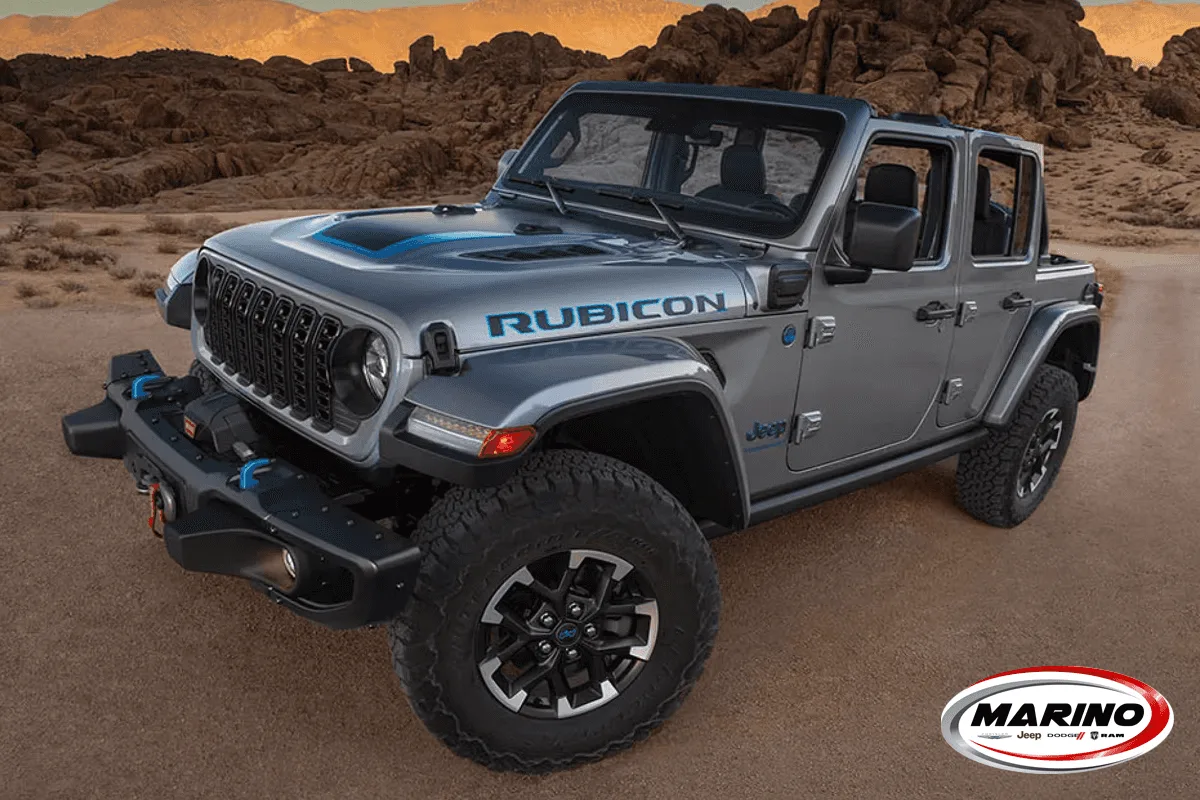
Winter brings a unique set of challenges for every vehicle, but for Jeep Wrangler owners, it’s an opportunity to embrace adventure—if you prepare your ride the right way. Ice, snow, cold starts, and salted roads can all put extra strain on your Wrangler, but with careful planning, you can drive confidently through the harshest months. Whether you’re a daily commuter, a weekend explorer, or someone who loves off-roading in snow, this guide covers everything you need to winterize your Jeep Wrangler for both safety and performance.
Essential Pre-winter Inspection
Before cold weather hits, a thorough inspection is your best defense against unexpected breakdowns. Look for these key areas:
- Battery Health: Cold reduces battery efficiency. Test voltage (should be at least 12.6V when fully charged) and clean any corrosion from terminals. Most car batteries last 3-5 years; if yours is older, consider replacing it.
- Fluids: Check and top up all fluids. Antifreeze is crucial—your coolant mixture should be a 50/50 blend for most climates, but in extreme cold, a 60/40 mix (more antifreeze) might be better. Also check engine oil (switch to winter-grade if recommended), brake fluid, and windshield washer fluid rated for below-freezing temperatures.
- Belts and Hoses: Cold can make rubber brittle. Inspect for cracks, frays, or soft spots. Replace any suspect parts before they fail in winter.
- Brakes: Snow and ice make stopping distances much longer. Have a mechanic check pad thickness and rotor quality. If you hear squeaking or grinding, service your brakes right away.
Choosing The Right Winter Tires
Tires are your only contact with the road. The right set makes a huge difference in winter.
| Type | Best For | Key Features |
|---|---|---|
| All-Season | Mild winters, occasional snow | Moderate grip, year-round use |
| Winter/Snow Tires | Frequent snow, icy conditions | Soft rubber, deep treads, superior traction |
| All-Terrain | Off-roading, mixed surfaces | Versatile, but not optimized for ice |
For most Jeep Wrangler owners in snowy areas, winter tires are the best investment. They stay flexible in the cold and have special tread patterns for gripping ice and snow. Remember to check tire pressure weekly in winter, as it can drop 1 psi for every 10°F decrease in temperature.
Upgrading To Winter Wiper Blades
Visibility is key when roads are messy. Standard wipers often freeze or get clogged with snow. Winter wiper blades are designed with rubber covers that prevent ice buildup and stay flexible in the cold. Install them before the first snowfall and check for streaking or missed spots regularly.
Protecting The Exterior And Undercarriage
Salt and chemicals on winter roads can damage your Wrangler’s paint and cause rust underneath.
- Wash and Wax: Give your Jeep a thorough wash and apply a protective wax layer before winter. Wax acts as a shield against road salt.
- Undercarriage Cleaning: Rinse the undercarriage every 2-3 weeks during winter, especially after driving on treated roads.
- Rustproofing: Consider professional rustproofing for older Wranglers or those already showing signs of corrosion.
Heating And Defrost System Check
A strong heater and defroster keep you comfortable and ensure a clear windshield.
- Test the heater for fast, even warmth.
- Make sure the defroster quickly clears fog and ice from the windshield.
- Replace the cabin air filter if airflow feels weak. Clogged filters make heating less effective.
Lighting: See And Be Seen
Winter means longer nights and more driving in low-visibility conditions.
- Headlights: Clean the lenses and check for dimming. Upgrade to LED or HID bulbs for brighter, whiter light.
- Fog lights: These help cut through snow and mist. Use them in low-visibility situations but turn them off in clear weather.
- Taillights and Turn Signals: Make sure all bulbs work and are visible from a distance.

Credit: www.kchilites.com
Emergency Kit For Jeep Wrangler Owners
A well-stocked emergency kit can be a lifesaver if you get stuck or stranded. Here’s what you should keep in your Wrangler:
- Jumper cables or a portable jump starter
- First aid kit
- Blankets and warm clothing
- Non-perishable snacks and water
- LED flashlight with extra batteries
- Ice scraper and snow brush
- Tow strap (rated for your vehicle weight)
- Tire chains (if legal and needed)
- Folding shovel
- Traction mats (for getting out of deep snow)
- Multi-tool or basic toolkit
- Road flares or reflective triangles
Many Jeep owners forget about extra gloves and hats—these can make working outside much more bearable.
Optimizing 4wd And Traction Systems
The Wrangler’s four-wheel drive is one of its best winter features, but only if you use it correctly.
- Know Your System: Most Wranglers have a part-time 4WD system. Use 4H (four-high) for snow-covered roads, and 4L (four-low) for deep snow or off-road situations.
- Practice Switching: Engage 4WD periodically in the fall to keep the system lubricated and ensure it works smoothly.
- Don’t Overuse: Driving in 4WD on dry pavement can damage your drivetrain. Only use it when needed.
A common mistake is relying too much on 4WD—it helps you go, but not stop. Always drive cautiously on slippery surfaces.
Winterizing The Soft Top Or Hardtop
Jeep Wranglers come with either a soft top or a hardtop, and each needs special attention in winter.
| Top Type | Winter Preparation Tips | Potential Issues |
|---|---|---|
| Soft Top | Apply vinyl protectant, avoid scraping windows, clear snow gently | Cracking, fogging, leaks |
| Hardtop | Check seals, lubricate latches, clean drains | Seal failure, leaks, frozen latches |
Soft tops can become stiff and crack in extreme cold. Always clear snow with a soft broom, not a scraper. For hardtops, check all seals for gaps and apply silicone lubricant to prevent freezing.
Protecting Door Locks And Weather Seals
Frozen locks are a common winter headache. Use these tips:
- Apply a graphite or silicone-based lubricant to all door locks before cold weather starts.
- Clean and condition weather seals with a rubber protectant to prevent sticking and tearing.
- Carry a lock de-icer in your glove box, not your home—if you’re locked out, you’ll need it right away.
One overlooked tip: don’t use hot water to melt frozen locks—it can refreeze and make the problem worse.
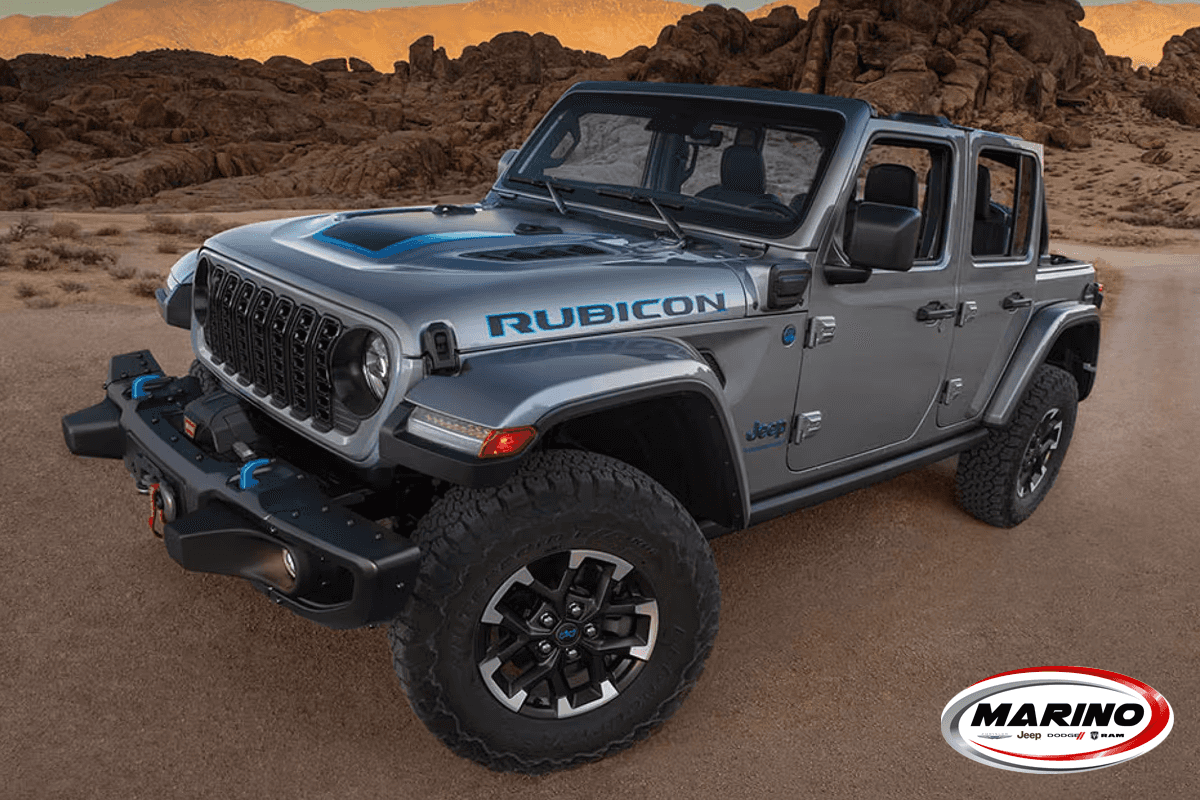
Credit: www.marinochryslerjeepdodge.net
Preparing Recovery Gear
If you venture off-road, recovery gear is a must.
- Winch: Make sure it’s rated for your Wrangler’s weight and test it before winter.
- D-rings and tow hooks: Inspect for rust or damage.
- Snatch strap: Store it in a dry place; moisture weakens the fibers.
- Hi-lift jack: Lubricate the mechanism and keep it accessible.
Many beginners forget to check the condition of recovery straps; weak or frayed straps can snap under load and cause injury.
Interior Comfort And Organization
Winter brings bulky clothing, wet boots, and extra gear. Organize your Wrangler’s interior for convenience and cleanliness.
- Use all-weather floor mats to protect carpets from slush and salt.
- Install a cargo liner in the rear for muddy gear.
- Consider seat covers if you frequently get in with wet clothes.
A non-obvious tip: Store a small, foldable snow broom inside the Jeep so you’re never caught without it after a storm.
Maintaining Visibility: Mirrors And Cameras
Modern Wranglers often have backup cameras and heated mirrors. Keep them working:
- Clean mirrors and camera lenses every time you refill fuel.
- If your Wrangler doesn’t have heated mirrors, apply a water-repellent spray to help shed ice.
- For heavy snowfalls, brush off cameras before driving—many drivers forget, leading to poor visibility.
Monitoring Tire Pressure And Alignment
Cold air decreases tire pressure, which can affect handling and fuel economy.
- Check tire pressure weekly with a reliable gauge.
- Maintain factory-recommended pressure (usually found on the driver’s door jamb).
- Have your alignment checked if you feel pulling or uneven tire wear—hitting potholes or ice chunks can knock wheels out of alignment.
Many owners ignore alignment until spring, but proper alignment is vital for safe winter driving.
Regular Underhood Checks
Pop the hood every two weeks in winter. Look for:
- Fluid leaks (oil, coolant, brake fluid)
- Battery terminal corrosion
- Cracked or loose hoses
Clean off any snow or ice that collects around the engine bay, as melting snow can cause electrical issues.
Storage Tips For Seasonal Or Infrequent Use
If you won’t be driving your Wrangler for weeks at a time:
- Fill the gas tank to prevent condensation.
- Add a fuel stabilizer if storing for more than a month.
- Disconnect the battery or use a battery maintainer.
- Place a moisture absorber inside to prevent mold.
A simple but often-missed tip: Roll the Jeep a few feet every few weeks to avoid flat spots on the tires.

Credit: www.joiiio.com
Planning For Roadside Assistance
Even well-prepared Jeeps can have trouble. Make sure you:
- Keep your insurance and roadside assistance info in the glove box.
- Know your exact location when calling for help—use a GPS app if possible.
- Carry a portable power bank to keep your phone charged.
Some insurance policies cover off-road recovery, but most do not. Check your coverage before winter begins.
Frequently Asked Questions
What Tire Pressure Is Best For Jeep Wrangler Winter Tires?
Check your owner’s manual or the sticker on the driver’s door jamb. Most Wrangler winter tires perform best at 32-35 psi. Cold temperatures can lower pressure, so check weekly.
Can I Use All-terrain Tires In Heavy Snow?
All-terrain tires work for light snow, but winter tires offer much better grip on ice and packed snow. For frequent or deep snow, winter tires are strongly recommended.
How Often Should I Wash My Wrangler In Winter?
Washing every 1-2 weeks helps remove road salt and chemicals. Pay extra attention to the undercarriage to prevent rust.
What’s The Safest Way To Clear Ice From A Soft Top?
Use a soft broom or brush, never a scraper or hot water. Gently push off snow and let the sun help with ice. Avoid forcing zippers or windows when frozen.
Is It Safe To Use 4wd All The Time In Winter?
Use 4WD only when roads are slippery. Driving in 4WD on dry pavement can damage your Jeep’s drivetrain. Switch back to 2WD when conditions improve.
Winter is challenging, but with the right preparation, your Jeep Wrangler can handle it all. A little effort now means safer, more reliable driving when the snow starts to fall. For more details on winter vehicle care, check out the advice from the National Highway Traffic Safety Administration. Enjoy the season, and keep exploring—your Wrangler is ready for the adventure.