
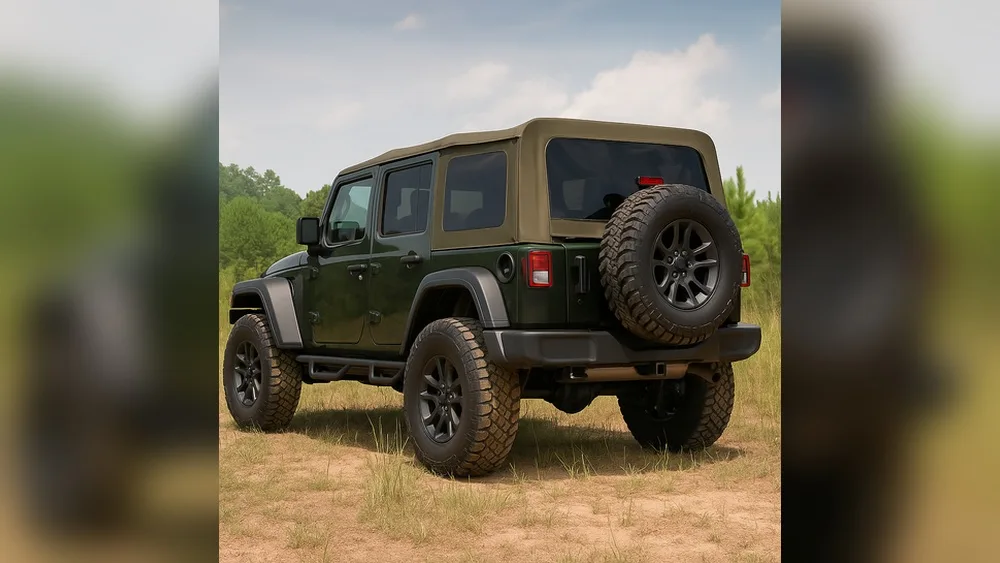
Jeep Exterior Accessory Guide
Jeep vehicles are built for adventure. Their tough design lets you explore rough roads, city streets, and everything between. But to truly make your Jeep your own, exterior accessories are key. These add-ons do more than just change how your vehicle looks—they protect it, improve function, and help you handle any challenge outdoors.
If you’re new to the world of Jeep upgrades, the options can feel endless. This guide will help you understand the most popular Jeep exterior accessories, what they do, and how to choose the best ones for your lifestyle. Get ready to transform your Jeep into a custom ride that matches your needs and personality.
Why Upgrade Your Jeep’s Exterior?
Adding exterior accessories is about more than just style. Many upgrades have real, practical benefits:
- Protection: Guards, covers, and shields defend your Jeep from rocks, mud, and weather.
- Utility: Racks and carriers let you bring bikes, kayaks, or extra gear.
- Performance: Some accessories, like winches or lights, help you drive safely in tough conditions.
- Personalization: Make your Jeep stand out and show off your unique taste.
A well-chosen accessory can make every trip safer, easier, and more fun.
Top Jeep Exterior Accessories And Their Benefits
Let’s break down the main types of exterior accessories, how they work, and why Jeep owners love them.
1. Bumpers
Jeep bumpers are not just for looks. They play a big role in protecting your vehicle and improving off-road performance.
Front bumpers often include winch mounts and recovery points, letting you pull yourself (or others) out of mud or snow. Rear bumpers can hold spare tires or extra gas cans.
There are two main materials: steel (very strong, heavier) and aluminum (lighter, resists rust). If you go off-road a lot, steel is usually better. For city driving, aluminum works well and saves weight.
Example:
A heavy-duty steel bumper can handle impacts from rocks or trees, while a lighter bumper may improve fuel efficiency.
2. Rock Sliders And Side Steps
Rock sliders protect the sides of your Jeep from rocks and logs when off-roading. They attach to the frame and take the hit so your doors don’t.
Side steps make it easier to get in and out, especially if your Jeep is lifted. Some models combine both protection and a step for convenience.
Key Insight:
Not all side steps are strong enough for off-road use. If you plan to drive on rocky trails, choose true rock sliders made from thick steel.
3. Fender Flares
Fender flares stop mud, rocks, and debris from hitting your Jeep’s body. They also let you run bigger tires without breaking the law.
- Flat flares offer maximum clearance for large tires.
- Pocket-style flares give a rugged, bolted look.
- Factory-style flares keep your Jeep looking original.
If you drive in muddy or sandy areas, fender flares keep your paint safer and your ride cleaner.
4. Winches
A winch is a must-have for serious off-roaders. It pulls your Jeep out of deep mud, sand, or snow. Most mount on the front bumper.
Winches are rated by pulling power (measured in pounds). For most Jeeps, a 9,000–12,000 lb winch is enough.
Non-obvious Tip:
A winch is only as strong as your battery. If you install a powerful winch, consider upgrading your Jeep’s electrical system.
5. Lighting Upgrades
Upgraded lights help you see—and be seen—at night or in bad weather.
- LED light bars provide wide, bright light for trails.
- Fog lights cut through mist and rain.
- Rock lights help you see obstacles under your Jeep.
Adding extra lighting can also improve safety on dark roads.
Extra Advice:
Check your state’s laws about aftermarket lights. Some places limit where and how you can use them.
6. Roof Racks And Cargo Carriers
If you camp or travel, roof racks and cargo carriers are lifesavers. They let you haul bikes, kayaks, storage boxes, or extra luggage.
There are two main types:
- Full-length racks (great for overlanding and lots of gear)
- Basket-style racks (good for smaller loads)
Make sure your roof rack is rated to hold the weight you plan to carry.
7. Tire Carriers
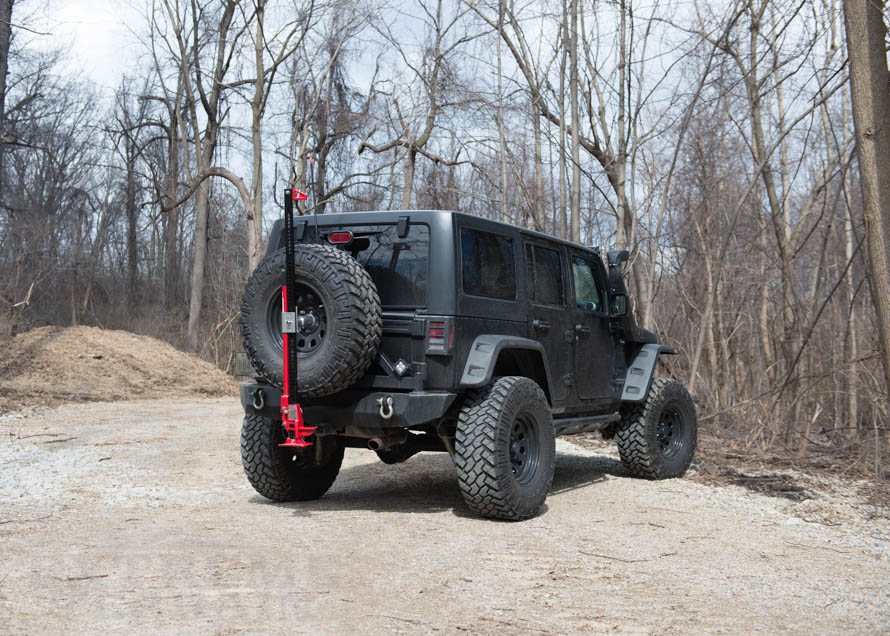
A tire carrier lets you mount a full-size spare tire on the rear bumper. This is important if you use larger-than-stock tires, which may not fit in the factory spot.
Some carriers also hold gas cans, jacks, or tools. They must be strong and easy to open, since you’ll need access to your trunk.
8. Grille Guards And Brush Guards
These metal bars protect your Jeep’s front end from branches, animals, and fender-benders. Grille guards cover the whole front, while brush guards focus on the headlights.
If you drive through thick woods or brush, these guards can save you money on repairs.
9. Hood Accessories
Jeep owners often add hood latches, vents, or decals. New latches can keep your hood from bouncing at high speeds. Vents help with engine cooling, and decals add personal style.
10. Door And Mirror Upgrades
Tube doors or half doors let air in but keep you safer than no doors at all. They’re popular for summer and trail driving.
Aftermarket mirrors (for when the doors are off) help you stay legal and safe.
11. Spare Gas Can Mounts
For long trips or remote trails, a gas can mount lets you carry extra fuel. Many mount to the spare tire carrier or roof rack.
Tip: Always use proper, sealed containers made for gasoline.
12. Windshield And Window Accessories
Light guards protect headlights and taillights from rocks and branches. Wind deflectors let you crack your windows for air, even when it’s raining.
Tinted windows cut glare and keep your interior cooler, but check local laws before darkening your glass.
13. Body Armor And Corner Guards
Body armor is heavy-duty plating that covers your Jeep’s most vulnerable areas, like corners and doors. Corner guards stop damage from rocks or bumps.
This is a smart upgrade if you do a lot of off-roading in rocky places.
14. Tire Upgrades And Wheel Accessories
Larger, more aggressive tires help your Jeep grip in mud, sand, or snow. Beadlock wheels let you air down your tires for better traction without losing the bead seal.
Valve stem guards protect against rocks, while locking lug nuts help prevent theft.
15. Decals And Custom Badges
Many Jeep owners like to add custom decals or badges. These can be funny, patriotic, or just show off your model. It’s a cheap, easy way to make your Jeep unique.
Credit: www.extremeterrain.com
Popular Jeep Exterior Accessories: A Quick Comparison
Here’s a look at how different accessories compare based on price range, difficulty to install, and typical uses.
| Accessory | Price Range (USD) | Install Difficulty | Main Benefit |
|---|---|---|---|
| Bumpers | $300–$1,200 | Medium–Hard | Protection, Recovery |
| Rock Sliders | $200–$800 | Medium | Body Protection |
| Roof Racks | $250–$900 | Medium | Extra Storage |
| Winches | $400–$1,000 | Hard | Self-Recovery |
| Fender Flares | $150–$600 | Easy | Mud Protection |
Choosing The Right Accessories For Your Jeep
It’s easy to get excited and want every upgrade at once. But not every accessory fits every need or budget. Here are some important factors to consider:
1. Your Jeep’s Main Use
- Daily driver: Focus on steps, mud guards, lighting, and security features.
- Off-road adventure: Invest in bumpers, winches, rock sliders, and body armor.
- Camping and travel: Prioritize roof racks, cargo carriers, and spare gas mounts.
2. Local Laws And Regulations
Some accessories (like extra lights or window tint) have limits set by state or country laws. Check before you buy, to avoid fines or failed inspections.
3. Weight And Fuel Economy
Heavy steel parts add safety but can lower fuel economy and affect handling. If you rarely go off-road, consider lighter options.
4. Budget
Accessories range from under $50 (for decals) to over $1,000 (for custom bumpers). Plan your upgrades in stages if needed.
5. Installation
- DIY: Many Jeep accessories can be installed at home with common tools.
- Professional: Some items, like electrical wiring for winches or lighting, may need an expert.
Practical Tip:
Start with upgrades that solve your biggest problems first, like safe steps or better lighting. Over time, add more as your needs and skills grow.

Credit: www.i10dodge.com
Jeep Exterior Accessories: What Most Beginners Miss
While shopping for Jeep accessories, beginners often overlook two important areas:
1. Compatibility with Other Upgrades:
Not all accessories fit together. For example, a certain bumper might block the mounting points for a winch or tire carrier. Always check if new parts work with existing ones.
2. The Impact on Your Jeep’s Warranty:
Big changes, like cutting fenders or wiring lights, can void parts of your factory warranty. Read your warranty details and check with your dealership if unsure.
Durability And Material Comparison
Different materials suit different needs. Here’s a simple comparison of the most common ones:
| Material | Common Use | Strength | Rust Resistance | Weight |
|---|---|---|---|---|
| Steel | Bumpers, Sliders | Very High | Medium | Heavy |
| Aluminum | Steps, Racks | Medium | High | Light |
| Plastic/Composite | Fender Flares, Trim | Low | Very High | Very Light |

Credit: www.ebay.com
Mistakes To Avoid When Upgrading Your Jeep
- Ignoring weight limits: Overloading racks or carriers can damage your Jeep or cause accidents.
- Not sealing electrical connections: Water can cause lights or winches to fail if wires are exposed.
- Using cheap, off-brand parts: Low-quality accessories may break quickly or not fit correctly.
- Skipping regular checks: Bolts and mounts can loosen after off-roading. Inspect your accessories often.
Where To Find Quality Jeep Exterior Accessories
Shop at trusted stores or official Jeep dealers. Check online forums for reviews from real users. Websites like Quadratec have a wide selection and helpful guides.
Frequently Asked Questions
What Jeep Exterior Accessory Should I Buy First?
Start with the accessory that solves your biggest problem. If getting in and out is hard, buy side steps. If you drive in mud, consider fender flares or mud guards. Safety and convenience upgrades are usually the best first choice.
Can I Install Jeep Exterior Accessories Myself?
Many accessories, like fender flares or decals, are easy DIY projects. Others, such as bumpers or electrical lights, may need tools and experience. Always follow the instructions and use the right safety gear.
Do Accessories Affect My Jeep’s Warranty?
Some upgrades, like drilling holes or rewiring, can void parts of your factory warranty. Before making big changes, check your warranty booklet or ask your dealer for advice.
How Do I Know If An Accessory Fits My Jeep Model?
Check the product details for your Jeep’s year, model, and trim. Accessories are often made for specific models. If in doubt, ask the seller or visit Jeep owner forums for advice.
Are Aftermarket Accessories Legal Everywhere?
Not always. Some states limit the use of extra lights, window tint, or bumper size. Before buying, check your local vehicle laws to avoid fines or inspection problems.
Jeep exterior accessories are more than just upgrades—they’re investments in your vehicle’s safety, performance, and style. Whether you drive off-road every weekend or just want a unique look, the right accessories can make your Jeep ready for anything. Take your time, choose wisely, and enjoy the journey ahead.