
How to Prevent Water Leaks Jeep Wrangler: Expert Tips & Tricks
Owning a Jeep Wrangler is all about freedom, adventure, and enjoying the outdoors. But nothing kills that spirit faster than discovering water inside your Wrangler after a rainstorm or a car wash. Water leaks are a surprisingly common problem for Jeep owners, especially for models with removable tops and doors. These leaks can lead to mold, rust, electrical problems, and ruined interiors if not handled quickly and properly. The good news is, with some regular attention and smart prevention steps, you can keep your Jeep dry and ready for anything.
This guide walks you through the best ways to prevent water leaks in your Jeep Wrangler. Whether you own a classic TJ, a JK, or the latest JL or Gladiator, these steps will help you solve common leak points, maintain your seals, and spot problems before they become serious.
Let’s keep your Wrangler’s interior as rugged and waterproof as its reputation.
Why Do Jeep Wranglers Leak Water?
The Wrangler’s design is unique. The removable roof panels, doors, and fold-down windshield are great for open-air driving, but all these seams and seals give water plenty of opportunities to sneak inside. Over time, rubber seals can wear out, hard tops can shift, and drain holes can become clogged. Even small gaps can let water in during heavy rain or when you drive through a car wash.
Most leaks are not the result of poor manufacturing, but from normal wear and tear, hard use, or improper installation of parts. Understanding where leaks happen is the first step to stopping them.
Common Water Leak Points In Jeep Wranglers
Knowing the likely places water enters helps you focus your inspection and maintenance. Below are the most frequent trouble spots:
- Freedom Panels (on JK and JL models)
- Full Hard Top Seals
- Door Seals
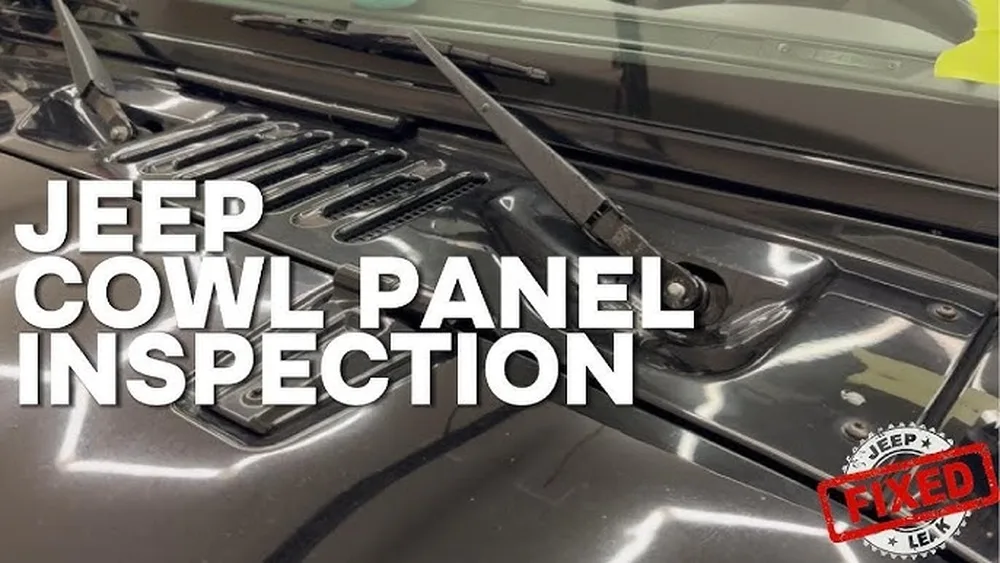
- Cowl (Windshield Base)
- Tailgate and Rear Window
- Floor Drain Plugs
- Heater Air Intake
Each of these areas has its own challenges. Some leaks are obvious, but others are sneaky, showing up as damp carpets or foggy windows days after rain.

Credit: www.reddit.com
Essential Tools And Materials
Before you start, gather a few basic items:
- Silicone spray (for rubber seals)
- Automotive weatherstrip adhesive
- Microfiber towels
- Plastic trim tools
- Garden hose
- Flashlight
- Replacement seals (if needed)
- Small wire brush (for cleaning drain holes)
Having these on hand saves time and allows you to handle most issues without a trip to the shop.
Step-by-step: How To Prevent Water Leaks In Your Jeep Wrangler
1. Inspect And Maintain Roof Seals
The roof is the most complex part of a Wrangler’s weatherproofing. Regular inspection prevents most leaks.
- Remove the Freedom Panels (if equipped) and check the rubber gaskets for cracks, dryness, or misalignment.
- Clean the seals with a damp cloth and apply a thin layer of silicone spray. This keeps the rubber flexible and less likely to crack.
- For hard tops, inspect the long perimeter seal where the top meets the body. Make sure it’s not pinched, torn, or out of place.
- When reinstalling, ensure all clamps and latches are tight and the panels sit flush.
Pro Tip: Even a small piece of dirt or sand on a seal can create a gap. Clean and inspect every time you remove and reinstall the top.
2. Check Door Seals And Alignment
Wrangler doors, especially removable ones, are prone to leaks if the seals are worn or the doors are misaligned.
- Run your fingers along the door seals to feel for hard spots, cracks, or tears.
- Clean seals with mild soap and water, then treat with silicone spray.
- If you notice air or water coming in while driving, check if the door sits evenly in the frame. Misaligned doors can crush or miss the seal entirely.
- Adjust door hinges if needed. This may require loosening bolts and gently shifting the door.
3. Clean And Test Drain Holes
Jeep Wranglers are designed with drain holes in the floor, cowl, and rear area. If these clog with dirt or leaves, water can pool inside.
- Remove carpet mats and locate the floor plugs. Pull them out and check for debris.
- Use a wire brush or compressed air to clear any blocked holes.
- Test by pouring a small amount of water into the cowl (base of the windshield) and watching to see if it drains under the Jeep.
4. Inspect The Windshield Cowl Area
The space at the bottom of the windshield (cowl) collects water and guides it out through drains. If these become clogged, water can leak into the cabin.
- Open the hood and look for leaves, mud, or other debris in the cowl area.
- Clean out by hand or with a shop vacuum.
- Check the fresh air intake for your heater/AC. A blocked intake can cause leaks into the footwells.
5. Check Tailgate And Rear Hatch Seals
The rear area often leaks, especially if you carry gear, pets, or bikes.
- Inspect the tailgate seal for damage or gaps.
- Make sure the rear window (hard top) is tightly closed.
- For soft tops, check the zipper and Velcro areas for proper closure.
6. Maintain Soft Top And Window Zippers
If you have a soft top, zippers and Velcro are weak points.
- Clean zippers regularly with a brush and apply zipper lubricant.
- Make sure all snaps and Velcro strips are fully engaged when closing the top.
- Replace any worn or missing pieces. Even a small tear can let in a lot of water.
7. Use Weatherstrip Adhesive For Minor Repairs
If you find a loose or peeling seal, don’t wait. Use automotive weatherstrip adhesive to glue it back in place.
- Clean both surfaces with alcohol and let dry.
- Apply adhesive according to instructions, press together, and let cure.
- This quick fix can stop leaks before they get worse.
8. Test For Leaks With A Garden Hose
To check your work, simulate a rainstorm.
- Close all doors and windows.
- Spray water over the roof, doors, and rear hatch for several minutes.
- Check inside with a flashlight for any sign of moisture.
If you find a leak, focus your repair efforts in that area. Repeat testing until you’re confident the problem is solved.
9. Address Rust And Mold Quickly
Water leaks left alone can create bigger problems.
- If you notice a musty smell or see rust spots, clean and dry the area immediately.
- Use mold cleaner on carpets and seats.
- For rusty areas, sand down and touch up with paint to prevent spreading.
10. Use Jeep-specific Upgrades
If you live in a rainy climate or take your Wrangler off-roading, consider upgrades:
- Aftermarket seals: Thicker, more durable seals are available for doors and tops.
- Door surround kits: Help direct water away from the cabin.
- Floor liners: Waterproof mats protect your carpet and make cleanup easier.
Most Jeep forums recommend Mopar-branded or high-quality aftermarket parts for best fit and durability.
Comparison: Hard Top Vs. Soft Top Leak Risks
Here’s a quick look at how the two main top types compare for water leaks:
| Feature | Hard Top | Soft Top |
|---|---|---|
| Common Leak Points | Freedom Panels, rear window, seams | Zippers, seams, window edges |
| Maintenance Needed | Seal conditioning, clamp checks | Zipper care, fabric checks |
| Durability | Very good (with care) | Can wear out faster |
Key Insight: Hard tops are less likely to leak if properly maintained, but soft tops need more regular care and replacement of zippers or fabric parts.
Signs You Have A Water Leak
Not all leaks are easy to see. Here are signs your Jeep may be letting in water:
- Damp or musty smell in the cabin
- Wet carpets, especially after rain
- Foggy windows that won’t clear
- Rust around door sills or floor pans
- Visible water trails on doors or pillars
If you notice any of these, act quickly. Water damage can get expensive fast.
How To Find Hidden Leaks
Some leaks are sneaky. If you can’t find the source, try these tips:
- Remove all mats and carpets. Check for wetness underneath.
- Sprinkle talcum powder along seals—water trails will show clearly.
- Sit inside while someone else sprays the Jeep with a hose.
- Use a flashlight to check under the dash and seats.
Non-obvious tip: Sometimes, leaks start high (like the roof) but water travels along trim before dripping onto the floor. Always check above and around any wet spot.
Jeep Wrangler Model Leak Trends
Leak risks can vary by model year. Here’s a summary of which Wranglers are most prone to leaks and why:
| Model | Known Leak Issues | Special Notes |
|---|---|---|
| TJ (1997–2006) | Soft top seams, door seals | Older seals often need replacement |
| JK (2007–2018) | Freedom panel seals, cowl leaks | Factory TSBs for leaks available |
| JL (2018–present) | Roof panel fit, window seals | Improved seals but still needs care |
If your Jeep is covered by warranty, ask your dealer about Technical Service Bulletins (TSBs) for leak repairs.
Two Insights Beginners Miss
- Door Adjustment Matters: Many leaks come from doors that are slightly out of alignment. Even a few millimeters can break the seal. Adjusting the hinges is a simple fix that most owners overlook.
- Seasonal Seal Care: Rubber seals shrink and harden in cold weather. Applying silicone spray in fall and spring keeps them flexible year-round.
Mistakes To Avoid
- Using petroleum jelly or grease on rubber seals—it can break them down.
- Ignoring small leaks—water always finds a way to spread.
- Over-tightening roof clamps—this can deform seals and create new gaps.
- Forgetting to check the cowl and drain holes—a common cause of mysterious leaks.

Credit: rms-company.ru
When To Seek Professional Help
If you’ve tried these steps and still find water, it may be time for a pro. Leaks behind the dash or inside the firewall can require removal of interior trim or even the dashboard. Certified Jeep technicians have special tools and knowledge to track down the toughest leaks.
Jeep forums, such as WranglerForum, offer owner experiences, repair guides, and recommendations for trusted shops.
Frequently Asked Questions
How Do I Know If My Jeep Wrangler Has A Water Leak?
Check for damp carpets, musty smells, foggy windows, or visible water inside after rain. Even minor leaks can leave water trails along door seals or under mats.
Can I Use Silicone Caulk To Seal Leaks?
It’s better to use automotive weatherstrip adhesive or replace worn seals. Silicone caulk is messy, hard to remove, and may not flex with Jeep parts, leading to more leaks later.
How Often Should I Check My Jeep’s Seals?
Inspect your door and roof seals every 3–6 months, or before and after removing your top. Seasonal checks (before winter and after spring) are best.
Are Water Leaks Covered Under Jeep Warranty?
If your Jeep is still under the basic warranty, leaks from factory defects are usually covered. Check with your dealer and ask about any Technical Service Bulletins (TSBs) for your model.
What’s The Fastest Way To Dry Out My Jeep After A Leak?
Remove all mats and carpets, use towels to soak up water, and leave doors/windows open to ventilate. A small fan or wet/dry vacuum can speed up drying, and cleaning with mold remover prevents odors.
Keeping your Jeep Wrangler dry takes some work, but it’s worth it. With regular care and attention to these details, you can enjoy your adventures without worrying about water damage. Stay vigilant, act quickly on leaks, and you’ll keep your Wrangler ready for the road or trail—no matter the weather.

Credit: www.youtube.com
Related posts
 Why You Should Use a Foam Cannon for Car Washing: Ultimate Guide
Washing your car is more than just making it look good. It protects the paint, keeps the value high, and makes driving feel better. But if…
 How to Clean Leather Seats Without Damaging Them: Expert Tips
Keeping your leather seats clean can be a challenge. Leather looks beautiful and feels luxurious, but it needs special care. Many people worry about damaging their…
 Why Using a Ceramic Coating Spray is Important for Your Car’s Shine
If you care about your car’s appearance and value, you probably wash and wax it regularly. But did you know there’s a better way to protect…