Jeep Wrangler Off-Road Accessory Guide: Must-Have Upgrades
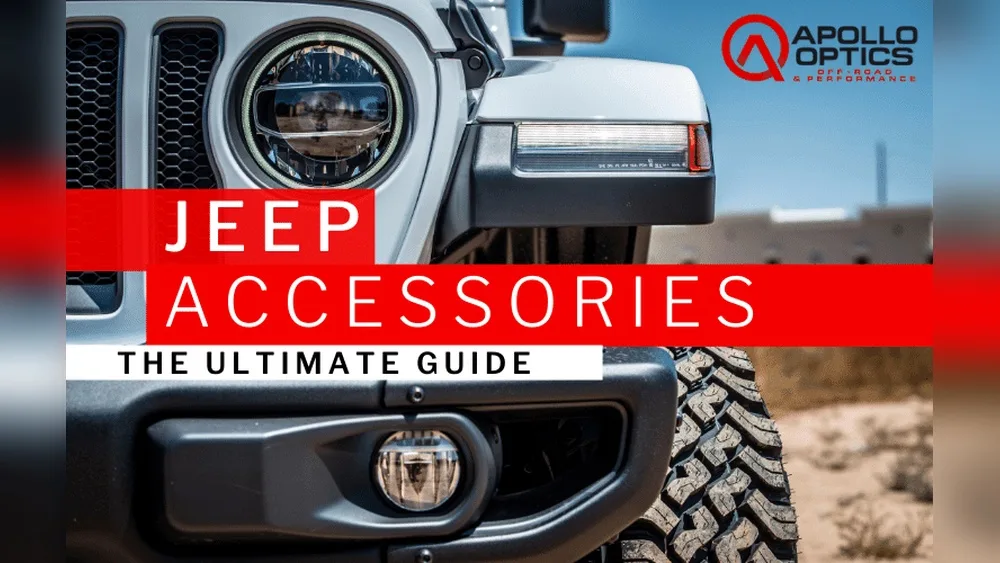
Jeep Wranglers have a special place in the world of off-roading. Their rugged build, legendary 4×4 system, and endless customization options make them the top choice for adventure seekers. But if you want to push your Wrangler further—tackling rocky trails, muddy tracks, or even desert dunes—adding the right accessories can make all the difference.
This guide will walk you through the must-have Jeep Wrangler off-road accessories, how to choose them, and practical tips for getting the most out of your upgrades.
Why Off-road Accessories Matter For Your Jeep Wrangler
A stock Wrangler is capable, but off-road accessories transform it into a true trail warrior. Aftermarket parts improve safety, comfort, and capability. For example, a lift kit increases ground clearance, allowing you to drive over larger obstacles. Upgraded tires provide better traction on mud, snow, or sand. Accessories like winches and skid plates can even save your vehicle from serious damage or getting stuck.
Many beginners focus only on performance parts, but small accessories—like grab handles or onboard air compressors—greatly improve your off-road experience. The right gear gives you confidence and peace of mind, letting you tackle tougher trails without worry.
Essential Off-road Accessories For The Jeep Wrangler
Let’s break down the most important off-road accessories, why they matter, and practical advice on choosing the right ones.
1. Off-road Tires
Tires are the foundation of every off-road build. Stock Wrangler tires are good for mixed driving, but real trails demand all-terrain (A/T) or mud-terrain (M/T) tires.
- A/T tires: Good for dirt, gravel, and light mud. Comfortable on highways.
- M/T tires: Deep treads for maximum grip in mud and rocks. Louder on-road.
Size matters: 33-inch and 35-inch tires are common upgrades. Larger tires add ground clearance but may require a lift kit and gear ratio changes. Remember, bigger tires often reduce fuel economy.
2. Lift Kits
A lift kit raises your Wrangler’s body or suspension, increasing ground clearance and room for bigger tires. There are two main types:
- Body lift: Raises the body from the frame. Simple, but limited clearance.
- Suspension lift: Increases both body and chassis height. Improves off-road ability and suspension travel.
Popular lift heights: 2-inch lifts are enough for most trails. Hardcore off-roaders may choose 3–4 inches, but this can affect handling and require other modifications (like driveshafts or brake lines).
3. Winches
A winch can pull your Wrangler out of mud, snow, or sand if you get stuck. It’s one of the smartest safety upgrades.
- 12,000 lbs capacity: Recommended for most Wranglers with gear.
- Synthetic rope: Lighter and safer than steel cable, but more expensive.
Install the winch on a solid steel front bumper. Always use gloves when winching and follow safety guidelines.
4. Skid Plates
Skid plates protect the undercarriage from rocks, logs, and other hazards. Critical areas include:
- Oil pan
- Transfer case
- Fuel tank
Aluminum skid plates are lighter but less tough than steel. For heavy rock crawling, steel is best.
5. Rock Sliders
Rock sliders (or rock rails) shield your Jeep’s side panels and doors from damage. They double as a step for getting in and out, especially on lifted Wranglers. Choose thick steel construction for maximum protection.
6. Recovery Gear
A winch is great, but you also need:
- Tow straps: Rated for 20,000+ lbs.
- D-shackles or soft shackles: For safe attachment points.
- Traction boards: Help tires grip on sand, mud, or snow.
Carry a shovel and gloves. Recovery gear is essential even for day trips.
7. Off-road Lighting
LED light bars and auxiliary lights improve visibility in darkness, fog, and storms. Options include:
- Flood lights: Wide, short beam.
- Spot lights: Long, narrow beam for distance.
- Combo bars: Mix both types.
Mount lights on bumpers, the windshield frame, or the roof. Make sure the installation is legal in your area.
8. Upgraded Bumpers
Steel bumpers offer better protection and mounting points for winches, lights, and recovery gear. Rear bumpers can include swing-out tire carriers for larger tires. Look for D-ring mounts and high-clearance designs.
9. Snorkels
A snorkel raises your Jeep’s air intake above the hood. This allows safe water crossings and cleaner air in dusty conditions. Installation usually requires cutting the fender—measure twice before drilling.
10. Differential Covers
Heavy-duty differential covers protect against rock strikes and leaks. Some include cooling fins or drain plugs for easy maintenance. Damaged differentials can leave you stranded, so this is a smart upgrade for rocky trails.
11. Onboard Air Compressors
An onboard air compressor lets you air down tires for trails (better traction) and air them up for the road. It’s also handy for inflating camping gear. Hard-mount systems are faster but more expensive than portable units.
12. Suspension Upgrades
Beyond lifts, consider:
- Heavy-duty shocks: For better control over rough terrain.
- Adjustable track bars: Help maintain alignment after lifting.
- Sway bar disconnects: Improve wheel travel and articulation off-road.
These upgrades keep your ride smoother and your wheels on the ground.
13. Roof Racks And Storage Solutions
Roof racks add cargo space for camping gear, water, or tools. Modular racks let you attach accessories like shovels, jerry cans, and awnings. Inside, consider lockable drawers or MOLLE panels for organizing small items.
14. Grab Handles
Grab handles make it easier to climb into lifted Wranglers and provide support on bumpy trails. Soft or hard-mount handles both work; choose based on personal comfort.
15. Seat Covers And Floor Liners
Waterproof seat covers and all-weather floor liners protect your interior from mud, water, and spills. They also make cleaning easier after a long day outdoors.
16. Communications Gear
Cell phones often lose service on remote trails. Install a CB radio or GMRS radio for group communication and emergencies. Some clubs require radios for organized trail rides.
17. Gps Navigation Units
Paper maps are useful, but off-road GPS units or smartphone apps with offline maps are much better. They help you stay on legal trails and avoid getting lost.
18. Fire Extinguishers
A small fire extinguisher is a low-cost safety upgrade. Mount it within easy reach of the driver. Off-roading can spark fires from hot exhausts or electrical faults.
19. First Aid Kit
Always carry a first aid kit with supplies for cuts, burns, and sprains. Off-road accidents can happen far from help. Include any personal medications you may need.
20. Portable Fridge/freezer
A 12V fridge/freezer keeps food fresh for long trips. Unlike coolers, they don’t need ice and can run on your Jeep’s battery or a portable power station.
Comparing Key Off-road Accessories
To help you choose, here’s a quick comparison of three popular accessory categories.
| Accessory | Main Benefit | Average Price Range | Considerations |
|---|---|---|---|
| Lift Kit | Increases ground clearance | $500–$2,000 | May affect handling and warranty |
| Winch | Self-recovery from stuck situations | $400–$1,200 | Requires strong bumper, electrical wiring |
| Off-Road Tires | Improves traction and durability | $800–$1,800 (set of 4) | Impacts fuel economy, may need lift |
How To Choose The Right Accessories
Not all accessories are necessary for every driver. Your choices should depend on:
- Type of terrain: Mud needs different gear than rocks or sand.
- Budget: Start with safety essentials; add comfort items later.
- Frequency of trips: Weekend warriors need less gear than overlanders.
Here’s a simple breakdown for three common user profiles:
| User Type | Must-Have Accessories | Optional Upgrades |
|---|---|---|
| Beginner | All-terrain tires, recovery gear, grab handles | Lift kit, basic skid plates |
| Trail Enthusiast | Mud-terrain tires, winch, rock sliders, radios | Snorkel, advanced suspension |
| Overlander | Roof rack, fridge/freezer, GPS, first aid kit | Onboard air, solar power, full armor |
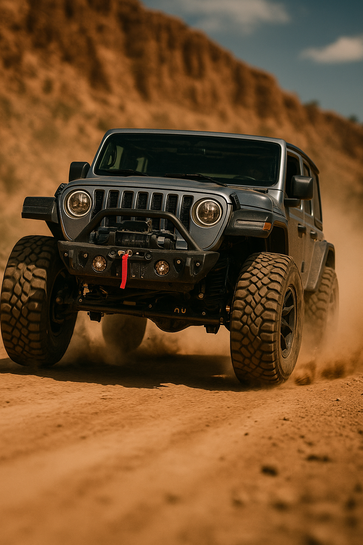
Credit: collinsbrosjeep.com
Common Mistakes When Upgrading Your Wrangler
Many new owners rush to buy the biggest tires or tallest lift. But bigger is not always better. Here are some common mistakes to avoid:
- Skipping safety gear: Don’t buy flashy lights before basic recovery gear.
- Not re-gearing after big tires: Large tires can strain axles and reduce performance unless gear ratios are adjusted.
- Ignoring weight limits: Heavy accessories reduce payload and may affect handling.
- Improper installation: Poorly installed parts can cause expensive damage or fail on the trail.
A smart upgrade plan starts with safety, then performance, then comfort.
Two Non-obvious Insights
Most beginners miss these two points:
- Accessory compatibility: Not all parts fit all Wrangler models (JK, JL, TJ, etc.). Always check your Jeep’s year and trim before buying.
- Insurance impact: Major modifications like lift kits and winches can affect your vehicle insurance. Inform your provider to avoid coverage problems if you have an accident.
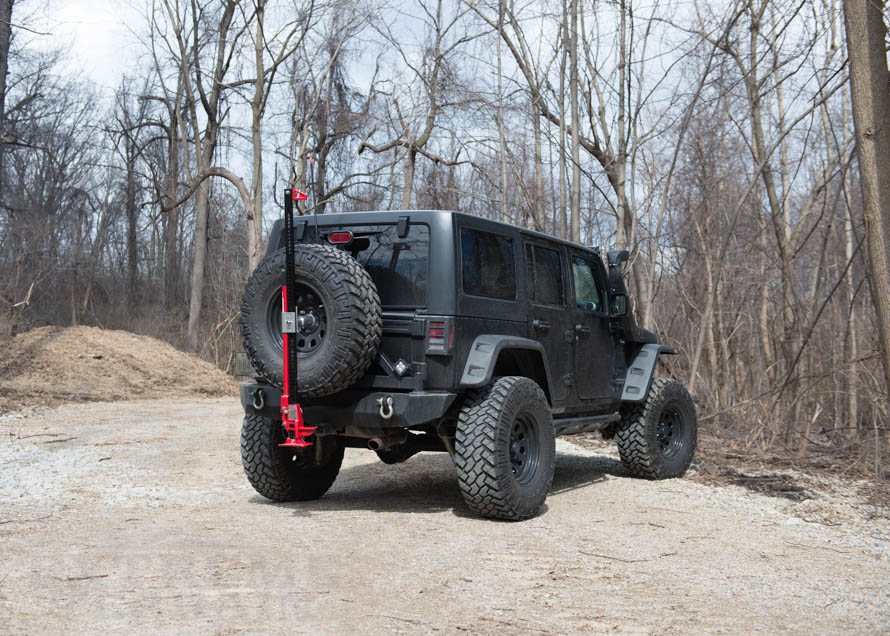
Credit: www.extremeterrain.com
Practical Tips For First-time Off-roaders
- Join local Jeep clubs: Experienced members offer advice, trail recommendations, and recovery help.
- Test upgrades one at a time: This helps you understand what each accessory does and spot any issues early.
- Carry essential tools: Wrenches, tire repair kits, and duct tape can save a trip.
If you want to learn more about Jeep Wrangler history and specifications, the official Jeep Wrangler Wikipedia page is a great resource.
Frequently Asked Questions
What Is The First Off-road Accessory I Should Buy For My Jeep Wrangler?
Start with all-terrain tires and basic recovery gear. These two upgrades provide the most noticeable improvement in safety and trail capability, even for stock Wranglers.
Do I Need A Lift Kit For Off-roading?
A lift kit is helpful but not always required. Many trails are manageable with stock suspension and good tires. Only add a lift if you plan to tackle deep ruts, large rocks, or want bigger tires.
How Do I Choose The Right Winch Size?
Choose a winch with a pulling capacity of at least 1.5 times your Jeep’s gross weight. For most Wranglers, a 9,000–12,000 lbs winch is a safe choice.
Are Aftermarket Bumpers Necessary?
Steel bumpers add protection and are needed for winch mounting. If you only do light trails, they are optional. For rocky or technical trails, they are strongly recommended.
Will Off-road Accessories Affect My Jeep’s Warranty?
Some accessories—like lift kits or tuners—can affect your warranty. Check with your dealer and always keep receipts and installation records for future claims.
Adding off-road accessories to your Jeep Wrangler opens up new adventures and challenges. By choosing wisely and upgrading in stages, you’ll build a vehicle that’s ready for any trail—and every memory ahead.
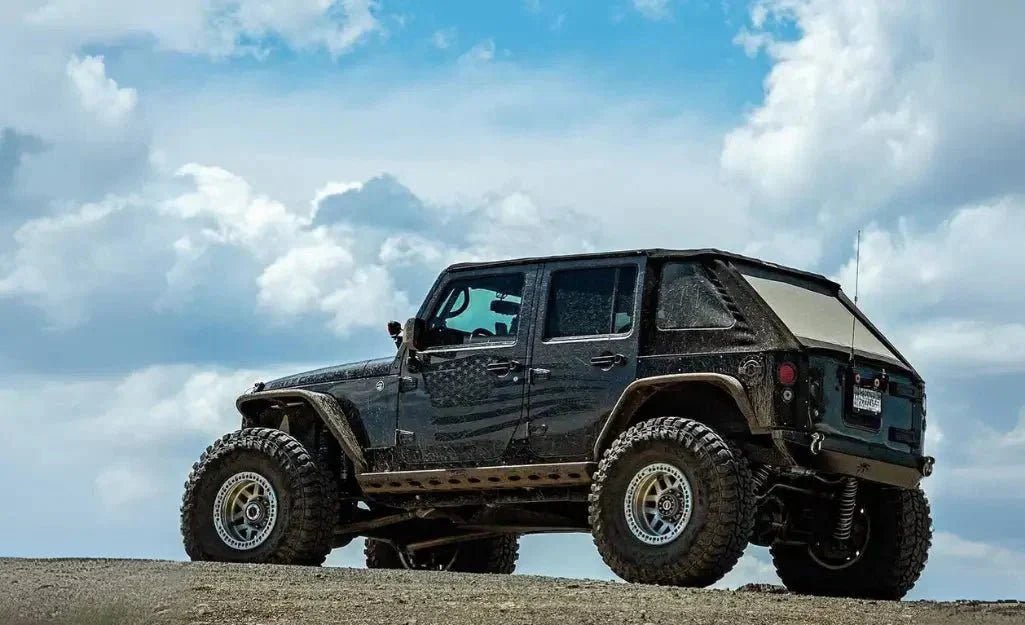
Credit: mountainoffroad.com
Related posts
 Why You Should Use a Foam Cannon for Car Washing: Ultimate Guide
Washing your car is more than just making it look good. It protects the paint, keeps the value high, and makes driving feel better. But if…
 How to Clean Leather Seats Without Damaging Them: Expert Tips
Keeping your leather seats clean can be a challenge. Leather looks beautiful and feels luxurious, but it needs special care. Many people worry about damaging their…
 Why Using a Ceramic Coating Spray is Important for Your Car’s Shine
If you care about your car’s appearance and value, you probably wash and wax it regularly. But did you know there’s a better way to protect…