
How to Maintain Jeep LED Headlights for Maximum Brightness
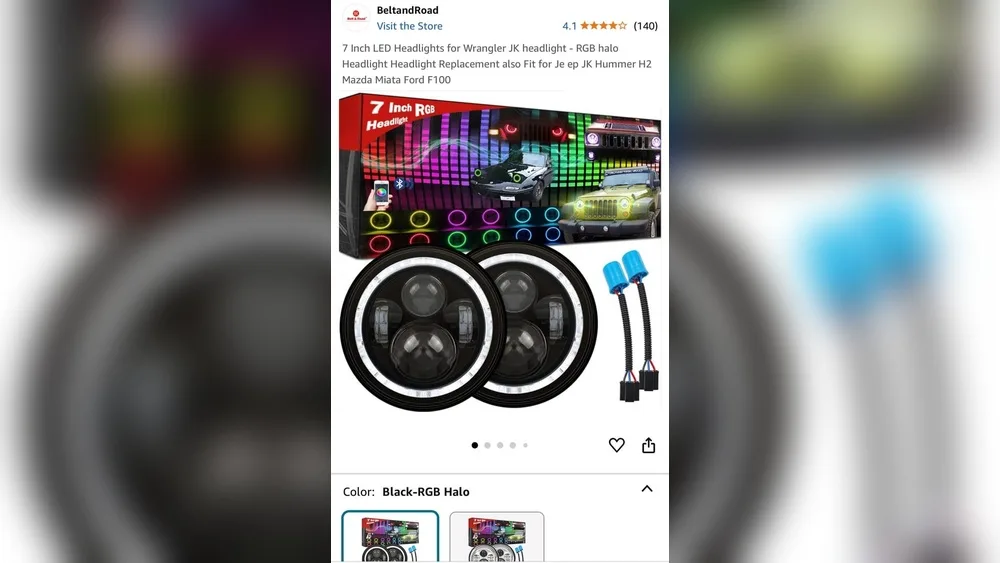
Owning a Jeep is more than just driving—it’s about adventure, durability, and style. Jeep owners often upgrade their vehicles with LED headlights for better visibility and a sleek look. But even the best LED headlights need proper care to stay bright and reliable. Neglect can lead to foggy lenses, weak light, or even expensive replacements. If you want your Jeep LED headlights to last and perform at their best, regular maintenance is essential. This guide covers everything you need to know, from cleaning to electrical checks, so you can keep your headlights shining strong.
Why Jeep Led Headlights Need Special Maintenance
LED headlights are popular for their brightness, energy efficiency, and long life. However, they face unique challenges compared to traditional halogen bulbs. Dust, mud, vibrations, and weather can all affect their performance. Jeep drivers often travel off-road, so headlights are exposed to more dirt, moisture, and shocks. If you ignore maintenance, LEDs can dim, flicker, or fail before their expected lifespan of 20,000–50,000 hours.
A common mistake is assuming LED headlights are “maintenance-free. ” While they are more durable, they still need attention. For example, the cooling system inside LED headlights can get clogged, leading to overheating. Moisture can seep into housings, causing condensation or corrosion.
Knowing these risks helps you prevent problems before they start.
Cleaning Jeep Led Headlights: Step-by-step
Keeping your LED headlights clean is the first and easiest step in maintenance. Dirt and grime reduce brightness and can scratch the lens.
Step 1: Gather Supplies
You’ll need:
- Microfiber cloth
- Mild soap or car shampoo
- Warm water
- Soft brush
- Headlight cleaning solution (optional)
Step 2: Initial Rinse
Rinse the headlights with water to loosen surface dirt. Avoid high-pressure washers directly on the lights—this can force water inside.
Step 3: Apply Soap
Mix mild soap with water. Dip the microfiber cloth in the solution and gently wipe the headlights. Don’t use harsh chemicals or rough sponges; these can damage the lens.
Step 4: Scrub For Tough Spots
For bugs or mud, use a soft brush. Work in circles, but don’t press too hard.
Step 5: Rinse And Dry
Rinse with clean water. Dry with a microfiber cloth to avoid water spots.
Step 6: Use Cleaning Solution
If the headlights still look foggy, use a headlight cleaning solution. Follow product instructions carefully.
Pro Tip: Clean headlights every 2–4 weeks, especially after off-road trips.
Checking For Moisture And Condensation
Moisture inside the headlight housing is a common issue, especially after river crossings or heavy rain. It causes foggy lenses and can damage LED circuits.
How To Spot Moisture
Look for:
- Foggy appearance inside the lens
- Water droplets or pooling
- Flickering or dim lights
What To Do
- Remove the headlight housing carefully.
- Let it dry in a warm, dry place. You can use silica gel packs to speed up drying.
- Check for cracks or broken seals. Replace or repair as needed.
- Reinstall the housing and test the lights.
Non-obvious insight: Many Jeep owners skip seal checks. Even tiny cracks can let moisture in, so always inspect the seal after drying.
Inspecting And Cleaning Electrical Connections
LED headlights depend on strong electrical connections. Corroded or loose wires can cause flickering or total failure.
How To Inspect
- Turn off the vehicle and disconnect the battery.
- Locate the headlight connector and wiring harness.
- Look for corrosion, dirt, or loose pins.
Cleaning Steps
- Use electrical contact cleaner and a small brush.
- Dry thoroughly before reconnecting.
Practical tip: Check connections every 6 months, and after any heavy off-road use.

Credit: www.ebay.com
Maintaining The Cooling System
LED headlights generate heat, which can damage components. Most Jeep LED headlights have built-in fans or heat sinks.
Why Cooling Matters
Without proper cooling, LEDs can overheat and lose brightness. Over time, this shortens their lifespan.
What To Check
- Inspect the cooling fan or heat sink for dust or debris.
- Clean with compressed air or a soft brush.
- Make sure the fan spins freely and isn’t blocked.
Example Cooling Maintenance Schedule
| Frequency | Task |
|---|---|
| Every 3 months | Inspect fan/heat sink |
| After off-road trip | Clean dust/debris |
| Annually | Full system check |
Non-obvious insight: Some LED cooling fans are silent, so lack of noise doesn’t mean they’re working. Always check visually.
Adjusting Headlight Alignment
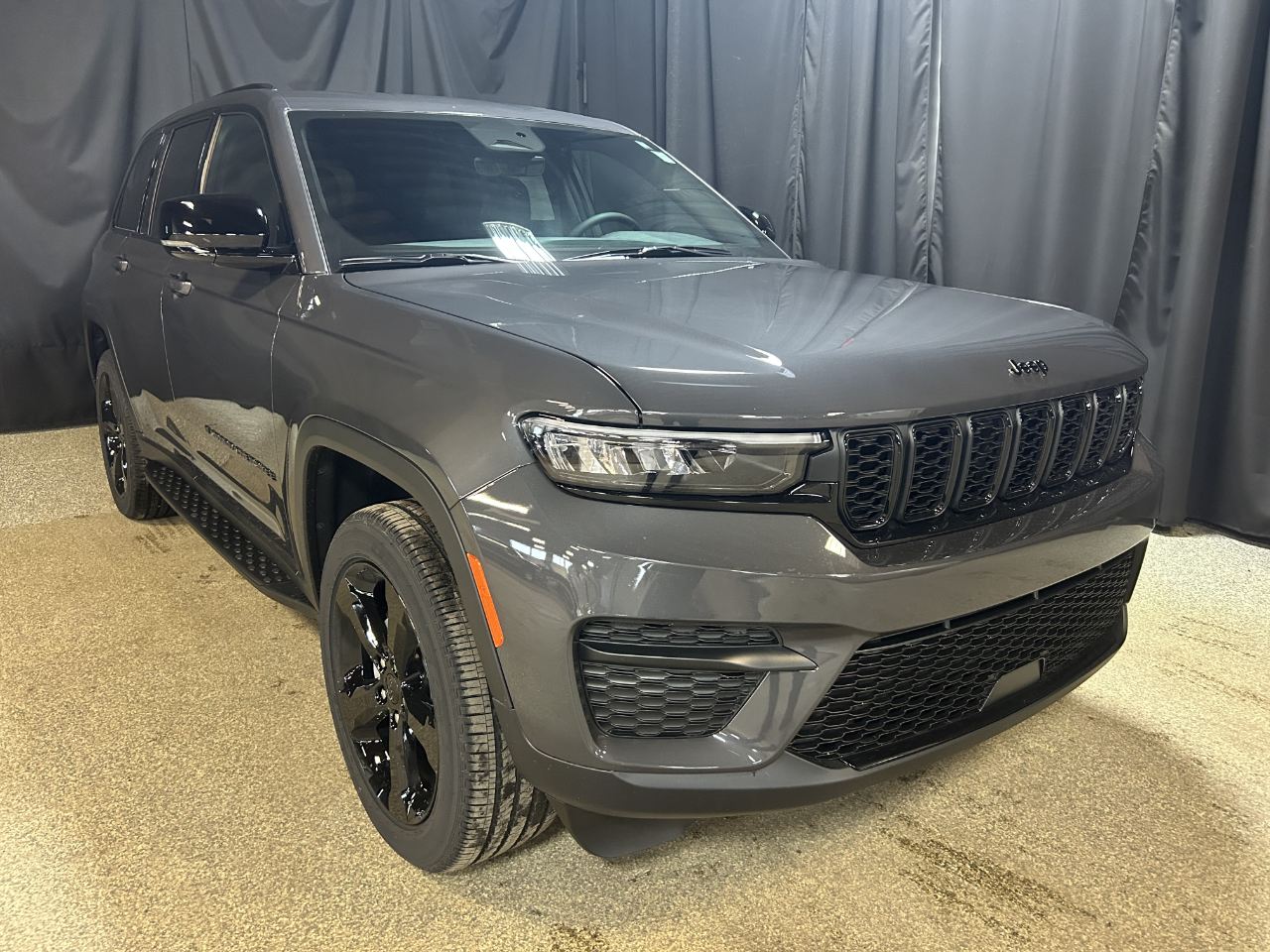
Proper alignment ensures maximum visibility and prevents blinding other drivers. Jeep suspension changes or rough roads can knock headlights out of place.
Signs Your Headlights Are Misaligned
- Light beam is too high or low
- Uneven brightness left vs. right
- Poor night visibility
How To Adjust
- Park Jeep on level ground, 25 feet from a wall.
- Mark headlight center on the wall.
- Use adjustment screws on the headlight housing.
- Aim beam so it’s just below the center mark.
Alignment Data Table
| Distance from Wall | Beam Height Adjustment |
|---|---|
| 25 feet | 2–4 inches below center |
| 15 feet | 1–2 inches below center |
Pro Tip: Adjust headlights after suspension upgrades or tire changes.
Credit: brownschrysler.com
Protecting Headlights From Scratches And Uv Damage
Jeep headlights face harsh sunlight, sand, and rocks. Over time, UV rays and scratches make lenses cloudy.
Protection Methods
- Apply headlight protection film to block UV and prevent scratches.
- Use UV-resistant sprays after cleaning.
Example Products
- XPEL Headlight Film
- 3M Headlight UV Spray
Non-obvious insight: Some films also repel water and dirt, reducing cleaning needs.
Replacing Or Upgrading Led Headlights
LED headlights last longer, but not forever. If you notice dimming, color changes, or frequent flickering, it’s time to replace.
How To Choose Replacement Leds
Look for:
- Lumens rating (higher is brighter)
- Color temperature (5000–6000K is ideal for Jeep)
- Waterproof and dustproof rating (IP67 or higher)
- Built-in cooling technology
Comparison Table: Led Headlight Features
| Feature | Standard LED | Premium LED |
|---|---|---|
| Lumens | 2,000–3,000 | 5,000–6,000 |
| Color Temp | 4,000–5,000K | 6,000K |
| Waterproof | IP65 | IP67/IP68 |
| Cooling | Basic heat sink | Fan + advanced heat sink |
Common Mistakes
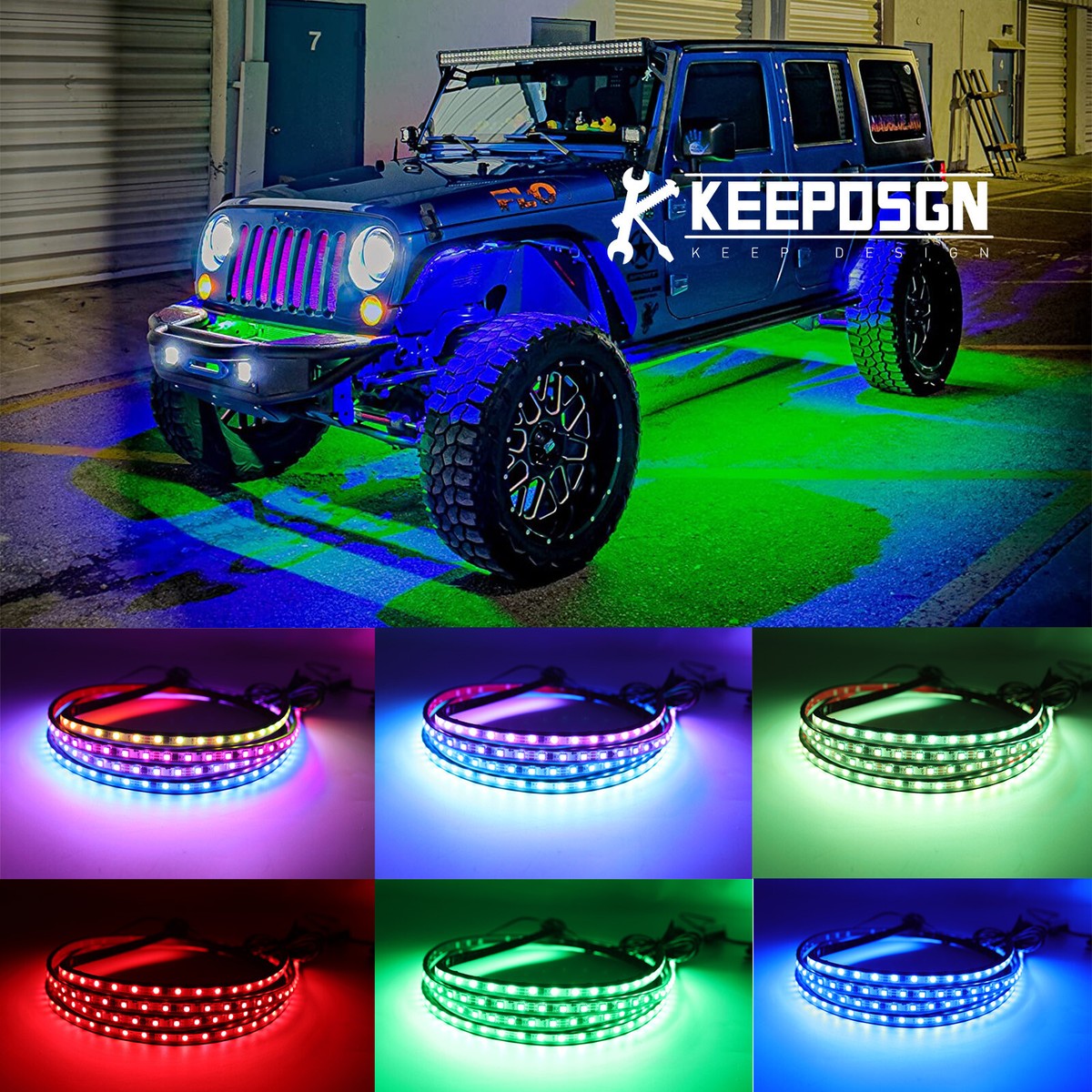
- Choosing style over function (colorful, but dim)
- Ignoring waterproof ratings
- Not checking compatibility with Jeep model
Pro Tip: Always buy from trusted brands and check reviews. For more info on LED technology, see Wikipedia.
Credit: www.ebay.com
Troubleshooting Jeep Led Headlight Problems
Even with good maintenance, issues can appear. Here’s how to fix common problems:
Flickering Lights
- Check for loose wiring or connectors
- Inspect battery voltage
- Replace faulty LED drivers
Dim Lights
- Clean lens thoroughly
- Replace aging LED module
- Check alternator output
Color Changes
- Inspect for overheating
- Replace if LEDs turn yellow or blue
Water Inside
- Dry housing completely
- Repair or replace seals
Experience-based tip: Sometimes, flickering is caused by Jeep’s CAN bus system. Installing an anti-flicker harness can solve this.
Maintenance Schedule For Jeep Led Headlights
Following a regular schedule prevents most issues. Here’s a sample plan:
- Weekly: Quick visual check for dirt and damage
- Monthly: Full cleaning and check for moisture
- Every 3 months: Inspect cooling system and electrical connections
- Annually: Adjust alignment, replace protection film, check for upgrades
Non-obvious insight: Most Jeep owners forget the cooling system until lights dim or fail. Adding cooling checks to your routine can double headlight life.
Frequently Asked Questions
How Often Should I Clean My Jeep Led Headlights?
Clean your LED headlights every 2–4 weeks, especially after off-road trips. Regular cleaning keeps them bright and prevents scratches or fogging.
Can I Use Regular Car Polish On Led Headlight Lenses?
No, avoid regular car polish. Use products made for plastic lenses. Car polish may scratch or cloud the lens, reducing brightness.
What Should I Do If My Led Headlights Flicker?
Check electrical connections for corrosion or looseness. If the wiring is fine, test battery voltage. Flickering can also be caused by the CAN bus system—installing an anti-flicker harness may help.
Are Led Headlights Better Than Halogen For Jeeps?
Yes, LED headlights are brighter, last longer, and use less energy than halogen. They also perform better in tough conditions but need proper maintenance.
How Can I Prevent Moisture From Entering My Headlights?
Check the seals regularly and avoid pressure washing directly on the headlights. If you notice moisture, dry the housing and repair any cracks or broken seals.
Maintaining your Jeep LED headlights isn’t difficult, but it does require a little attention and care. With regular cleaning, checks, and upgrades, your headlights will stay bright, reliable, and ready for any adventure. Don’t wait for problems—start your maintenance routine today and enjoy clear, safe driving wherever you go.
Related posts
 Why You Should Use a Foam Cannon for Car Washing: Ultimate Guide
Washing your car is more than just making it look good. It protects the paint, keeps the value high, and makes driving feel better. But if…
 How to Clean Leather Seats Without Damaging Them: Expert Tips
Keeping your leather seats clean can be a challenge. Leather looks beautiful and feels luxurious, but it needs special care. Many people worry about damaging their…
 Why Using a Ceramic Coating Spray is Important for Your Car’s Shine
If you care about your car’s appearance and value, you probably wash and wax it regularly. But did you know there’s a better way to protect…