
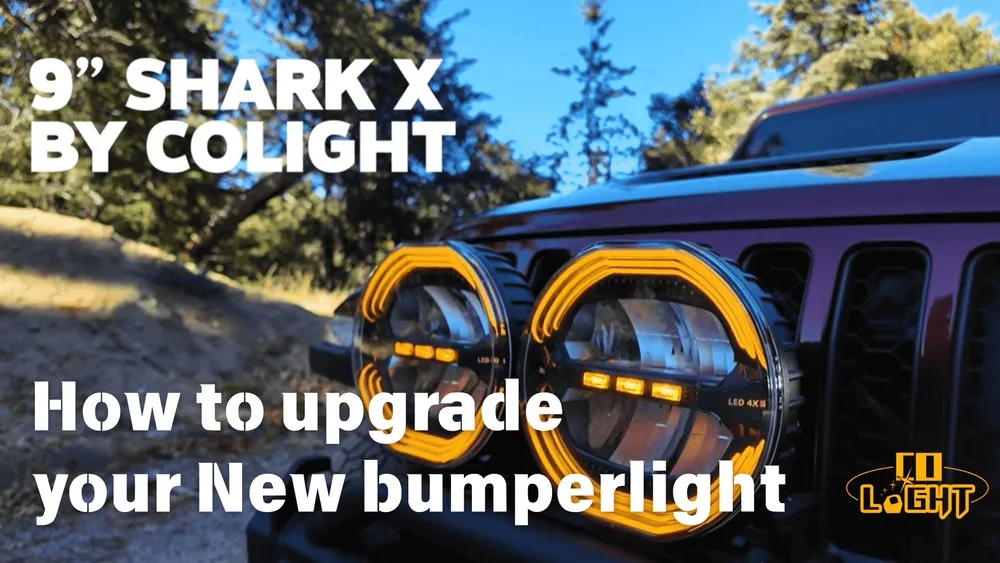
Thinking about upgrading your Jeep Wrangler’s lighting? You’re not alone. Many Jeep owners want better visibility, more style, or simply a modern touch. But with so many options—LEDs, HIDs, halos, light bars—it can feel confusing. This guide will walk you through everything you need to know about upgrading your Jeep Wrangler lighting. From headlights to tail lights, fog lights to interior upgrades, you’ll learn what matters, what options exist, and how to choose the right lights for your Jeep.
Why Upgrade Your Jeep Wrangler Lighting?
Factory lighting on most Jeep Wranglers is often basic. Halogen bulbs are common, and while they work, they can seem dim, especially off-road or in bad weather. Upgraded lights can:
- Make night driving safer with brighter, clearer visibility.
- Add a modern look to your Jeep’s style.
- Use less power, thanks to LEDs.
- Last longer and require less maintenance.
Many Jeep owners are surprised how much of a difference new lighting makes—not just for looks, but for comfort and safety.
Types Of Lighting Upgrades
There are several types of lighting you can upgrade on your Jeep Wrangler. Here’s a breakdown of the main areas:
- Headlights – The most common upgrade.
- Fog Lights – Helpful in bad weather.
- Tail Lights – For safety and style.
- Turn Signals and Marker Lights – To be seen clearly.
- Interior Lights – For better cabin visibility.
- Auxiliary and Off-Road Lights – For serious trail use.
Let’s look at each area in detail.
Credit: auxbeam.com
Headlight Upgrades
Halogen Vs. Led Vs. Hid
Most Wrangler models come with halogen headlights. These are cheap to replace but not very bright. LED headlights are the most popular upgrade now. They offer:
- Up to 300% more brightness than halogens.
- Clear white light (close to daylight).
- Lifespans of 15,000–30,000 hours.
- Lower energy use.
HID (High-Intensity Discharge) lights are another option, but LEDs are more common and easier to install.
Here’s a quick comparison:
| Type | Brightness (Lumens) | Color Temp (Kelvin) | Average Lifespan (Hours) | Cost (Per Pair) |
|---|---|---|---|---|
| Halogen | 700–1,200 | 3,200–4,000 | 500–1,000 | $30–$80 |
| LED | 3,000–9,000 | 5,000–6,500 | 15,000–30,000 | $100–$400 |
| HID | 3,000–5,000 | 4,300–6,000 | 2,000–5,000 | $100–$250 |
Led Headlights: What To Look For
When choosing LED headlights, focus on:
- DOT Approval: Legal for on-road use in your country or state.
- Beam Pattern: Avoid “blinding” oncoming drivers; look for focused, even light.
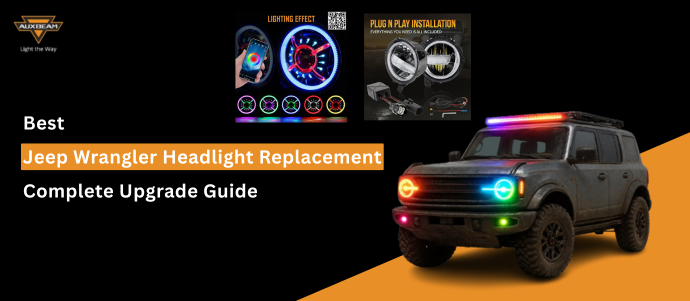
- Plug-and-Play Design: No complicated wiring needed.
- Water Resistance: Look for IP67 or IP68 ratings.
Some popular brands include JW Speaker, KC HiLiTES, and Oracle Lighting.
Halo And Drl Headlights
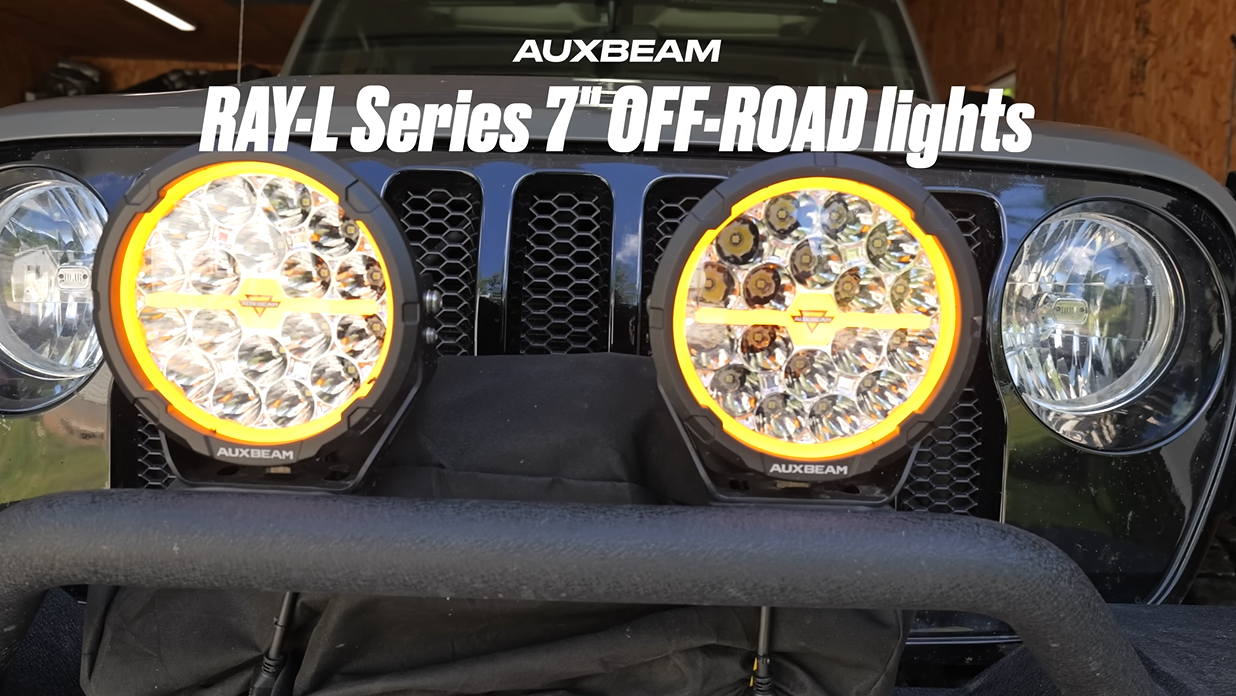
Halo rings or Daytime Running Lights (DRLs) add style and extra daytime safety. Many modern LED headlights include these as a feature. Just make sure the DRL wiring is compatible with your Jeep’s electrical system.
Common Mistake
Some beginners buy the brightest lights they can find, but ignore beam pattern. Too much scattered light can actually make night driving harder, not easier. Always check beam pattern reviews and avoid ultra-cheap, “no brand” LEDs.
Fog Light Upgrades
Fog lights are mounted low and help with visibility in rain, snow, or dust. Like headlights, you can upgrade to LEDs or HIDs. Some Jeep models require special brackets or wiring adapters for aftermarket fog lights.
Popular choices:
- Round LED fog lights: Direct replacement for Wrangler JK and JL models.
- Pod-style lights: Can be mounted in factory bumper holes.
For best results, match the color temperature of your fog lights to your headlights (usually 5,000–6,000K for a clean look).
Tail Light Upgrades
Upgraded tail lights improve both safety and style. LED tail lights:
- Light up faster—up to 0.2 seconds quicker than halogens. That can mean 20 feet of extra stopping distance at highway speed.
- Are brighter and more visible from the side.
- Offer custom looks (smoked, clear, or colored lenses).
Some tail lights include built-in sequential turn signals or animated startup effects. Be sure to check for DOT compliance before buying.
Jeep Wrangler Tail Light Comparison
| Type | Visibility | Response Time | Style Options | Average Cost (Pair) |
|---|---|---|---|---|
| Halogen | Standard | 0.5 sec | Red, Clear | $50–$120 |
| LED | High | 0.3 sec | Smoked, Clear, Sequential | $120–$350 |
Turn Signals And Marker Lights
Upgrading front and rear turn signals and marker lights to LEDs is a simple way to modernize your Jeep. LED bulbs light up instantly, last much longer, and are more visible even during the day.
Non-obvious tip: Some Jeep models may need a resistor or an “anti-flicker” harness when switching to LEDs. This prevents hyper-flashing (blinkers flashing too quickly) or error messages on the dash. Always check compatibility before ordering.

Credit: www.aozoom.global
Interior Lighting Upgrades
Brightening your interior can make a big difference, especially if you go camping or work on your Jeep at night.
- LED dome lights: These can be up to 3 times brighter than stock bulbs.
- Footwell lighting kits: Add color and style.
- Cargo area lights: Make loading and unloading easier in the dark.
Some kits offer RGB color-changing lights, letting you personalize your interior look. Just be careful not to choose distracting colors that might affect your night vision while driving.
Auxiliary And Off-road Lighting
For those who go off-roading or camping, auxiliary lights are a game-changer. These include:
- Light bars: Mounted above the windshield or on the bumper, provide wide-area light.
- Spotlights or driving lights: Focused beams for seeing far down the trail.
- Rock lights: Mounted under the Jeep to see obstacles at night.
Choosing The Right Off-road Lights
Not all auxiliary lights are the same. Here’s a quick look:
| Type | Best Use | Beam Pattern | Mount Location |
|---|---|---|---|
| Light Bar | Wide area lighting | Flood/Combo | Roof, Bumper |
| Spotlight | Long-distance | Spot | Pillar, Bumper |
| Rock Light | Wheel/ground visibility | Flood | Wheel Wells, Underbody |
Non-obvious tip: Light bars and pods designed for off-road use are often not street-legal for highway driving. Always check local regulations and use them responsibly.
Credit: auxbeam.in
Installation: Diy Or Professional?
Many lighting upgrades are plug-and-play—meaning you can do them yourself with basic tools. However, some upgrades (especially wiring multiple off-road lights) can be tricky.
DIY Installation Tips:
- Always disconnect your battery before working with electrical parts.
- Use dielectric grease on connectors to prevent corrosion.
- Route wires away from moving parts or heat sources.
- Secure extra wiring with zip ties for a neat finish.
If you’re not comfortable with wiring, or if your upgrade requires cutting or splicing, a professional installer is a smart choice. Bad wiring can cause shorts, blown fuses, or even fires.
Legal Considerations
Not every lighting upgrade is street-legal. In the US and many countries:
- Headlights and tail lights must be DOT approved.
- Off-road lights (light bars, pods) should have covers when driving on public roads.
- Colored lights (like blue or red) may be restricted.
If you’re unsure, check local laws or ask at your Jeep dealership.
For more info, you can check the Wikipedia page on automotive lighting.
Cost Of Upgrading Jeep Wrangler Lighting
Prices for lighting upgrades can vary a lot:
- Headlights: $100–$400 per pair for good LEDs.
- Fog lights: $80–$250 per pair.
- Tail lights: $120–$350 per pair for LEDs.
- Light bars: $50–$600+ depending on size and brand.
- Interior kits: $20–$100.
Don’t forget to budget for installation if you’re not doing it yourself (typically $50–$150 per hour at a shop).
Maintenance And Troubleshooting
Upgraded lights generally require less maintenance than stock halogens. Still, you should:
- Check for moisture inside the housing after heavy rain or car washes. Good-quality lights have sealed housings but cheaper options may leak.
- Clean lenses regularly for maximum brightness.
- If an LED bulb stops working, check the wiring and connectors before replacing the whole assembly.
If you notice flickering or dimming, ensure all grounds and connectors are tight. For complicated issues, a qualified auto electrician can help.
Frequently Asked Questions
How Hard Is It To Install New Headlights On A Jeep Wrangler?
Most modern LED headlights are plug-and-play and take about 30–60 minutes to install with basic tools. Older models or high-end lights may need extra wiring or brackets.
Will Upgrading To Led Lights Affect My Jeep’s Electrical System?
LEDs use less power than halogens, so they’re generally safe. However, some models may show a dashboard error or “hyper-flash” with turn signals. Adding resistors or an anti-flicker harness usually solves this.
Are Aftermarket Lights Legal For Road Use?
Only DOT-approved headlights and tail lights are legal for on-road use in most places. Off-road lights (bars, pods) should be covered on public roads. Always check your local laws.
What Is The Best Color Temperature For Headlights?
Most people prefer 5,000–6,000 Kelvin (K) for a clean, white light that looks modern and improves visibility. Warmer colors (3,000–4,000K) can help in fog but look more yellow.
Can I Mix Different Brands Or Types Of Lighting Upgrades?
It’s possible, but for the best look and performance, try to match color temperatures and styles. Mixing cheap and premium lights can cause uneven brightness or mismatched colors.
Upgrading your Jeep Wrangler’s lighting transforms both its looks and performance. Whether you want to light up the trail or just see better on your evening drive, there’s an option for every budget and skill level. Take your time, research your choices, and always put safety first—on and off the road.
1 thought on “Jeep Wrangler Lighting Upgrade Guide: Brighten Your Ride Fast”