
How to Use Jeep Hood Latches: Step-by-Step Guide for Beginners
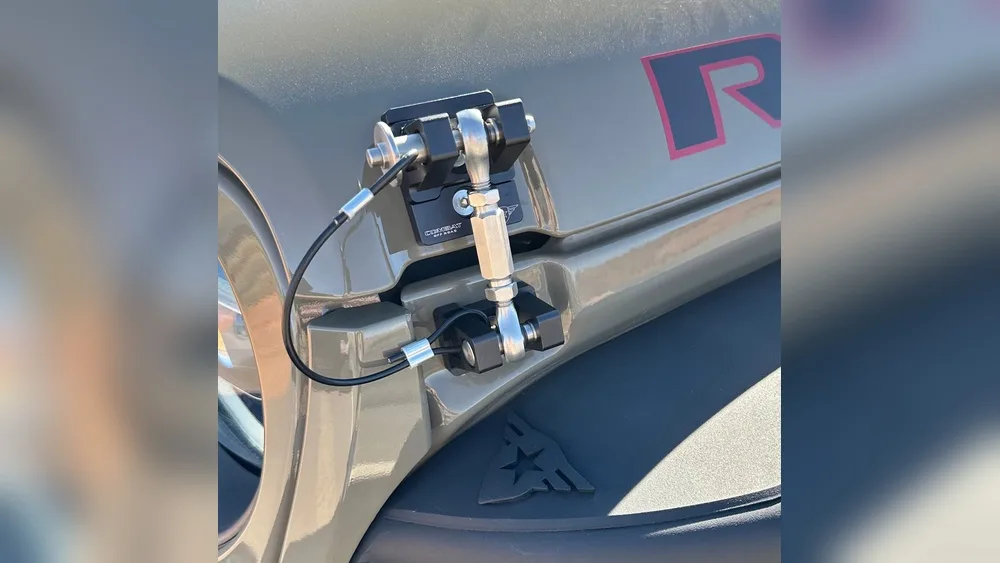
If you own a Jeep, you know how important it is to secure your hood, especially when driving off-road or at high speeds. Jeep hood latches are small but powerful parts that keep your hood safe and prevent rattling or unexpected opening. Using these latches correctly can protect your engine, improve your driving experience, and even make your Jeep look better. Many beginners overlook the details of hood latches and often face issues like loose hoods or damaged latches. This guide will walk you through everything you need to know, from understanding different types to installing, adjusting, and maintaining them. Whether you’re new to Jeeps or an experienced driver, you’ll find tips and insights that will help you use your hood latches confidently and avoid common mistakes.
Understanding Jeep Hood Latches
Jeep hood latches are designed to keep the hood tightly closed, especially on rough roads. Most Jeeps, especially the Wrangler and Gladiator models, use external hood latches. These are visible on the sides of the hood and are usually made of durable materials like rubber, steel, or aluminum.
Why Hood Latches Matter
- Safety: Prevents the hood from flying open during driving.
- Protection: Keeps dust and water away from the engine.
- Noise Reduction: Stops the hood from rattling on bumpy roads.
- Style: Many latches come in different colors and designs, enhancing the Jeep’s look.
Types Of Hood Latches
Different Jeeps and aftermarket brands offer several latch designs. Here are the most common:
- Rubber Latches: Classic style, flexible, but may wear out over time.
- Metal Latches: Stronger, usually made from stainless steel or aluminum.
- Lockable Latches: Add extra security—use a key to unlock.
- Quick-Release Latches: Easy to open and close, useful for frequent engine checks.
| Latch Type | Material | Security Level | Common Use |
|---|---|---|---|
| Rubber | Rubber/Plastic | Basic | Stock Jeeps |
| Metal | Steel/Aluminum | High | Off-road/Upgraded Jeeps |
| Lockable | Metal | Very High | Security-conscious owners |
| Quick-Release | Rubber/Metal | Medium | Frequent maintenance |
How To Use Jeep Hood Latches Correctly
Most Jeep owners use hood latches daily but rarely think about the right way to handle them. Using them properly prevents damage and keeps your vehicle safe.
Step-by-step Guide To Opening And Closing Hood Latches
- Locate the Latch: Find the external latches on both sides of your Jeep’s hood.
- Release the Latch: For rubber latches, pull the handle away from the hood until it pops free. For metal or lockable latches, unlock and lift the handle.
- Open the Hood: Once both latches are released, use the interior hood release (usually under the dashboard) to unlock the main latch.
- Lift the Hood: Carefully raise the hood, making sure it’s fully released.
- Closing the Hood: Lower the hood gently. Make sure it aligns with the body and push down until you hear a click from the main latch.
- Secure the External Latches: Attach each latch back to its hook or anchor. Press firmly so it locks tightly.
Common Mistakes When Using Hood Latches
- Forgetting to close both latches: Always check both sides before driving.
- Not aligning the hood: The hood must sit perfectly before latching, or it may not close fully.
- Using too much force: Pushing too hard can damage rubber or bend metal latches.
- Ignoring worn-out latches: Replace latches that feel loose or cracked.
Practical Example
Imagine you’re checking your Jeep’s engine oil before a long trip. You release both hood latches and open the hood. After finishing, you lower the hood, but only secure one latch. Later, you hear rattling while driving. This is a common error—always double-check both latches to avoid noise and safety risks.
Installing New Hood Latches
Many Jeep owners upgrade their hood latches for better security or style. Installing new latches is not difficult, but it requires patience and the right tools.
Tools Needed
- Screwdrivers (usually Phillips or flathead)
- Wrenches (sizes vary by latch type)
- Socket set
- Lubricant (for old bolts)
Installation Steps
- Remove Old Latches: Unscrew bolts or nuts holding the old latches. Use lubricant if bolts are rusted.
- Clean the Area: Wipe down the mounting spots to remove dust and debris.
- Position New Latches: Align the new latch with the holes. Insert bolts or screws as needed.
- Tighten Securely: Use a wrench or screwdriver to tighten the bolts. Don’t overtighten, which can crack plastic or warp metal.
- Test the Latch: Close the hood and check the latch. It should hold firmly and not wobble.
Upgrading For Off-road Use
If you drive on rough terrain, choose metal latches or lockable latches. These resist vibration and keep the hood tightly closed. Quick-release latches are good if you check the engine often, but they may not be as secure for heavy off-roading.
| Feature | Rubber Latch | Metal Latch | Lockable Latch |
|---|---|---|---|
| Durability | Medium | High | High |
| Security | Low | Medium | Very High |
| Ease of Use | Easy | Moderate | Moderate |
| Price | Low | Medium | High |
Adjusting Jeep Hood Latches
Sometimes, even after installation, hood latches need adjustment. If your hood rattles or won’t close fully, follow these steps.
How To Adjust
- Loosen the Mounting Bolts: With a wrench, loosen the bolts just enough to move the latch.
- Align the Latch: Move the latch up, down, or sideways for a better fit.
- Tighten Bolts: Once it’s positioned correctly, tighten the bolts.
- Check the Fit: Close the hood and test. Repeat if needed.
Signs You Need Adjustment
- Hood shakes when driving.
- Latch feels loose or hard to lock.
- Hood doesn’t line up with body panels.
Non-obvious Insight
Many Jeep owners don’t realize that temperature changes can affect latch alignment. In cold weather, rubber contracts and may leave the hood loose. Check your latches after extreme temperature changes.
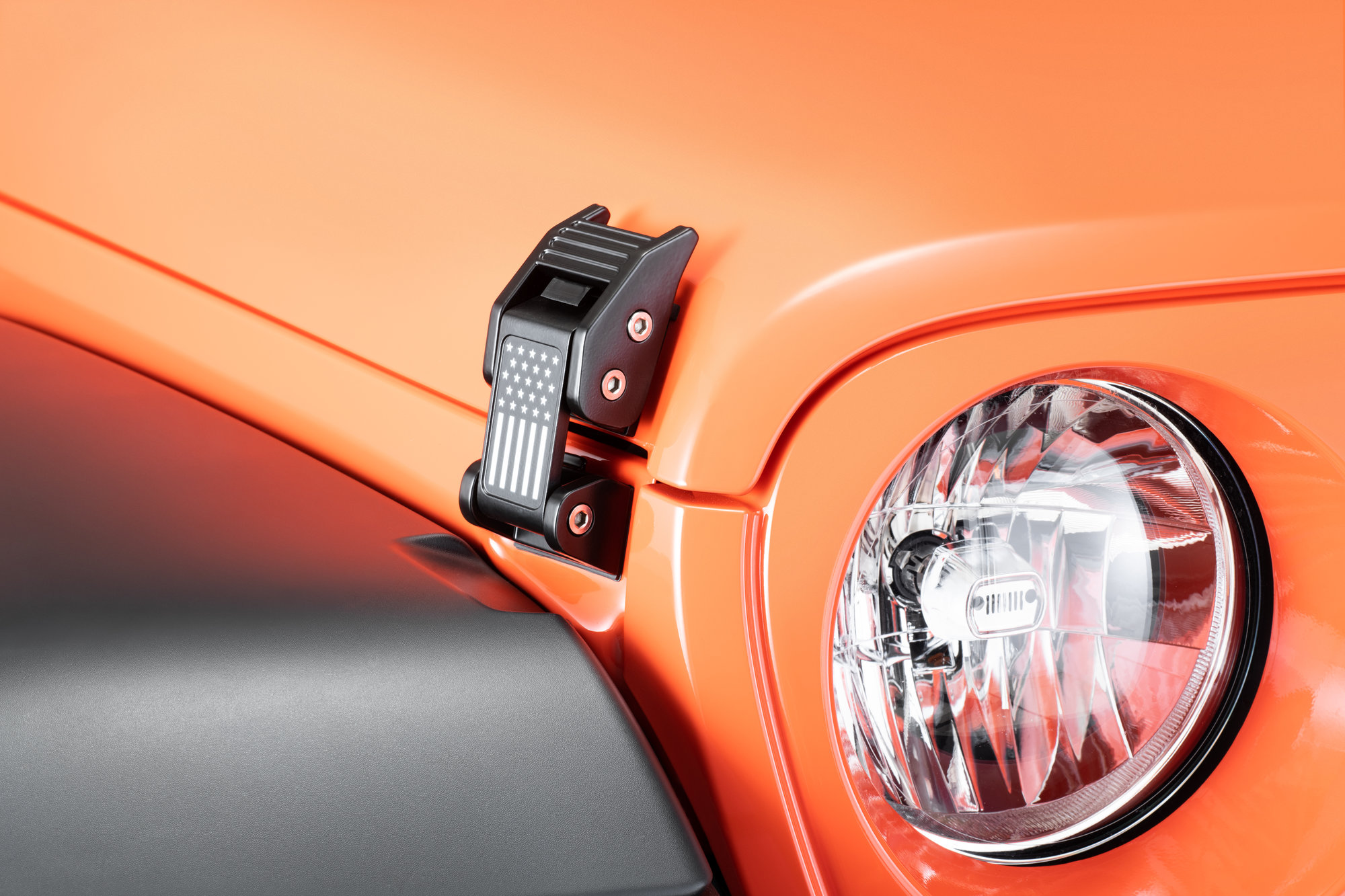
Credit: www.quadratec.com
Maintaining Jeep Hood Latches
Regular maintenance extends latch life and keeps your Jeep safe.
Cleaning
- Use mild soap and water.
- Avoid harsh chemicals that weaken rubber or corrode metal.
Lubrication
- Apply silicone spray or light oil to metal parts.
- Avoid over-lubricating rubber latches; it can cause slipping.
Inspection
- Check for cracks, rust, or wear every month.
- Replace damaged parts immediately.
Replacing Worn Latches
Rubber latches usually last 2–4 years, metal latches can last much longer. If you notice cracks or difficulty locking, replace them right away.
Jeep Hood Latch Accessories
Accessories can make your latches more useful and stylish.
- Colored latches: Match your Jeep’s paint or add contrast.
- Lock kits: Make your hood more secure.
- Quick-release pins: Speed up engine access.
Be careful with accessories—some may not fit all Jeep models. Always check compatibility before buying.

Credit: www.ledfactorymart.com
Troubleshooting Common Hood Latch Problems
Even well-maintained latches can face problems. Here’s how to solve the most common issues.
Hood Won’t Stay Closed
- Check if the latch is worn out or broken.
- Inspect the alignment; adjust if needed.
- Replace the latch if it feels loose.
Hood Rattles While Driving
- Tighten the latch bolts.
- Add rubber spacers for extra cushioning.
- Check for worn bushings.
Latch Is Hard To Open
- Lubricate metal parts.
- Clean dirt or debris from the latch.
- Replace if it’s bent or damaged.
Key Won’t Turn (on Lockable Latches)
- Use spray lubricant in the lock.
- Check for dirt or corrosion.
- Replace if lock mechanism fails.
| Problem | Possible Cause | Solution |
|---|---|---|
| Hood won’t close | Misaligned latch | Adjust alignment |
| Rattling noise | Loose bolts | Tighten bolts |
| Latch stuck | Rust/Dirt | Clean and lubricate |
| Key not working | Corrosion | Replace lock |
Safety Tips When Using Jeep Hood Latches
- Always check both latches before driving.
- Don’t force a latch if it’s stuck—inspect and fix the issue.
- Keep hands clear from the hood edge when closing.
- If driving in rough terrain, check latches often.
- Use lockable latches in high-crime areas for extra security.
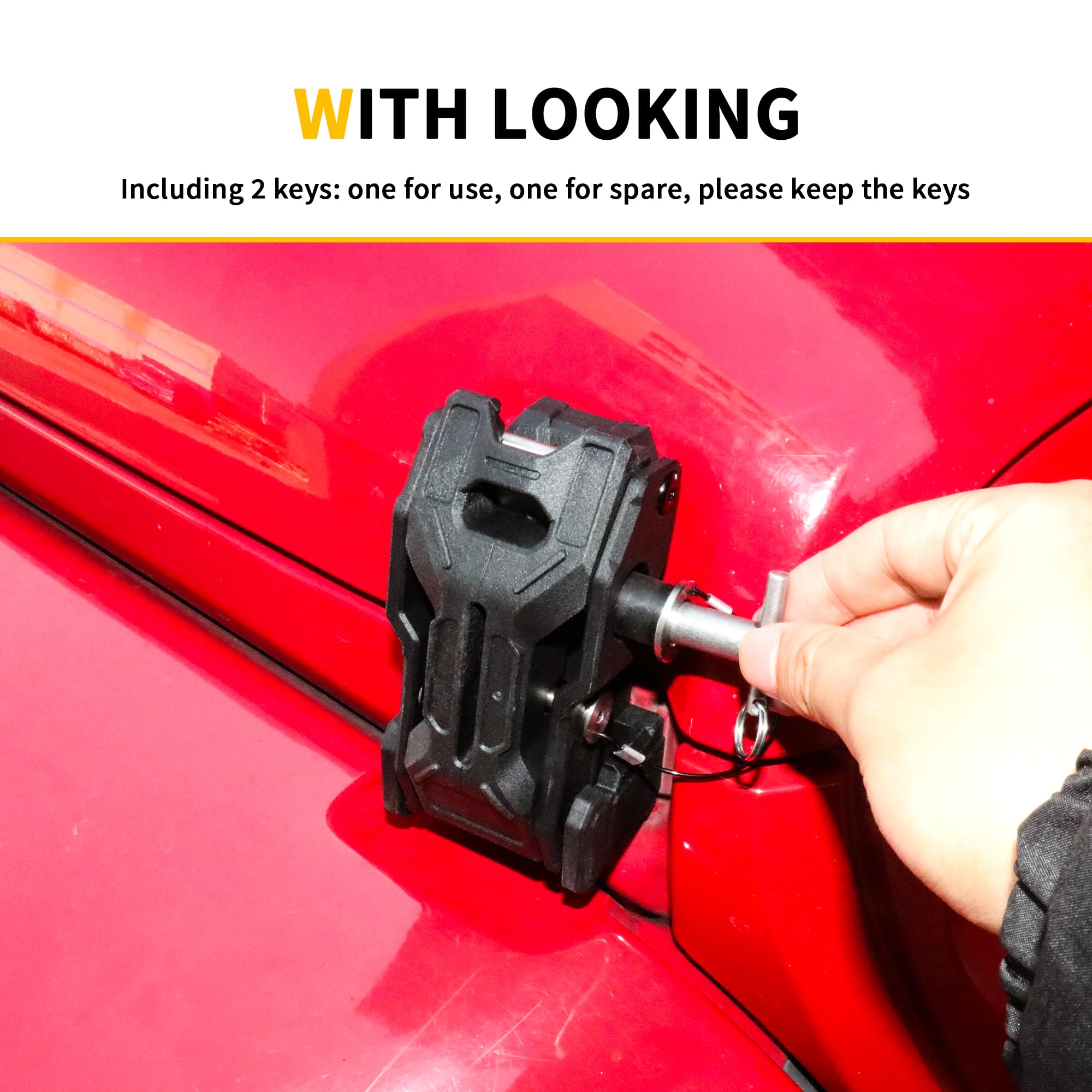
Credit: thetuxtailor.com
Non-obvious Insights For Beginners
- Aftermarket latches sometimes need extra washers or spacers. Many users don’t realize this, leading to poor fit or rattling.
- Hood latch upgrades can affect warranty. Always check with your dealer before installing non-stock parts.
Real-life Example: Off-road Adventure
Picture a Jeep owner heading for a rocky trail. They recently upgraded to metal lockable latches. During the trip, the hood stays secure, even on rough ground. Another Jeep nearby has old rubber latches and the hood starts rattling. Investing in quality latches can make a big difference in safety and comfort.
Where To Learn More
For official Jeep hood latch guides and specifications, visit Jeep Official Site.
Frequently Asked Questions
How Often Should I Replace Jeep Hood Latches?
Most rubber latches last 2–4 years, while metal latches can last much longer. Replace them if you see cracks, rust, or if they stop locking properly.
Can I Use Aftermarket Hood Latches On Any Jeep Model?
Not all aftermarket latches fit every Jeep. Always check compatibility with your model and year before buying.
Do Lockable Hood Latches Really Protect Against Theft?
Yes, lockable latches add extra security. While they won’t stop a determined thief, they make it harder to access your engine.
Is It Safe To Drive If A Hood Latch Is Broken?
No, driving with a broken latch is dangerous. The hood could open unexpectedly, blocking your view or damaging the engine.
How Can I Stop My Jeep Hood From Rattling?
Check the latches for tightness, adjust alignment, and add rubber spacers if needed. Replace worn latches for best results.
Using Jeep hood latches correctly is a small step that makes a big impact on your safety, peace of mind, and enjoyment of your Jeep. Whether you stick with stock latches or upgrade for style or security, regular checks and proper use will keep your hood secure for every adventure.
Related posts
 Why You Should Use a Foam Cannon for Car Washing: Ultimate Guide
Washing your car is more than just making it look good. It protects the paint, keeps the value high, and makes driving feel better. But if…
 How to Clean Leather Seats Without Damaging Them: Expert Tips
Keeping your leather seats clean can be a challenge. Leather looks beautiful and feels luxurious, but it needs special care. Many people worry about damaging their…
 Why Using a Ceramic Coating Spray is Important for Your Car’s Shine
If you care about your car’s appearance and value, you probably wash and wax it regularly. But did you know there’s a better way to protect…