
How to Maintain Running Boards for Long-Lasting Shine
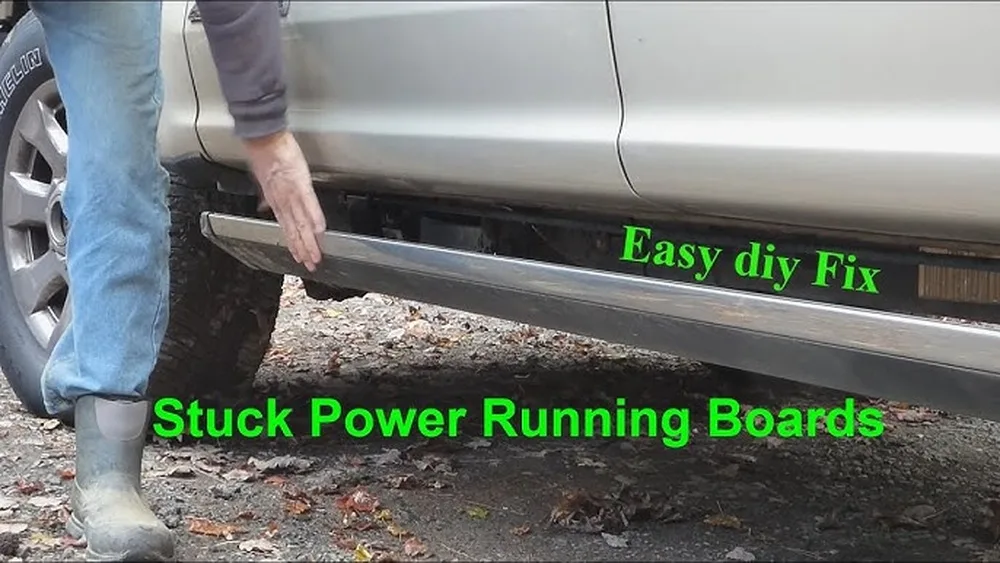
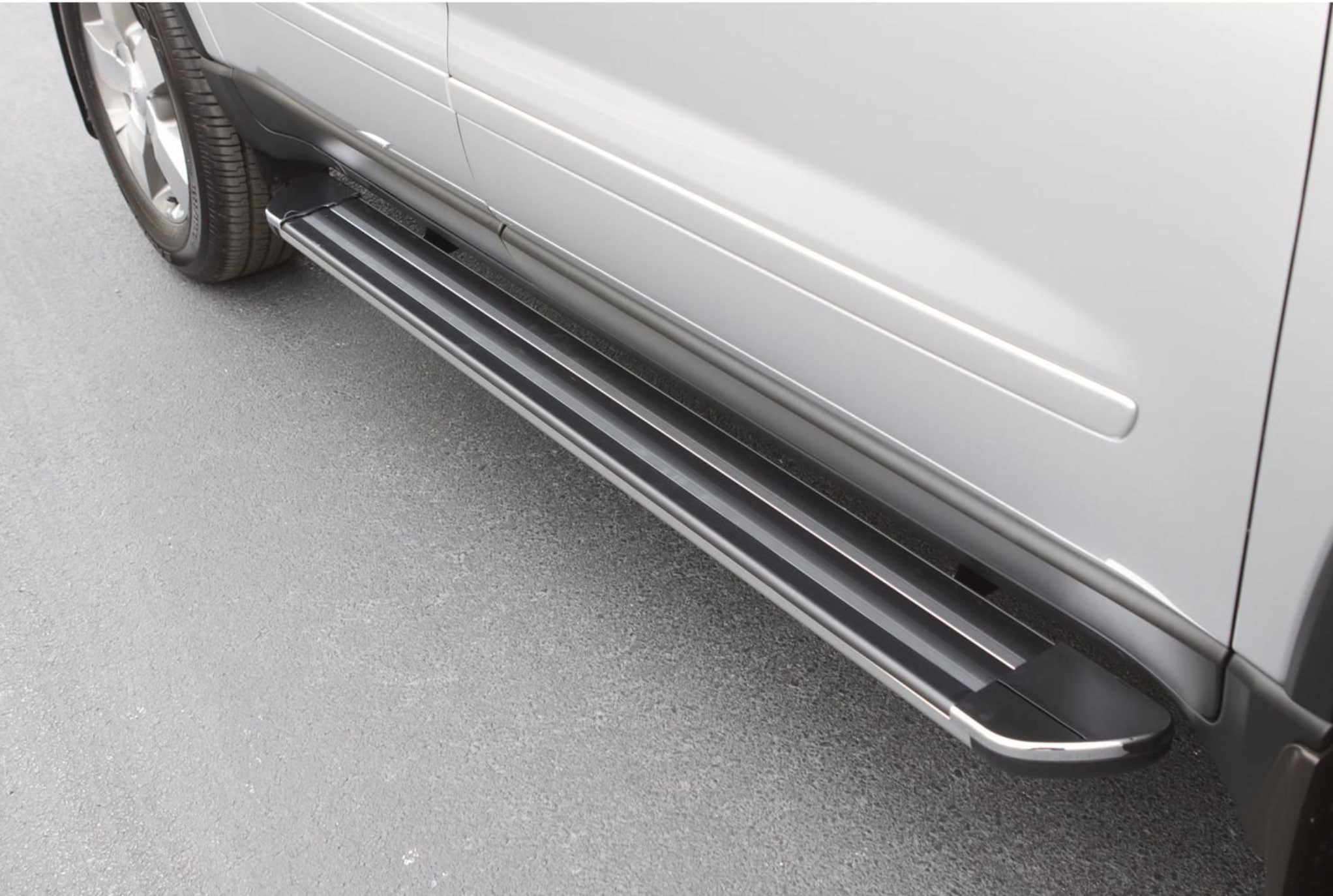
Keeping your vehicle in good condition goes beyond just engine checks and tire rotations. Many drivers overlook the running boards, which are the flat steps located beneath doors, often seen on trucks, SUVs, and some vans. These boards make getting in and out easier, but they also face daily wear from shoes, weather, and road debris. If you want your running boards to last long and look great, regular maintenance is a must. This guide walks you through everything you need to know to keep running boards clean, functional, and rust-free—whether they’re made from metal, plastic, or a combination.
Understanding Running Boards And Why Maintenance Matters
Running boards serve both a practical and aesthetic purpose. They offer a step for easier access, help protect the lower body of the vehicle from mud and rocks, and can even enhance the overall look of your car. Over time, dirt, salt, and moisture can cause corrosion or fading, especially if you live in areas with harsh winters or salty roads.
Neglecting running boards can lead to:
- Slippery surfaces, increasing the risk of accidents.
- Rust or corrosion, especially in metal boards.
- Cracks or breakage in plastic boards.
- Reduced resale value of your vehicle.
Regular care prevents these problems and keeps your car looking sharp.
Cleaning Running Boards Properly
Keeping running boards clean is the foundation of good maintenance. Here’s how to do it right:
Basic Cleaning Steps
- Rinse Off Loose Dirt: Use a garden hose or pressure washer to remove loose dirt, sand, and mud. Start from the top and work down.
- Apply Cleaner: For most running boards, a mild soap or car shampoo works well. Avoid harsh chemicals unless specifically required for stubborn stains.
- Scrub Gently: Use a soft brush or sponge to clean all surfaces. Pay attention to grooves, edges, and under the board, where grime collects.
- Rinse Again: Wash off all soap and debris with clean water.
- Dry Thoroughly: Wipe with a microfiber towel. Moisture left behind can cause rust, especially on metal boards.
Special Care For Different Materials
Not all running boards are made the same. Here’s how to clean each type:
| Material | Best Cleaning Method | Care Tip |
|---|---|---|
| Aluminum | Mild soap, soft brush | Avoid acidic cleaners; dry well to prevent spots |
| Stainless Steel | Car shampoo, microfiber cloth | Use polish for shine; watch for scratches |
| Plastic | Soap and water, sponge | Don’t use abrasive pads; avoid solvents |
Choosing the right cleaner makes a big difference. For example, using a harsh degreaser on plastic boards can cause fading, while skipping polish on stainless steel leads to dullness.
Credit: www.autozone.com
Preventing Rust And Corrosion
Metal running boards, especially those made from steel or aluminum, are prone to rust if not protected.
Applying Protective Coatings
- Wax: Use automotive wax on metal boards. It forms a protective barrier against moisture and salt.
- Rustproof Spray: For steel boards, a specialized rust-inhibitor spray can help. Apply every few months, especially before winter.
- Touch-Up Paint: If you spot chips or scratches, use touch-up paint to cover exposed metal.
Inspecting For Early Signs
Check your running boards regularly for:
- Tiny brown or orange spots (early rust)
- Paint flaking or bubbling
- Rough areas under the board
Catch these signs early, and you can prevent expensive repairs. Sometimes, sanding and repainting is enough; other times, you may need professional help.
Repairing Damage And Replacing Parts
Even with good care, running boards can suffer from dents, scratches, or broken mounts. Here’s what to do:
Handling Minor Damage
- Small Scratches: Polish with a metal or plastic polish. For deeper scratches, use sandpaper (for metal) and repaint.
- Loose Mounts: Tighten bolts and brackets with the proper tools. If parts are missing or rusted, replace them.
When Replacement Is Necessary
If boards have major cracks, deep rust, or broken brackets, replacement is safer. Installing new running boards isn’t complex, but you must match the size and mounting type to your vehicle. Compare options in terms of durability, material, and warranty.
| Board Type | Average Lifespan | Replacement Cost (USD) |
|---|---|---|
| Aluminum | 8-10 years | 150-350 |
| Stainless Steel | 10-15 years | 200-400 |
| Plastic | 5-8 years | 80-200 |

Credit: www.hookeroad.com
Protecting Running Boards From Weather
Weather is a big enemy of running boards. Rain, snow, and sun all affect their condition.
Preparing For Winter
- Salt Removal: Salt causes rust quickly. Rinse boards often in winter, especially after driving on salted roads.
- Extra Wax: Apply wax before winter starts for extra protection.
- Check Rubber Pads: Many boards have rubber or plastic pads. These get slippery in snow—keep them dry and clean.
Sun And Heat Protection
UV rays fade plastic and rubber parts. To prevent this:
- Use UV protectant spray on plastic boards.
- Park in shade when possible.
- Cover boards if storing vehicle outside for long periods.
Enhancing Longevity With Regular Maintenance
Routine upkeep can double the life of your running boards. A simple schedule helps you stay on track.
Monthly Checks
- Clean thoroughly once a month.
- Inspect for rust or cracks.
- Tighten mounting bolts.
Seasonal Tasks
- Wax metal boards every spring and fall.
- Apply rustproof spray before winter.
- Check for fading or hardening on plastic boards in summer.
Non-obvious Insights
- Lubricate Moving Parts: Some running boards are retractable. Lubricate hinges and mechanisms with silicone spray to prevent sticking.
- Avoid Automatic Car Washes: Many car washes use harsh chemicals or strong brushes that can scratch or loosen running boards. Hand washing is safer.
- Check Weight Limits: Running boards have specific weight limits. Overloading can bend or break them. Most boards support 300-500 lbs, but check your manual.
- Look Underneath: Dirt and salt often collect underneath, where you can’t see easily. Use a mirror or get low to check these hidden spots.

Credit: www.hookeroad.com
Choosing The Right Maintenance Products
Picking the best products for cleaning and protecting running boards matters. Here’s a quick comparison of popular options:
| Product Type | Use | Benefits | Drawbacks |
|---|---|---|---|
| Car Shampoo | Routine cleaning | Safe for all materials, gentle | May not remove heavy stains |
| Metal Polish | Restoring shine | Removes oxidation, adds gloss | Can be abrasive on plastic |
| Rustproof Spray | Preventing corrosion | Long-lasting protection | Needs reapplication, not for plastic |
| UV Protectant | Plastic/rubber protection | Prevents fading and cracking | Ineffective on metal |
Read product labels carefully and test on a small area first. For more info about car care products, visit Consumer Reports.
Common Mistakes To Avoid
Many drivers make errors when caring for running boards. Avoid these to get the best results:
- Using harsh chemicals meant for engines or wheels.
- Ignoring small rust spots, which grow quickly.
- Not drying after washing, leading to water spots or corrosion.
- Forgetting to check mounting bolts.
- Using abrasive pads on plastic boards.
These mistakes often seem minor but can cause big problems over time.
Frequently Asked Questions
How Often Should I Clean My Running Boards?
You should clean your running boards at least once a month. If you drive in muddy or snowy areas, increase cleaning to every week. Regular cleaning prevents buildup and keeps them safe.
Can I Use Household Cleaners On Running Boards?
It’s best to use car-specific products. Household cleaners may contain chemicals that damage metal or plastic. Stick to car shampoo, mild soap, and specialty sprays for best results.
What’s The Best Way To Remove Rust From Running Boards?
For small rust spots, use a rust remover or fine sandpaper, then apply touch-up paint. For larger areas, consult a professional. Preventing rust is easier than removing it.
Do Running Boards Affect Vehicle Safety?
Well-maintained running boards improve safety by providing a stable step and protecting your car’s lower body. Damaged or slippery boards increase the risk of slipping or injury.
How Can I Tell If My Running Boards Need Replacement?
Replace running boards if you see deep cracks, severe rust, or broken mounts. If cleaning and repairs don’t restore function or appearance, new boards are the best solution.
Taking care of your running boards adds value to your vehicle and keeps it looking sharp. With simple steps and regular attention, you can prevent rust, damage, and accidents. Don’t let these important parts go unnoticed—your car will thank you for it.
Related posts
 Why You Should Use a Foam Cannon for Car Washing: Ultimate Guide
Washing your car is more than just making it look good. It protects the paint, keeps the value high, and makes driving feel better. But if…
 How to Clean Leather Seats Without Damaging Them: Expert Tips
Keeping your leather seats clean can be a challenge. Leather looks beautiful and feels luxurious, but it needs special care. Many people worry about damaging their…
 Why Using a Ceramic Coating Spray is Important for Your Car’s Shine
If you care about your car’s appearance and value, you probably wash and wax it regularly. But did you know there’s a better way to protect…