
How to Choose Running Boards for Jeep Wrangler
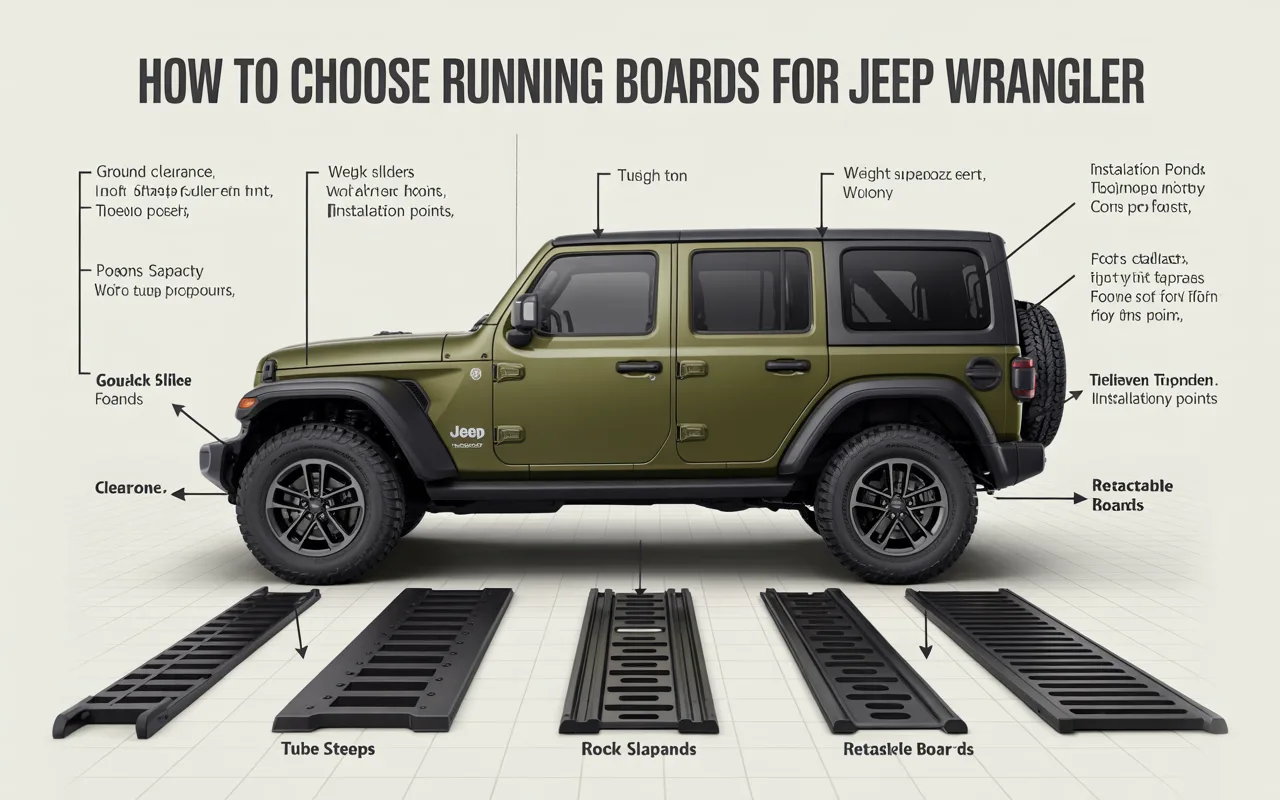
When it comes to accessorizing your Jeep Wrangler, running boards are not only functional but also add a personalized touch to your vehicle.
These accessories enhance the appearance and usability of your Jeep by providing easy access to the vehicle, especially for people who might find it challenging to step into a higher vehicle like the Wrangler. With various options available, choosing the right running boards for your Jeep Wrangler can seem overwhelming. In this guide, we will walk you through the essential factors to consider to help you make the best decision.
Understanding the Importance of Running Boards for Jeep Wrangler
Running boards are installed along the sides of the Jeep Wrangler, typically underneath the doors. They serve multiple purposes, including improving the overall accessibility of the vehicle, protecting the sides of the vehicle, and enhancing the visual appeal of the Jeep. Jeep Wranglers, known for their off-road capabilities, often come with higher ground clearance. This can make entering or exiting the vehicle challenging, especially for shorter individuals or those with physical limitations. Running boards provide a simple solution by offering a stepping platform, making access much easier.
Moreover, running boards protect the vehicle’s body from dirt, mud, and road debris that can be kicked up while driving, especially on off-road trails. This protection helps maintain the vehicle’s aesthetic appeal and ensures the longevity of its exterior.
Types of Running Boards for Jeep Wrangler
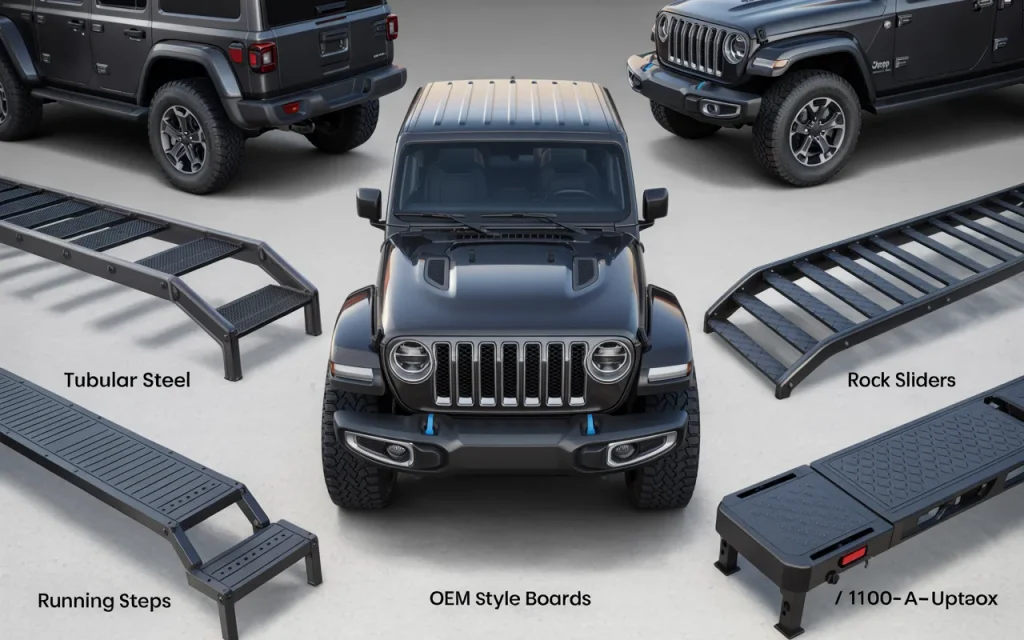
There are several types of running boards available for Jeep Wranglers, each offering distinct features and benefits. Below are the most common types:
1. Nerf Bars
Nerf bars are commonly used on off-road vehicles, including Jeep Wranglers. These running boards are made of tubular steel or aluminum and provide a sleek, rugged look. Nerf bars are typically larger and more robust, offering a wider platform than other types of running boards.
- Advantages:
- Strong and durable.
- Ideal for off-roading.
- Wider step area for better footing.
- Disadvantages:
- May protrude slightly from the side of the vehicle, which could affect ground clearance.
2. Oval Running Boards
Oval running boards have a flat, oval shape and are typically made from aluminum or steel. They are designed to be more stylish and provide a larger step area compared to standard round nerf bars.
- Advantages:
- Provides a wider stepping area.
- Offers a sleek, modern look.
- Durable and suitable for daily use.
- Disadvantages:
- May not be as rugged as nerf bars for off-roading.
3. Step Bars
Step bars are similar to nerf bars but typically have flat, step-like platforms rather than a continuous bar. They offer a secure foothold for entering and exiting the vehicle.
- Advantages:
- Easy to step on, especially for taller Jeeps.
- Good traction surface.
- Disadvantages:
- Generally, not as durable as other types for off-road usage.
4. Power Running Boards
Power running boards automatically extend when the door is opened and retract when the door is closed. These advanced running boards are powered by motors and can be a great choice for those seeking convenience and modern technology.
- Advantages:
- Automatic extension and retraction for easy access.
- Neat appearance when retracted.
- Disadvantages:
- Expensive compared to manual options.
- Requires electrical connections, which can complicate installation.
Materials Used in Running Boards
The material of the running board plays a significant role in its durability, weight, and aesthetics. Common materials used include:
- Aluminum: Lightweight, rust-resistant, and corrosion-resistant, making aluminum running boards a popular choice for Jeep owners.
- Steel: Known for its strength and durability, steel is often used for nerf bars and step bars. However, steel running boards can be heavier and may rust if not properly treated.
- Plastic and Composite: Some running boards are made from high-strength plastic or composite materials, offering a lightweight and corrosion-resistant alternative.
Comparison of Running Board Materials
| Material | Weight | Durability | Rust Resistance | Ideal Use |
|---|---|---|---|---|
| Aluminum | Lightweight | High | Excellent | Daily driving, light off-roading |
| Steel | Heavy | Very High | Moderate | Off-roading, heavy-duty use |
| Plastic/Composite | Lightweight | Moderate | Excellent | Daily driving, light use |
Factors to Consider When Choosing Running Boards for Jeep Wrangler
When selecting running boards for your Jeep Wrangler, it’s essential to consider several factors to ensure you choose the right type that suits your needs and style preferences.
1. Vehicle Height
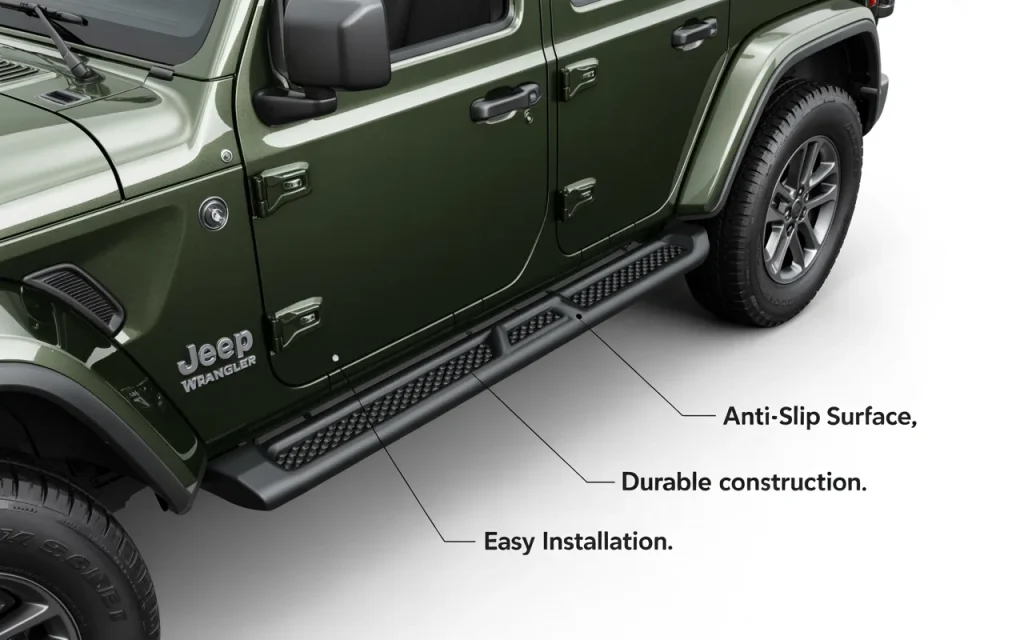
One of the most crucial factors to consider is the height of your Jeep. Higher ground clearance can make it more challenging to enter the vehicle, so it’s essential to choose running boards that provide enough step height for easy access.
2. Off-Road Capability
If you plan to use your Jeep for off-roading, durability and strength are essential. Nerf bars and step bars made from steel or heavy-duty aluminum are excellent options for off-road enthusiasts as they provide more support when stepping in and out of the vehicle, even on uneven terrain.
3. Weight Capacity
Ensure that the running boards you choose can support the weight of those using them. Some running boards are designed to hold more weight, which is crucial if you have larger passengers or need the board to withstand additional pressure.
4. Style and Aesthetics
Running boards can also enhance the look of your Jeep. Choose a design and finish that complements your Jeep’s exterior. If you prefer a sleek, minimalistic appearance, oval running boards or plastic/ composite materials might be ideal. However, if you’re aiming for a rugged look, steel nerf bars or tubular bars are an excellent choice.
5. Ease of Installation
Most running boards come with installation kits, but some may require professional installation, particularly for power running boards. Make sure the installation process is straightforward and within your capabilities, or be prepared to invest in professional installation services.
Factors to Consider for Jeep Wrangler Running Boards
| Factor | Importance | Recommended Option |
|---|---|---|
| Vehicle Height | High | Nerf Bars, Step Bars |
| Off-Road Capability | High | Steel Nerf Bars |
| Weight Capacity | Medium | Heavy-duty Aluminum |
| Style and Aesthetics | Medium | Oval, Tubular Nerf Bars |
| Ease of Installation | High | Oval Running Boards |
The Pros and Cons of Running Boards for Jeep Wrangler
Before making a final decision on which running boards to choose, it’s important to consider both the advantages and disadvantages of adding them to your vehicle.
Pros:
- Improved Accessibility: The most significant benefit of running boards is that they make it easier to get in and out of your Jeep Wrangler.
- Protection: Running boards help protect the vehicle’s side panels from rocks, dirt, and debris, especially when off-roading.
- Enhanced Aesthetics: Running boards can improve the look of your Jeep, making it appear more rugged or stylish depending on your choice.
- Increased Resale Value: Adding running boards can increase the resale value of your Jeep, especially if they enhance the vehicle’s functionality and appearance.
Cons:
- Reduced Ground Clearance: Depending on the type of running board, it can reduce the ground clearance of your Jeep, which may affect its off-road capabilities.
- Additional Maintenance: Some running boards, particularly those made from steel, may require more maintenance to prevent rust or wear.
- Installation Complexity: Some running boards may require professional installation, which can add to the overall cost.
Conclusion
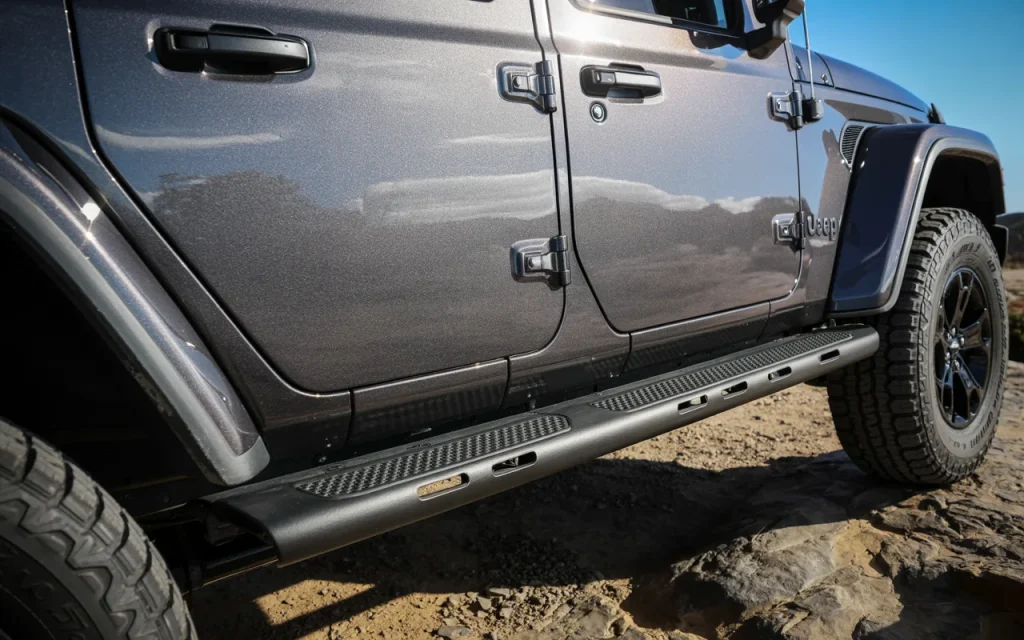
Choosing the right running boards for your Jeep Wrangler ultimately depends on your specific needs and preferences. Whether you’re looking for durability for off-roading or a stylish accessory to enhance your Jeep’s appearance, there are plenty of options available. Nerf bars, step bars, and oval running boards are all viable options, but be sure to choose one that fits your Jeep’s height, off-road needs, and aesthetic preferences. Additionally, consider the material, weight capacity, and ease of installation to make an informed decision.
As you explore the various running board options, remember to prioritize functionality alongside style. The right choice will not only make your Jeep more accessible but also enhance its overall appearance and performance.
Frequently Asked Questions (FAQ)
1. Can I install running boards on my Jeep Wrangler myself?
Yes, most running boards come with an installation kit and can be installed by the owner. However, power running boards might require professional installation due to electrical connections.
2. Are running boards necessary for off-roading?
While running boards are not essential for off-roading, they can provide additional protection against debris and offer a better foothold for entering the vehicle after off-road excursions.
3. What is the best material for running boards?
The best material depends on your needs. Aluminum is lightweight and rust-resistant, making it ideal for daily driving. Steel is heavier but offers durability and strength for off-roading.
4. Do running boards affect ground clearance?
Yes, running boards can reduce ground clearance, especially larger or more robust designs like nerf bars. However, they can be essential for improving accessibility.
5. Can I use running boards on a Jeep with lift kits?
Yes, running boards can still be used on lifted Jeeps. You may need to choose larger or more robust running boards that accommodate the increased height.
Related posts
 Why You Should Use a Foam Cannon for Car Washing: Ultimate Guide
Washing your car is more than just making it look good. It protects the paint, keeps the value high, and makes driving feel better. But if…
 How to Clean Leather Seats Without Damaging Them: Expert Tips
Keeping your leather seats clean can be a challenge. Leather looks beautiful and feels luxurious, but it needs special care. Many people worry about damaging their…
 Why Using a Ceramic Coating Spray is Important for Your Car’s Shine
If you care about your car’s appearance and value, you probably wash and wax it regularly. But did you know there’s a better way to protect…